 Iwona Castiello d'Antonio on Unsplash
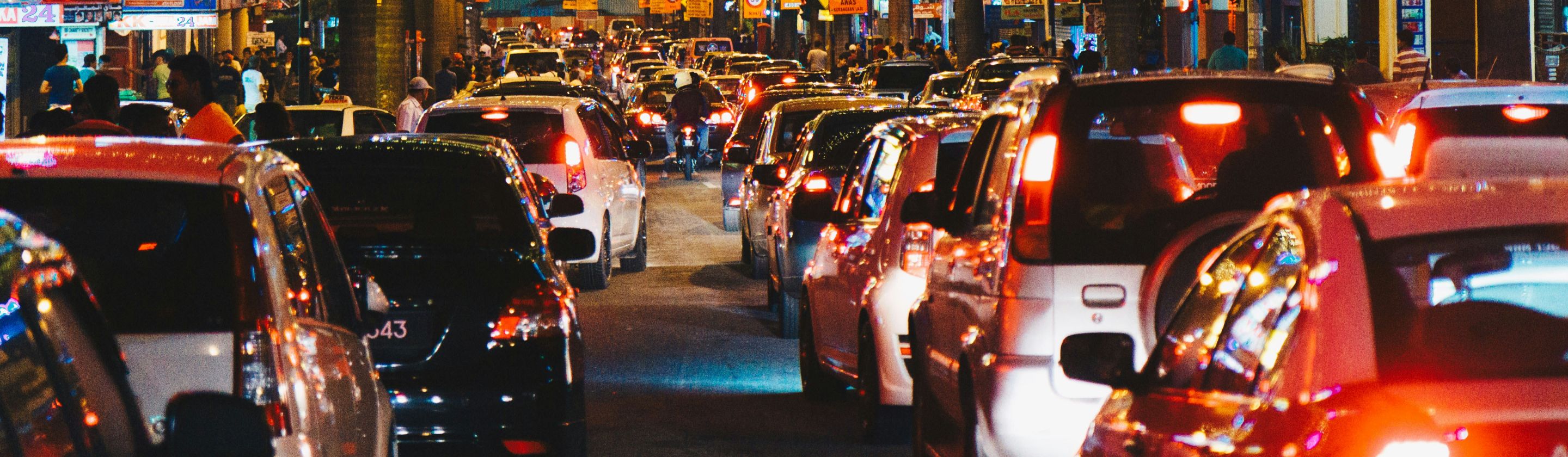
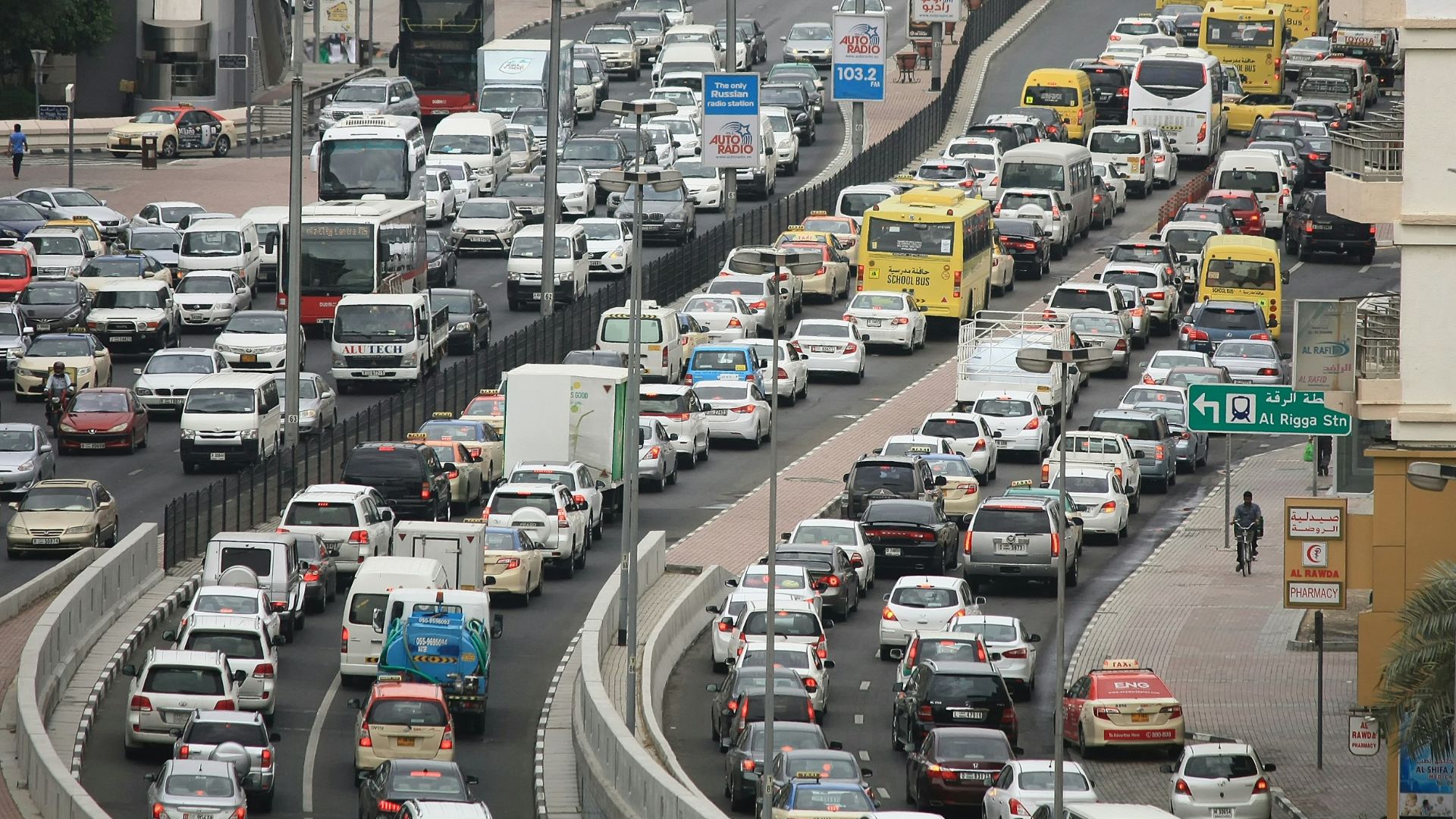
Traffic jams have a strange way of sneaking up on you when you least expect it. One mile feels calm, the next erupts into a glowing river of brake lights stretching farther than you can see. Even though there is no stalled pickup or debris, your speed drops from 65 to a crawl as if someone flipped a hidden switch.
That kind of slowdown frustrates anyone, especially during a morning routine. Stick around, because the explanation behind these “now you see them, now you don’t” pileups reveals how much power small driving habits hold over an entire road. You might even walk away with tricks to keep your next commute smoother.
How Tiny Movements Create Big Jams
A single brake tap can spark a whole chain of trouble. A 2008 circular-track experiment from Osaka University and a 2009 traffic-wave analysis from MIT both demonstrated that jams can appear with no external cause. Small shifts in speed multiply, forming “phantom jams” that travel backward through traffic like rolling shockwaves. The person behind reacts with a stronger tap, the next adds a little more, and the ripple grows.
Cars hundreds of feet back feel the slowdown even though nothing happened in front of them. The spark is usually tiny—a quick hesitation, a glance at a dashboard, or an uncertain merge. Those small shifts mix with natural reaction delays. Since drivers take about a second to respond, nearly 100 feet vanish before anyone adjusts. As spacing shrinks, those delays build. One driver brakes early, another accelerates too hard, and an accordion-like pulse forms. That pulse travels backward until cars can’t regain speed, locking the jam in place.
Road design tightens the squeeze as narrow lanes or blind curves bunch cars closer than they realize. Each small correction grows louder inside that pinch point. A single nervous tap becomes a rolling wave, then a full slowdown, even though the initial moment lasted only seconds. From there, another force takes over and deepens the jam.
Why Driver Behavior Turns Ripples Into Standstills

Traffic psychology plays a bigger role than most people expect. People instinctively follow the rhythm of cars near them. If someone ahead stiffens their posture or starts edging toward the brake, drivers behind mimic those cues almost automatically. Tight curves, shadows under overpasses, and unfamiliar signage trigger subtle hesitation.
That hesitation spreads. Once it spreads far enough, you get the familiar stop-and-go shuffle that makes a freeway feel like a parking lot. The same chain forms during merges. Someone waits too long, someone else pushes too soon, and the flow loses its smooth glide. A single awkward attempt to join a lane can stall cars 300 or 400 feet back.
Smart Habits That Keep The Road Moving
Leave extra breathing room.
Keep your pace steady instead of jumping forward.
Accelerate smoothly once space opens.
Skip the quick-brake, quick-gas cycle that fuels most phantom jams.
Small choices ripple farther than people think. Your rhythm can help soften the waves that turn a simple drive into a head-scratching delay.