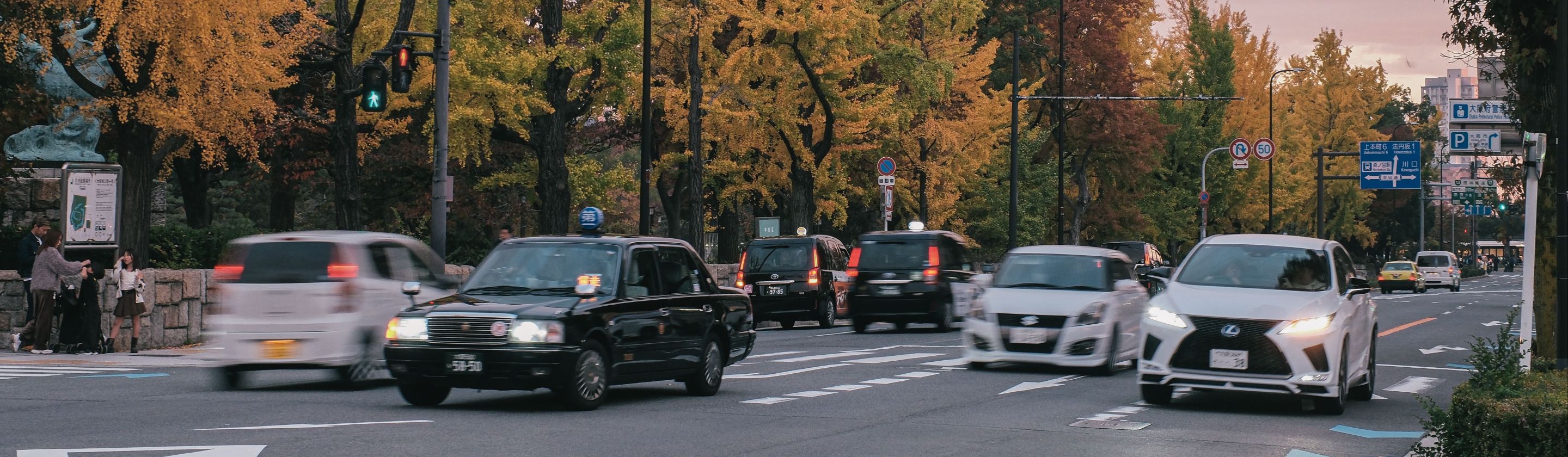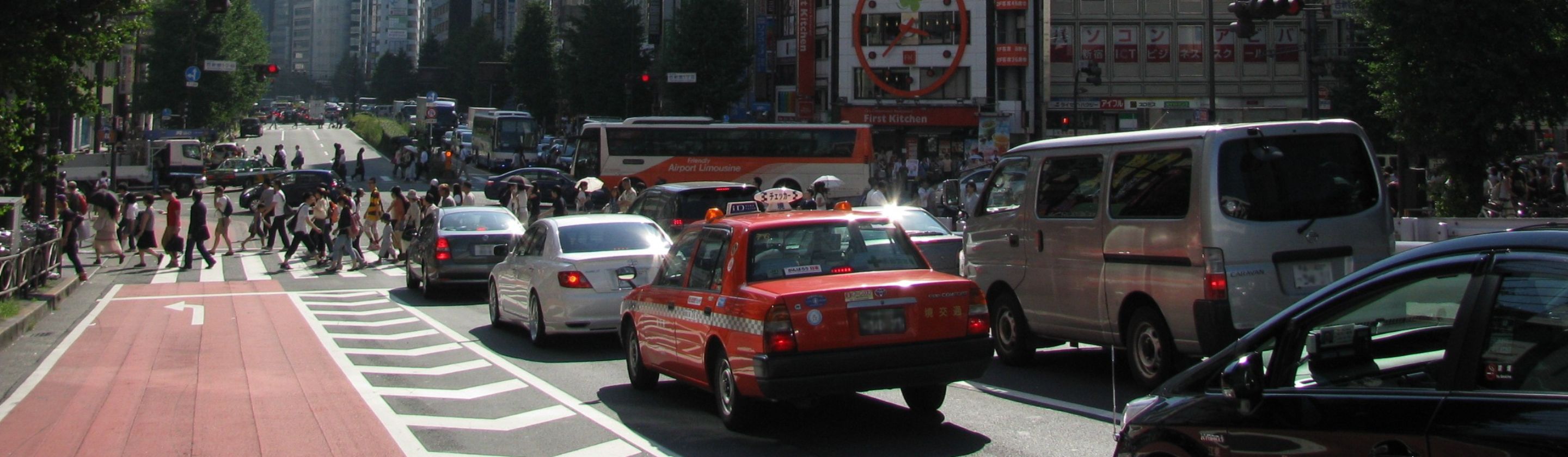
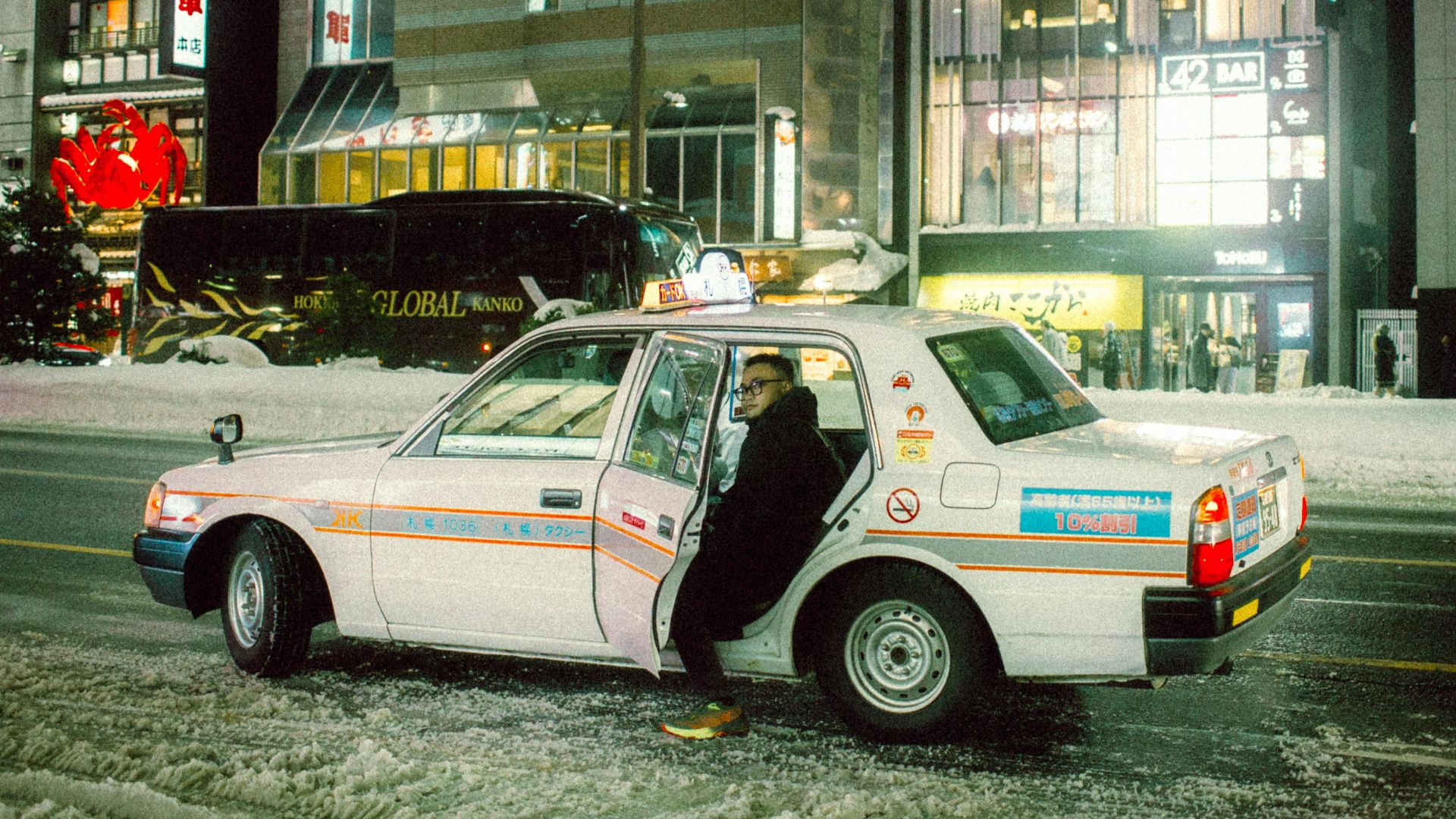
Travelers often describe a quick moment of surprise the first time they see cars moving down the left side of the road in Japan. The scene feels familiar yet slightly reversed, prompting many to wonder why the country follows a system different from most of the world. Curiosity grows once the pattern becomes impossible to ignore.
Japan’s choice did not come from chance or convenience alone. The history of this driving style spans centuries and reflects cultural customs, foreign influence, and modern transportation needs. The sections ahead break down each layer of that story.
Historical Roots Of Left-Side Travel
Centuries before cars appeared on Japanese roads, samurai shaped the movement of pedestrians and riders. Warriors traveled on the left to keep their right hand free for their swords, ensuring they were ready for unexpected encounters. This habit guided daily travel long after the samurai era faded.
Merchants, farmers, and travelers adopted the same pattern because it created a predictable flow along narrow paths and busy markets. Horses and palanquin carriers also followed similar rules, which helped reduce collisions and confusion. Over time, the left side became the natural lane for movement across towns and villages. Cultural practices settled into everyday routines, making the left-side custom deeply familiar to communities.
And these traditions created a foundation that later influenced Japan’s approach to traffic organization. When modern transportation emerged, the country already leaned toward a system shaped by centuries of orderly foot and horseback travel.
Railways And International Influence
Japan’s shift into industrialization brought new forces that reinforced its left-side tradition. British engineers played a central role in building the country’s earliest railways, and their systems also operated on the left. Tracks, platforms, and signaling methods followed British models, firmly establishing left-side movement across major transportation routes.
As trains expanded through cities and rural regions, the pattern became difficult to ignore. Road traffic naturally adapted to match the railway standard, creating a unified flow that simplified movement for both pedestrians and vehicles.
Automobiles began appearing in larger numbers soon afterward, and consistency became essential. Japan codified left-side driving in the early twentieth century and brought clarity to road planning and safety regulations. The combination of historical customs and foreign engineering influence shaped a system that blended tradition with practical modernization.
Modern Impact And Global Context
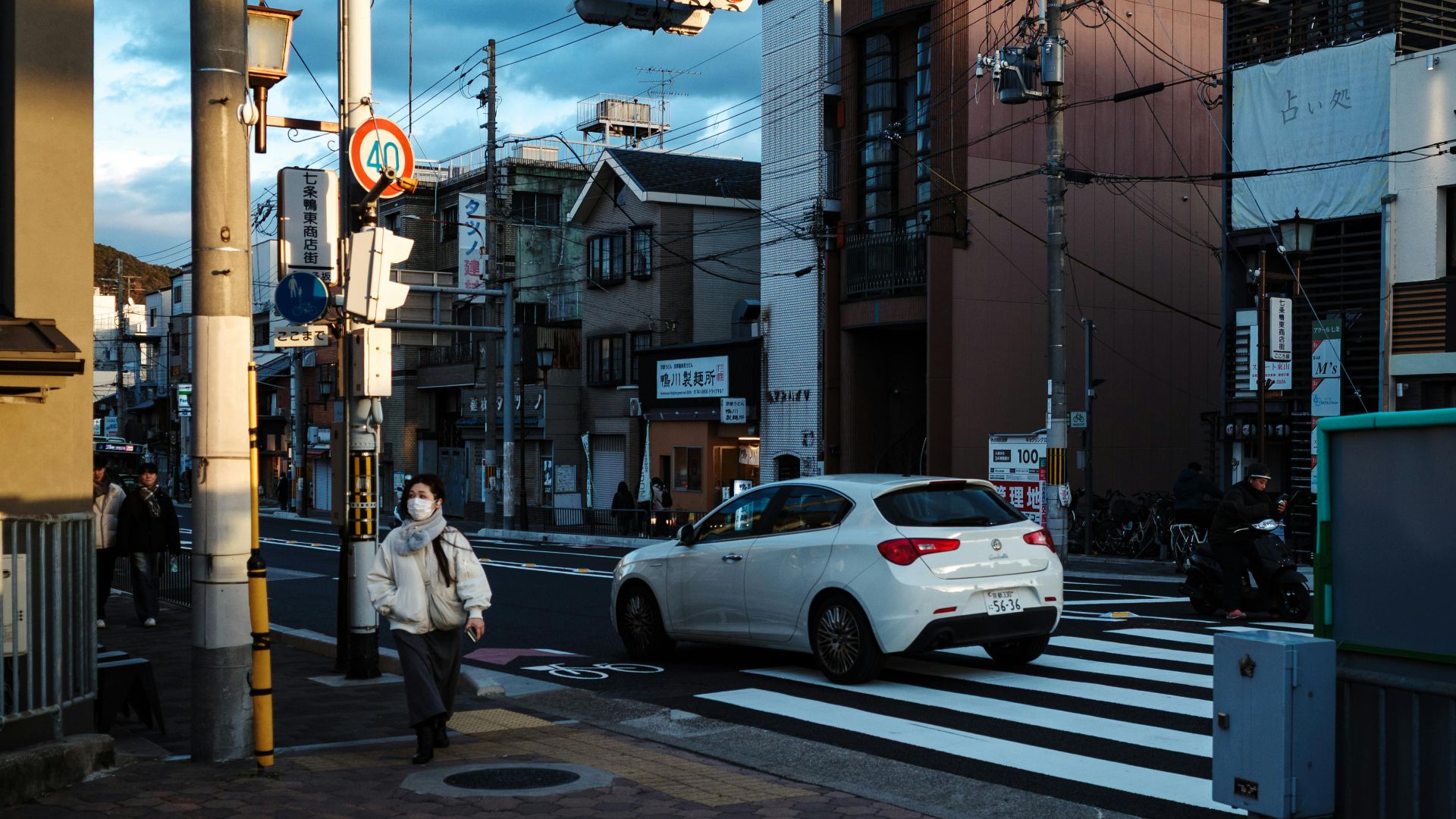
Left-side driving continues to guide the structure of Japan’s transport network. Road signs and traffic lights support this pattern and help residents and visitors navigate cities with ease. Several nations share this approach, including the United Kingdom, Australia, and parts of Southeast Asia, which places Japan within a wider network of left-driving regions.
The choice supports tourism as well, since travelers from those countries adjust easily to familiar road patterns. Japan’s system also stands as a reminder that transportation habits rarely appear out of thin air. Centuries of culture, foreign collaboration, and modern planning worked together to create the flow seen on its roads today.