

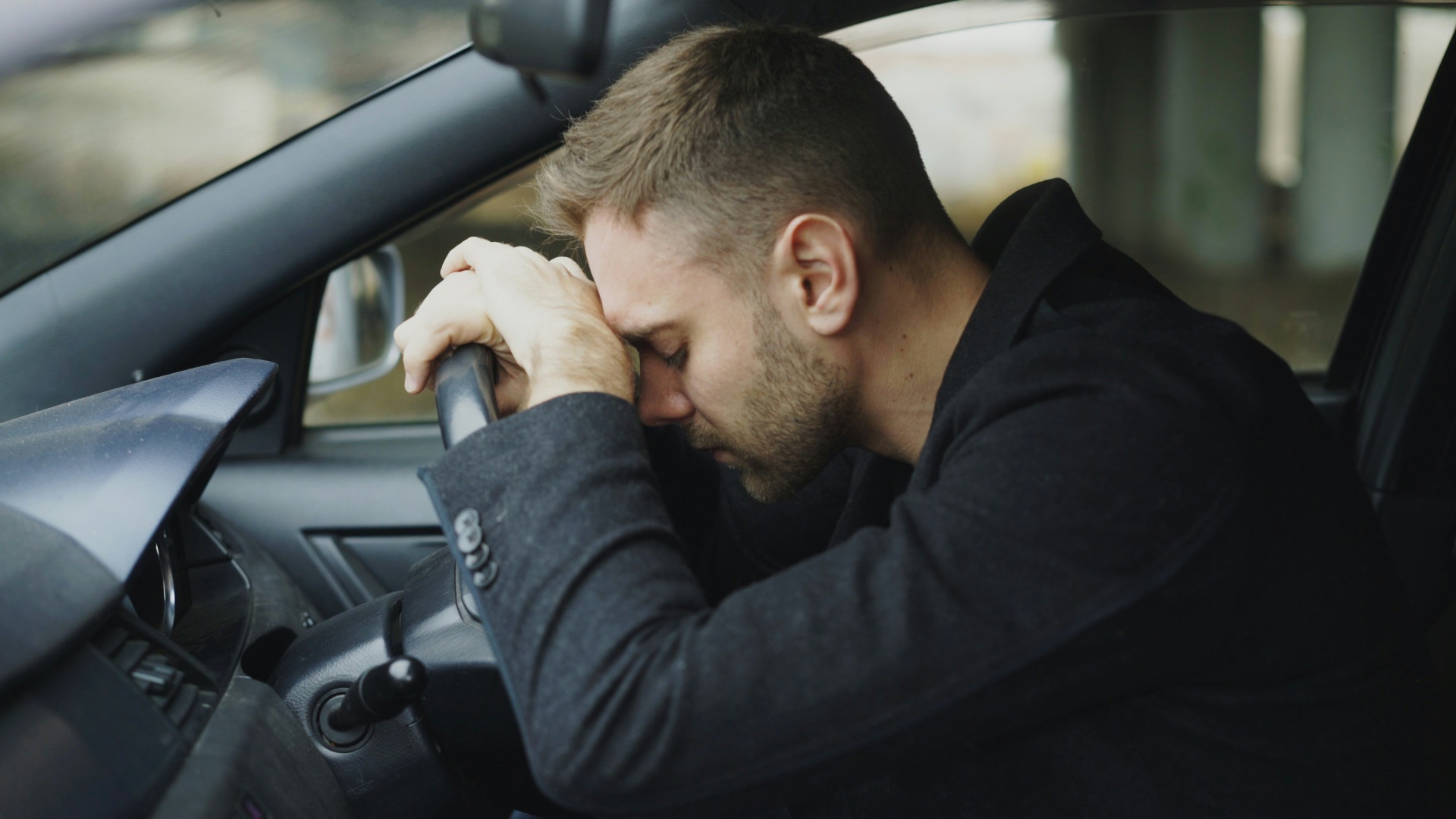
As you get ready for work this morning, you feel a tickle in your throat. Someone in the house has been down with the flu, and you're probably just catching the germs now. But no worries; you'll just take some cough medicine before you head out. You do this all the time when you feel like you're coming down with something, so what's the worst that could happen?
Scenarios like the example above are far more common than you think, and it's why many drivers don't know they're potentially putting their own life—and many others—at risk until the unthinkable happens. In fact, according to a 2025 survey conducted by the American Academy of Sleep Medicine, 41% of drivers revealed that they have felt so sleepy it affected their ability to drive safely. To put that number into perspective, that's more than 1 million US drivers who fall asleep at the wheel each month, contributing up to 20% of all fatal crashes and injuries. That begs the question: How come something so preventable can happen so frequently?
Shifts in Circadian Rhythms
Our body's internal clock follows a simple system: when it's bright, we're alert, when it's dark, we're asleep. Or at least, that's how it's supposed to be, and what our circadian rhythms expect. But when we stray from this schedule, that's when things can go awry.
According to the National Highway Traffic Safety Administration (NHTSA), accidents that involve drowsy driving are often associated with three common factors. One of them has to do with circadian rhythms: when people drive between the hours of midnight and 6AM, or during late afternoon, they're more likely to fall asleep at the wheel. The roads they drive on also matter. On rural roads and highways, people usually feel more sleepy.
Work isn't the only thing that might force people to drive when their internal clock thinks it's time to sleep. Parenthood or other changes in lifestyle can influence how much sleep you get each night, which can affect how sleepy you are the next morning and how alert you are behind the wheel. If this is the case, it's best to play it safe and avoid driving.
No Passengers
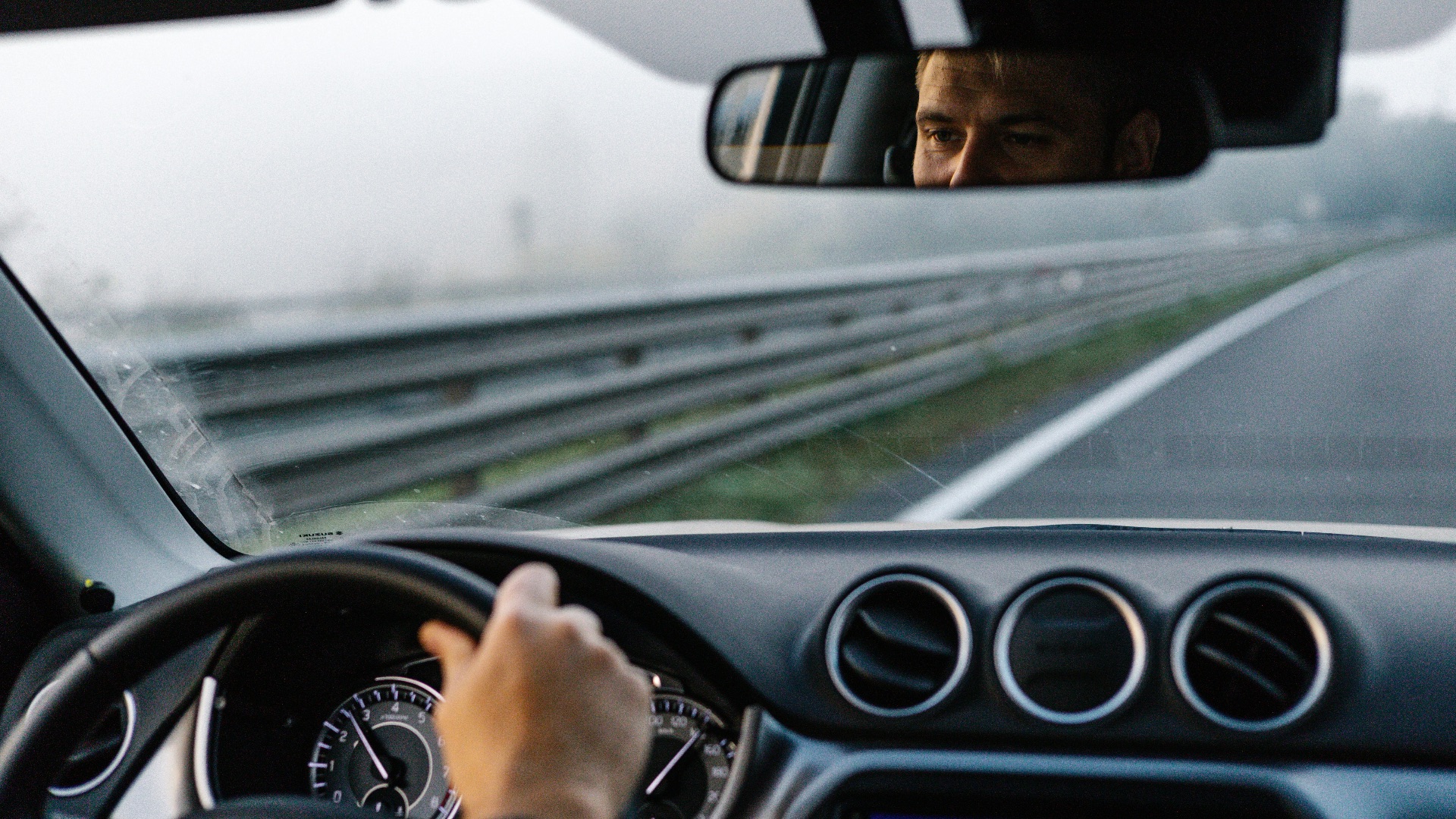
Another factor NHTSA mentions that can cause drowsy driving crashes is being behind the wheel with no other passengers. This is likely because when you're alone, your mind is more likely to drift off. When someone is in the car with you, conversations with them can help keep you alert.
There isn't always a clear-cut solution for this. After all, if you need to head to work, it's not always feasible to have someone else join you for the journey. However, whenever possible, it may be best to take public transit if you're feeling too drowsy to drive, or carpool with a coworker. That way, you can sleep a little more before clocking in, or stay alert at the wheel by driving another passenger.
Medications That Cause Drowsiness
Remember our example in the introduction? While most people can safely take medications and still drive, it's best to double-check. Some medications, including allergy and cold remedies, may make you too drowsy to drive safely. Always take time to scan through the labels on your medications to see if they might cause sleepiness. If you're unsure, or you're taking prescription medications, chat with your primary care doctor.
Another thing to keep in mind is that the medications you take might not cause immediate drowsiness. This may lead you to believe that it's okay to drive, only for fatigue to set in while you're still on the road. Instead of overestimating your abilities and tolerance, keep note of how your medications affect you, and adjust what times you take them if they make you drowsy.
Tips for Driving Safely and Staying Alert
The NHTSA has a few tips for driving safely and staying alert behind the wheel. These include:
- Getting enough sleep. It's recommended that adults get at least seven to nine hours of shut-eye each night. This is even more important if planning a long family road trip. Not getting enough rest before getting behind the wheel can put everyone's lives at risk.
- Teens may also be especially vulnerable, as they're both new to driving and may not get enough sleep each night. Make sure to advise them that they need to be well-rested before getting behind the wheel.
- Never drive under the influence. This includes medications that cause drowsiness as well as alcohol or drugs that cause impairment. For medications, remember to always check labels to see if drowsiness is a side effect; if it is, take public transit when possible.
- Avoid driving between midnight and 6AM and late afternoon, as these periods are when your circadian rhythm dips and you may feel sleepy. If you must drive, stay vigilant, especially on highways and rural roads, and especially if you're driving alone. If you feel drowsy at any point, pull over and take a short nap.
Above all, no matter what it is you're getting behind the wheel for, no commitment is worth putting your own life, and the lives of others, at risk. Drowsy driving is preventable, and as long as you do your part, our roads can stay safe.