This Is The World's Deadliest Road & Why No One Has Fixed It
 Hph at de.wikipedia on Wikimedia
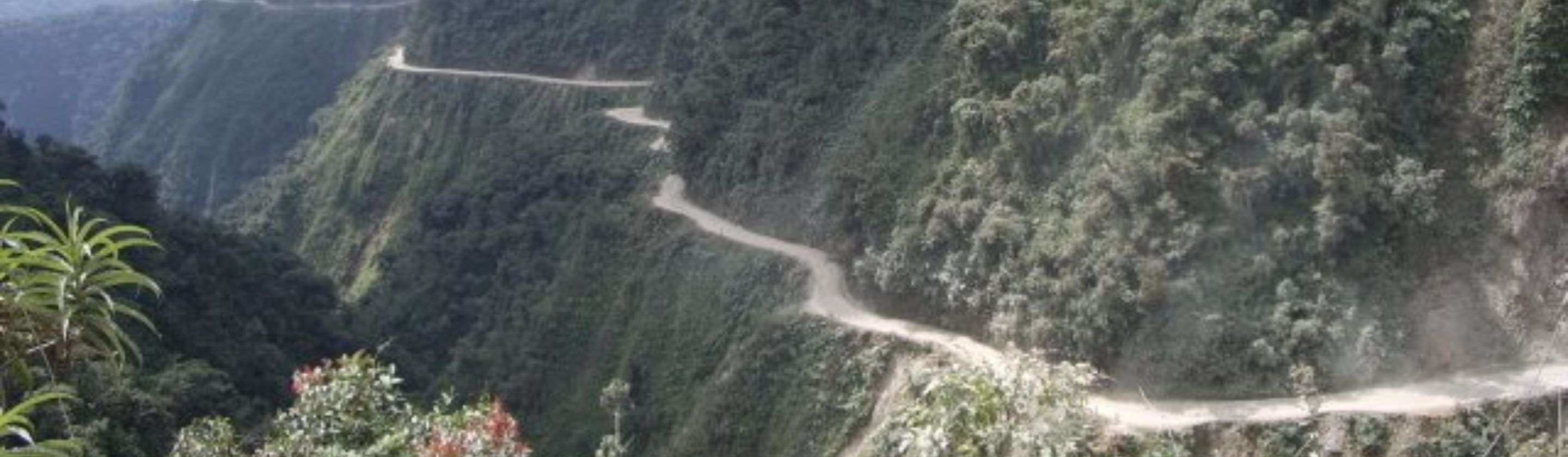
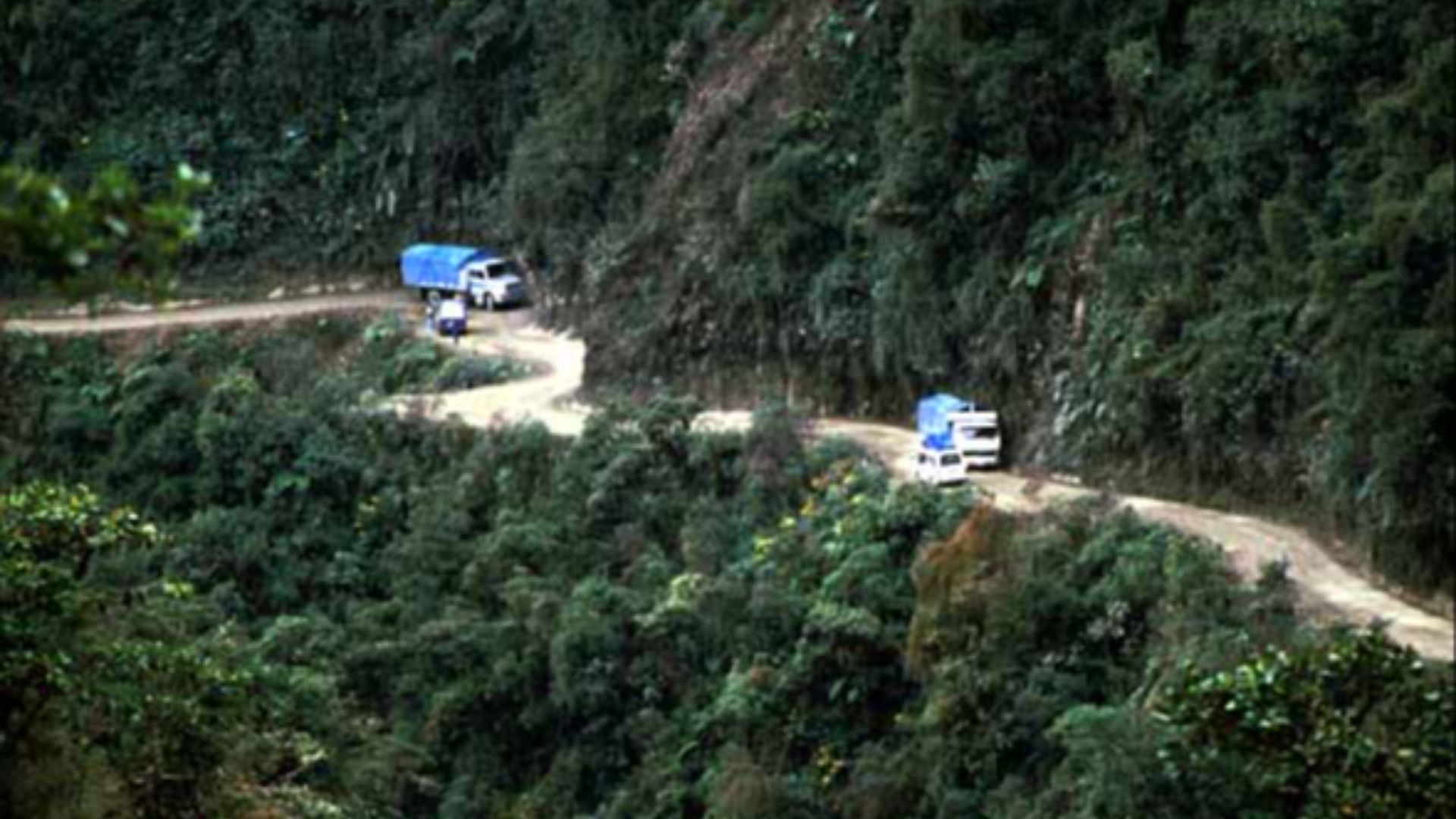
Bolivia’s North Yungas Road, aptly nicknamed Death Road, is considered the most dangerous road in the world. Officially, it links the high-altitude area near La Paz with the Yungas region, dropping thousands of feet through steep Andean terrain. For decades, it was infamous for narrow lanes, fog, rain, landslides, waterfalls, loose surfaces, and cliffs with very little room for driver error. At its worst, it was often cited as the world’s most deadly road, with estimates of hundreds of fatalities a year during its peak use.
The road was effectively replaced after a safer, paved bypass highway was completed in 2006, which meant it no longer had to carry most everyday traffic between La Paz and Coroico. But, because humans have a morbid curiosity, the old Death Road remains in place as a tourist attraction and a major mountain-biking route for thrill-seekers.
The Road Was Built Where Roads Barely Belong
North Yungas Road was built in the 1930s to connect La Paz with Bolivia’s northern Yungas region and the Amazon basin. Parts of the route were constructed by Paraguayan prisoners during the Chaco War. The route had to cut through mountains, cloud forest, and steep slopes because the geography offered few easy options. It wasn’t designed as a scenic thrill ride; it was a rough connection through extremely difficult terrain.
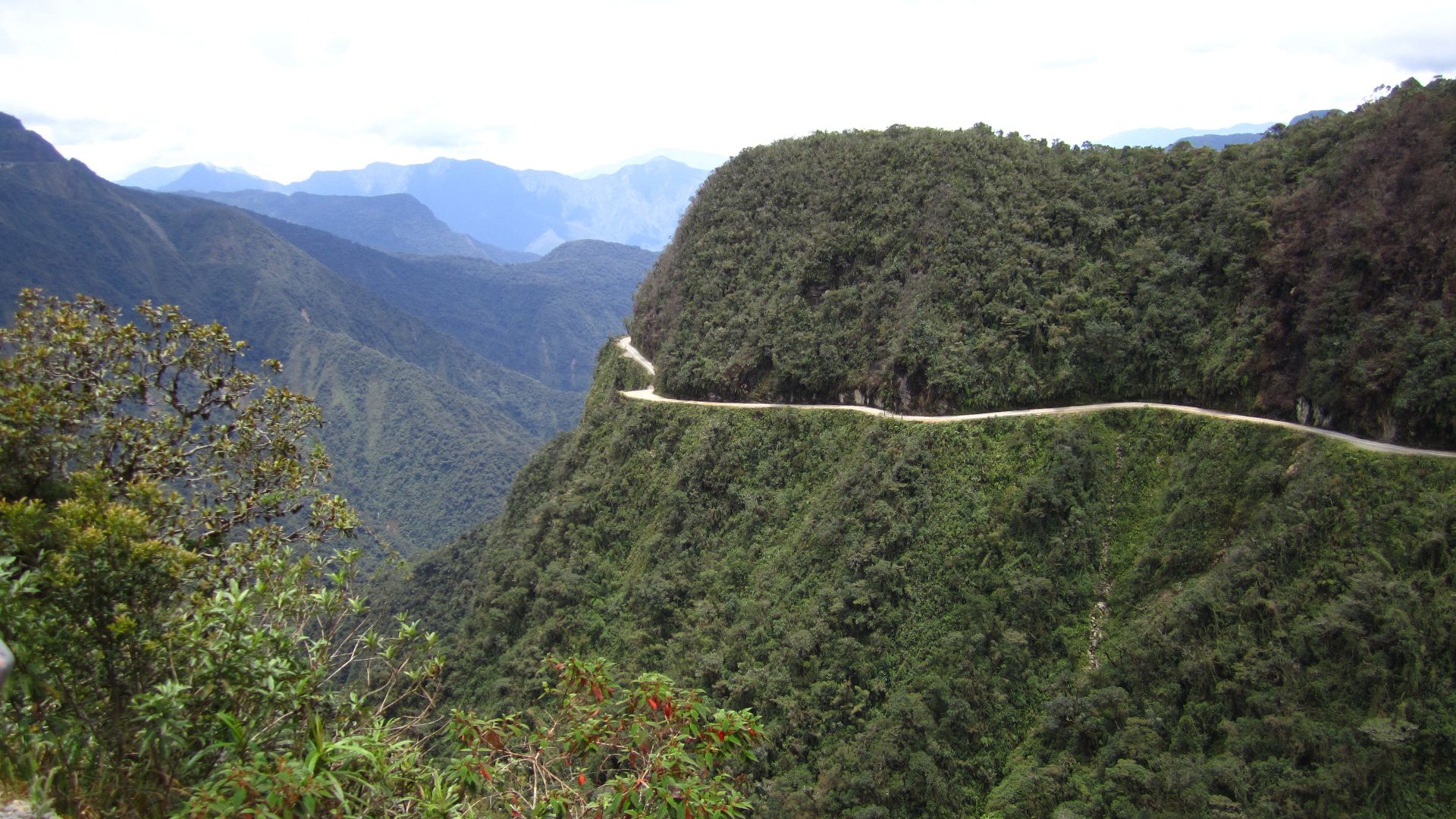
What made the road so deadly was the combination of danger stacked on danger. In some places, the road was only about 10 feet wide, with sheer drops and no meaningful shoulder. Fog could hide the edge, rain could turn surfaces slick, and landslides or falling rocks could change the road without much warning. A driver didn’t need to make a dramatic mistake to be in real trouble.
The road’s layout also forced unusual driving habits. Unlike most roads in Bolivia, traffic on parts of the Yungas Road used left-hand driving so drivers could better judge the cliff edge from the driver’s side. When the traffic rule itself has to adapt to the possibility of falling off a mountain, you know it's a dangerous route.
For Years, People Didn’t Have a Better Choice
The reason Death Road stayed important for so long is painfully simple: people needed it. For many years, it was one of the main links between La Paz and the Yungas region, which meant passengers, workers, goods, and drivers had to use it despite the danger. Roads aren't just strips of pavement; in mountainous countries, they can be lifelines. Even a terrifying route may remain essential when the alternative is isolation.
That necessity made accidents especially devastating. The road became known for buses and trucks plunging into ravines. One of Bolivia’s worst road disasters happened in 1983, when a bus fell from the Yungas Road and killed more than 100 passengers. Before safer alternatives reduced traffic, the route was associated with extremely high fatality estimates, often reported at around 200 to 300 deaths per year in its most dangerous era. Those numbers helped cement its global reputation.
Fixing the original route was never as simple as adding paint and a few signs. Widening a cliff road through unstable mountain terrain can mean blasting rock, managing landslides, building drainage, and protecting slopes that are already prone to collapse. Heavy rain, steep grades, and remote access make construction harder and more expensive. In a place like this, engineering doesn’t just fight potholes; it fights geology.
The “Fix” Became a Replacement
 Alicia Nijdam from Cordoba, Argentina on Wikimedia
Bolivia eventually addressed the problem by building a newer road rather than fully transforming the old one. The replacement route, completed after years of work, includes modern improvements such as two lanes, asphalt paving, drainage, bridges, and guardrails. That made regular travel much safer and reduced the old route’s role as a daily transportation corridor. In practical terms, the answer was not to tame Death Road completely, but to bypass its worst dangers.
That explains why people still ask why it hasn’t been fixed. The old road is still there, still narrow, still dramatic, and still marketed under the name Death Road. But its purpose has changed. Instead of carrying large amounts of everyday vehicle traffic, it now attracts adventure tourists, especially cyclists, who come specifically because of its reputation.
That doesn’t mean the old road is harmless. Accidents have still occurred. Over 18 cyclists have died on the road since 1998, meaning the road isn't really even fit for bikes, let alone two lanes of traffic. Even with guides, helmets, and reduced vehicle traffic, the cliffs and terrain haven’t become friendly.
There’s also a strange afterlife to the road’s danger. Once most traffic moved away, the old corridor reportedly became quieter, and wildlife began returning to areas once dominated by vehicles. Mongabay reported that Bolivia’s former Death Road has become a haven for wildlife after losing its role as the main route north from La Paz. In a rare twist, a road once famous for death becoming better known, at least ecologically, for life.