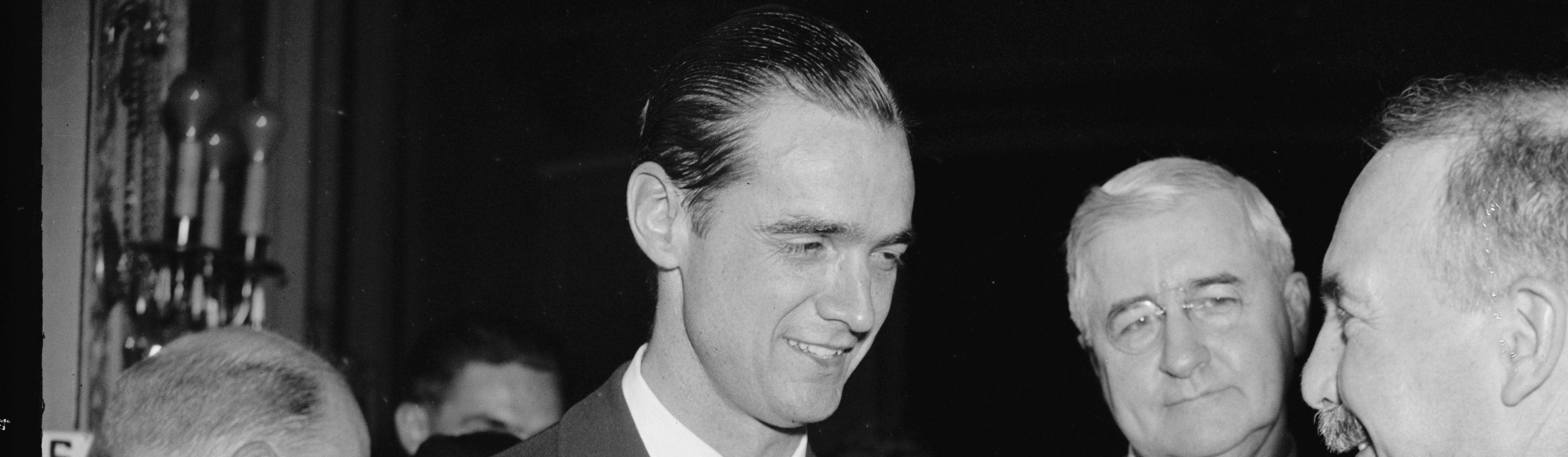
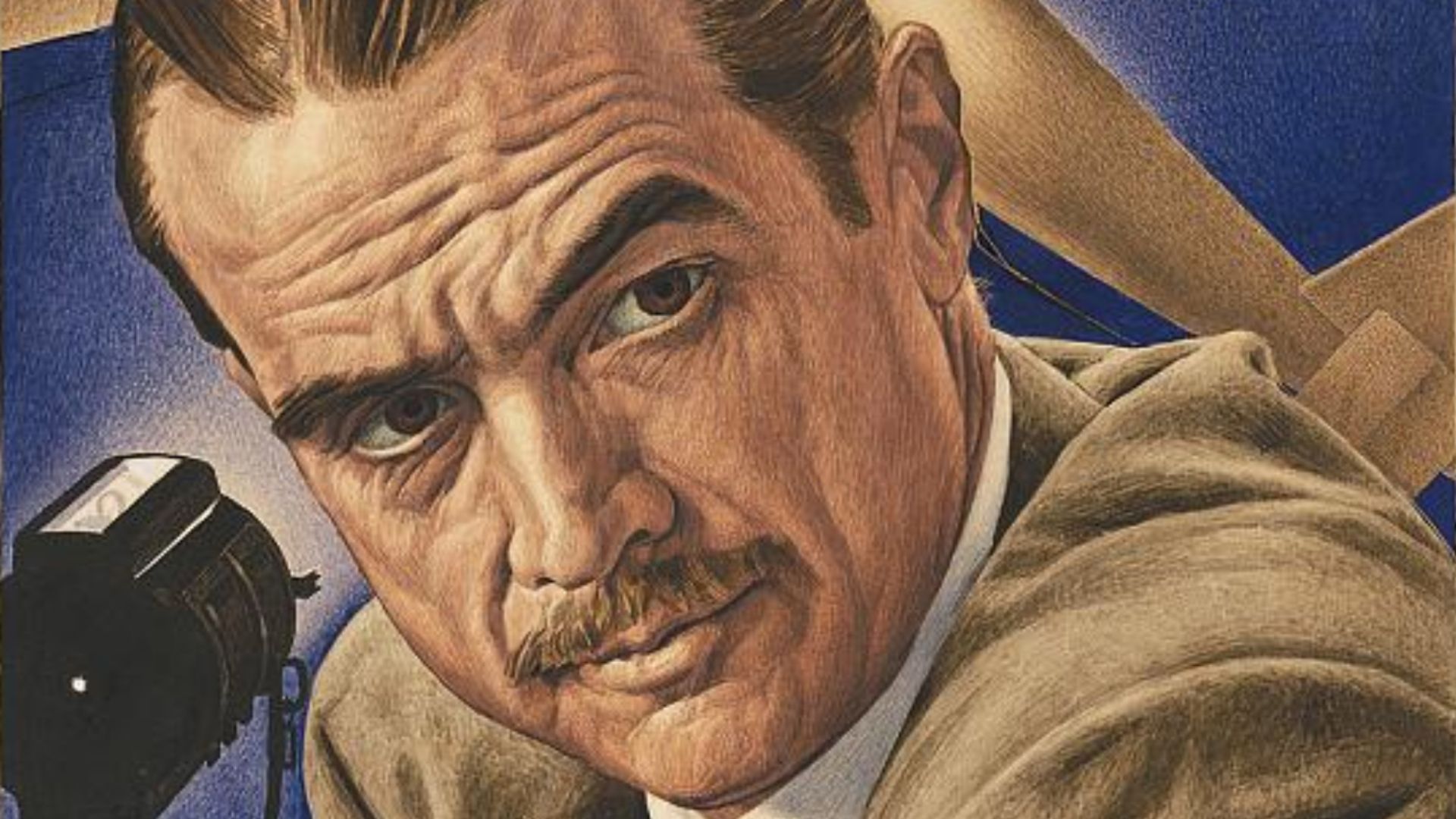
Howard Hughes was a man who refused to live within limits. A man who reshaped both aviation and Hollywood, he represented the relentless energy of an America racing toward modernity. However, his story isn’t just about success or failure. It’s about the fragile edge where genius turns inward, and brilliance begins to consume itself.
So, let’s look closer at how one man tried to conquer the sky, the screen, and his own mind.
The Rise Of A Visionary
In the 1920s, when aviation was still learning to crawl, Hughes arrived with an obsession for flight that bordered on spirituality. He wasn’t a typical businessman who saw profit in engines and wings—he saw beauty. His H-1 Racer was a sculpted art piece in metal, as every rivet mattered, and every curve served a purpose.
The same philosophy followed him into Hollywood. His first major film, Hell’s Angels, nearly bankrupted him. He spent years reshooting scenes, waiting for perfect skies, inventing camera rigs to capture what no one else dared attempt. When it finally premiered, it changed filmmaking forever. Audiences weren’t just watching planes—they were inside them, feeling every turn and dive.
Yet for Hughes, success was never enough. Every triumph fed a deeper hunger, a need to control more, perfect more, and build higher. That hunger would soon turn inward.
Between Genius And Isolation
As Hughes grew older, his world became smaller. After surviving a near-fatal plane crash in 1946, his injuries lingered, but it was his mind that fractured. Painkillers and perfectionism merged into something darker. He became increasingly withdrawn, hiding in hotel suites and sealed rooms. Cleanliness turned to compulsion, and privacy became isolation.
Still, he remained one of the most powerful men in America. He bought airlines, directed government projects, and kept shaping the future of flight. His company, Hughes Aircraft, helped pioneer radar and satellite technologies that would later fuel the Space Age. But even as his vision pushed humanity forward, his mind trapped him in cycles of fear. He washed his hands until they bled and spoke only through notes slipped under doors.
To the public, he was a mystery—part recluse, part legend. Newspapers speculated wildly, yet few grasped the truth: Hughes wasn’t retreating out of arrogance but out of exhaustion. He had reached a point where control, once his superpower, had become his prison.
A Legacy Too Complex To Contain
Howard Hughes died in 1976, alone in a plane he didn’t pilot. Looking back now, it’s hard not to see Hughes as both a warning and an inspiration. He once said, “Do the impossible, because almost everyone has told me my ideas are merely fantasy.” He did the impossible—again and again—but it cost him everything.
And perhaps that’s the real legacy of The Aviator: a man who showed that flight, in every sense, comes with turbulence—but those who dare still change the sky forever.
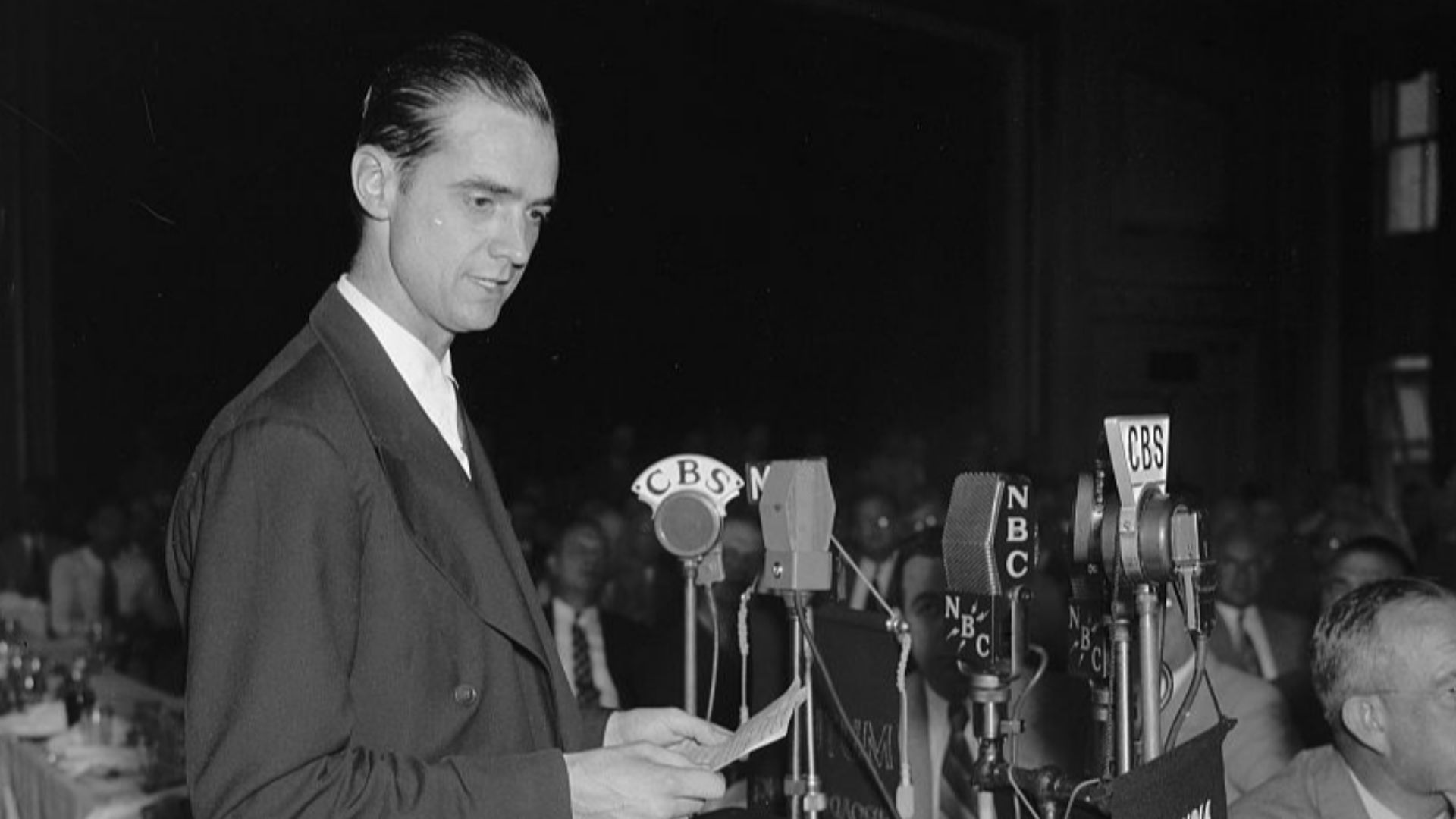 Harris & Ewing, photographer on Wikimedia