It's 1907 in Chicago, and a savvy businessman named John Hertz is running a car dealership. He's got a problem, though—a fleet of used cars that nobody wants to buy. Instead of taking a loss, Hertz has a brilliant idea: why not rent them out as taxis?
But here's where it gets interesting. Hertz wasn't content with just launching another cab company. He wanted his taxis to stand out in the crowded streets of Chicago, to be instantly recognizable from blocks away.
The Man Who Changed Transportation Forever
So Hertz did something that might seem obvious now, but was revolutionary then—he reportedly based his decision on a study from the University of Chicago that found yellow to be the most visible color from a distance. The answer came back decisively: yellow. It wasn't even close.
Yellow could be spotted more easily and faster than any other color, especially in the fog, rain, and dim lighting conditions that plagued early 20th-century city streets. In 1915, Hertz painted his entire fleet yellow, and the Yellow Cab Company was born. The decision was purely practical, rooted in safety and visibility.
Why Yellow Actually Works
There's genuine science behind why yellow became the taxi standard, and it goes beyond that original University of Chicago study. The human eye is most sensitive to wavelengths in the yellow-green spectrum, meaning we process these colors faster than others. In the chaos of urban traffic, those milliseconds matter. A pedestrian can spot a yellow cab significantly quicker than a blue, red, or black vehicle.
Yellow also has exceptional contrast against most urban backgrounds. Think about typical city environments—gray asphalt, concrete buildings, dark-colored personal vehicles. Yellow cuts through all of it like a beacon. This visibility serves multiple purposes: it helps passengers flag down cabs more easily, alerts other drivers to the taxi's presence, and may even deter crimes.
The Global Yellow Takeover
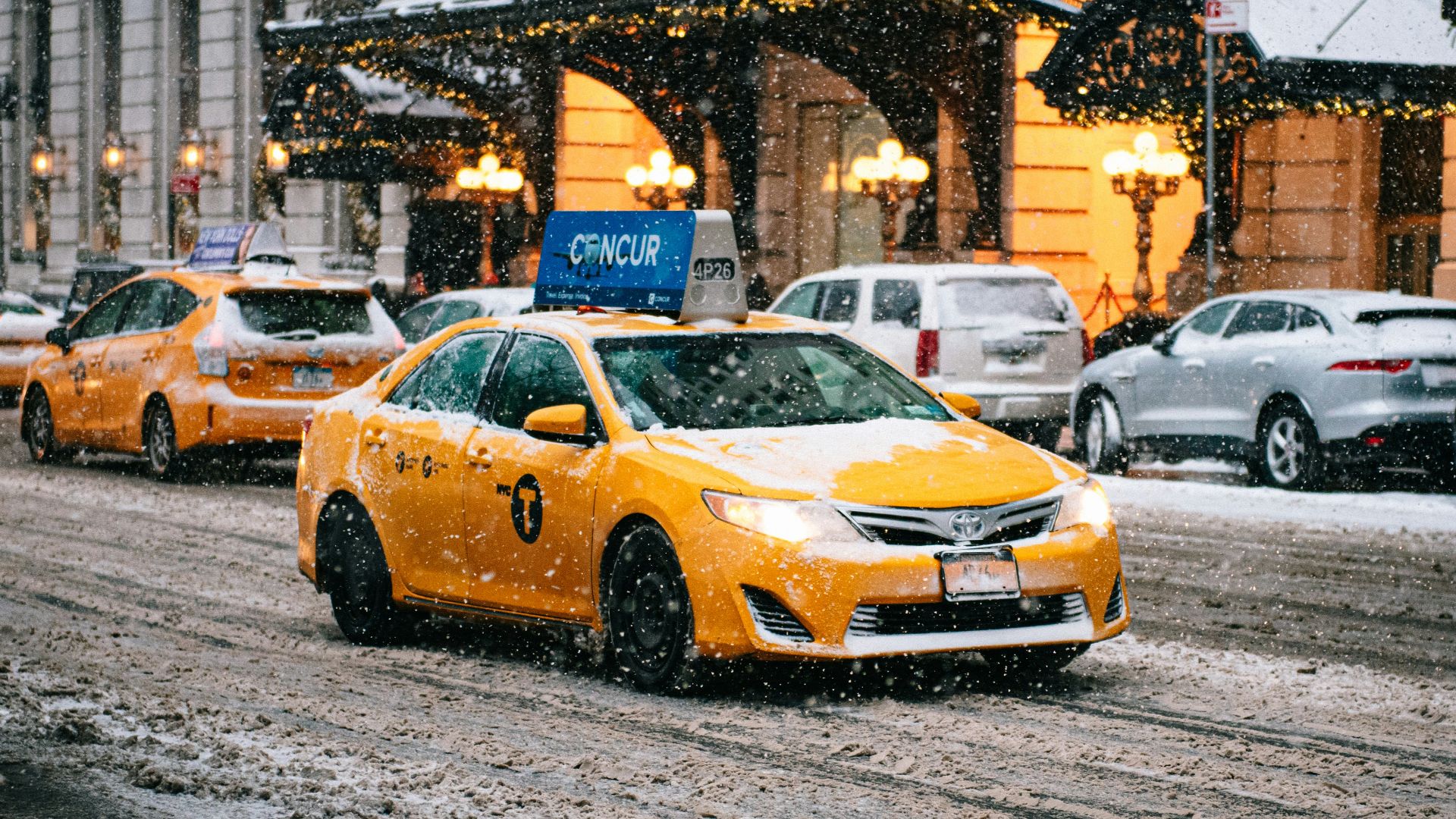
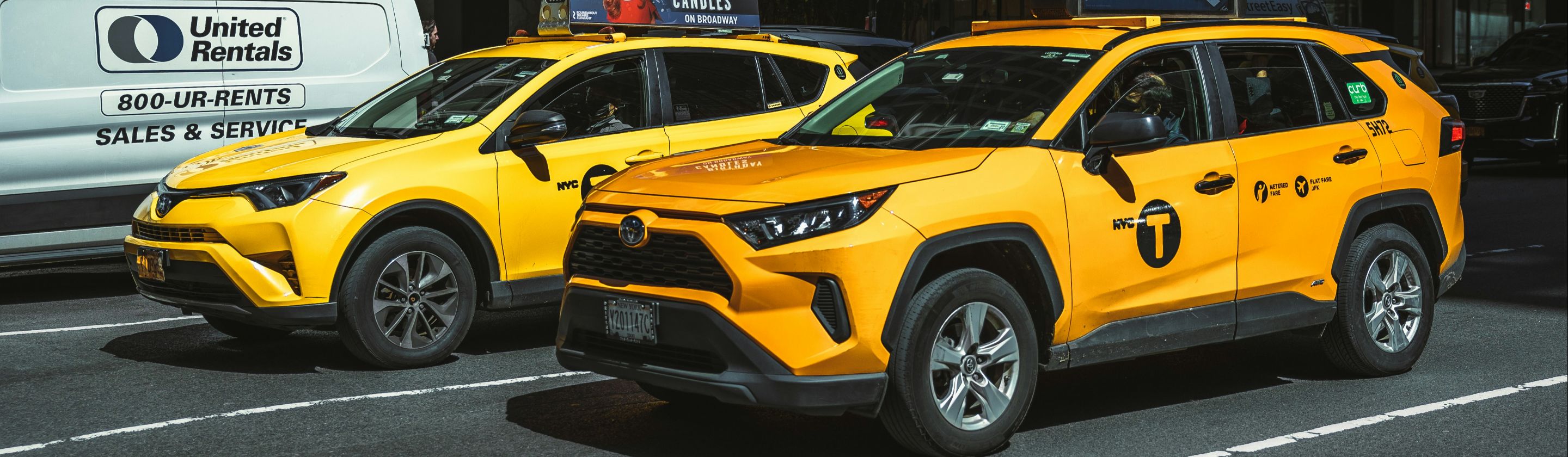
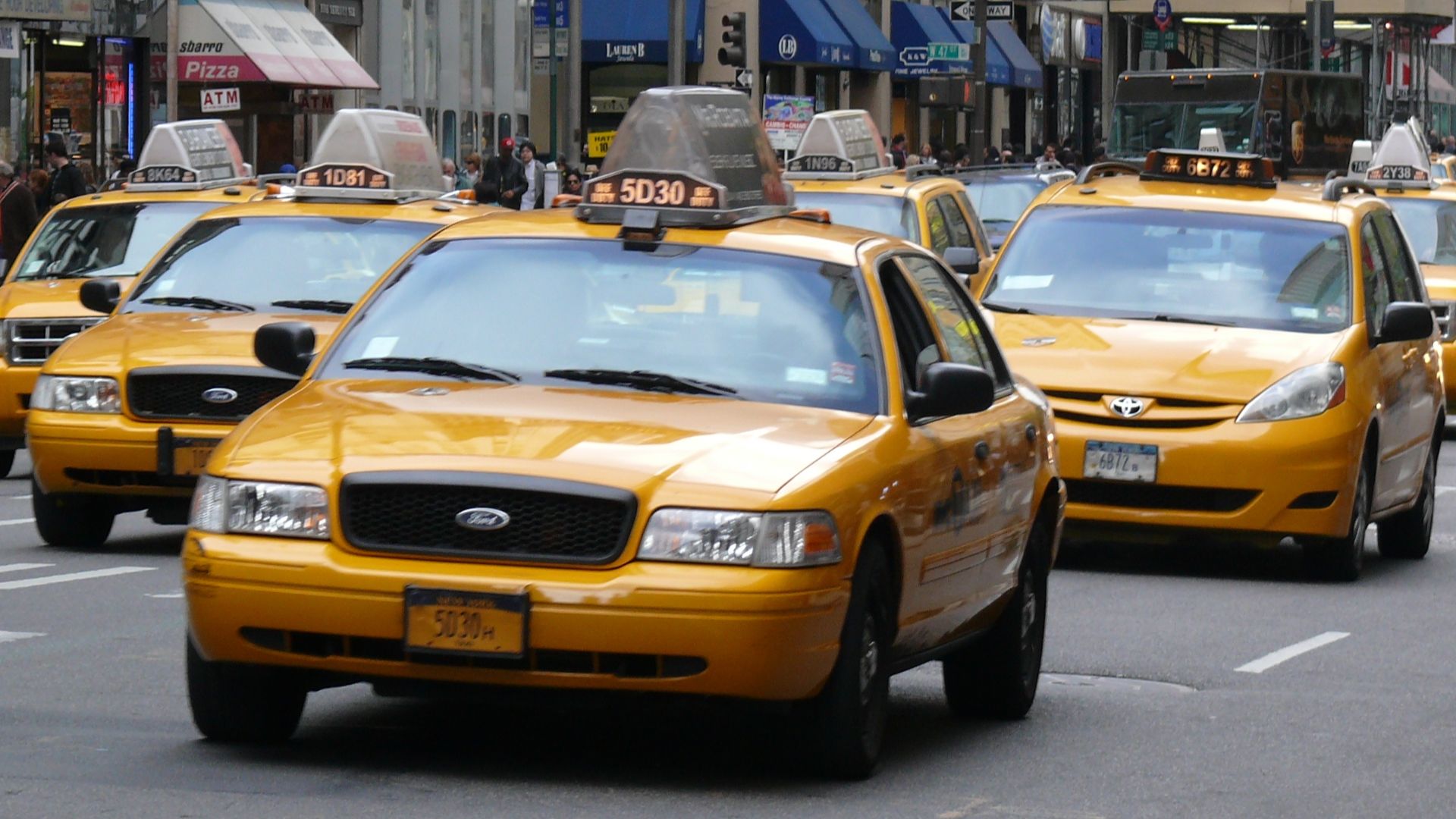
After Hertz's success, the yellow taxi phenomenon spread like wildfire. New York City, which would become synonymous with yellow cabs, officially required all taxis to be painted yellow in 1967. The regulation came after years of various colored cabs creating confusion for tourists and locals alike. City officials recognized what Hertz had proven decades earlier.
Today, yellow taxis dominate cities across America and have become cultural icons from countless movies and photographs. While not every country adopted yellow (London famously stuck with black cabs, and Tokyo uses various colors), the practice became standard in many other cities worldwide.
Some places have modified the tradition slightly—Dubai uses cream-colored taxis, and some cities now allow other bright colors like green or orange—but the underlying principle remains the same: high visibility equals safety and efficiency.
That decision by John Hertz, building on prior innovations and backed by university research and practical thinking, helped establish a global standard that remains in effect today. Every time you spot that familiar yellow cab, you're seeing over a century of transportation history in action.