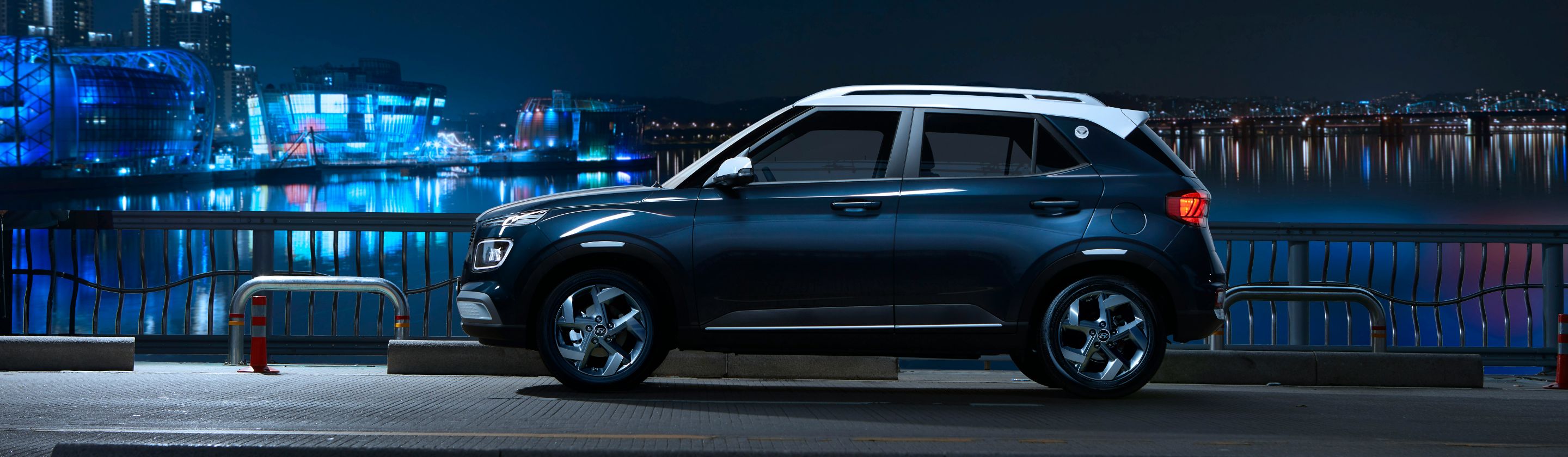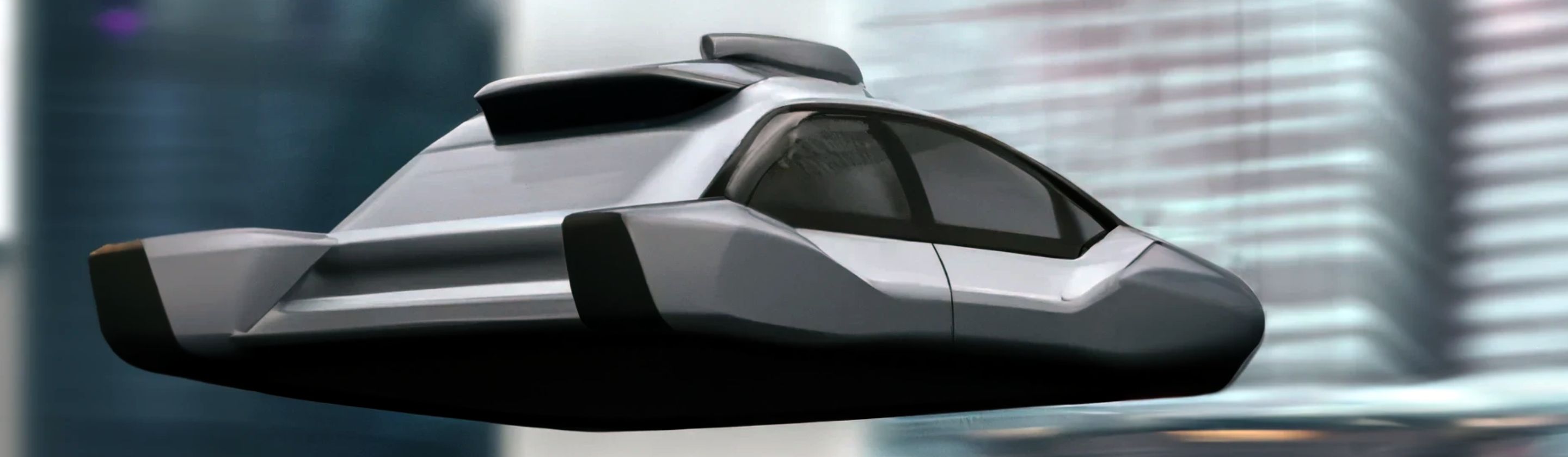
Stuck in traffic again? Imagine soaring above it all instead. Flying cars represent our escape from gridlock hell. They promise freedom but might create chaos at higher altitudes. The tech exists now, and the question is what happens after takeoff.
Sky-High Promise Of Aerial Urban Mobility
The dream of flying cars has taken over our imagination since the 1920s. Today, this vision is materializing through electric vertical takeoff and landing vehicles (eVTOLs) designed by companies like Joby Aviation, Archer, and Lilium. These are purpose-built aircraft resembling oversized drones.
When it comes to making our lives easier and more efficient, the sky is the limit. According to INSPI, air taxis could significantly reduce commute times, especially in congested urban areas. The three-dimensional nature of airspace offers virtually unlimited "lanes" compared to roads.
Moreover, flying cars could significantly alter our infrastructure needs. It is estimated that the U.S. will require billions of dollars in road repairs alone. In contrast, air mobility requires minimal physical infrastructure, just takeoff and landing pads.
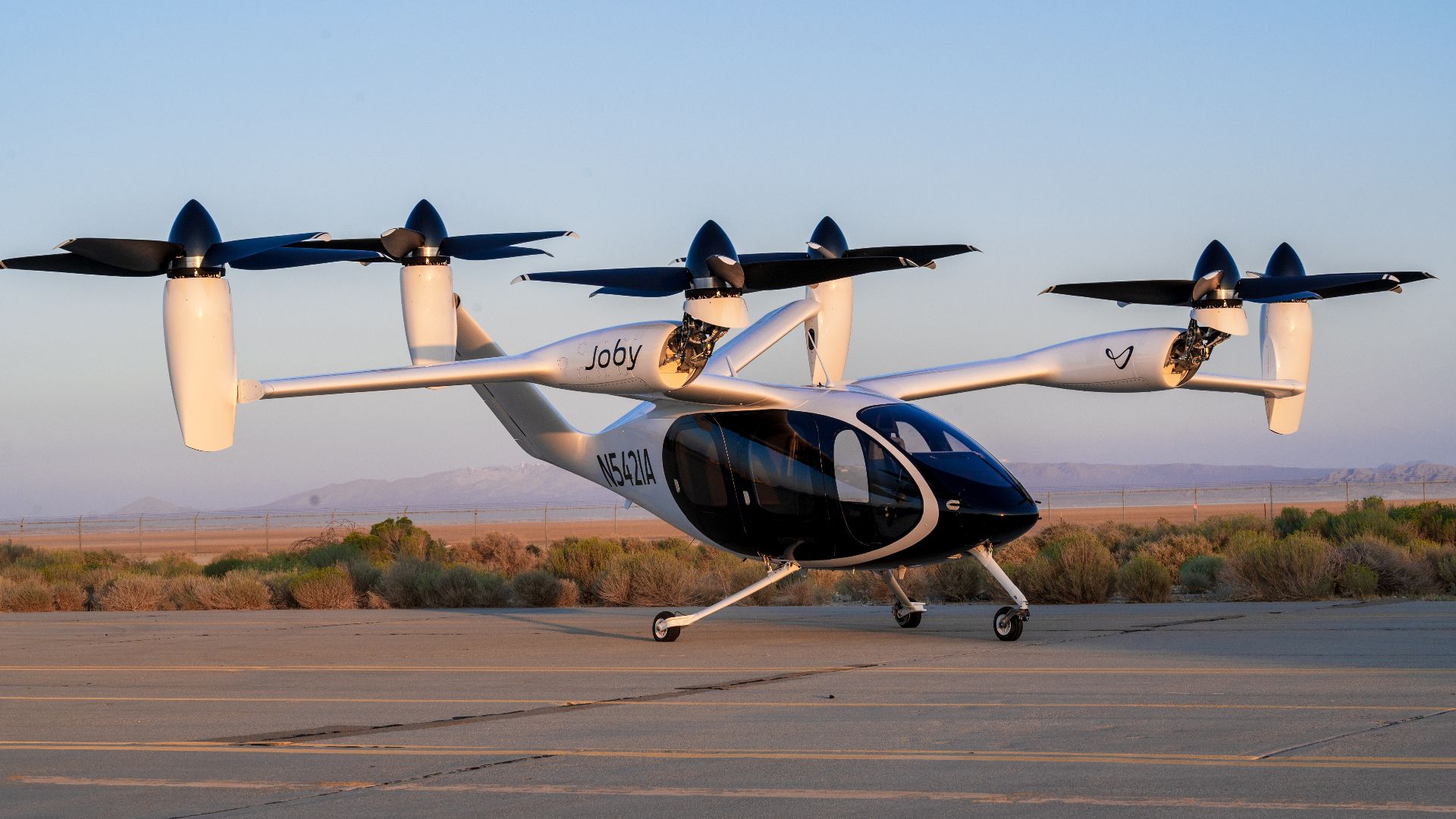 Harlan Huntington on Wikimedia
Technological Hurdles And Growing Pains
Despite their promise, many challenges remain. Battery technology represents the biggest obstacle. Current batteries provide most eVTOLs with ranges of only 50–150 miles and require substantial recharging time. Joby Aviation's S4, one of the most advanced prototypes, manages just 150 miles on a charge.
Safety considerations are equally daunting. Unlike conventional aircraft that spend most of their time at cruising altitude, eVTOLs will operate primarily in complex low-altitude environments full of buildings, power lines, and unpredictable weather patterns. The FAA is still developing comprehensive regulations for this entirely new class of vehicles.
Noise pollution presents another obstacle. While quieter than helicopters, a dense network of air taxis could probably give rise to noise levels that exceed WHO recommendations in urban environments and end up facing community resistance.
The Messy Reality Of Three-Dimensional Traffic
If technological hurdles are overcome, the implementation challenges might prove even more vexing. Air traffic management systems would need a complete overhaul. The current air traffic control system handles approximately 45,000 flights daily across the entire United States. By contrast, a single metropolitan area could see hundreds of thousands of daily eVTOL movements in a fully realized flying car future.
This would require a new highly sophisticated automated traffic management system—what NASA calls "UTM" (Unmanned Aircraft System Traffic Management)—capable of handling this density safely. Such systems remain largely theoretical despite significant investment.
Perhaps most concerning is the potential for aerial congestion merely replacing ground congestion. Studies from transportation planners at UC Berkeley suggest that without proper pricing and regulation, we might simply shift traffic jams from highways to the skies—just at higher speeds and with greater consequences for accidents.
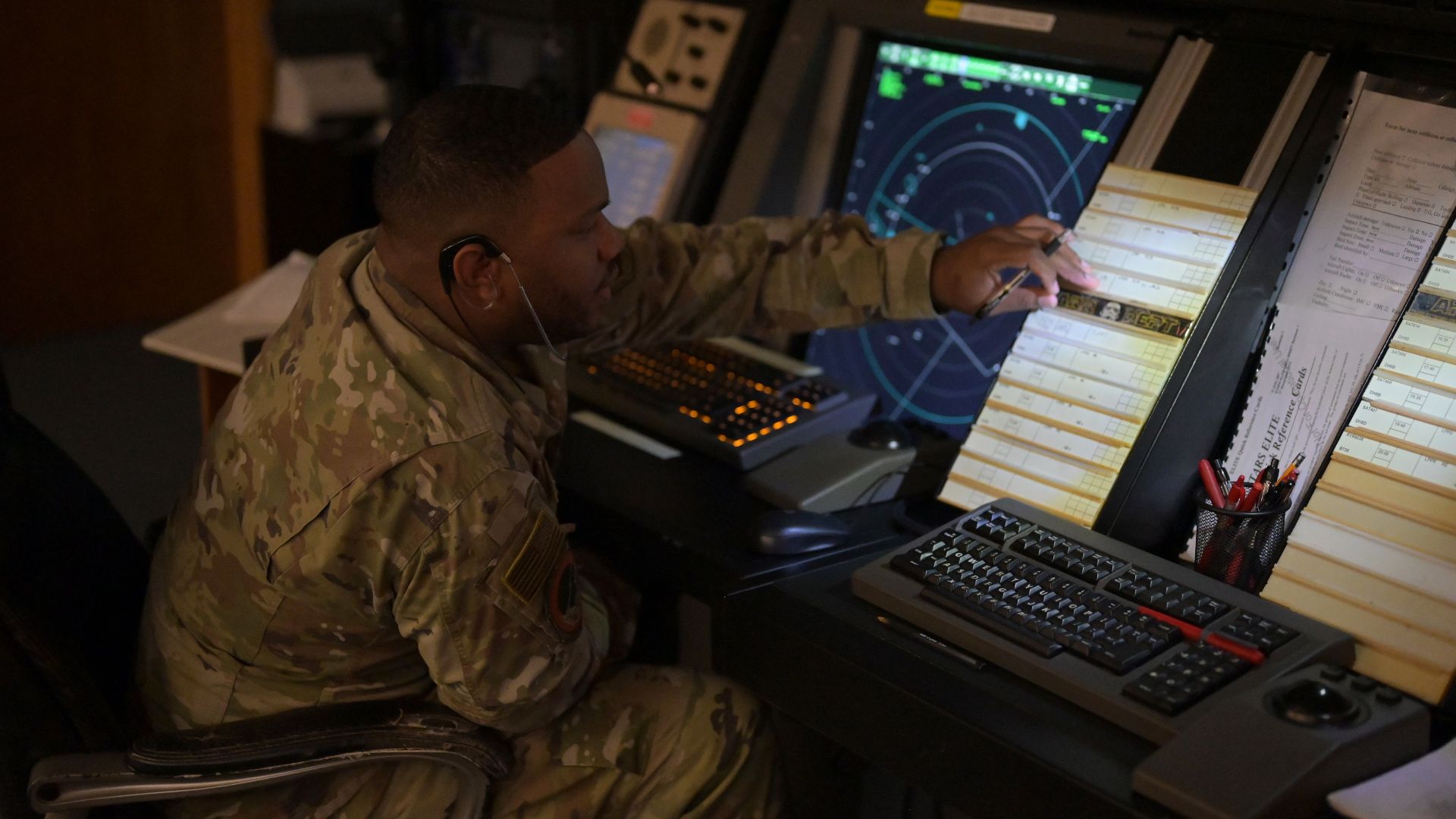 Senior Airman John Wright on Wikimedia