Missing The Legends
Hot Wheels has cast thousands of cars since 1968, but some incredible machines still haven't made the cut. We're talking about genuine automotive legends that deserve a spot on your shelf. There are JDM unicorns that defined an era. Rally monsters that conquered mountains. Hypercars pushing physics to the limit. Even quirky, oddball vehicles that made us smile. Let's have a look at 20 cars that somehow haven't made it into the Hot Wheels catalog yet.
 I Nyoman Adi Wiraputra on Unsplash
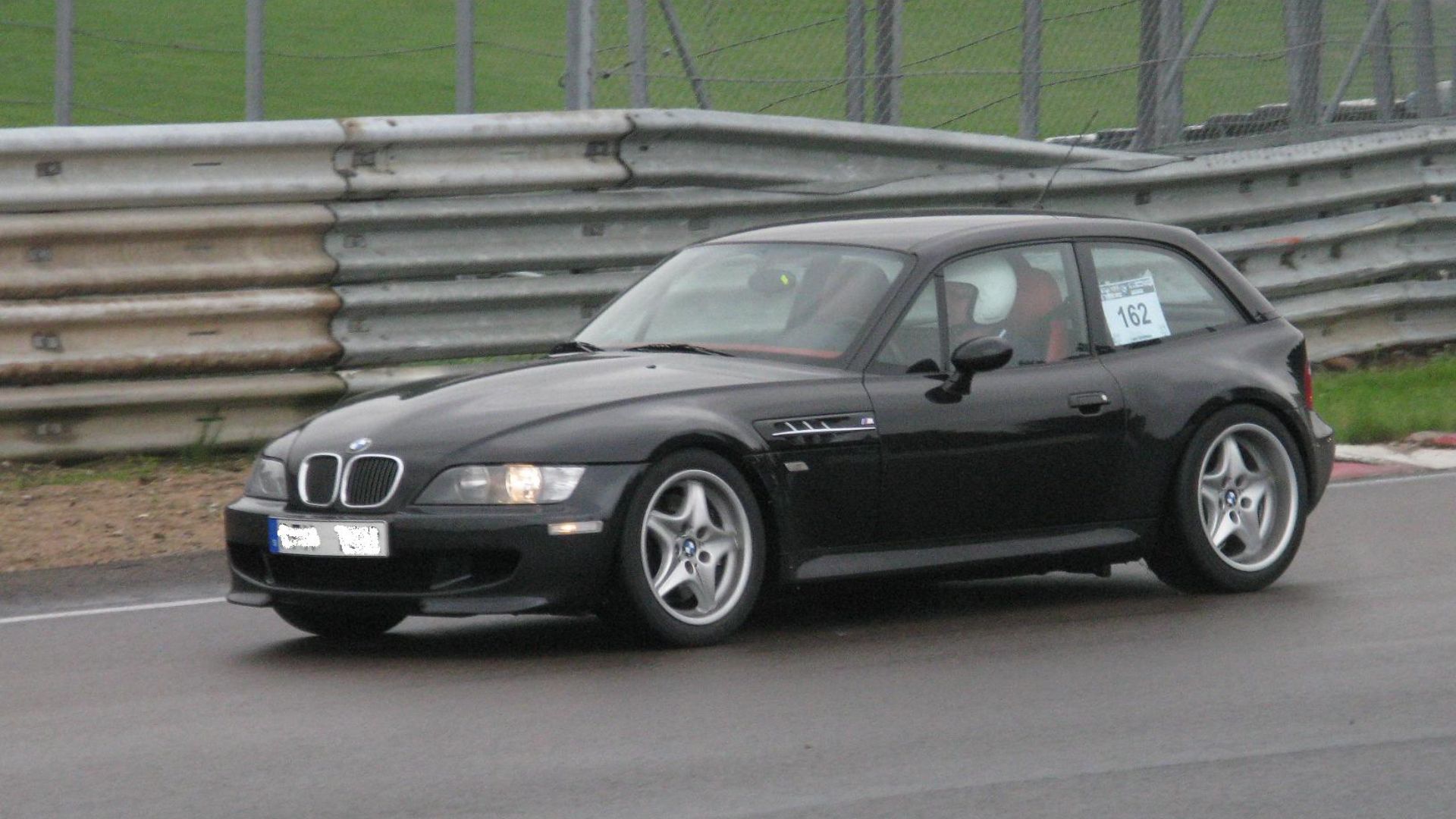
1. BMW Z3 M Coupe
Nicknamed the "clown shoe" for its quirky proportions, the Z3 M Coupe gained cult status after appearing as a chase vehicle in the 1999 James Bond movie titled The World Is Not Enough. This fixed-roof variant was produced from 1998 to 2002.
2. Eunos Cosmo
Let's talk about the first production car equipped with a triple-rotor rotary engine. Weighing about 3,600 pounds with a four-speed automatic transmission, it achieved 0–60 mph in around 6 seconds, blending comfort with sporty dynamics in a limited run of under 9,000 units.

3. Suzuki Cappuccino
The Suzuki Cappuccino provides agile handling with a 0–60 mph time of 8 seconds, making it ideal for urban driving yet curiously overlooked in Hot Wheels' micro-car selections. The Cappuccino's name references the small Italian coffee, mirroring its diminutive size.
 Tokumeigakarinoaoshima on Wikimedia
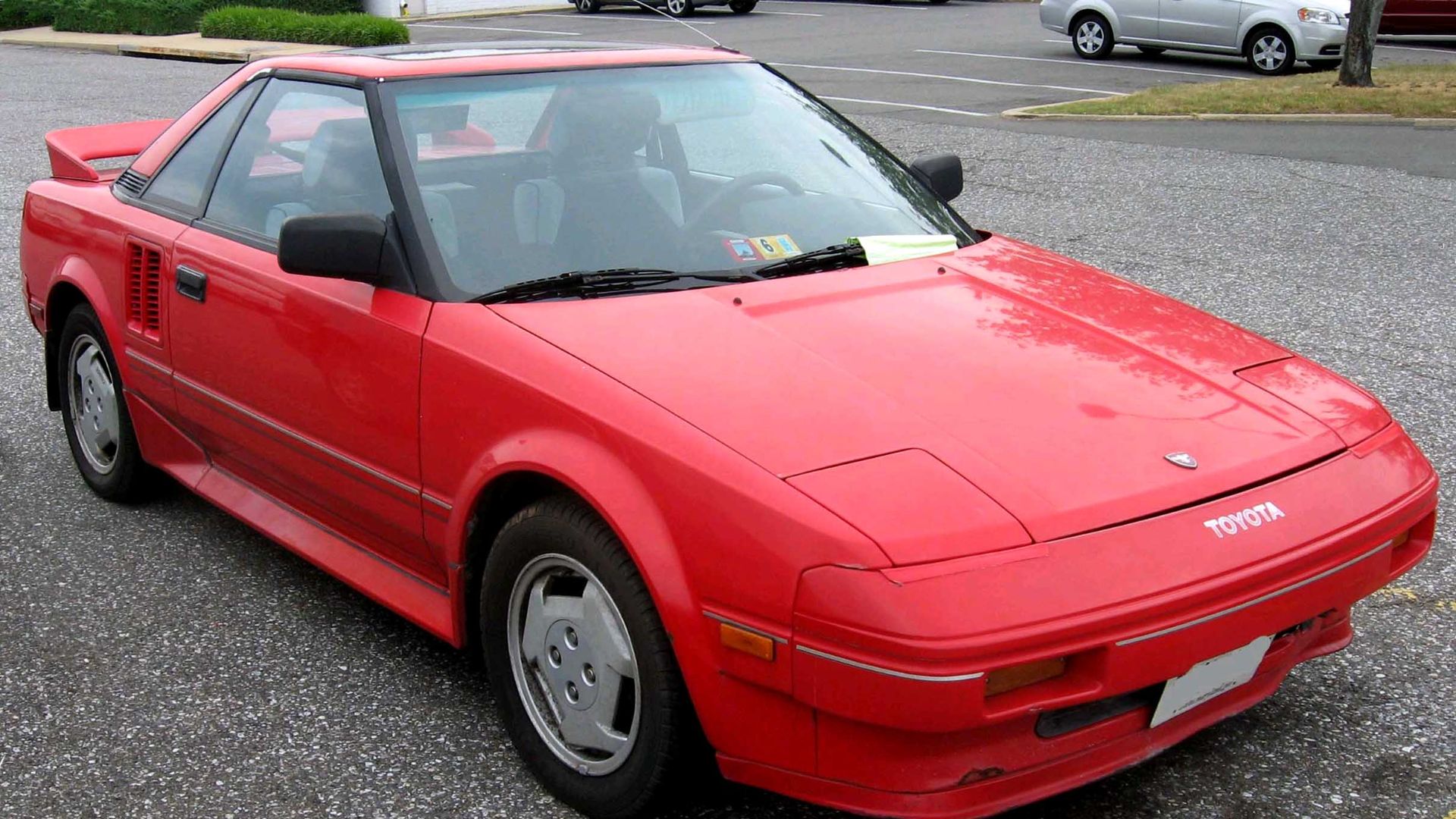
4. Toyota MR2 (First Generation)
Introduced in 1984 as Toyota's first mid-engine production car, the first-generation MR2 (W10) weighed around 2,200 pounds with pop-up headlights and a five-speed manual, distinguishing it from later generations already cast by Hot Wheels. The MR2's name stands for “Midship Runabout 2-seater.”
5. Alpina B7S Turbo
Among the fastest four-door sedans of the 1980s, this one could outrun police cars in some European countries, earning a notorious reputation that still resonates with performance enthusiasts today. Hot Wheels has never captured this sleeper sedan in 1:64 scale.

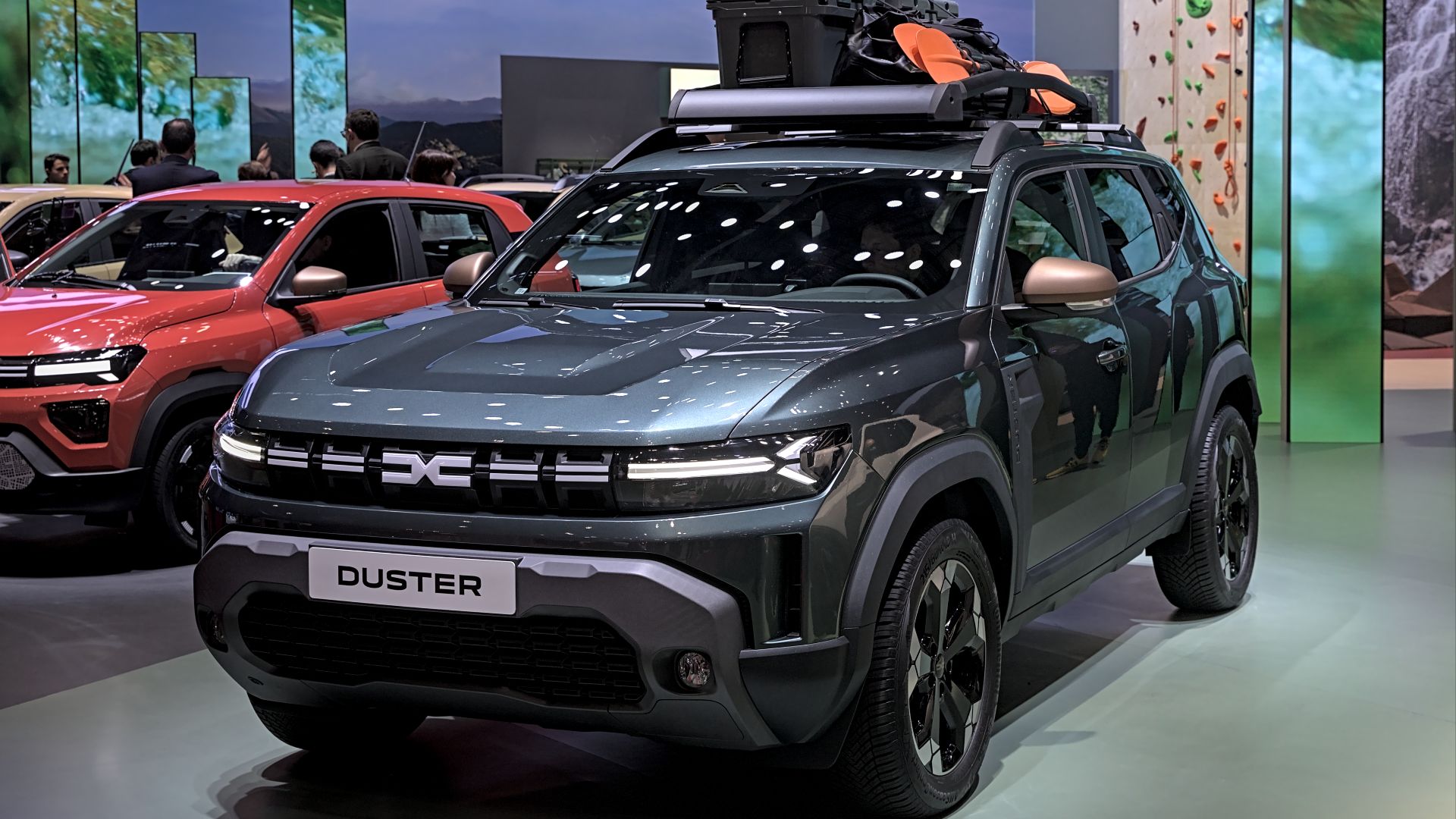
6. Dacia Duster Pikes Peak
The Duster Pikes Peak was built in 2011 with a tubular chassis and aerodynamic bodywork. It featured a six-speed sequential gearbox, making it absent from Hot Wheels' rally specials despite its transformation. Nicknamed "No Limit," this racer was entered to promote Dacia's affordability.
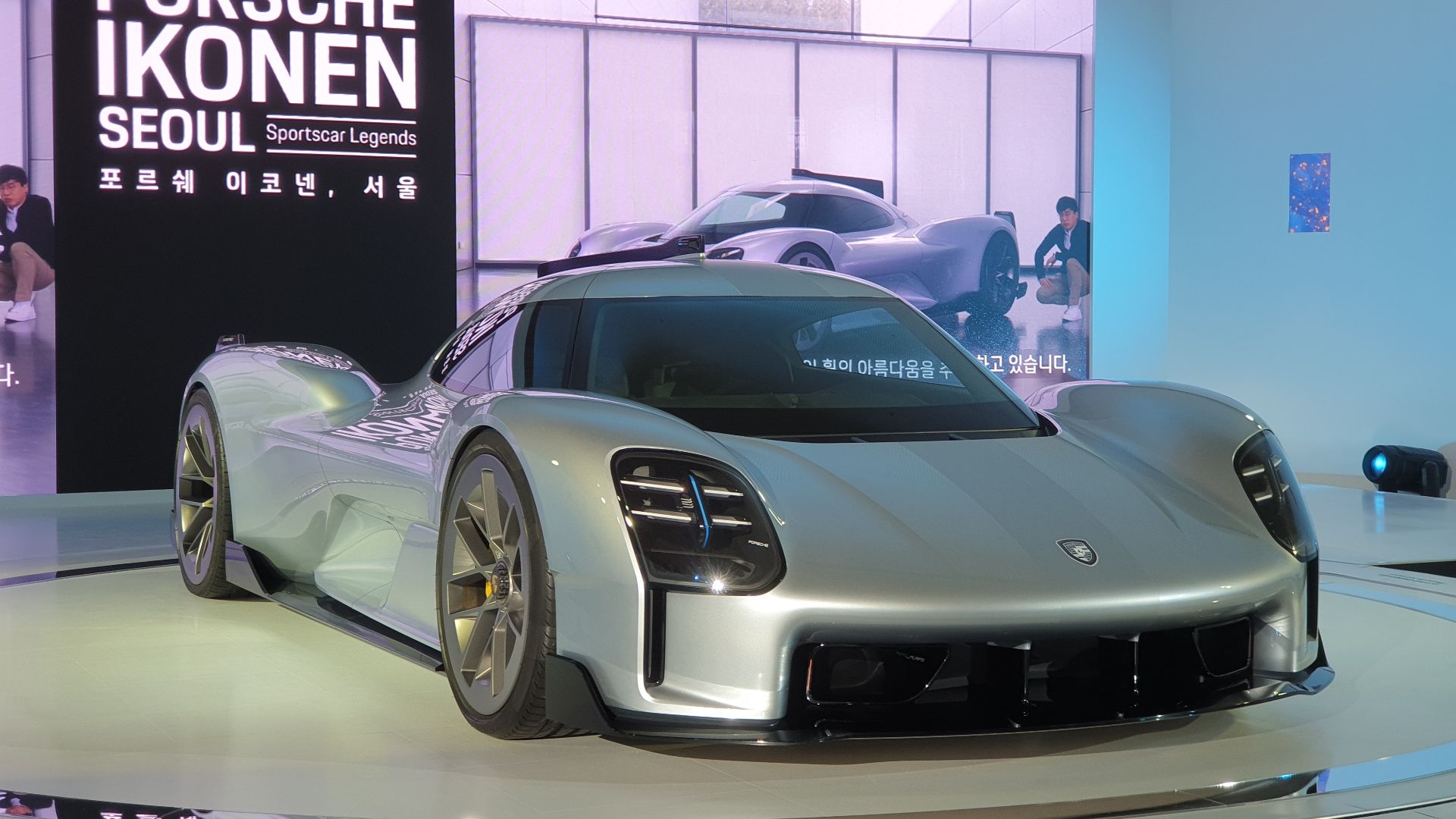
7. Porsche 919 Hybrid
Competing from 2014 to 2017, the 919 won three Le Mans 24 Hours races, with advanced aerodynamics and energy recovery systems not replicated in Hot Wheels' prototype lineup. The hybrid system recovers about 60% of energy from the front brakes.
8. Lotus Carlton
Did you know this one was dubbed a "Q-car" for its understated look? It gained notoriety for evading police in high-speed chases, leading to media outrage that made this unassuming sedan a tabloid sensation in early 1990s Britain.

9. 2002 Abt-Audi TT-R
The TT-R's aggressive styling earned it the nickname "TT-Rex" among fans for its dominant presence on the track. Weighing 2,380 pounds with rear-wheel drive, it competed in the Deutsche Tourenwagen Masters, achieving podiums with drivers like Laurent Aiello.

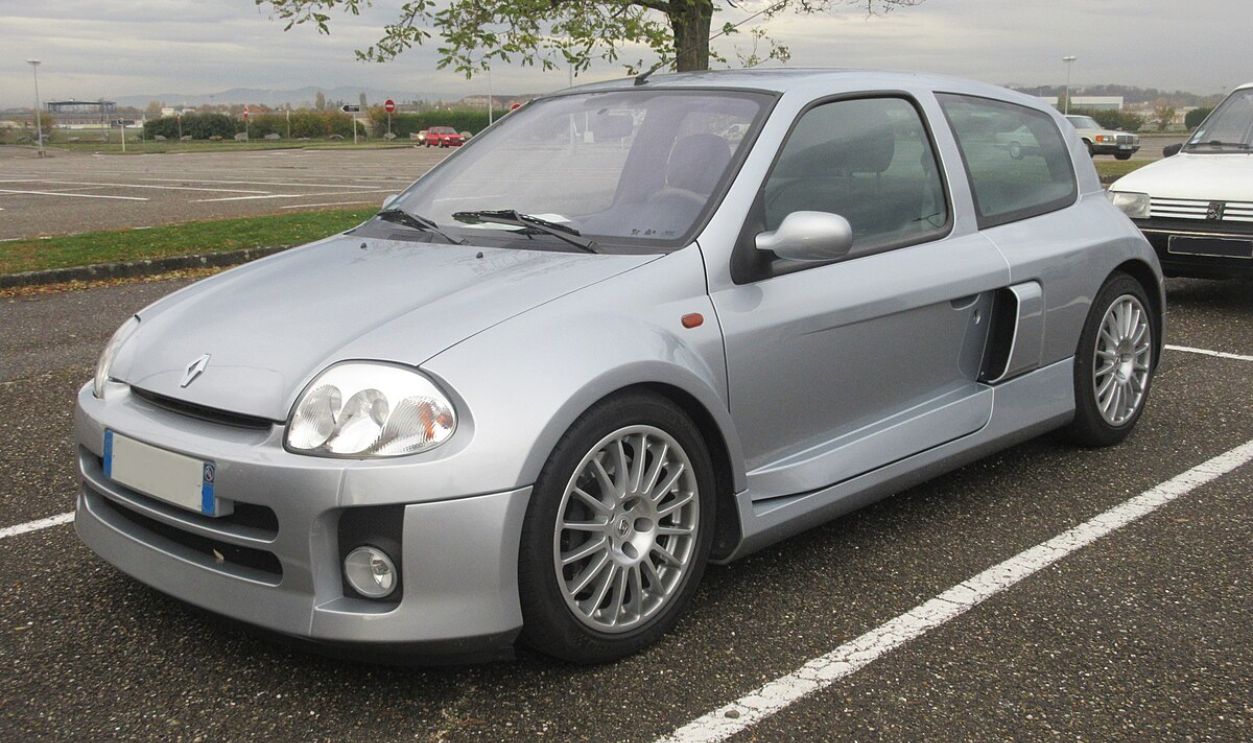
10. Renault Clio V6
Infamous for its "widowmaker" reputation due to snap-oversteer, the Clio V6 was banned from some UK tracks but beloved for its raw thrill that separated skilled drivers from pretenders. The mid-mounted 3.0-liter V6 engine produces 227–255 horsepower.
11. Hennessey Venom F5
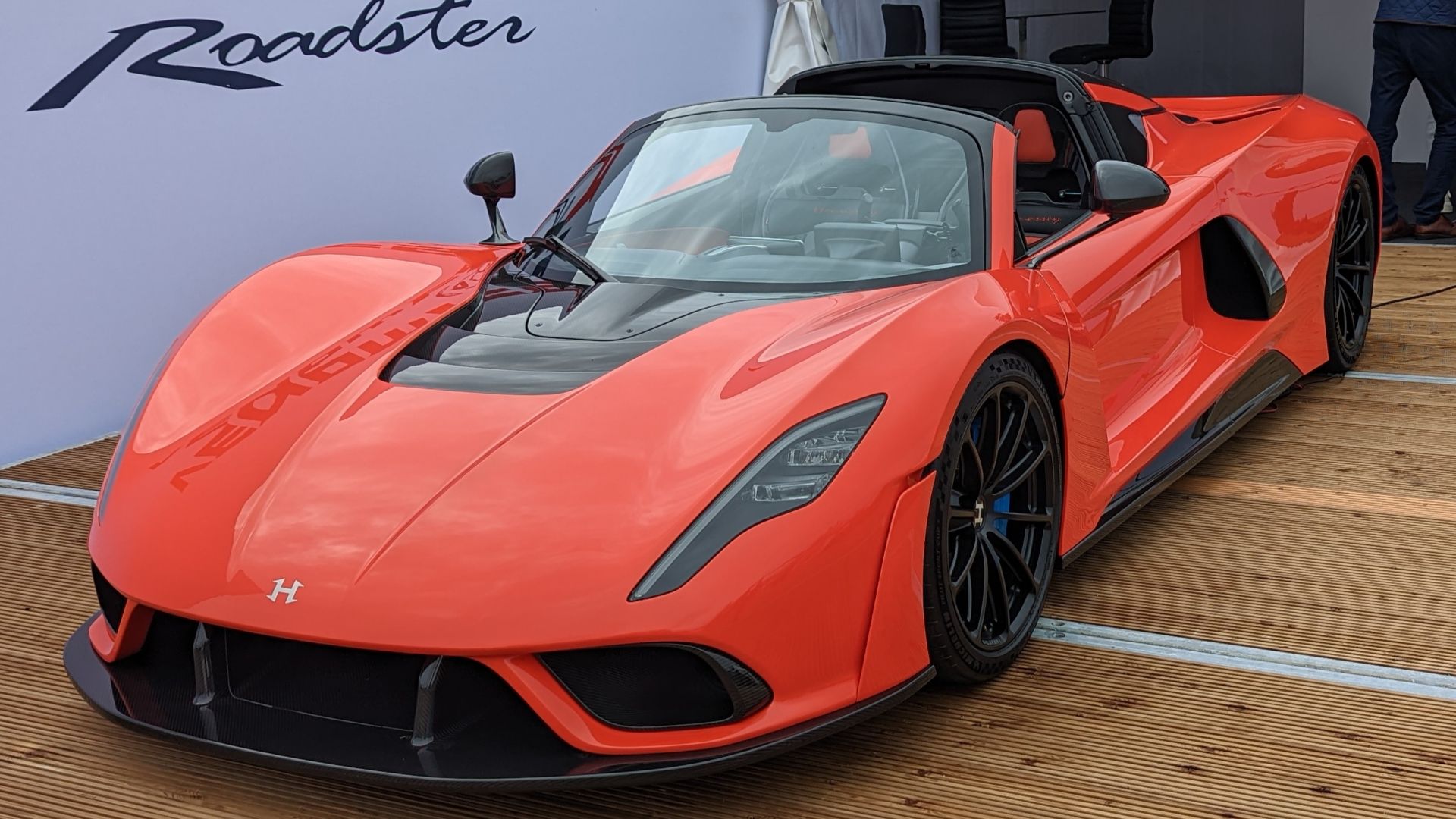
Named after the F5 tornado rating for its extreme power, the Venom F5's key fob includes a piece of Space Shuttle metal as a nod to speed records. The 6.6-liter twin-turbo V8 "Fury" engine produces 1,817 horsepower.
12. Jaguar XJ220S
Built by TWR in 1993 with only six units, the XJ220S features carbon fiber bodywork and reduced weight to 2,381 pounds, differentiating it from Hot Wheels' standard XJ220 castings through its track-focused intensity. The XJ220S was created to homologate racing versions.

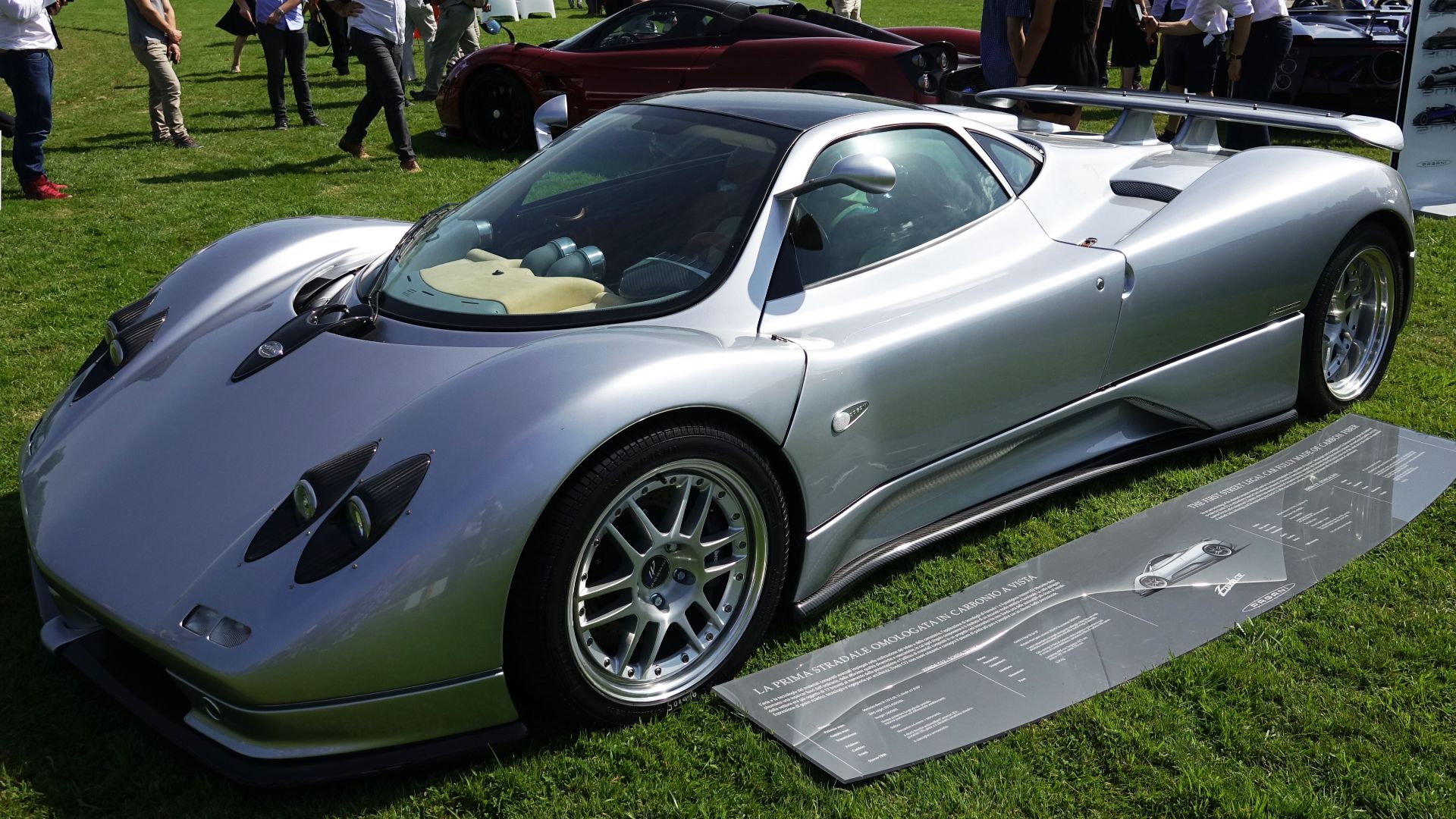
13. Pagani Zonda C12
Debuted in 1999 with only five units produced, the C12 features a carbon fiber monocoque for a 2,755-pound curb weight, establishing the foundation for Pagani's lineup but missing from Hot Wheels' early Zonda variants. The C12's design was inspired by jet fighters.
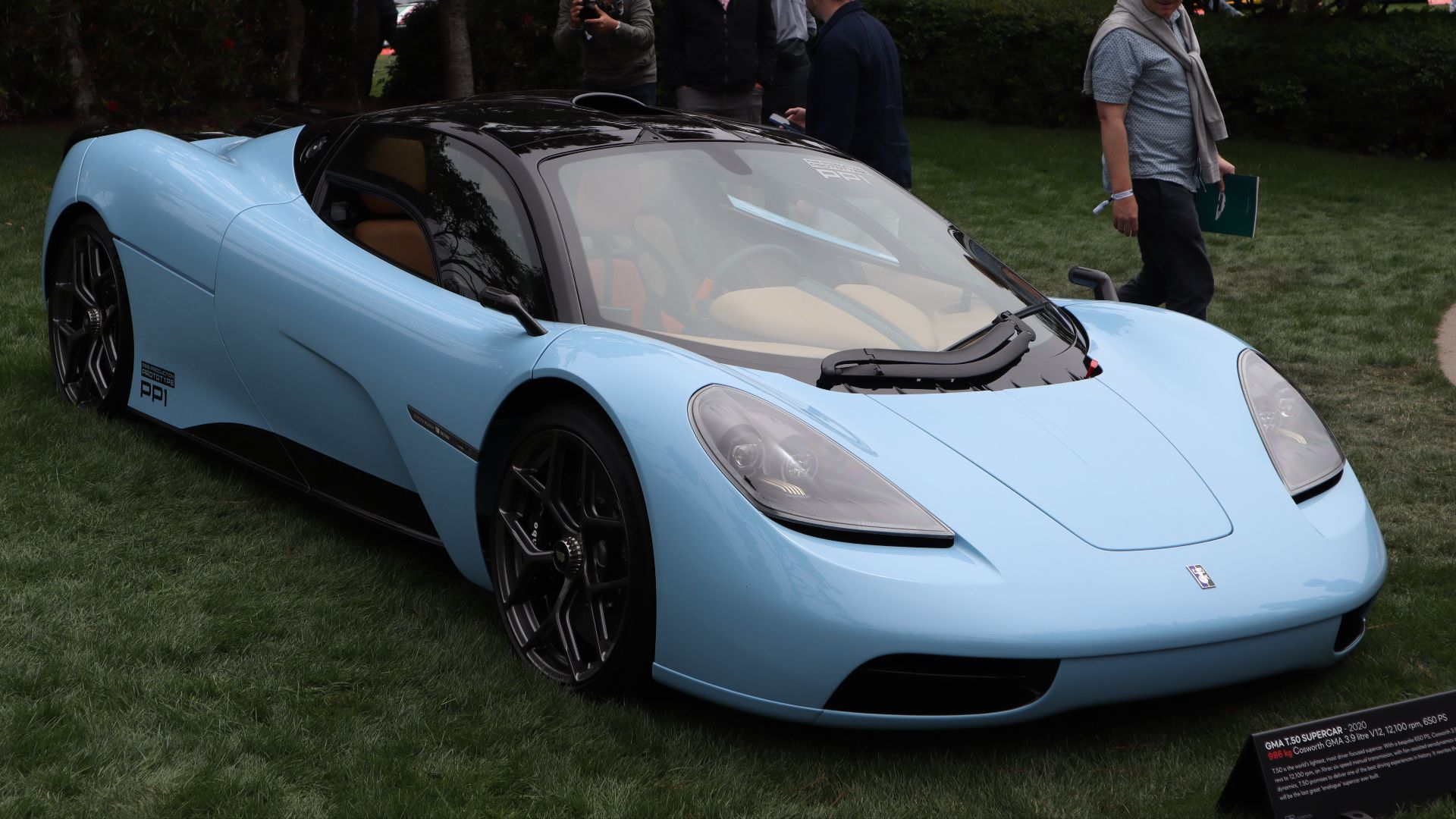
14. GMA T.50
Weighing just 2,174 pounds with a three-seat layout featuring a central driver position, the T.50 revives the iconic McLaren F1 configuration that Gordon Murray originally pioneered decades earlier. This one was designed as a spiritual successor to the McLaren F1.
15. Porsche 911 GT1 Straßenversion
Built to satisfy FIA rules requiring street versions for racing eligibility, it was Porsche's fastest road car of the 1990s. While Hot Wheels has produced GT1 race models, this ultra-rare street version remains uncaptured, representing a significant gap in their Porsche racing heritage collection.

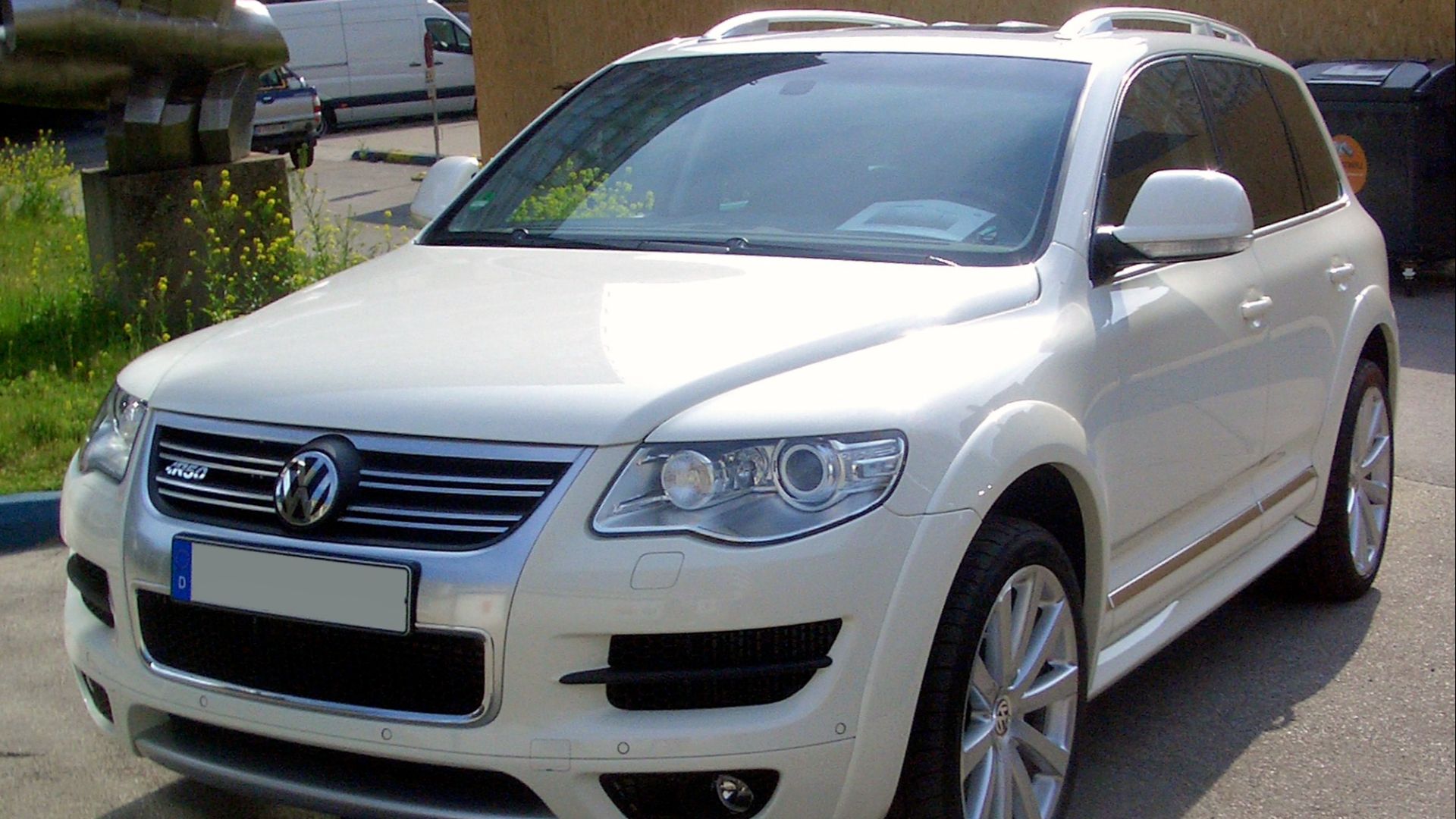
16. Volkswagen Touareg
Named after the nomadic Tuareg people, the Touareg's cargo space includes a hidden air compressor for tire inflation during adventures, adding practical functionality to its luxury SUV credentials. The first-generation Touareg (2002–2010) offers a 3.0-liter TDI V6 with 221 horsepower.
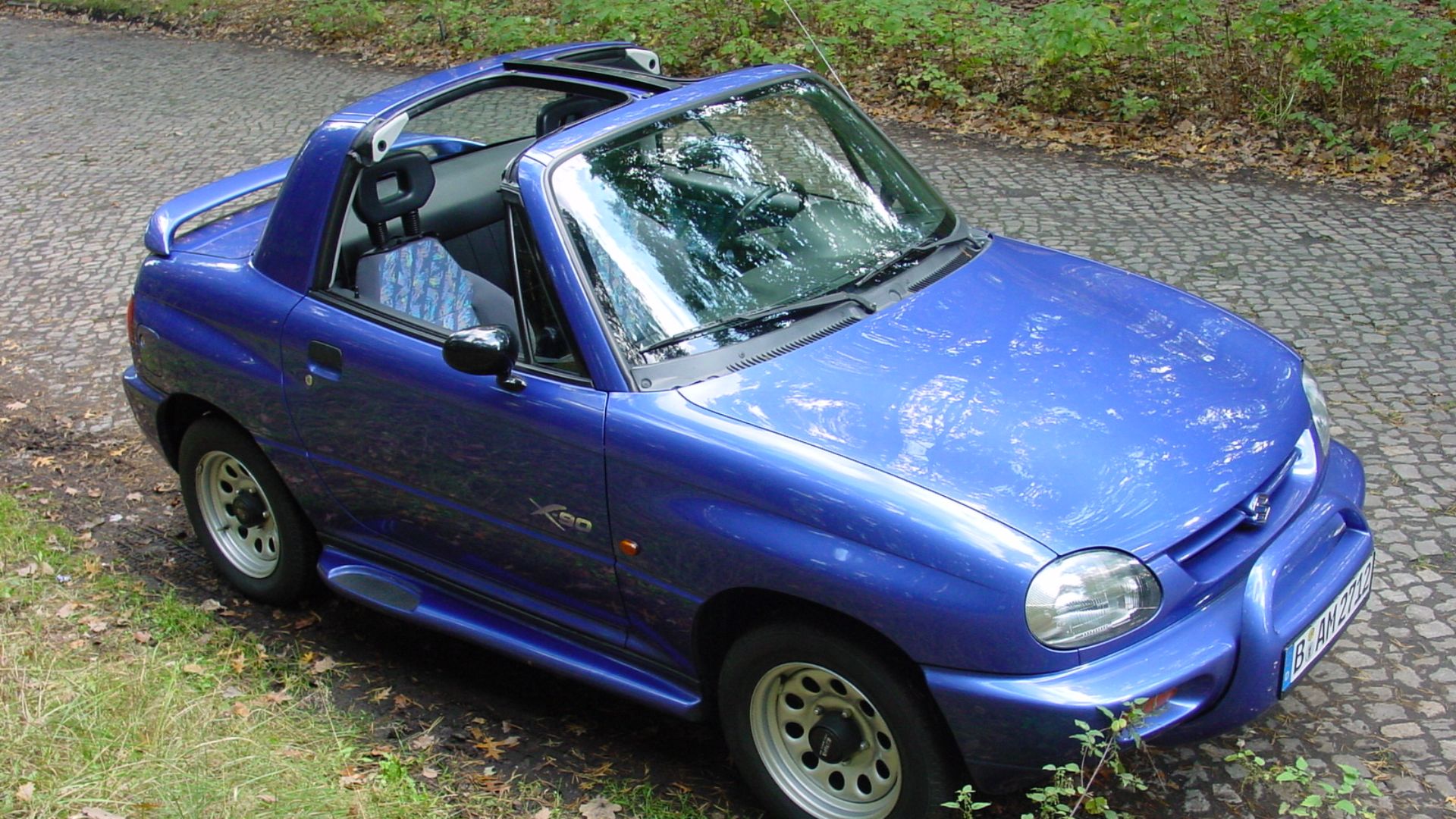
17. Suzuki X-90
Marketed as a "two-seater sport utility," the X-90 appeared in Red Bull ads as a mobile energy drink dispenser, enhancing its oddball charm and cementing its status as one of the 1990s' most peculiar automotive experiments. It features a removable T-top roof.
18. Volvo XC90
The XC90's center display hides an Easter egg: holding the Volvo logo reveals a digital car wash animation, adding playful Swedish humor to this sophisticated family hauler. Apparently, the latest XC90 has a 2.0-liter turbocharged mild-hybrid engine.

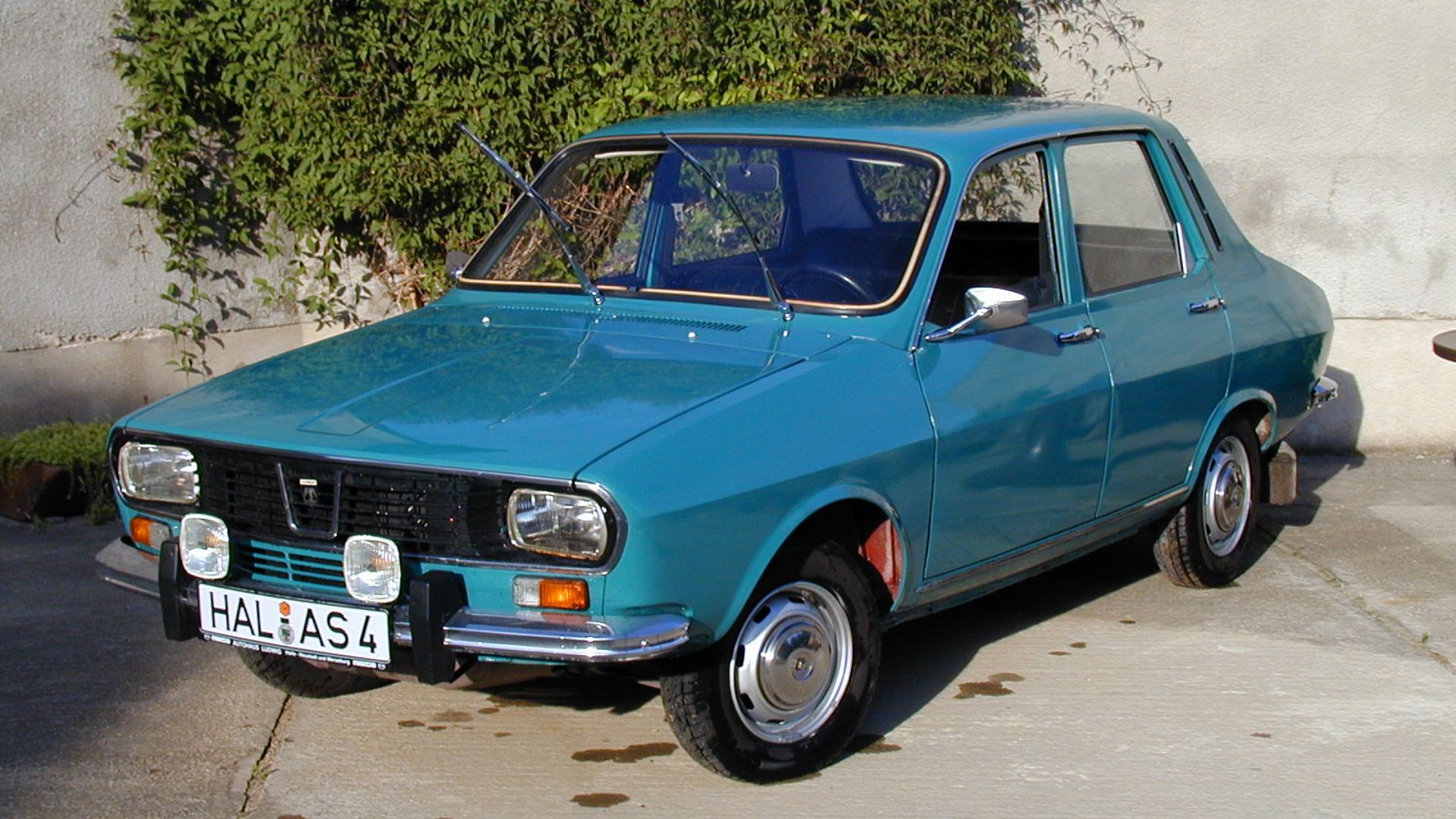
19. Dacia 1300
This enduring Romanian sedan represents an entire era of Eastern European automotive history and proved that simple, honest engineering could outlast flashier Western competitors. Sadly, Hot Wheels has never acknowledged this cultural automotive icon that transported millions through decades of social and political change.
20. Honda HR-V (First Generation)
Available in three-door and five-door configurations, this beast weighs about 2,600 pounds and has a versatile "Magic Seat" system for cargo flexibility, making it unique among uncast Hot Wheels Hondas. The first-generation HR-V (1999–2006) uses a 1.6-liter inline-four engine.