Reducing Risks On The Floor
Warehouses depend on forklifts to keep operations moving, but that efficiency comes with serious responsibility. When safety practices weaken, heavy machinery quickly becomes a source of severe injury and costly downtime. Recognizing where things go wrong allows teams to correct problems before someone gets hurt. A proactive approach makes workplaces safer and more productive. Continue reading to break down common risks and proven prevention strategies.
1. Pedestrian Collisions
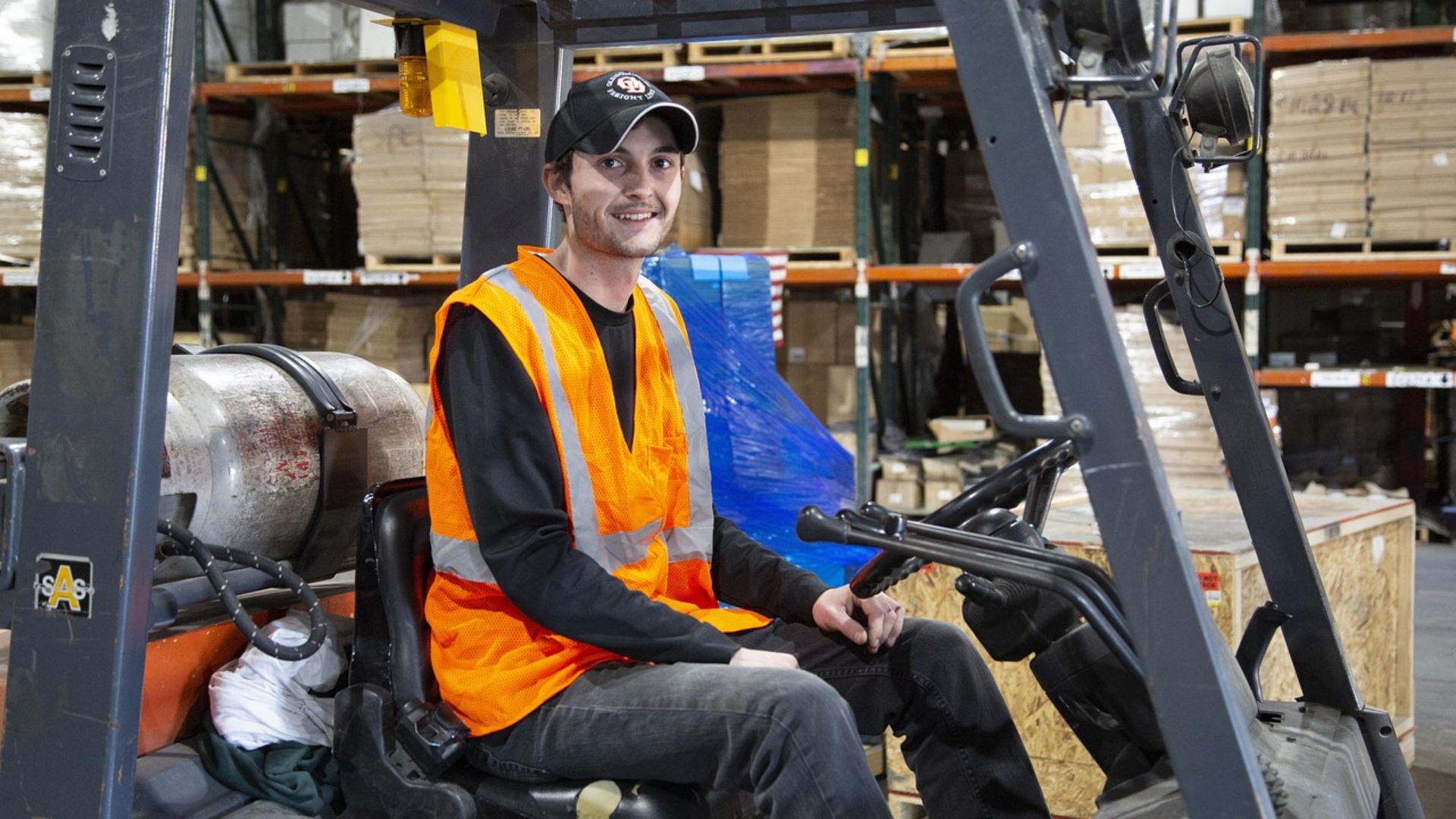
Warehouses buzz with activity, and forklifts share tight spaces with workers on foot. A moment's distraction, and a coworker becomes a collision victim. Vigilance is key, as even small lapses can lead to serious accidents.
2. Improper Load Handling
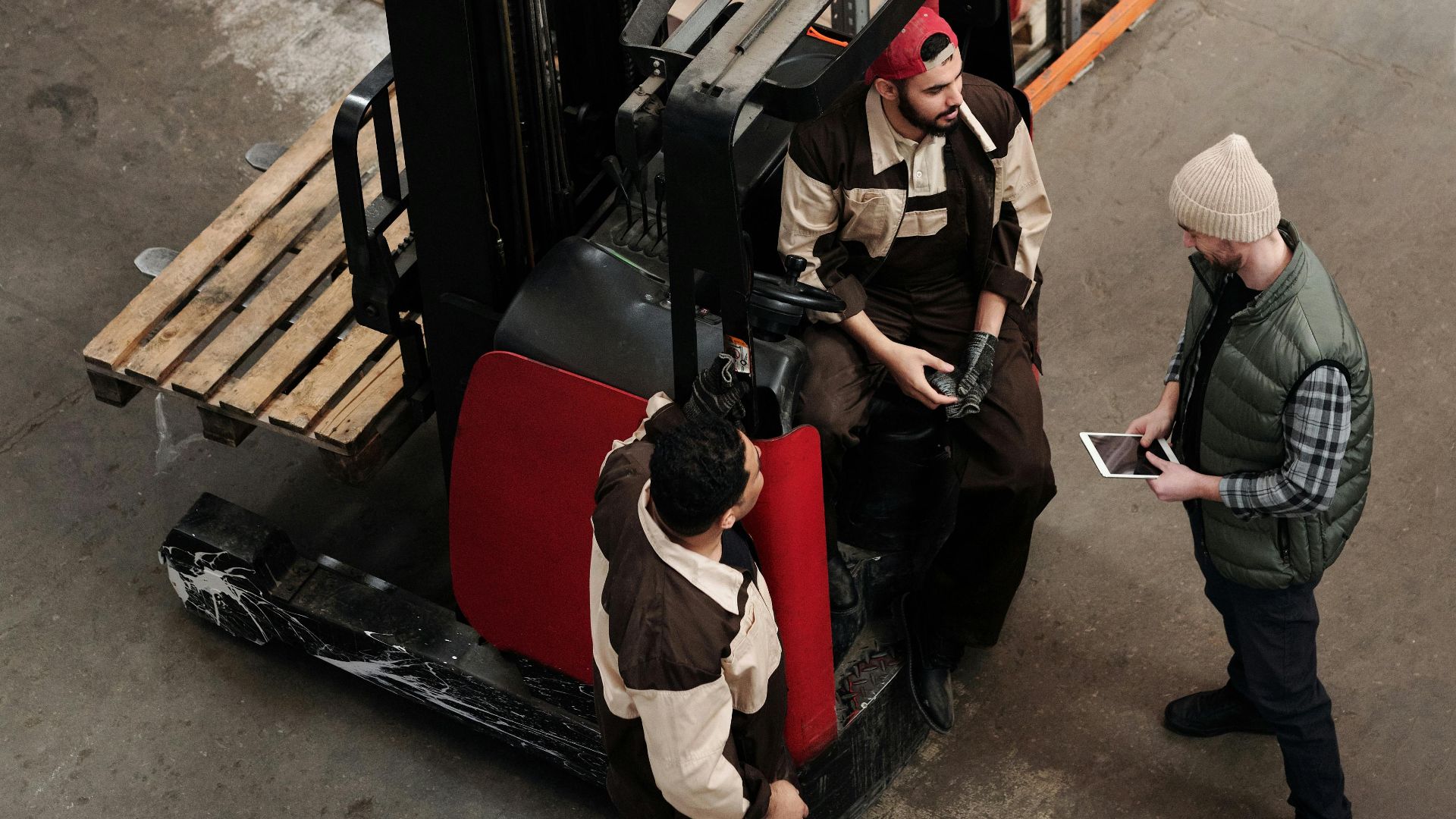
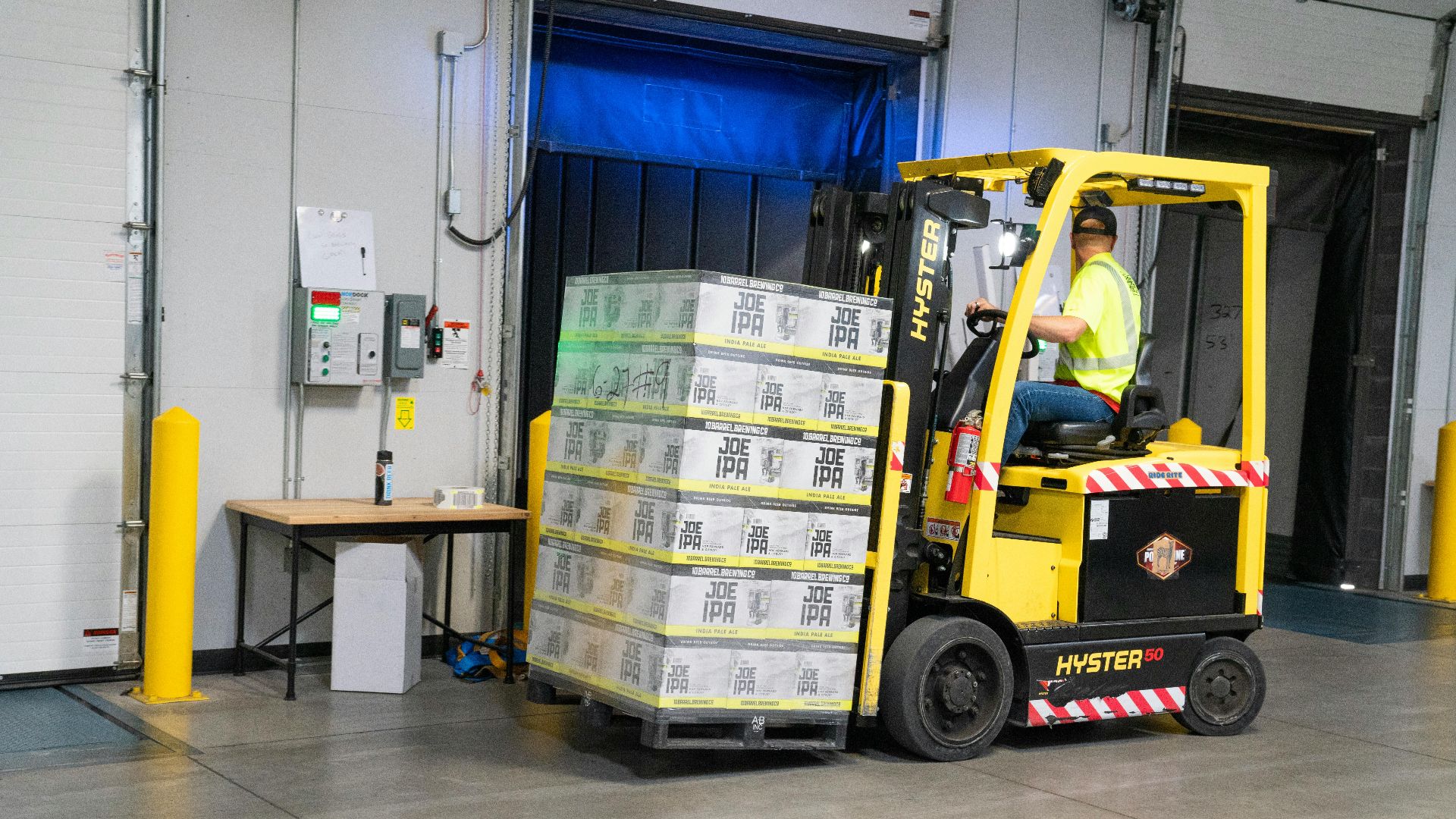
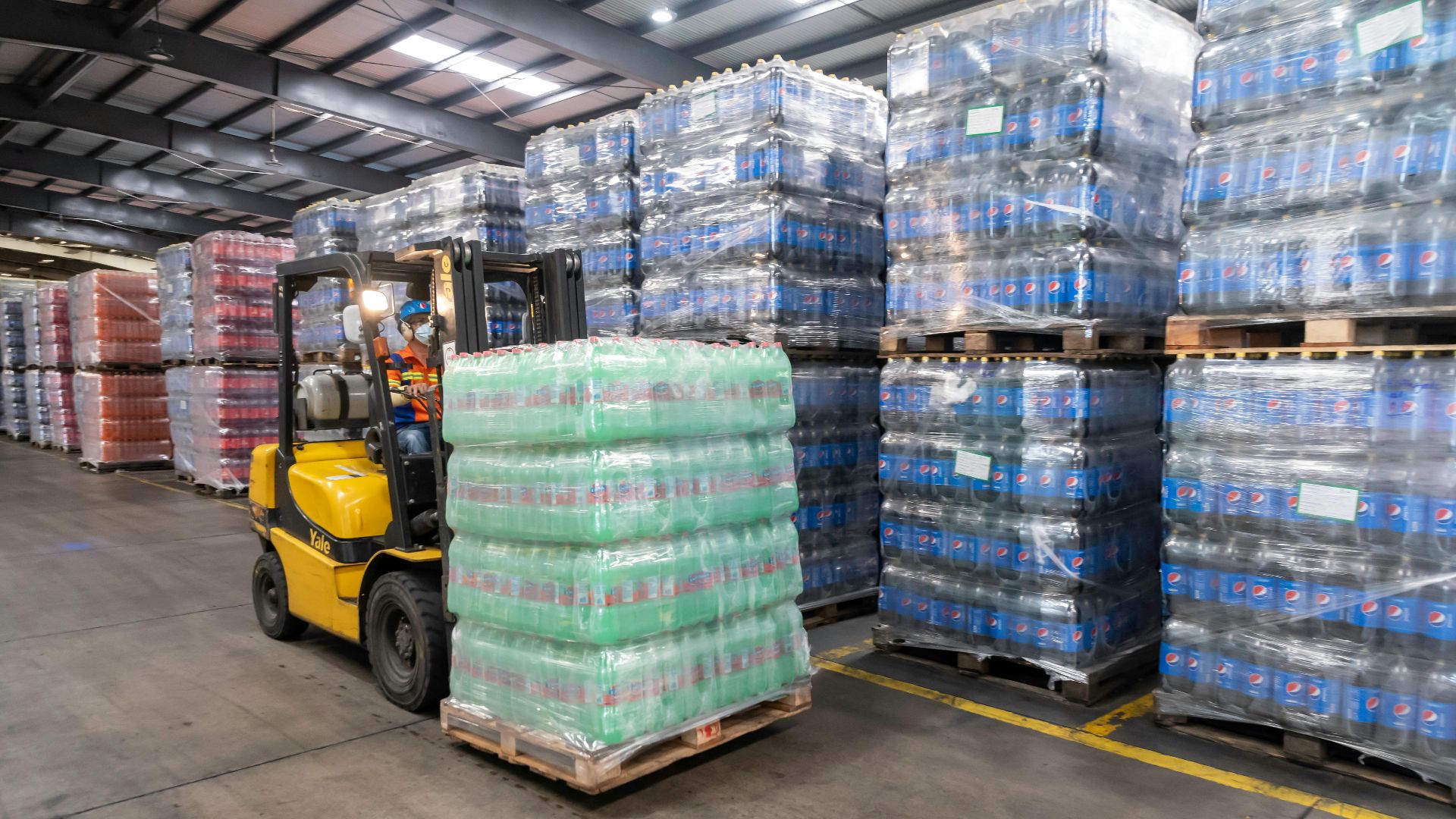
Stacking pallets too high or loading weight unevenly makes forklifts dangerously unstable. When cargo shifts or crashes down, anyone standing nearby faces serious injury. The machine's designed capacity exists for good reason—ignoring it invites disaster.
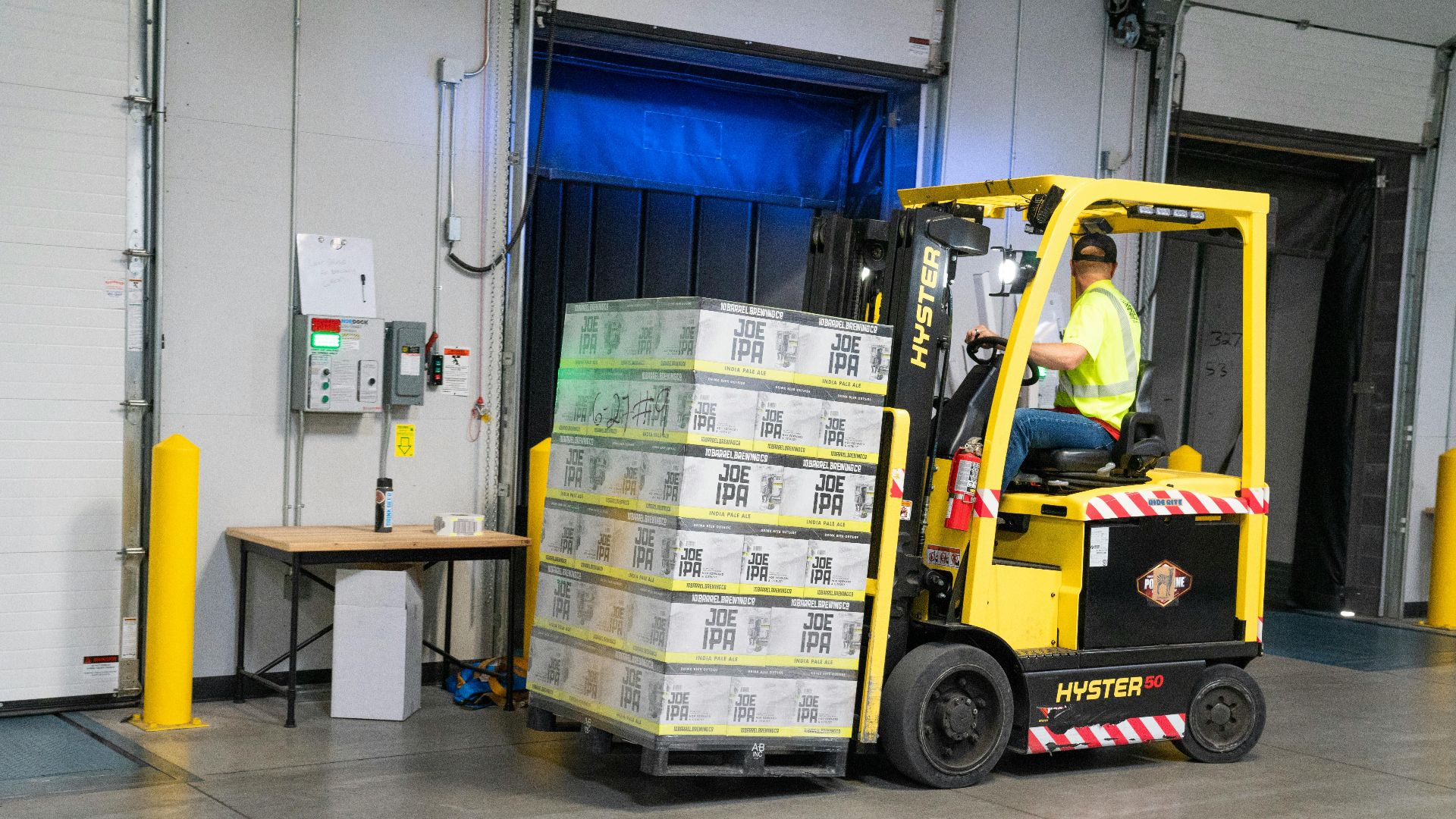
3. Poor Visibility
Stacked inventory creates blind corners, while dim warehouse lighting makes hazards invisible until it's too late. Operators can't see what's lurking around aisles or behind loads. Hitting storage racks or people becomes frighteningly easy in these conditions.
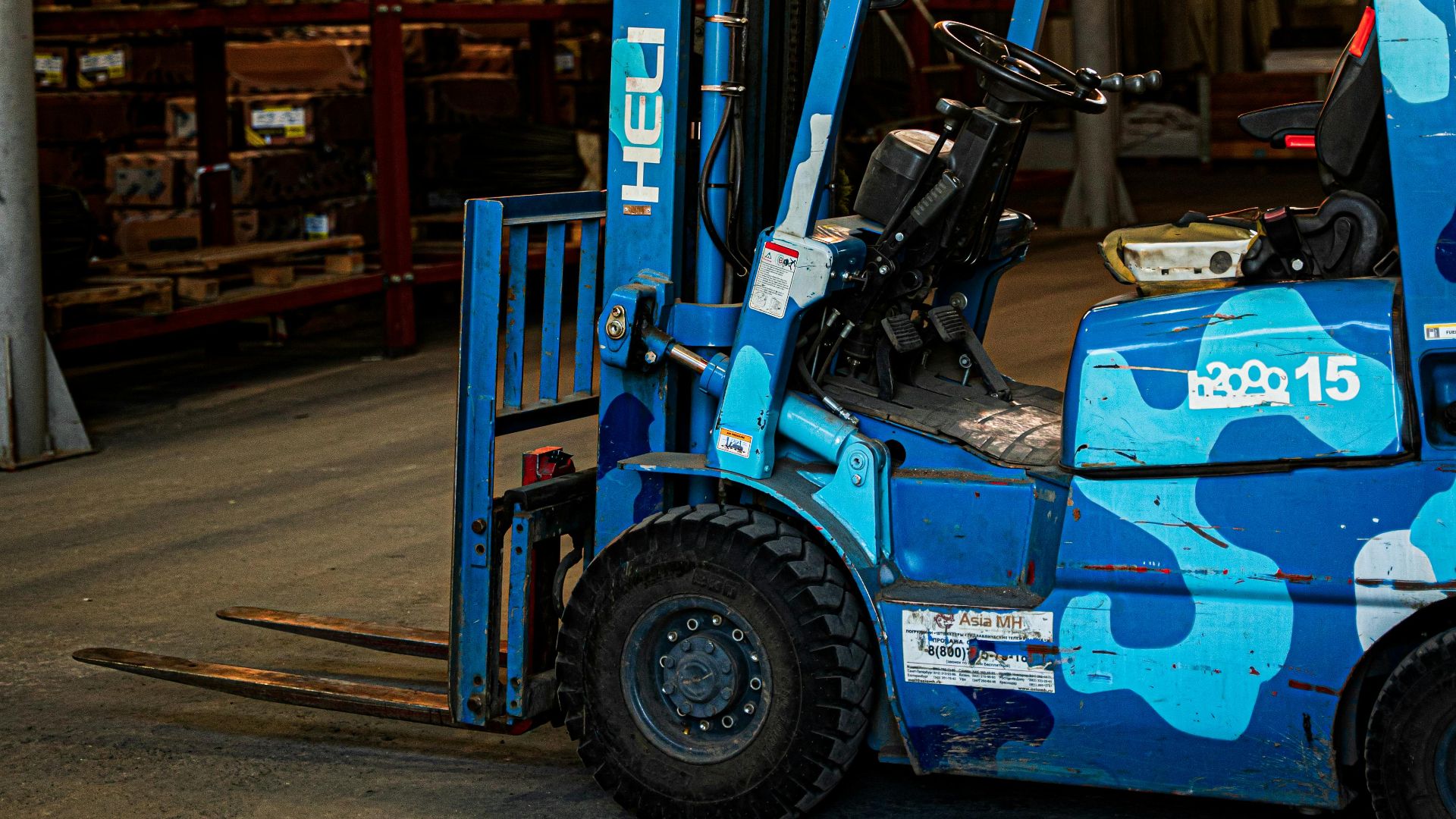
4. Unsafe Speeds
Racing through narrow warehouse passages might save seconds, but those saved moments aren't worth the consequences. High speeds make controlling the forklift nearly impossible when something unexpected appears. Collisions and rollovers multiply when drivers ignore safe speed limits.
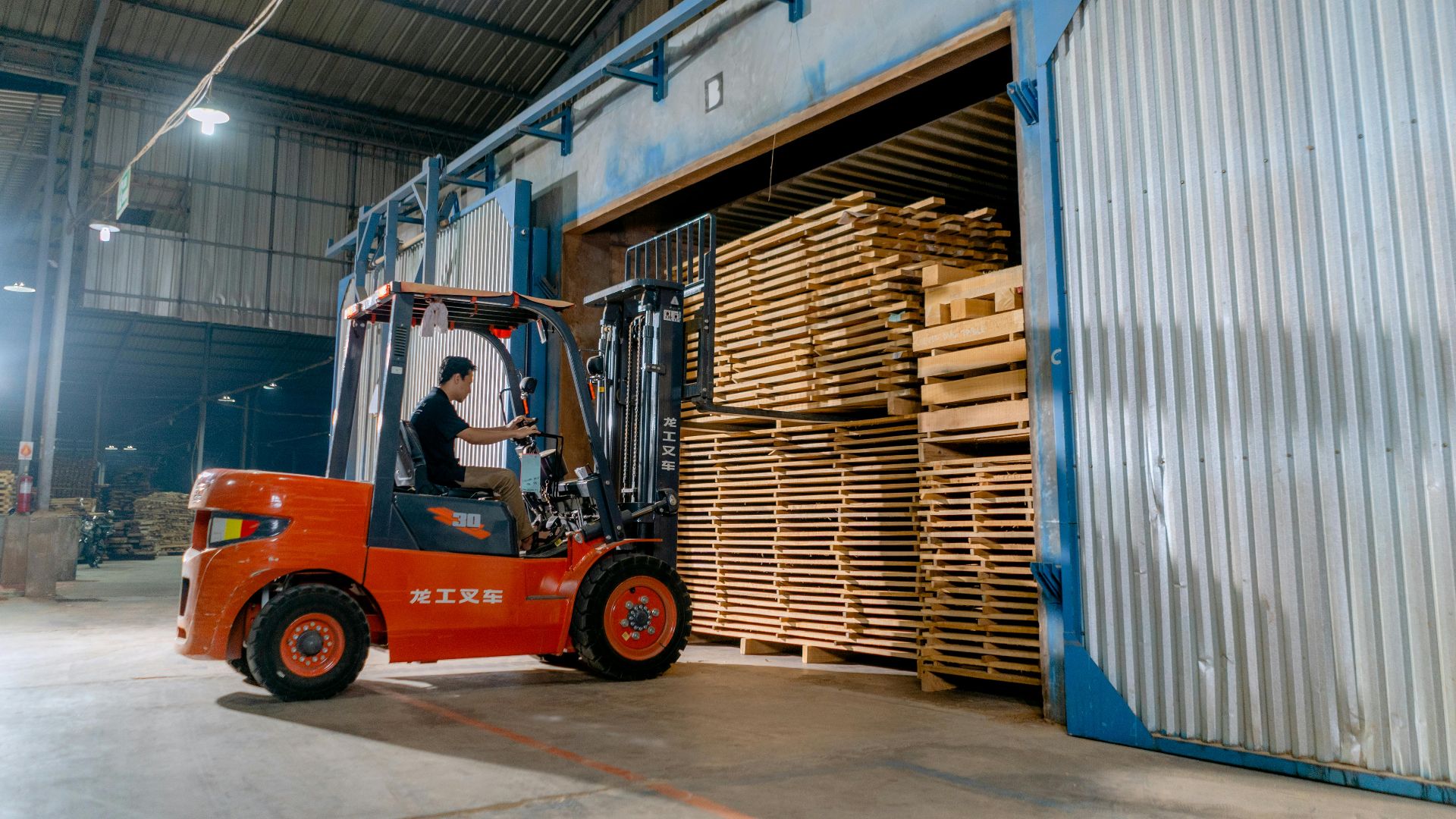
5. Mechanical Failures
Brakes fade, tires wear thin, and hydraulic systems develop leaks—all quietly waiting to fail at the worst possible moment. Even minor equipment problems can escalate rapidly, creating serious hazards and putting operators and coworkers at risk.
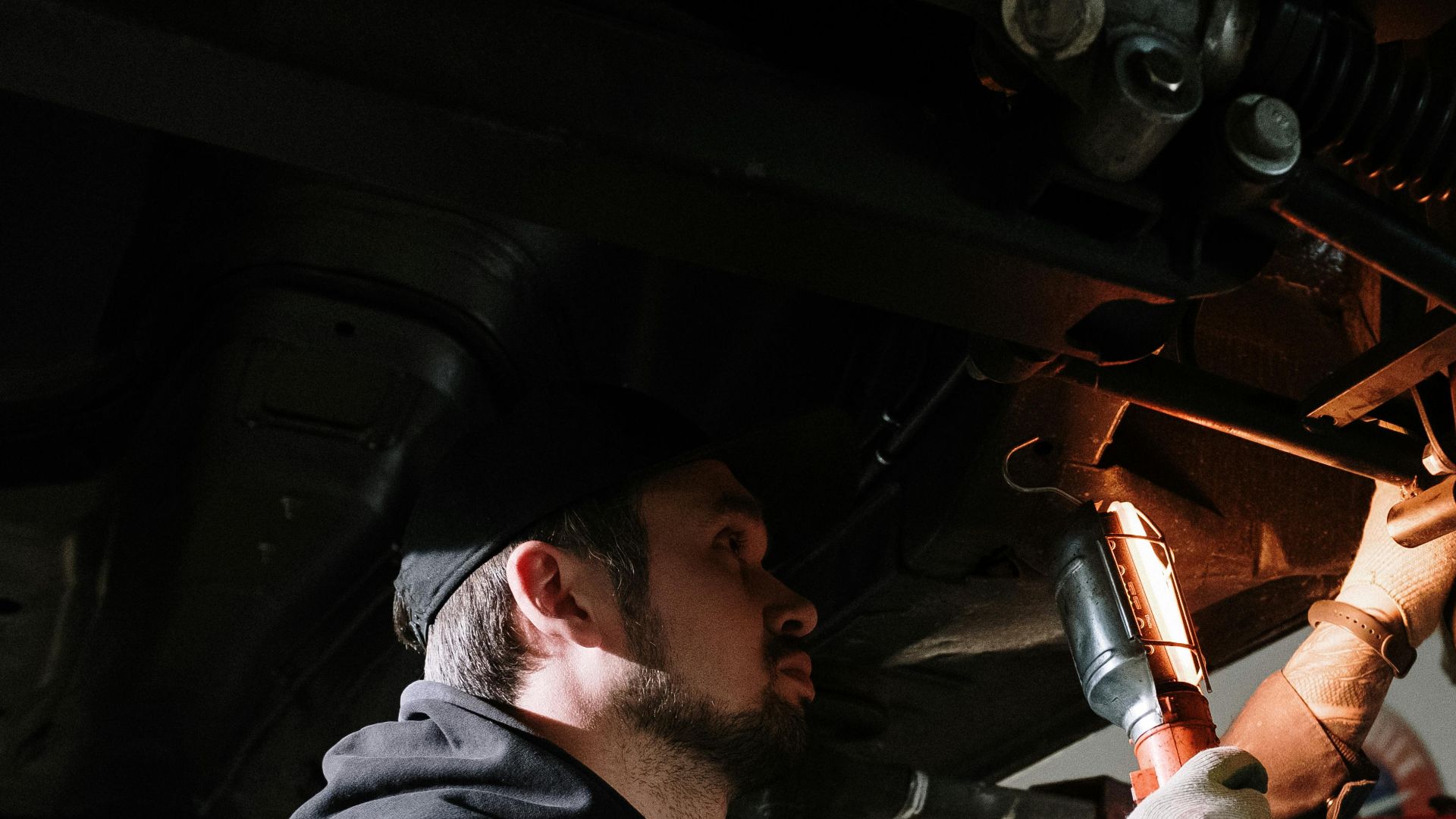
6. Improper Use Of Attachments
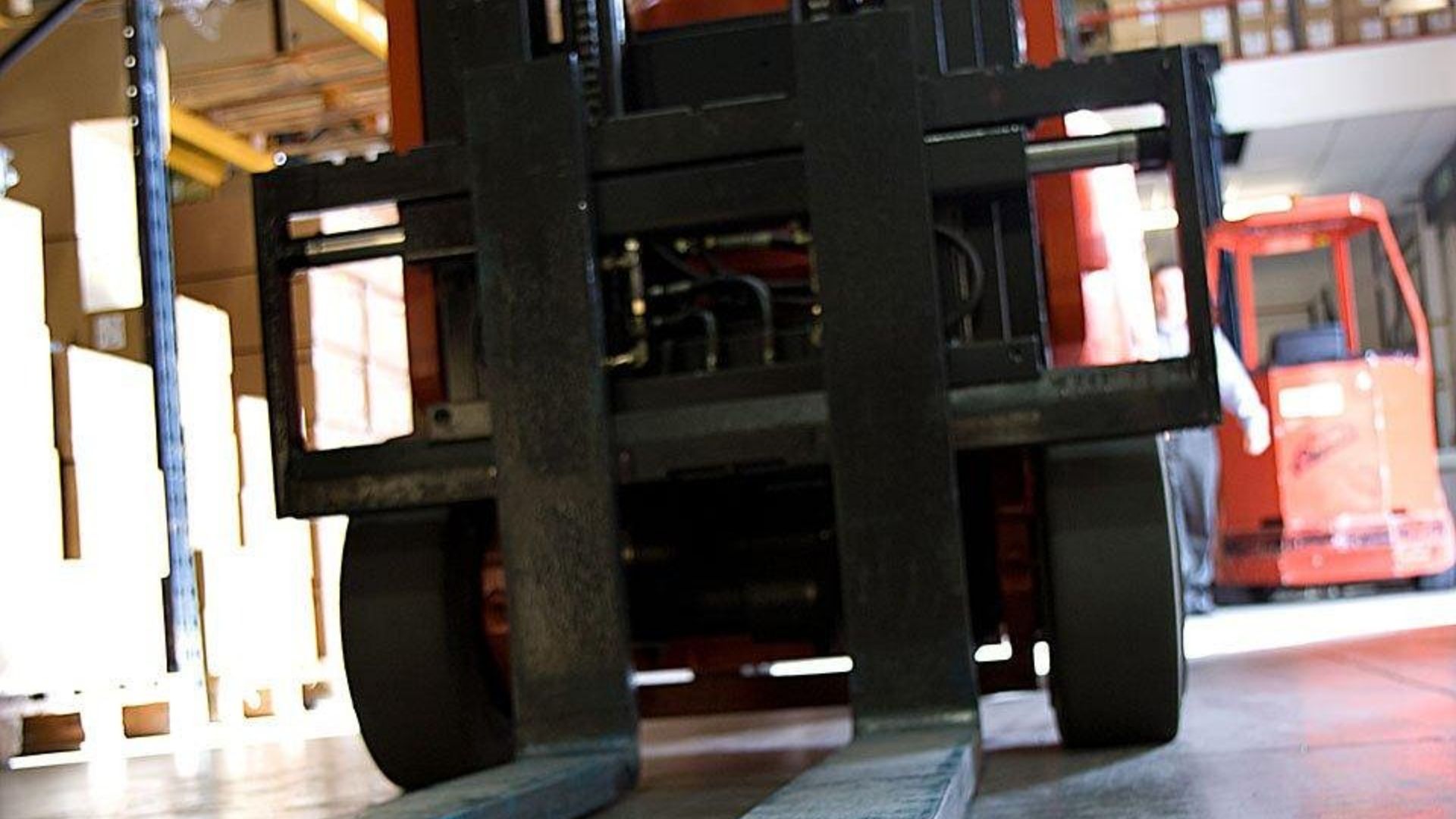
Bolting on unapproved attachments or modifications changes how forklifts balance and handle loads. Documentation and proper ratings aren't bureaucratic nonsense; they're engineering requirements. Improvising with equipment creates unpredictable dangers that regulations specifically prohibit.
 PublicDomainPictures on Pixabay
7. Falling From Forks Or Platforms
Some workers hitch rides on forks or stand on elevated pallets to reach high shelves. Regulations explicitly ban passengers on forklifts because people constantly fall off. There's no safe way to transport humans on machinery designed exclusively for cargo.
8. Poor Floor Conditions
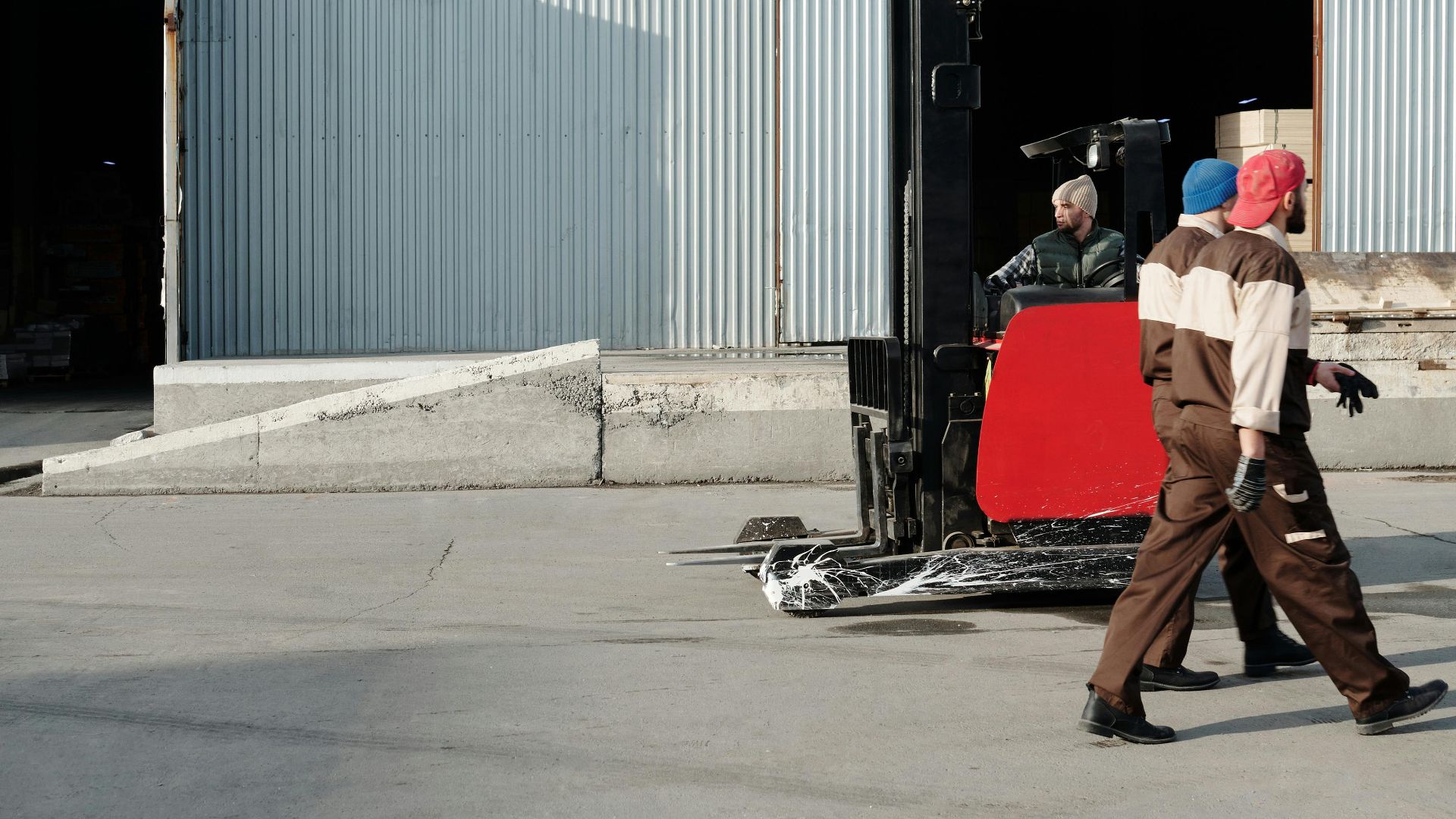
Oil spills, cracked concrete, and scattered debris turn warehouse floors into hazard courses. Slippery surfaces steal traction, and uneven patches jolt loads loose. Operators lose control when their equipment can't grip properly, sending forklifts careening unpredictably.
9. Fatigue And Distraction
After hours of repetitive driving, operators' attention naturally wanders, and reaction times slow dangerously. Plus, checking phones or juggling multiple tasks while operating heavy machinery multiplies accident probability. Mental exhaustion makes even experienced drivers miss obvious dangers.
10. Inadequate Maintenance Records
Without written inspection logs, the same mechanical problems keep causing accidents repeatedly. Regulations demand documented repairs because memory fails and workers change shifts. Hidden issues that proper records would reveal continue endangering everyone until something breaks catastrophically.
1. Daily Pre-Shift Inspections
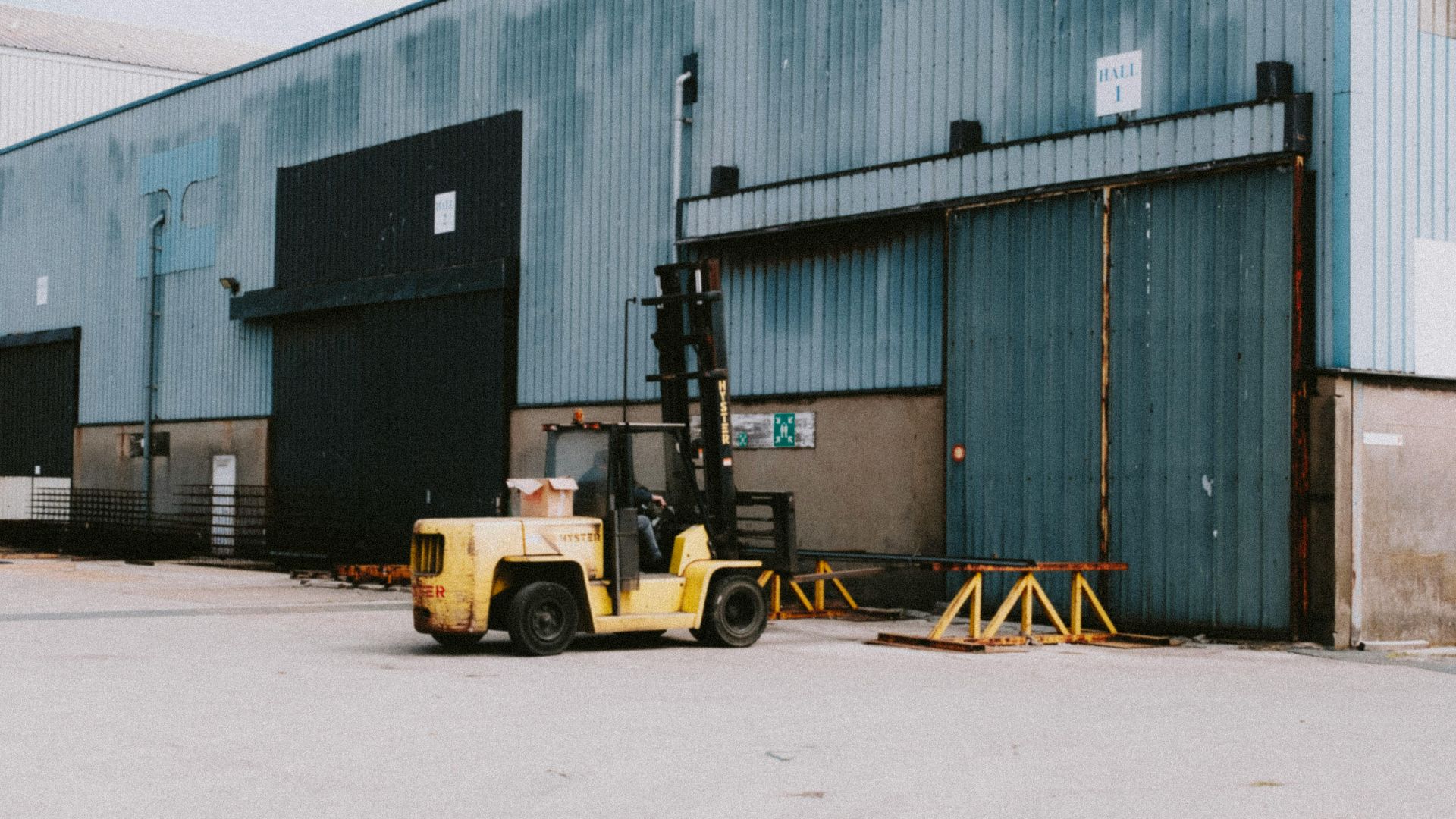
Before anyone fires up a forklift, they need to walk around checking critical components. Brakes, tires, hydraulics, and warning horns all deserve a careful look. Catching problems early means fixing small issues before they become workplace emergencies.
2. Implement Forklift Speed Governors
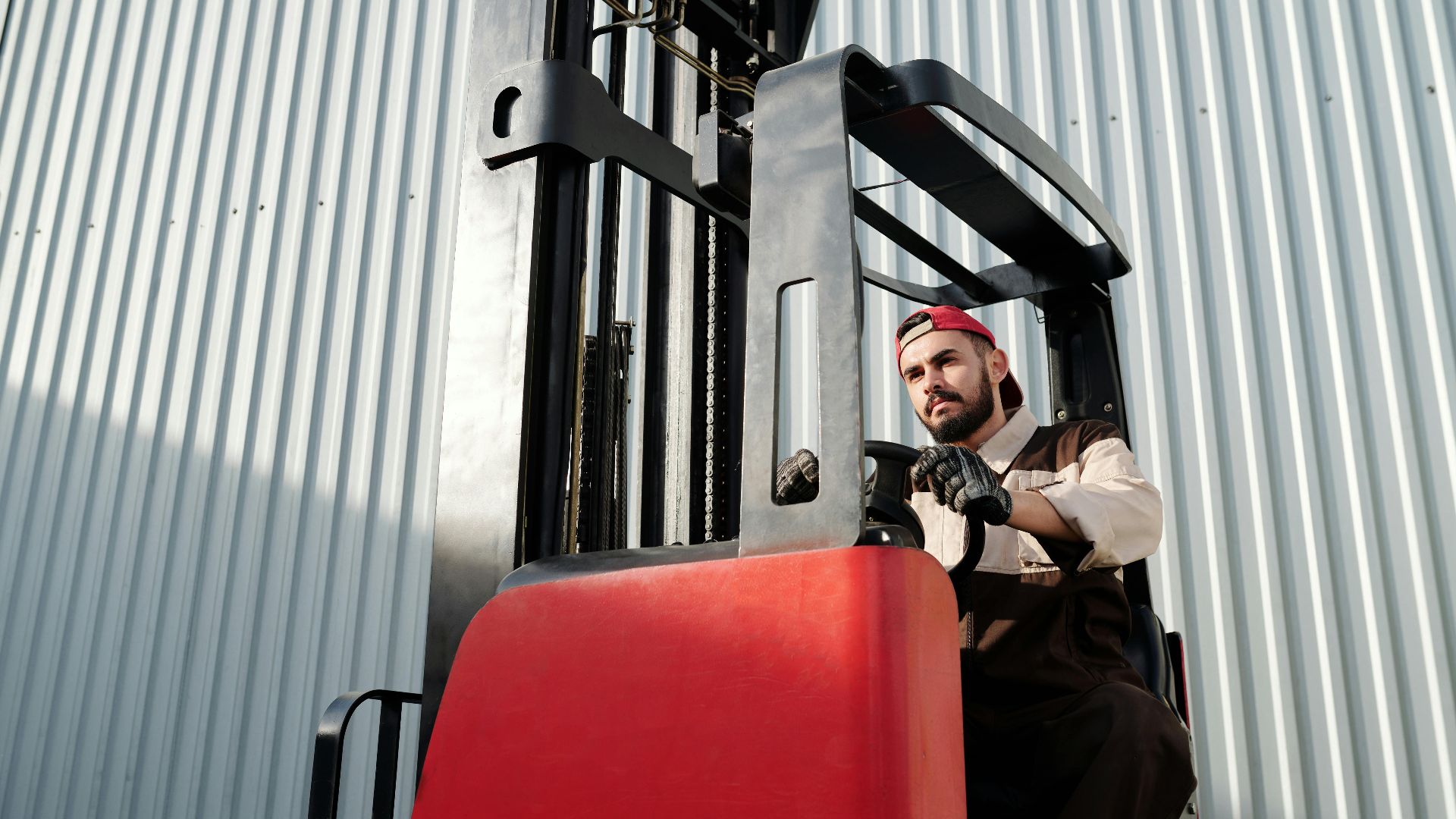
Installing electronic speed limiters directly prevents operators from exceeding safe velocities, even during rushed moments. These devices automatically cap maximum speed based on warehouse layout and traffic density. Technology enforces safety when human judgment falters under pressure.
3. Clear Pedestrian Pathways
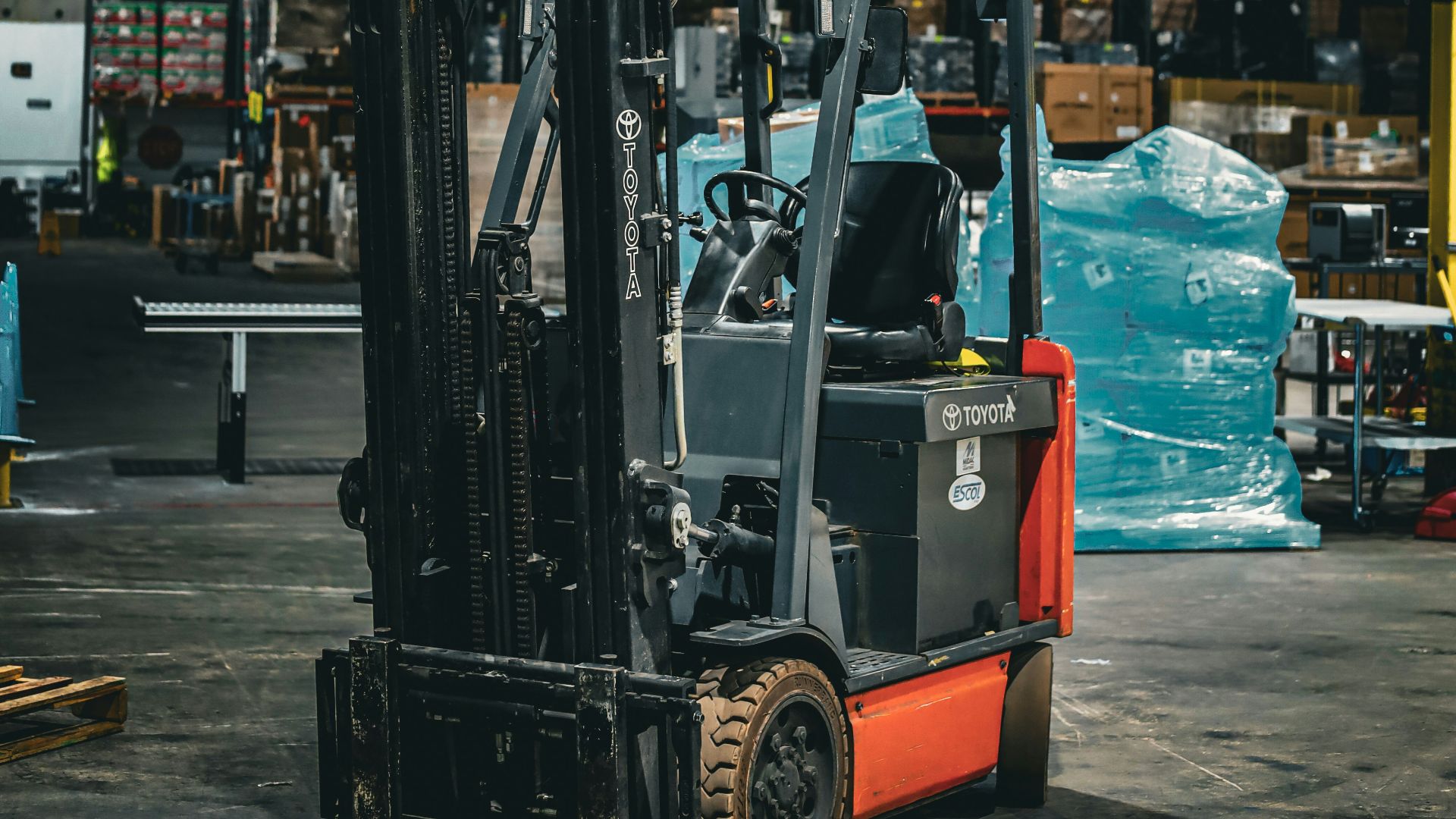
Paint bright lines on warehouse floors to show where people should walk versus where machines operate. Physical barriers work even better by creating zones that forklifts can't accidentally enter. Separating foot traffic from heavy equipment stops collisions before they happen.
4. Proper Operator Certification
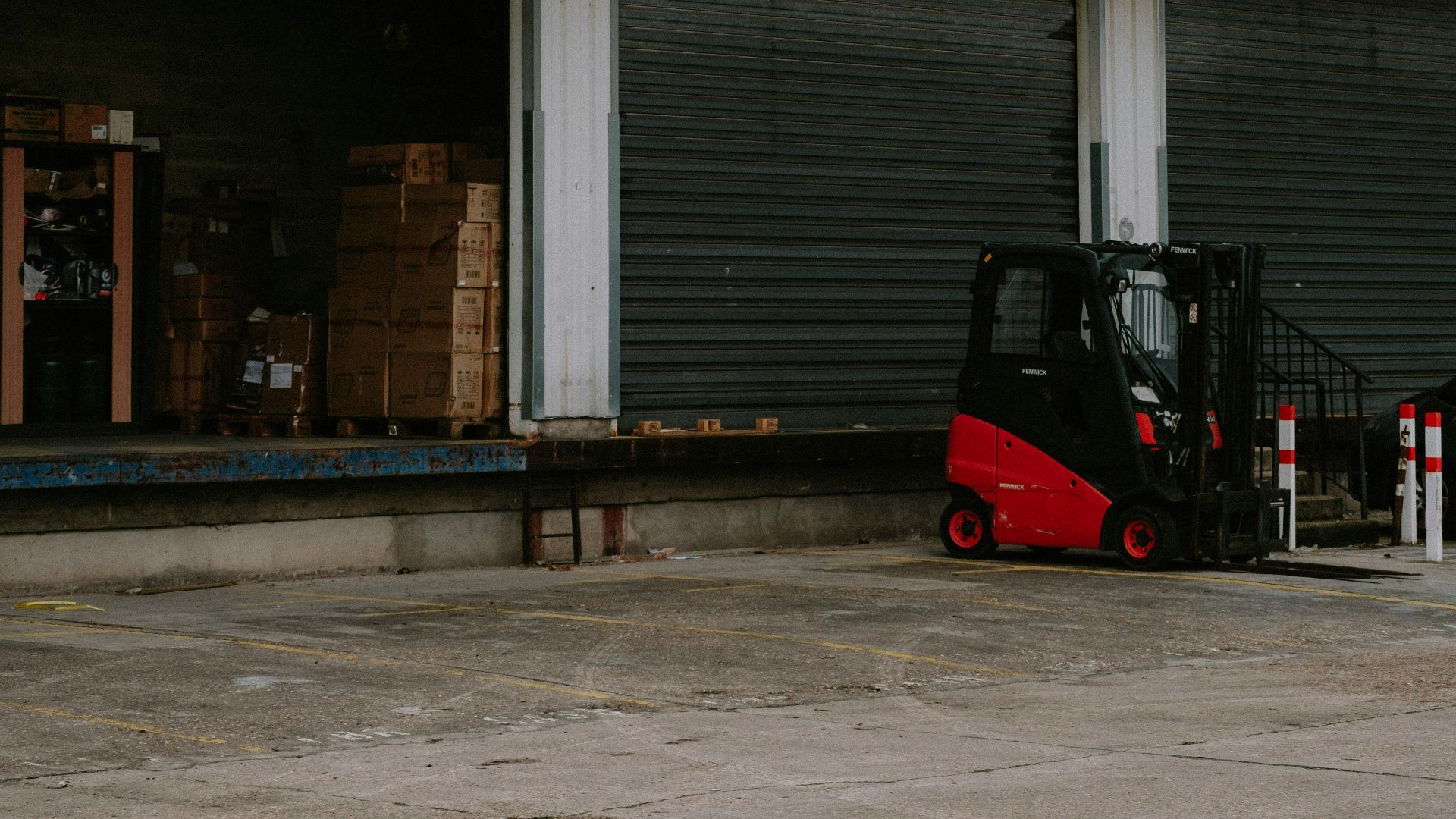
Real training programs teach workers how to handle forklifts safely under actual working conditions. Certified operators understand load limits, turning radii, and emergency procedures that untrained workers simply guess at. Competency earned through structured education directly translates to fewer accidents on the floor.
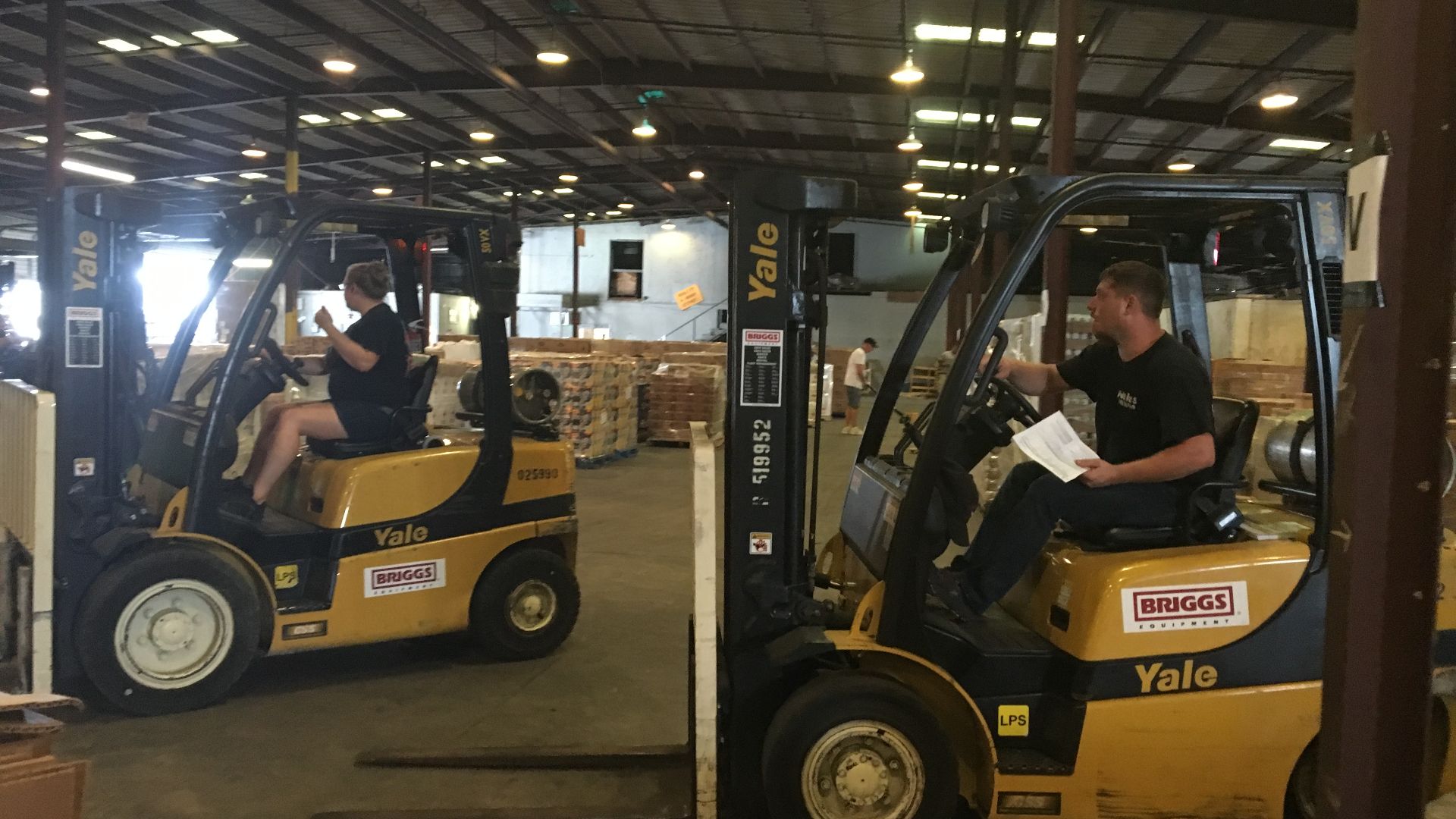
5. Deploy Impact-Resistant Column Guards
Steel barriers surrounding warehouse support columns absorb collision energy that would otherwise damage structural elements. Protective guards turn minor operator errors into non-events rather than facility-threatening catastrophes. Strategic placement protects both infrastructure and workers caught between machines and posts.
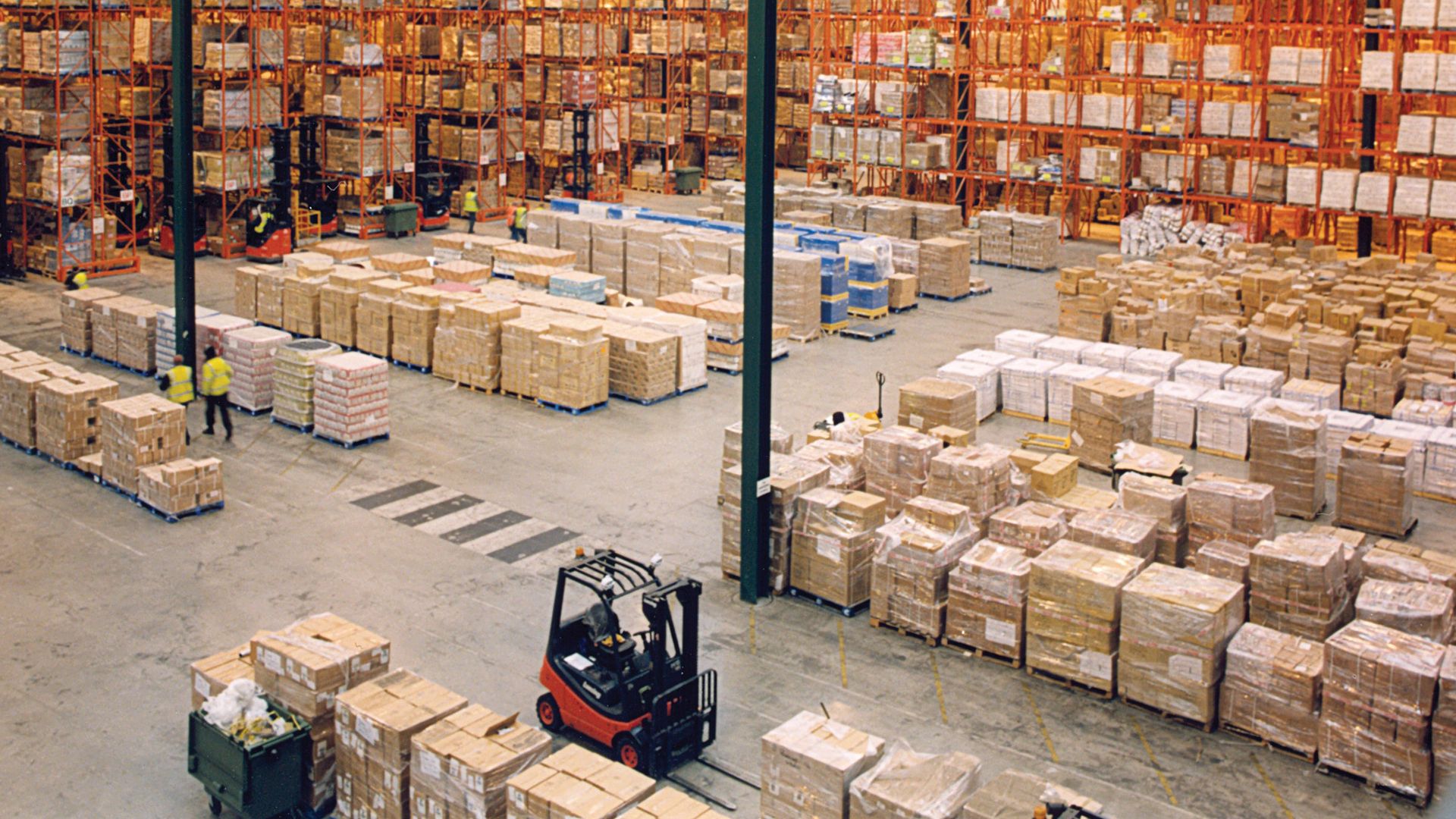
6. Adequate Lighting And Mirrors
Bright overhead lights eliminate shadowy corners where hazards hide from view, and strategically placed convex mirrors let drivers see around blind spots created by stacked inventory. When operators can actually see their surroundings clearly, dangerous surprises become rare.
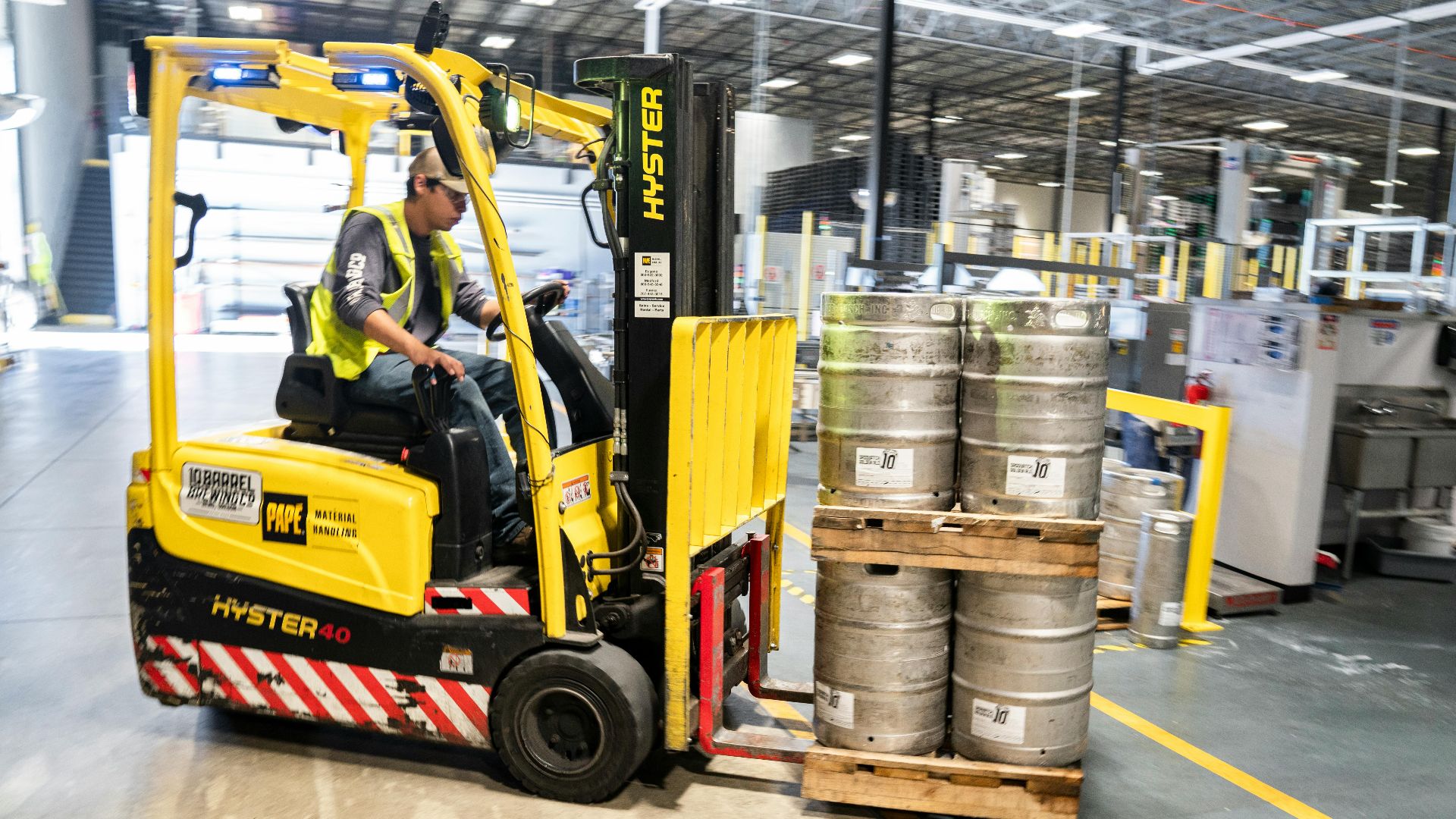
7. Establish Blind Spot Warning Systems
Motion sensors and audible alarms alert operators when pedestrians enter dangerous zones around their machines. Cameras mounted on forklifts feed live video to dashboard screens, eliminating guesswork about what's happening behind stacked cargo.
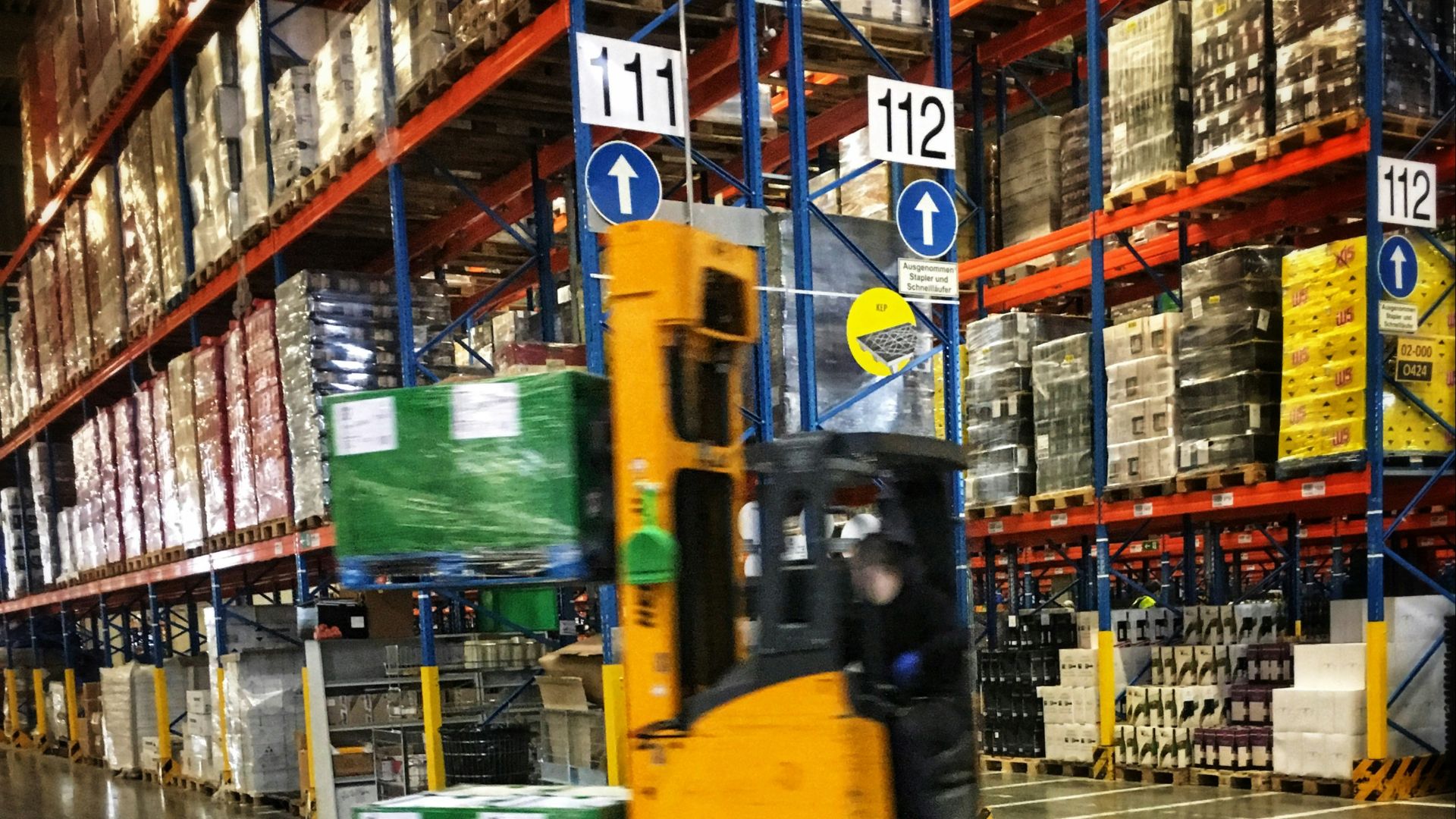
8. Schedule Rotating Shift Patterns
Varying work schedules prevents the mental numbness that comes from identical daily routines. Different shift times expose operators to changing warehouse conditions and traffic patterns. Fresh perspectives throughout the week keep drivers engaged and observant.
9. Digital Safety Records
Electronic inspection logs create permanent trails showing exactly when equipment was checked and what issues appeared. Such transparency through digital records makes everyone accountable for maintaining safe conditions. Moreover, cloud-based systems prevent the "lost paperwork" excuse that used to hide recurring problems.

10. Ongoing Safety Training
Skills fade without practice, and complacency creeps in after months of incident-free operation. Regular refresher courses remind experienced operators about risks they've started ignoring. Continuous education builds workplaces where safety stays front-of-mind instead of becoming an afterthought.