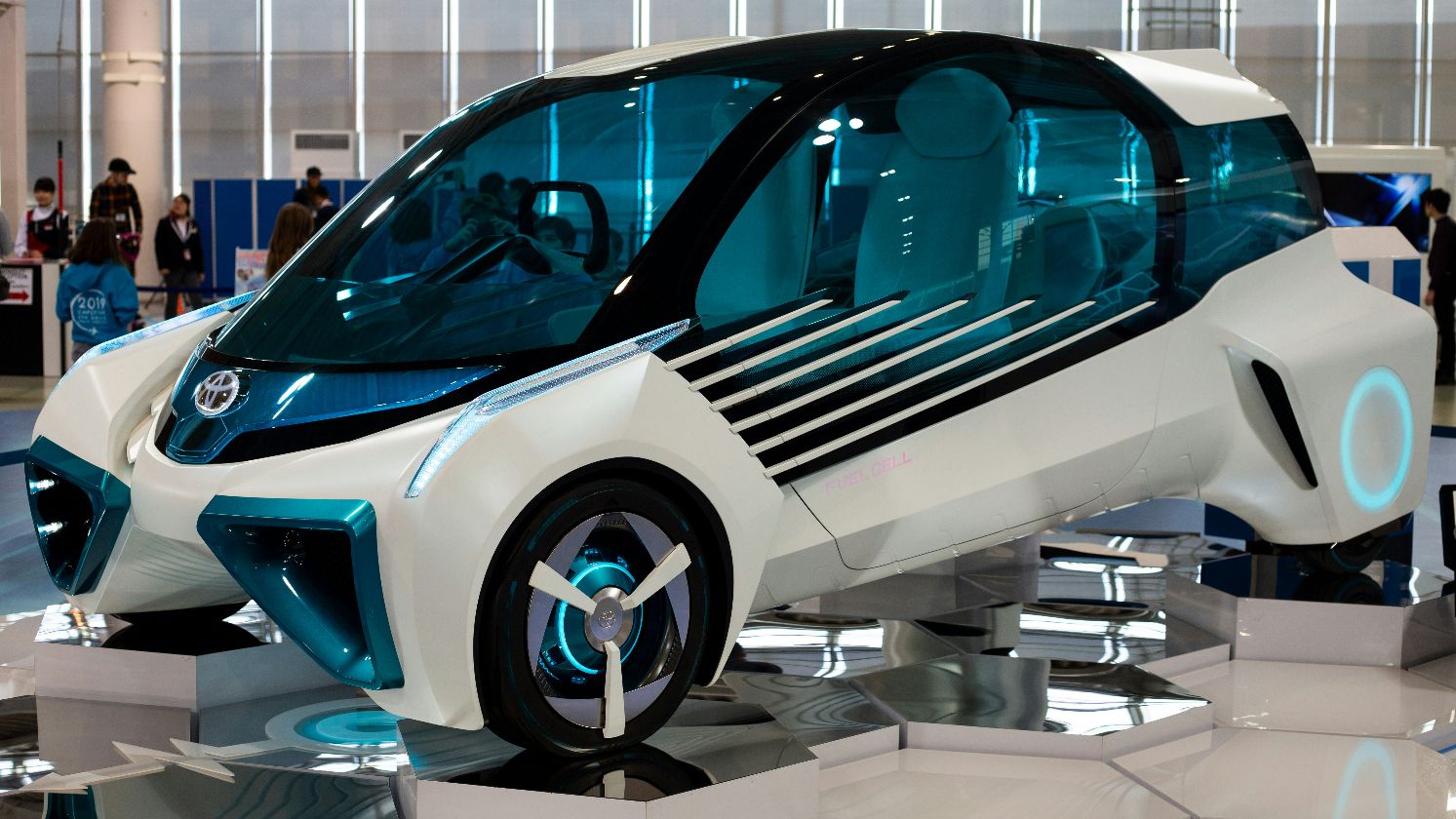

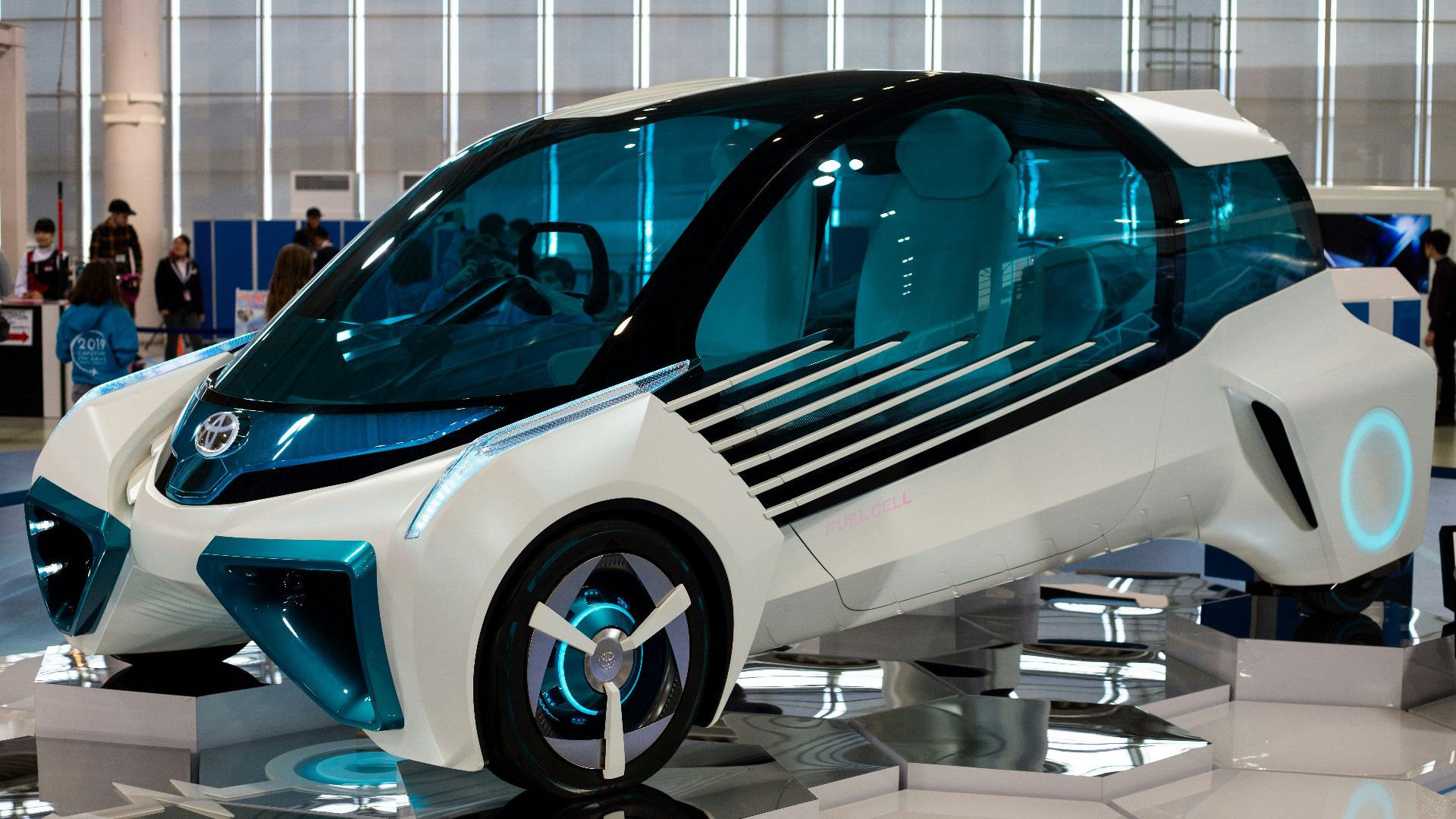
While Tesla and other electric vehicle makers grab headlines, a quieter revolution is happening in automotive engineering. Toyota, Hyundai, BMW, and Honda are pouring billions into hydrogen fuel cell technology, even as most analysts write off the approach as a dead end. The global hydrogen fuel cell vehicle market was valued at approximately $2.4 billion in 2024, according to IMARC Group data. Someone clearly thinks there's a future here.
Refueling Takes Three Minutes, Not Three Hours
Anyone who's taken a road trip in an electric vehicle knows the reality of having to stop, plug in, and wait. Maybe thirty minutes at a fast charger if you're lucky, often longer. Hydrogen changes that equation completely. BMW's iX5 Hydrogen can be refueled in just 3-4 minutes, the same time it takes to fill a gas tank.
For commercial fleets running trucks and buses on tight schedules, that difference matters enormously. Hyundai's XCIENT Fuel Cell truck boasts a range of over 250 miles and can get back on the road almost immediately after refueling. This speed advantage becomes critical for long-haul applications where downtime costs real money.
Heavy Vehicles Need Something Batteries Can't Provide
Batteries work brilliantly for passenger cars. When you scale up to semi-trucks and mining equipment, though, the physics start fighting you. The battery pack needed to move a fully loaded eighteen-wheeler hundreds of miles weighs so much it cuts into cargo capacity.
Hydrogen fuel cells generate electricity onboard without the weight penalty. Hyundai is ramping up production, aiming to mass-produce 110,000 fuel cells annually by 2025, targeting exactly this commercial vehicle market where batteries struggle most. Mining companies, shipping firms, and transit agencies are watching closely.
Asia Is Building Infrastructure Whether the West Follows or Not
Japan holds nearly 98% of Asia-Pacific's share due to hydrogen strategies, with China and South Korea expanding infrastructure. Asia isn’t waiting for consensus; they're installing refueling stations, subsidizing vehicle purchases, and betting their automotive futures on this technology.
The Tokyo Metropolitan Government allocated an increased budget for hydrogen-related initiatives, raising the funding to $134 million for the fiscal year 2024. Japan aims to install 1,000 hydrogen stations by 2030, creating a network dense enough to make hydrogen vehicles practical for everyday use.
Meanwhile, Germany is committing €9 billion to its National Hydrogen Strategy, and European automakers are watching their Asian competitors build leads in manufacturing and infrastructure. BMW and Toyota recently strengthened their partnership to jointly develop fuel cell systems, acknowledging that no single company wants to go it alone on this expensive bet.
The Technology Keeps Getting Better and Cheaper
Early hydrogen vehicles were expensive science experiments masquerading as consumer products. That's changing fast. Proton exchange membrane fuel cells (PEMFC) dominate the hydrogen fuel cell market, accounting for 41.9% of the share, attributed to their high efficiency, compact design, and quick start-up capabilities.
Honda's 2025 CR-V Hydrogen represents the new generation of thinking. Unlike its predecessor, the Clarity Fuel Cell, this version integrates a battery pack alongside the fuel cell system, combining hydrogen's quick refueling with battery's efficiency for short trips. It can even function as a backup power source during outages.
Diversification Beats Putting All Eggs in One Basket
Nobody actually knows which technology will dominate in fifteen years. As regulations continue shifting, battery materials fluctuate in cost, and charging infrastructure struggles to keep pace with demand, having options matters.
Honda is committed to making battery electric and fuel cell vehicles represent 100% of its sales by 2040, but they've opted to develop both technologies simultaneously. Toyota's similar, investing heavily in EVs while maintaining its hydrogen programs. They're hedging their bets in a market where being wrong could cost them their entire business.
Maintaining competency in multiple zero-emission technologies means you can pivot as markets and policies evolve, rather than getting locked into one approach that might not fit every customer's needs.