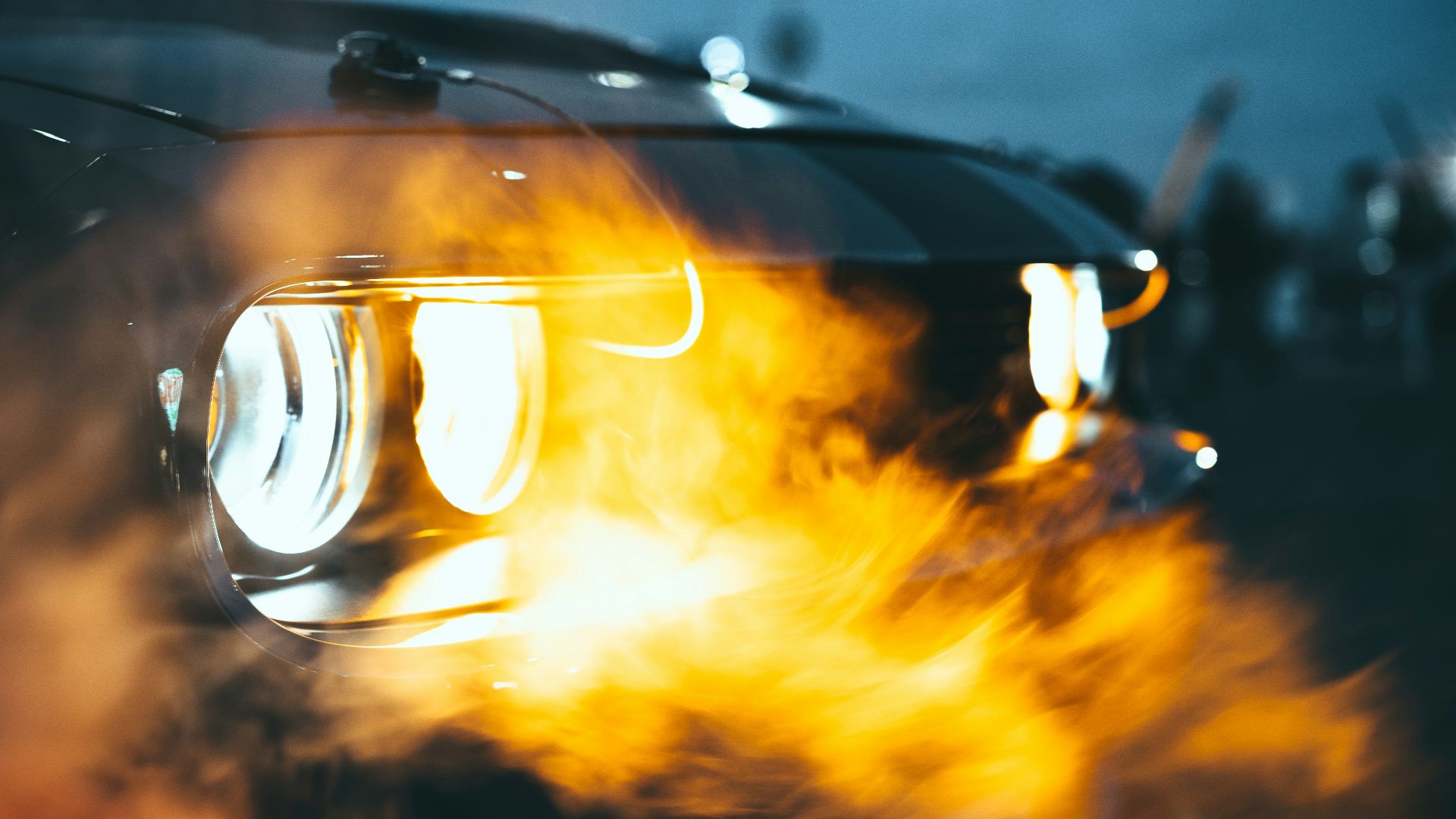
Plug-in hybrid vehicles were supposed to give everyone the best of both worlds: the smooth quietness of electric driving wrapped around the familiar comfort of gasoline. Most days, they do. Yet a rising number of fire-related investigations has pushed these cars into a more complicated spotlight, one where convenience snags on engineering limits, reminding us that progress can get messy.
Thermal Runaway Isn’t Just a Battery Problem
When investigators at the U.S. National Transportation Safety Board (NTSB) reviewed more than a dozen plug-in hybrid fire cases from 2017–2023, they discovered that heat pockets were forming in battery modules after minor collisions. A single puncture can create a chain reaction that escalates dangerously within a matter of minutes.
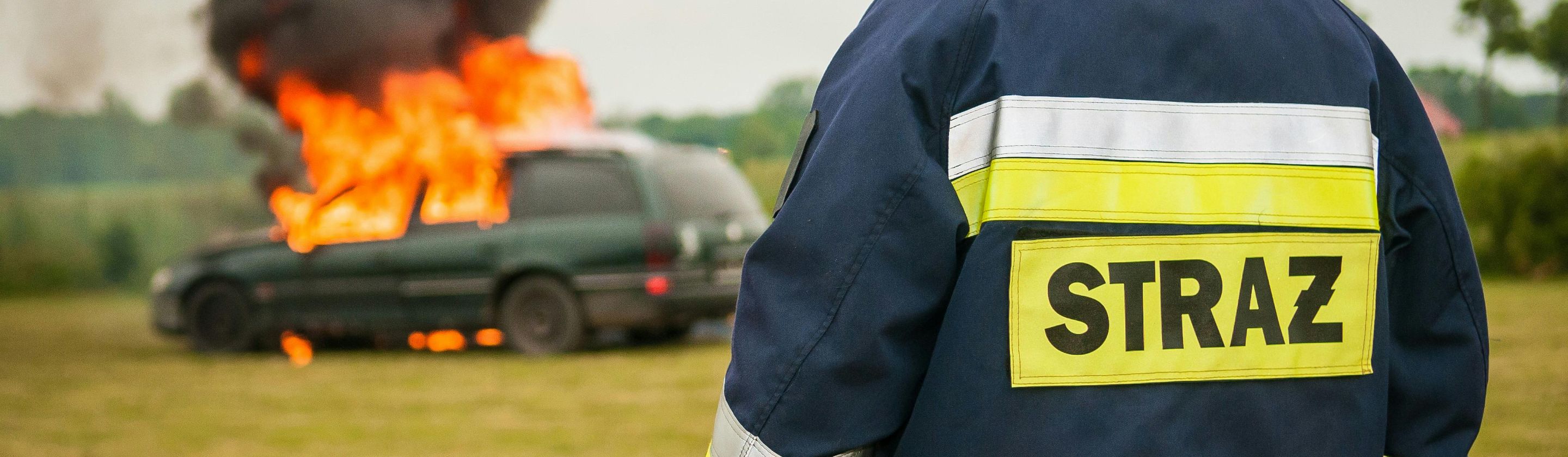
These events tend to start small. They don’t erupt with the cinematic flair seen in viral EV fire videos, though those get all the clicks. The fire starts gradually until the battery’s chemical cocktail pushes past its threshold. Fire safety organizations like the NFPA and IAFC highlight that hybrid vehicles (mixed powertrains with gas engines and batteries) present unique challenges for firefighters compared to pure EVs, due to combined high-voltage systems, fuel lines, and varying cooling setups complicating hazard identification and suppression.
The Gas Tank Still Has a Say
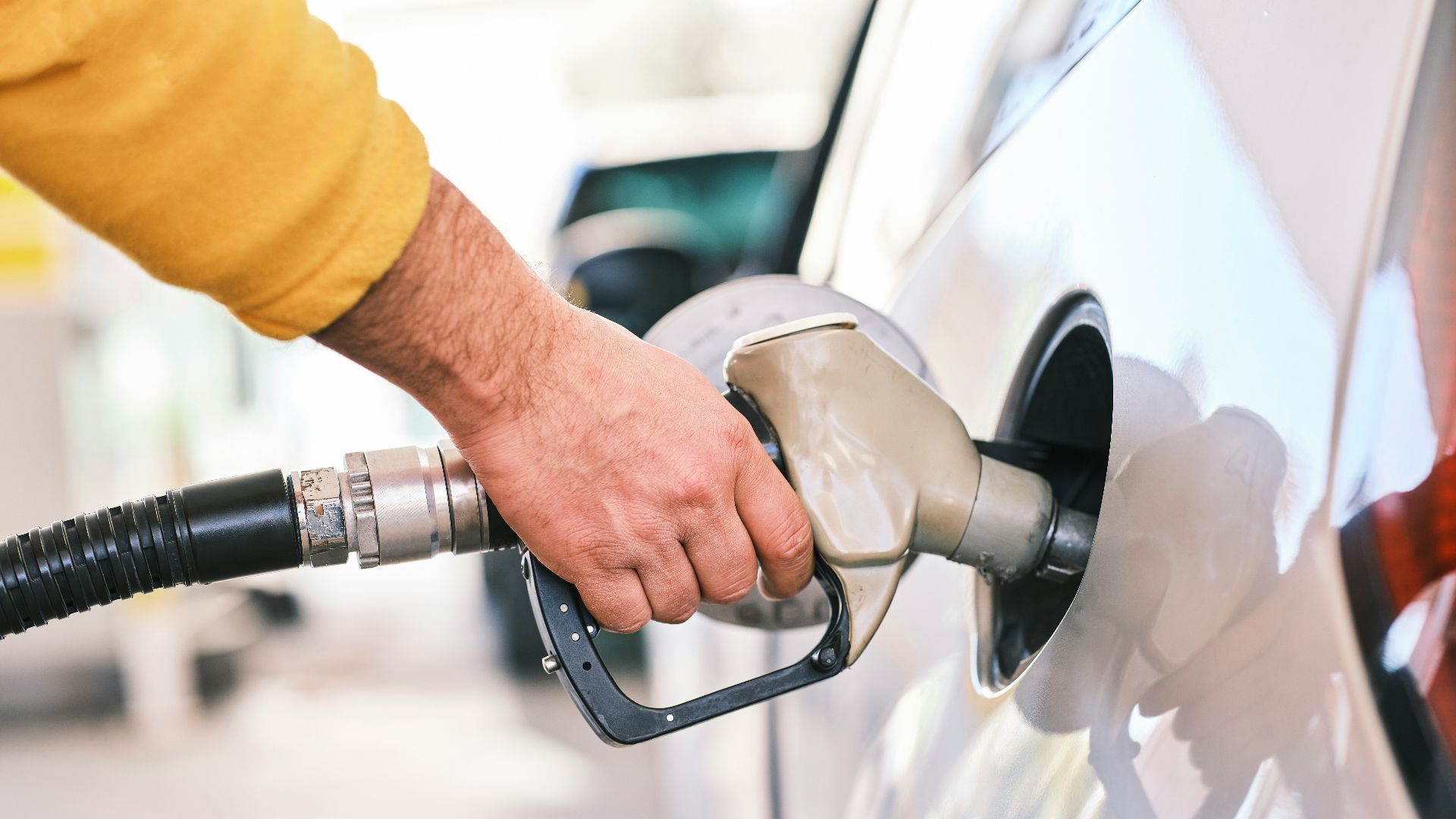
Even though the electric components attract the headlines, gasoline in plug-in hybrids adds a second fire vector, one that behaves differently from lithium-ion cells. The National Fire Protection Association reported that roughly 212,500 vehicle fires occurred in the United States in 2022 across all categories, with gasoline still the dominant source.
When both systems are present, responders navigate two sets of rules at once. Imagine trying to shut off a high-voltage system while also checking for vapor leaks around a warm fuel tank. Hybrid fires create operational complexity akin to addressing two distinct fire risks within the same vehicle.
Charging Habits Matter More Than We’d Like
A surprising number of garage fire cases documented by local departments started with inexpensive extension cords. Owners think the charge will finish before bedtime, but the cord ends up warming considerably beyond the safe limits for thin-gauge wires, straining the outlet while the car’s onboard charger keeps pulling power.
A slow overnight charge on a tired circuit won’t always spark trouble, though it increases the odds. Some homeowners, especially those in older houses, have discovered the hard way that century-old wiring reacts poorly to modern current draws.
Heat Waves Stress the System

High ambient temperatures push batteries toward their comfort limits. During the 2023 Southern Plains heat wave, EV and hybrid owners reported more frequent thermal warnings. The chemistry gets touchy in a heat wave. Coolant loops work harder, and if a battery module was already bruised from pothole impacts or curb scrapes, heat becomes the last nudge.
Meanwhile, gasoline becomes more volatile in extreme heat, building pressure inside the tank. Under a punishing sun, a parked plug-in hybrid can start to feel like a sealed container on a stovetop, the whole vehicle practically humming with stored energy and the strain of keeping itself stable. What looks like a motionless machine is, in reality, quietly wrestling with physics.
Emergency Crews Are Still Adjusting
Fire departments continue updating their manuals. The International Association of Fire Chiefs has released training modules that devote whole sections to hybrid-specific risks, including delayed ignition and battery reignition. Crews now carry thermal cameras to check for hotspots long after flames appear controlled.
Even with better training, response times shift. A battery pack cooled with water can still smolder internally for hours, and a vehicle that seems stable at 3 p.m. can flare again at 7. It creates a strange tension in neighborhoods where tow truck operators wait, engines idling, unsure if the car will behave. Someone always asks the same question: “Is it safe now?” The answer tends to hover somewhere between probably and maybe.