
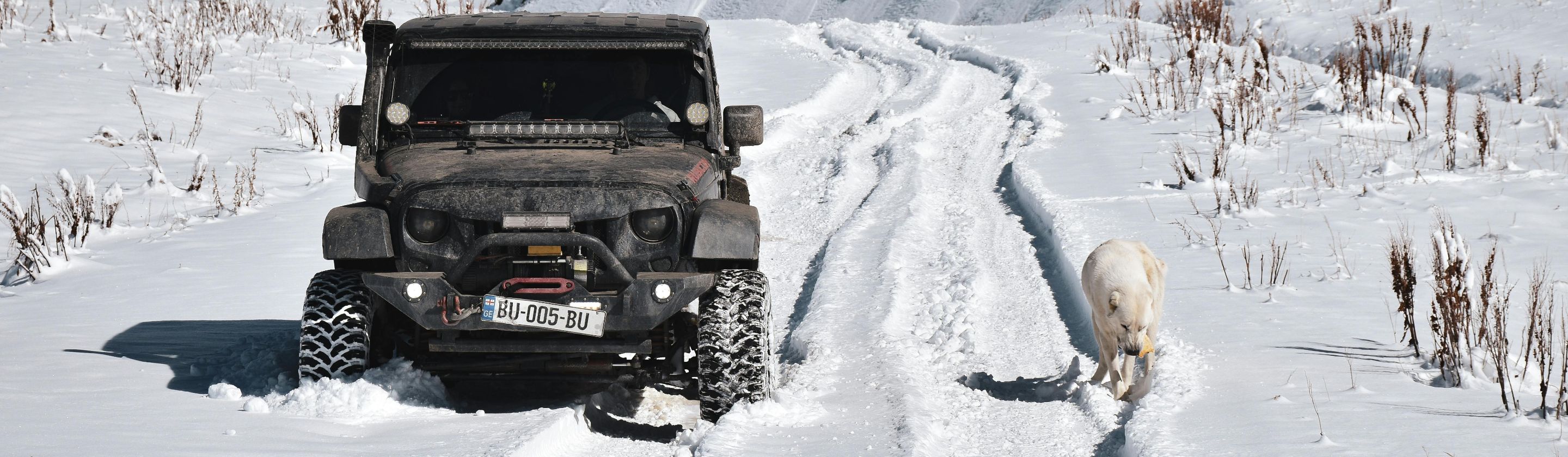
It's Time To Put Your Winter Tires On—Here's Why They're So Important
Here's something most drivers don't realize: winter tires aren't just about snow.
Once temperatures dip below 7 degrees Celsius (about 45 degrees Fahrenheit), the rubber compound in your regular all-season tires starts to stiffen up like a frozen garden hose. That loss of flexibility means less grip on cold pavement, even when it's bone dry outside. Join us as we take a closer look at why winter tires are crucial to have.
Science Behind Winter Tire Performance
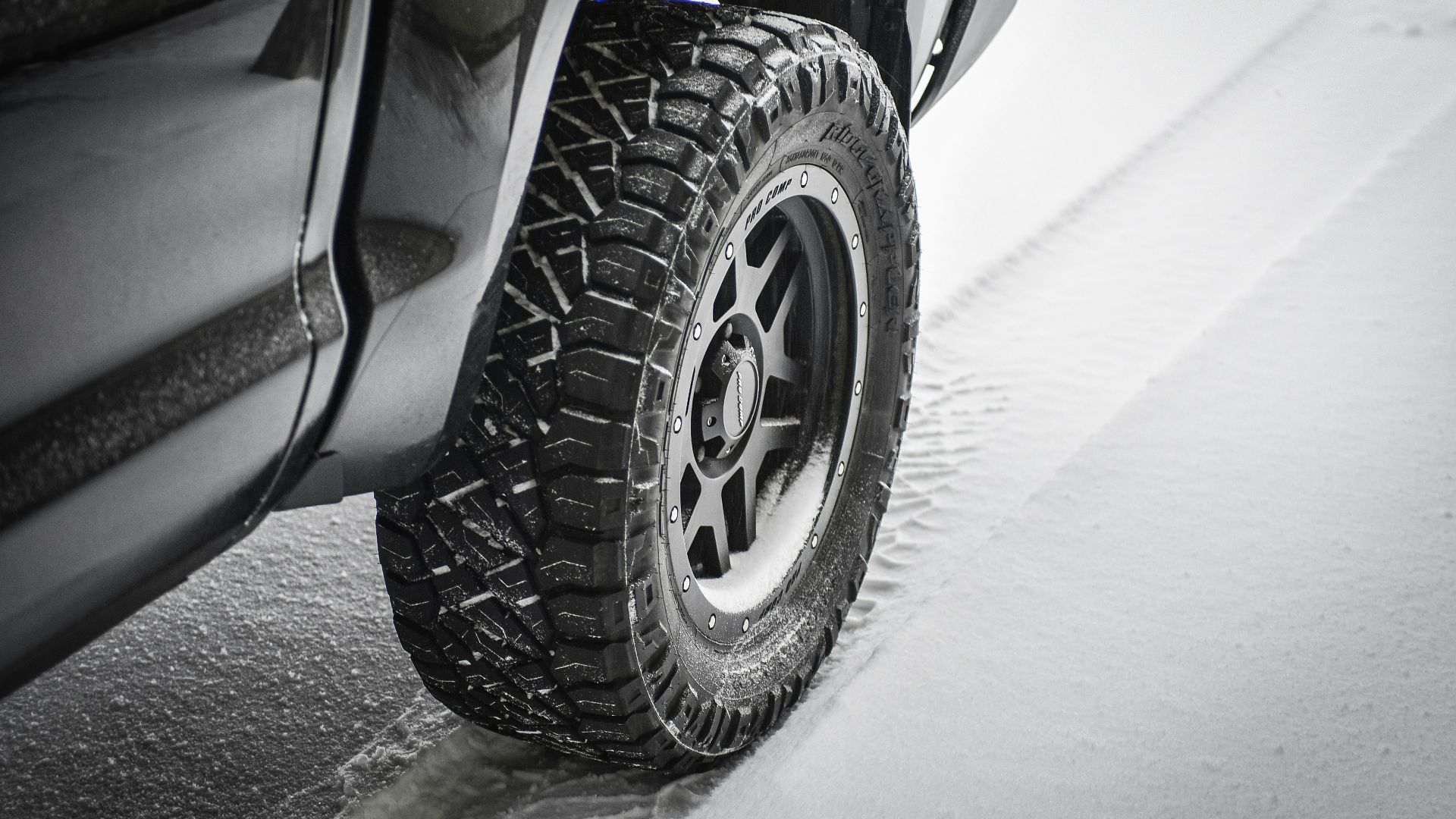
Winter tires are engineered differently from the ground up. They use specialized rubber compounds that stay flexible in freezing temperatures, maintaining their grip when regular tires turn hard and slippery. Think of it like the difference between a warm rubber band and one you've left in the freezer—one stretches and grips, the other snaps.
The tread patterns are designed with deeper grooves and thousands of tiny slits called sipes that bite into snow and ice, channeling away slush and water to prevent hydroplaning. According to the Traffic Injury Research Foundation, winter tires provide superior traction, braking, and cornering in all cold-weather driving conditions—whether the road is dry, wet, icy, or snow-covered. The difference isn't marginal.
A two-wheel drive vehicle equipped with winter tires will actually outperform a four-wheel drive vehicle running all-season tires when temperatures drop.
The Numbers Tell A Compelling Safety Story
In Canada, where winter tire adoption has become more common, the results speak for themselves. A comprehensive study found that Quebec's winter tire mandate led to a 5-percent net decline in winter road accident victims. Even more impressive, deaths and serious injuries from winter road accidents dropped by 36 percent across the province following high adoption.
Currently, only about 16 percent of drivers in northern U.S. states use winter tires, despite facing similar harsh conditions to their Canadian neighbors. Meanwhile, 80 percent of Canadian drivers now use winter tires, and in countries like Germany, Austria, and Switzerland, adoption rates often range from 40 to 80 percent or more due to seasonal mandates.
The correlation between higher usage rates and fewer winter accidents isn't coincidental—it's cause and effect playing out on roads every single winter. Perhaps most telling is this statistic: 84 percent of winter tire owners believe their tires saved them from a hazardous driving situation
That's not marketing hype—that's real people who've felt the difference when they've had to brake hard on black ice or navigate through an unexpected snowstorm.
Your Car Knows The Difference
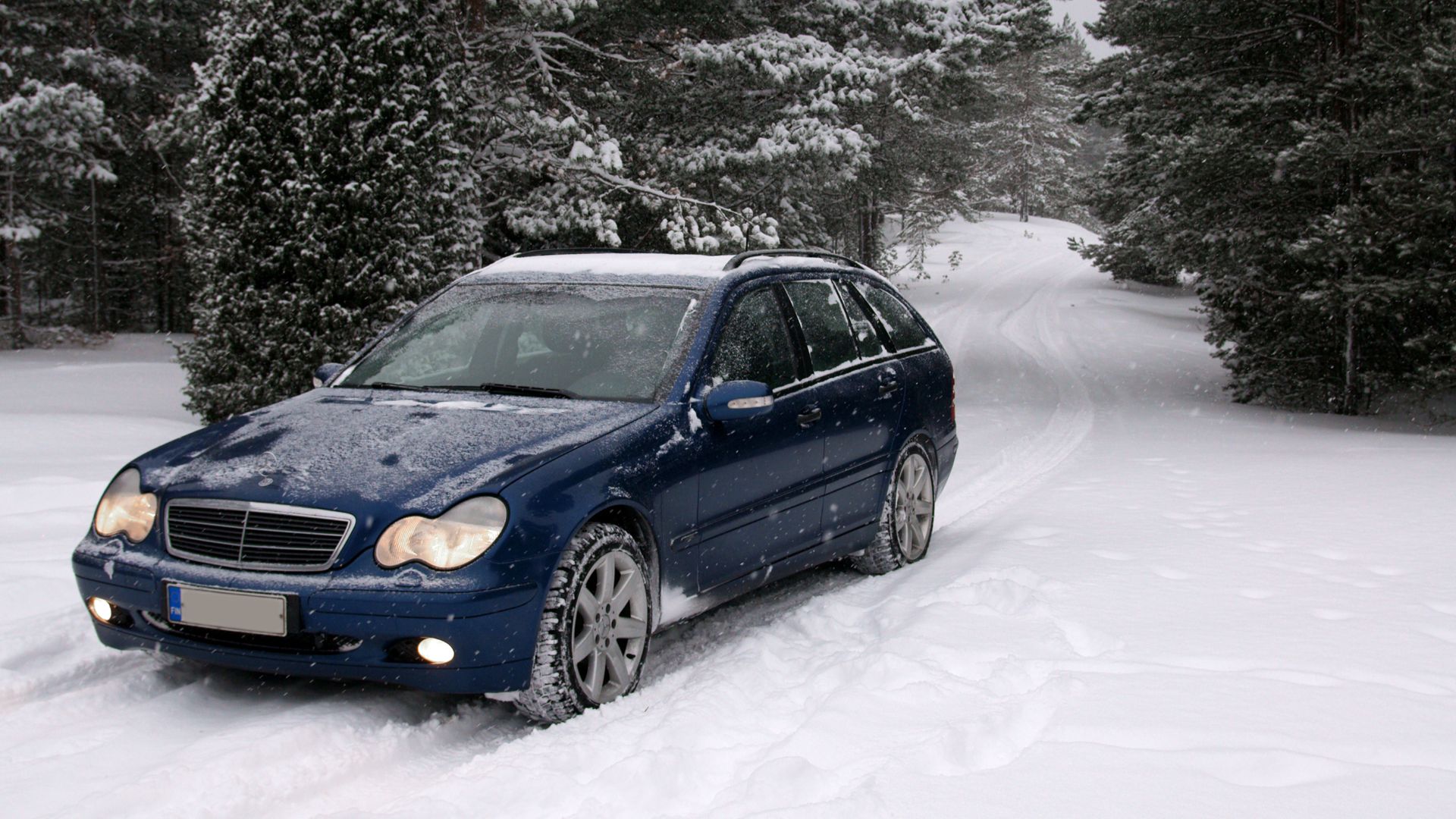
Modern vehicles come loaded with safety features like anti-lock brakes, traction control, and electronic stability systems. These technologies are fantastic, but they can only work with the grip your tires provide. It's like having the best athletic shoes in the world but trying to sprint on an ice rink—the technology can't overcome physics.
Winter tires give all those safety systems the traction they need to actually function as designed. Better braking means shorter stopping distances when someone cuts you off in traffic. Better cornering means maintaining control when you need to swerve around debris or navigate a slippery curve.