Internal Combustion Isn't Dead: Why Gas Engines Still Matter
The electric vehicle revolution gets all the headlines, and perhaps for good reason. What nobody mentions is that the global internal combustion engine market was valued at around $280 billion in 2024 and is projected to reach nearly $500 billion by 2032. That's not a dying industry. That's a sector still growing at nearly 8 percent annually. Gas and diesel engines aren't going anywhere soon, and pretending otherwise ignores some pretty fundamental realities about how the world actually works.
The Numbers Don't Support a Quick Transition
Global vehicle production in 2024 hit around 92 million units, and the overwhelming majority of those still had internal combustion engines under the hood. Yes, EV sales are growing. Nearly 17 million electric vehicles sold worldwide in 2023, which sounds impressive until you remember that's still less than 20 percent of total vehicle sales. The other 80 percent is still burning fuel.
Even modest shifts in new car sales take decades to filter through the actual fleet on the road. The average car in the United States and Europe is twelve years old. In China it's seven years. Those millions of existing combustion engines aren't disappearing just because someone bought a Tesla.
Diesel engines dominate the global combustion engine market and are projected to reach $53.6 billion in sales by 2025. This growth is driven almost entirely by commercial and industrial uses where electric alternatives can't match the performance requirements.
Infrastructure Gaps Favor Combustion Engines
Charging infrastructure sounds great in theory, but access is spotty outside major urban centers. Gas stations are everywhere because we've spent over a century building that network. You can refuel a combustion vehicle in five minutes anywhere from downtown Manhattan to rural Montana.
The lack of charging infrastructure for electric vehicles and the high cost of electric motors are key drivers keeping combustion engines relevant, especially in developing markets where electrical grids are unreliable and investment in charging networks lags far behind what's needed.
Commercial Applications Demand Combustion Power
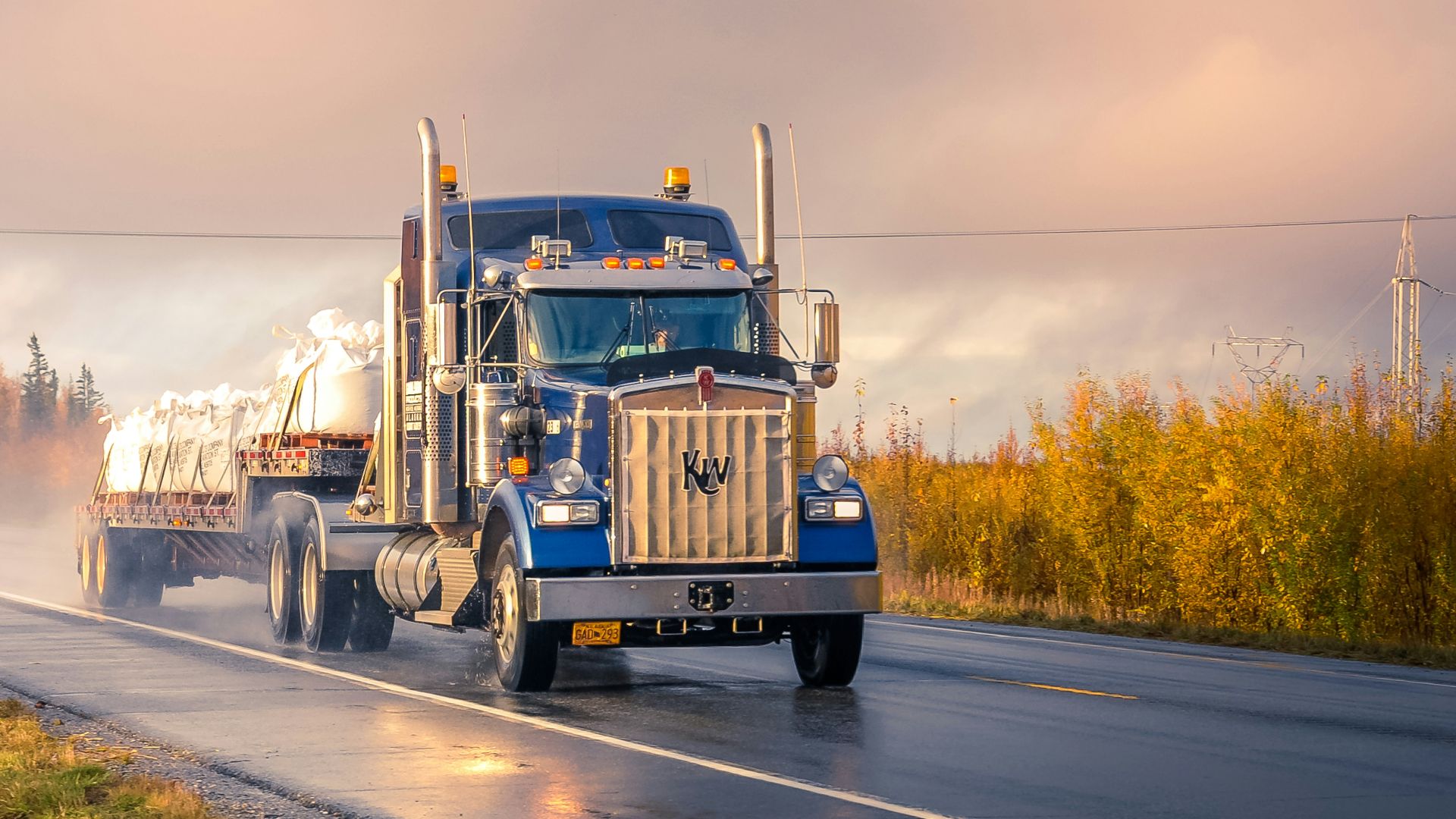
Diesel engines typically achieve 25 to 30 percent better fuel economy compared to gasoline engines, which is why they dominate commercial transportation, construction, and agriculture. A fully loaded semi-truck pulling 80,000 pounds across the country needs an engine that can deliver sustained high torque for hundreds of miles. Current battery technology can't match that without adding so much weight in batteries that you lose cargo capacity.
Construction equipment runs on diesel because job sites often lack electrical hookups, and you can't stop a project to recharge a bulldozer for eight hours. Farm equipment operates in remote locations where charging infrastructure doesn't exist and likely never will. Marine engines power cargo ships, fishing vessels, and ferries where battery weight would be prohibitive and range requirements exceed what's technically feasible with current technology.
Hybrid Systems Extend Combustion Engine Relevance

The future probably isn't pure combustion or pure electric. It's hybrid systems that combine both. Combustion engines paired with electric motors can improve fuel efficiency dramatically while maintaining the range and flexibility that pure EVs lack.
Hybrids let you run on electric power for short urban trips while keeping the combustion engine available for longer journeys or when you need extra power. You get the benefits of electric in stop-and-go traffic where combustion engines are least efficient, plus the range and refueling convenience of gasoline for highway driving. That's not a compromise, that's combining the strengths of both technologies.
Emerging Markets Drive Continued Demand
Asia Pacific held 42 percent of the global internal combustion engine market in 2024, driven by the presence of major automotive manufacturers and increasing demand for both passenger and commercial vehicles. Countries like India and China are still industrializing rapidly, and that process requires millions of combustion-powered vehicles for transportation, construction, and agriculture.
Developing economies can't afford to wait for perfect electric solutions. They need vehicles and equipment that work with their existing infrastructure and budgets. Combustion engines are proven, relatively inexpensive to manufacture, and compatible with fuel distribution networks that already exist. For countries building highways, factories, and cities, diesel-powered construction equipment and trucks are essential tools that electric alternatives can't yet replace.