Ten years ago, a few buttons and knobs controlled everything in your car. Climate control had three dials. Radio had physical buttons you could find without looking. Volume was a knob you could reach out and twist while keeping your eyes on the road. Then Tesla introduced touchscreens, and every automaker decided that covering the dashboard in futuristic glass was the future.
You Can't Use Them Without Looking
Physical buttons provide tactile feedback. Your fingers find that little ridge on the volume knob through muscle memory after a few drives and you come to learn the distinct click of the defrost button, and the texture difference between climate controls and radio presets.
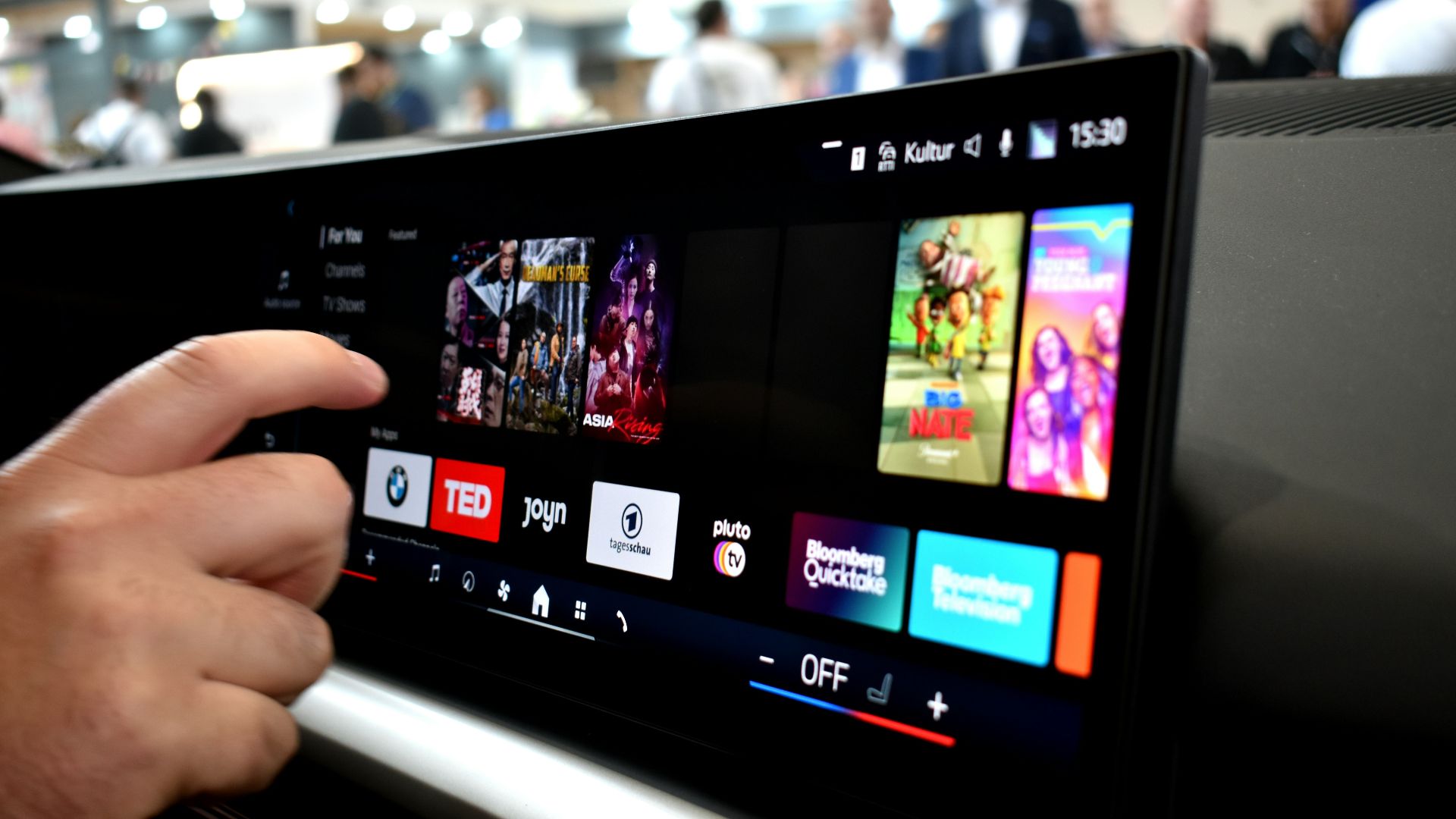
Touchscreens eliminate all of that. Every interaction requires visual confirmation because there's no physical landmark to guide your hand. If you want to adjust the temperature, you need to look at the screen, find the climate menu, make sure your finger is in the right spot, tap it, then wait for the system to respond. That's three to five seconds of distraction for something that used to take half a second.
A 2022 study from the Swedish automotive magazine Vi Bilägare tested how long it took drivers to complete simple tasks in modern cars versus older models with physical controls. Results showed that touchscreen-dependent tasks took drivers' eyes off the road for an average of 23 seconds compared to 10 seconds for physical buttons.
They're Impossible to Use While Driving
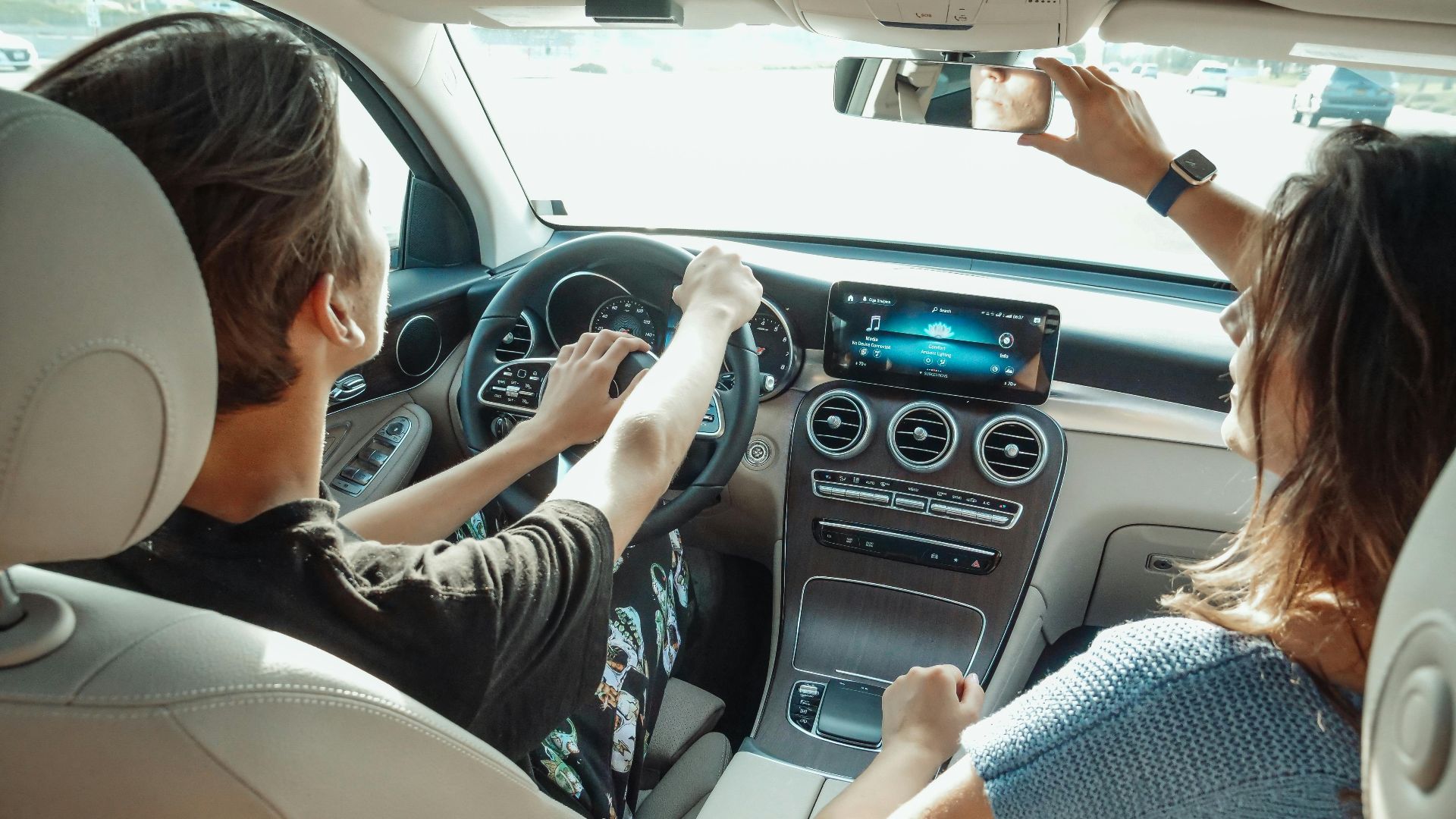
Touchscreens weren't designed for a moving, vibrating environment where you can't look at what you're doing. They were designed for stationary use, like phones and tablets. Trying to hit a digital button while going over bumps or around curves is a recipe for disaster.
The problem gets worse in winter. Gloves make touchscreens nearly useless unless you buy special touchscreen-compatible gloves. We've created a system where you need to remove your gloves to adjust the heat in your car. Engineers somehow decided this made sense.
Tesla's Model 3 famously put windshield wiper controls in the touchscreen. Nothing says progress like swiping through menus during a sudden rainstorm because there's no physical stalk anymore.
Everything Takes More Steps
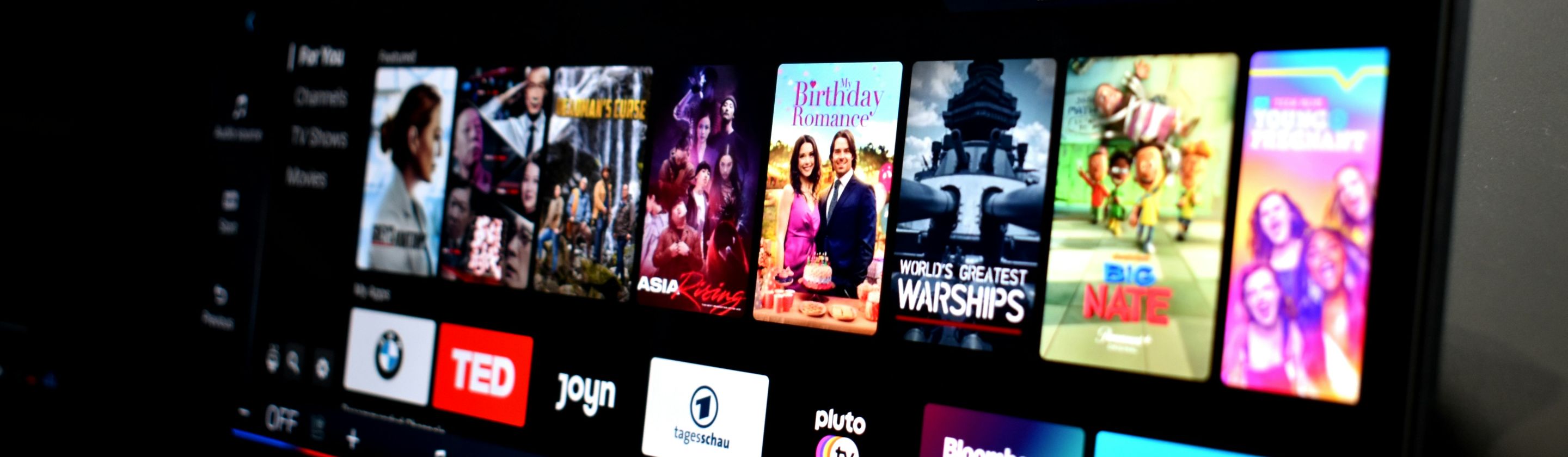
Changing radio stations used to require pressing a button. Now it requires opening the audio menu, selecting the source, choosing the station or playlist, and confirming your selection. The need for three to four taps to accomplish a desired task applies to nearly everything: adjusting fan speed, changing drive modes, or turning off lane assist that won't stop beeping.
Automakers love nested menus because they can hide complexity and make the interface look clean. These minimalist design principles may work for a website but they become dangerous in a vehicle. You're not supposed to spend time navigating interfaces while driving a two-ton machine at 70 miles per hour.
They Age Terribly
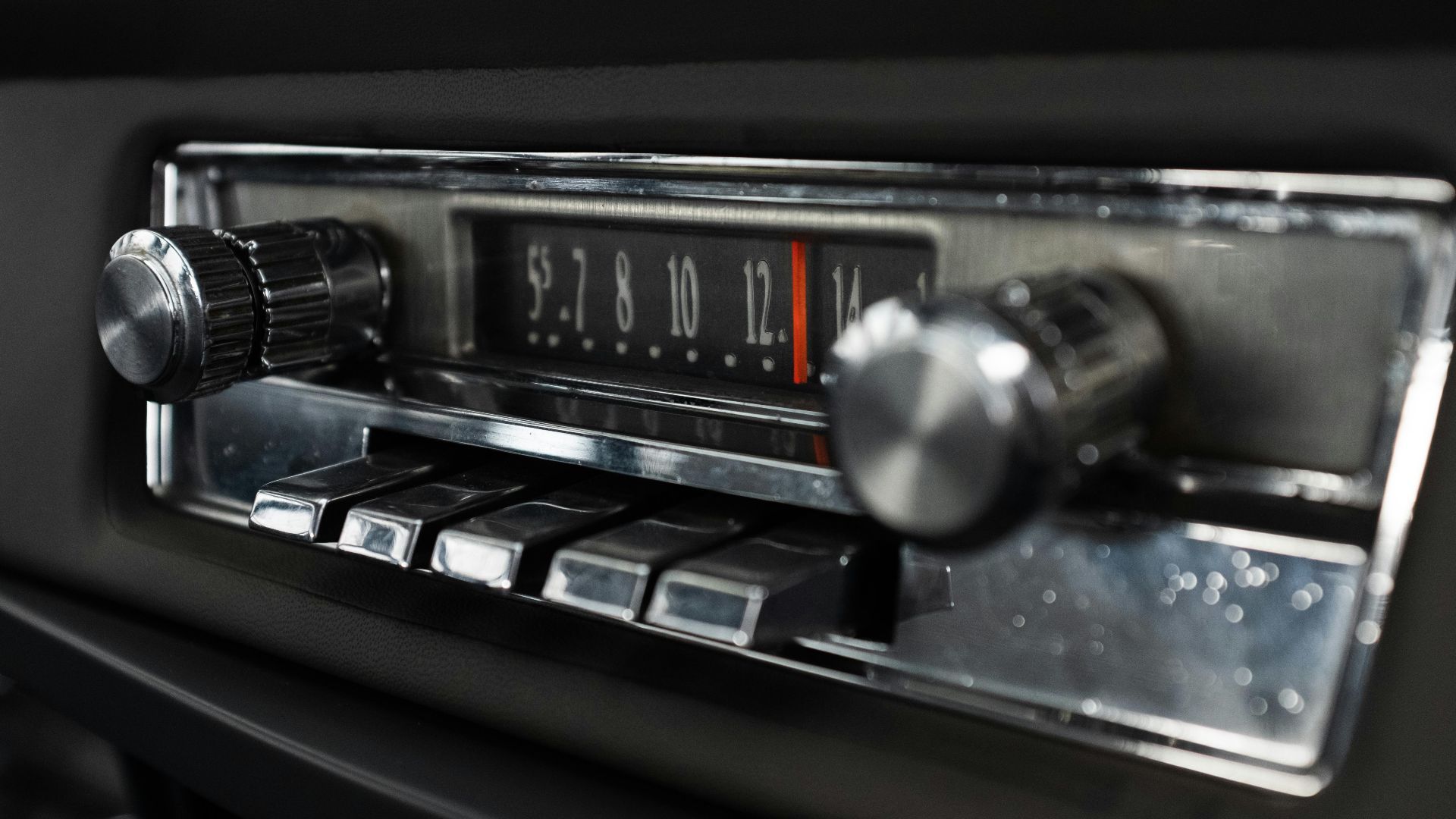
Physical buttons last decades. The knobs in a 1995 Honda Civic still work perfectly fine. Touchscreens, by comparison, slow down as software ages. They freeze and become unresponsive. They develop dead zones where touches don't register, and the cost of replacing these systems is astronomical compared to a broken button.
Worse, they're tied to software that automakers stop updating after a few years. Your car might be mechanically sound with 150,000 miles left in the engine, yet the infotainment system is running ancient software that can't connect to your current phone or support modern apps. You're stuck with a degraded user experience in a machine that otherwise functions perfectly.
They're Solving Problems That Didn't Exist
Nobody complained about having too many buttons. That wasn't a problem that needed solving. Automakers justified touchscreens by claiming they simplified the interface and reduced clutter, when really they just wanted to cut manufacturing costs and look futuristic.
Physical controls cost money. Each button requires tooling, assembly, wiring, and testing. A touchscreen is one part that handles hundreds of functions. Manufacturing efficiency isn't a bad thing, except when it makes the product actively worse to use. Cars became harder to operate safely while automakers patted themselves on the back for innovation.
Euro NCAP, Europe's car safety testing organization, announced in 2024 that they'll start penalizing cars that lack physical controls for essential functions. They finally recognized what drivers have been saying for years: touchscreens are a safety hazard.