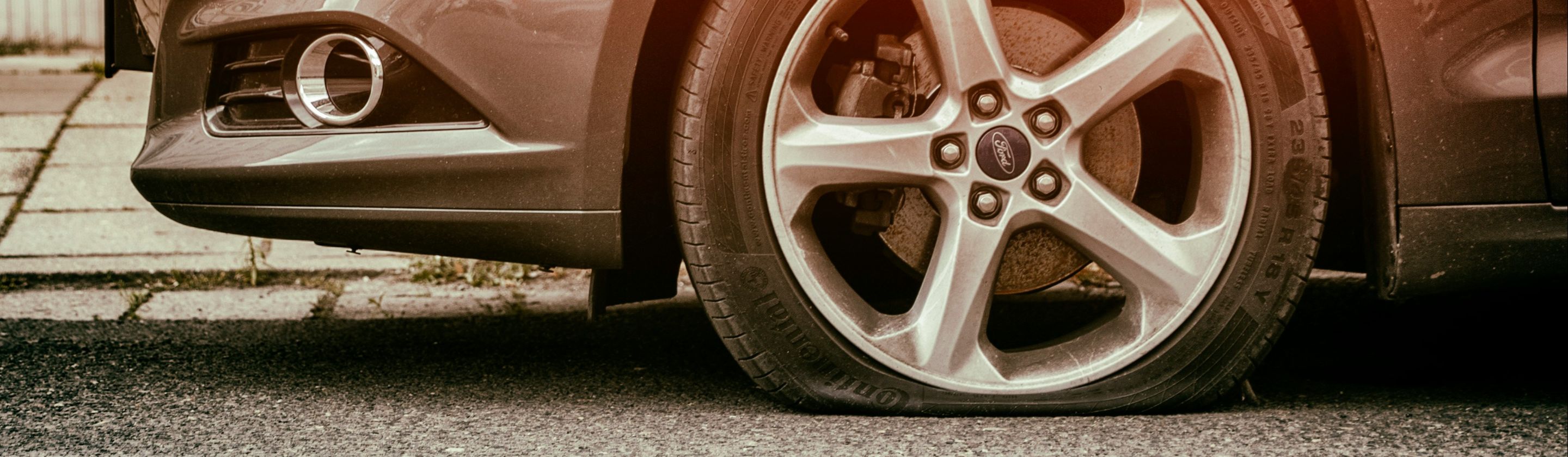

A car’s tires rarely demand attention except for the occasional pressure. Most drivers only notice them when a warning light blinks on the dashboard, or a long brake screech makes their heart skip. But tire wear doesn’t happen overnight.
It’s a slow fade that usually starts quietly and ends loudly. But the goal is to catch that fade before it becomes a story you’d rather not tell. So let's dive into how you can tell when your tires are due for a replacement.
Reading The Subtle Warnings Beneath The Car
Tires speak through texture long before they fail. Run your hand over the surface, and you’ll often feel what your eyes miss. That once-sturdy tread may feel smoother or uneven. As the grooves flatten, your tires lose their ability to grip the road—especially on wet pavement where hydroplaning becomes a real risk.
But this physical inspection is just the beginning. As you continue driving, you may notice your car taking slightly longer to stop or feeling less sure-footed during sudden lane changes. These small changes tend to creep in gradually, which is why they’re easy to dismiss. Still, they serve as early clues that the rubber meant to protect you is no longer performing at its best.
And then there’s the classic tread-depth test—once a quick trick, now a surprisingly accurate indicator. If the tread is worn to 1.6 millimeters or less, your tires are legally and functionally worn out. But most experts suggest replacing them earlier, especially if you regularly drive in rain-heavy or high-speed conditions.
The Telltale Sounds
If texture is the whisper, vibration is the shout. A tire nearing its end often sends tremors through the steering wheel, hinting at internal damage or uneven wear. While vibrations can stem from issues like misalignment or imbalanced wheels, they always mean something in the system is off, and the tires are usually where the chain reaction begins.
Sounds matter too. A rhythmic thumping or a whining hum can reveal broken belts or the kind of uneven wear that no amount of rotating will fix. These noises often become louder at certain speeds, especially during acceleration or deceleration. And because tires affect everything else, these sensations don’t stay isolated. The car may begin to drift on straight roads or feel “floaty” at highway speeds.
The Visual Red Flags You Can’t Afford To Ignore
 Santeri Viinamäki on Wikimedia
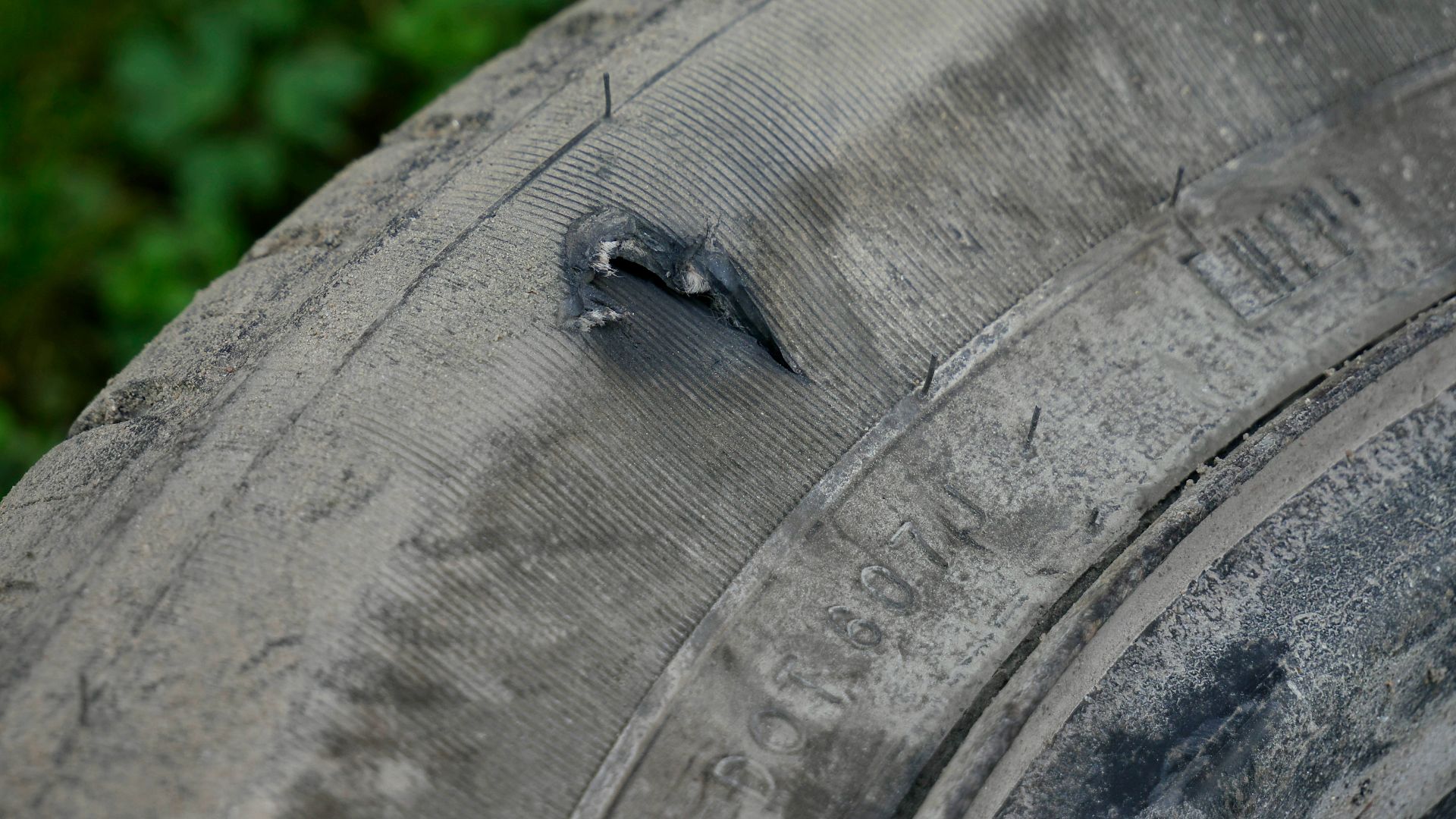
Sometimes, the warnings are far from subtle. Cracks along the sidewall, small bulges, or blisters are signs of structural weakness that can lead to sudden blowouts. These appear when the internal layers separate to create weak spots that expand with heat and road pressure.
Punctures tell their own story. A nail in the center of the tread can often be patched safely, but damage near the shoulder or sidewall compromises the tire's integrity in ways that no repair can fix. Even a slow leak deserves attention—not because it's dramatic, but because it quietly distorts the tire's shape and accelerates wear from the inside out. The safest move is always to catch these warnings early, before they turn into problems that can't be ignored.