
Here’s Why Your Car Keeps Backfiring, And What You Can Do About It

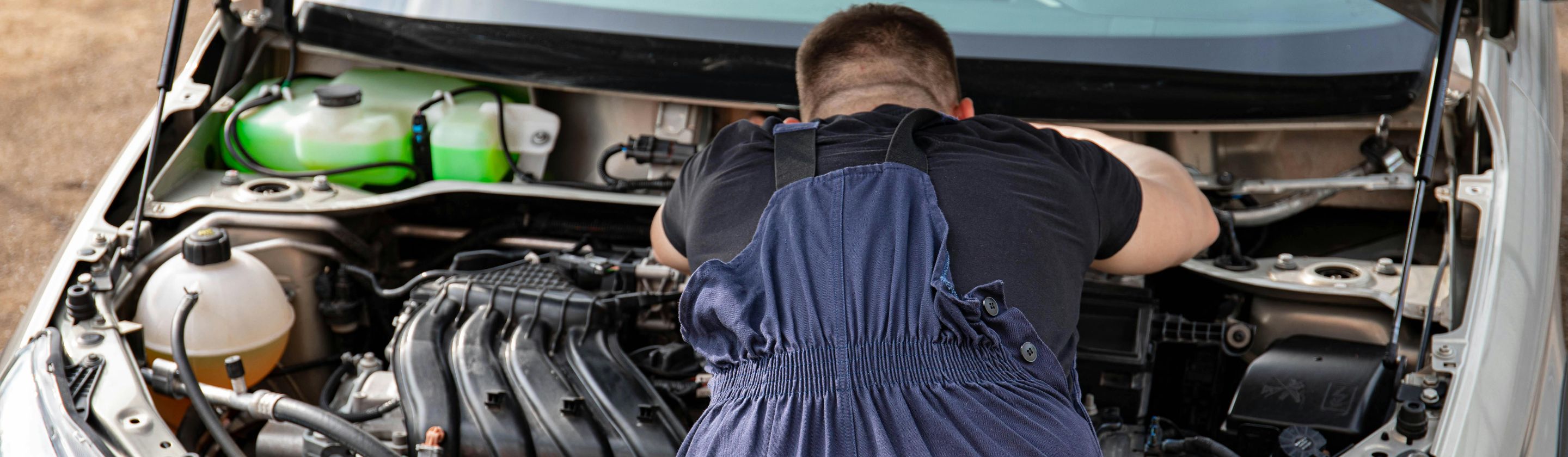
That sudden pop from the exhaust is your engine trying to tell you something. While backfiring might sound like a sign of disaster, it’s often a warning that your car’s fuel and air aren’t playing nice together. Understanding why it happens could save you a costly trip to the mechanic.
So let’s look into what’s really going on under the hood, and how you can fix it before it gets worse.
What’s Actually Happening
When a car backfires, it means fuel is igniting somewhere outside the engine’s combustion chamber—usually in the exhaust. Under normal conditions, the spark plugs fire at the right time, burning a balanced mix of air and fuel inside each cylinder to create power. But when that balance is off or the spark fires at the wrong moment, unburned fuel slips into the exhaust system and ignites there instead, producing that sharp popping sound.
This imbalance can come from a few common issues. A rich mixture—too much fuel and not enough air—often points to something simple, like a dirty air filter or a malfunctioning oxygen sensor that’s sending the wrong signals to the engine computer. A lean mixture, where excess air is the problem, can happen when a vacuum hose cracks or there’s a small leak somewhere in the intake system.
Worn or misfiring spark plugs are another frequent cause. When they fail to ignite fuel inside the cylinder, that fuel gets pushed into the exhaust where it ignites from heat. Incorrect ignition timing or aging components like timing belts and chains can worsen the problem.
How To Stop The Pops
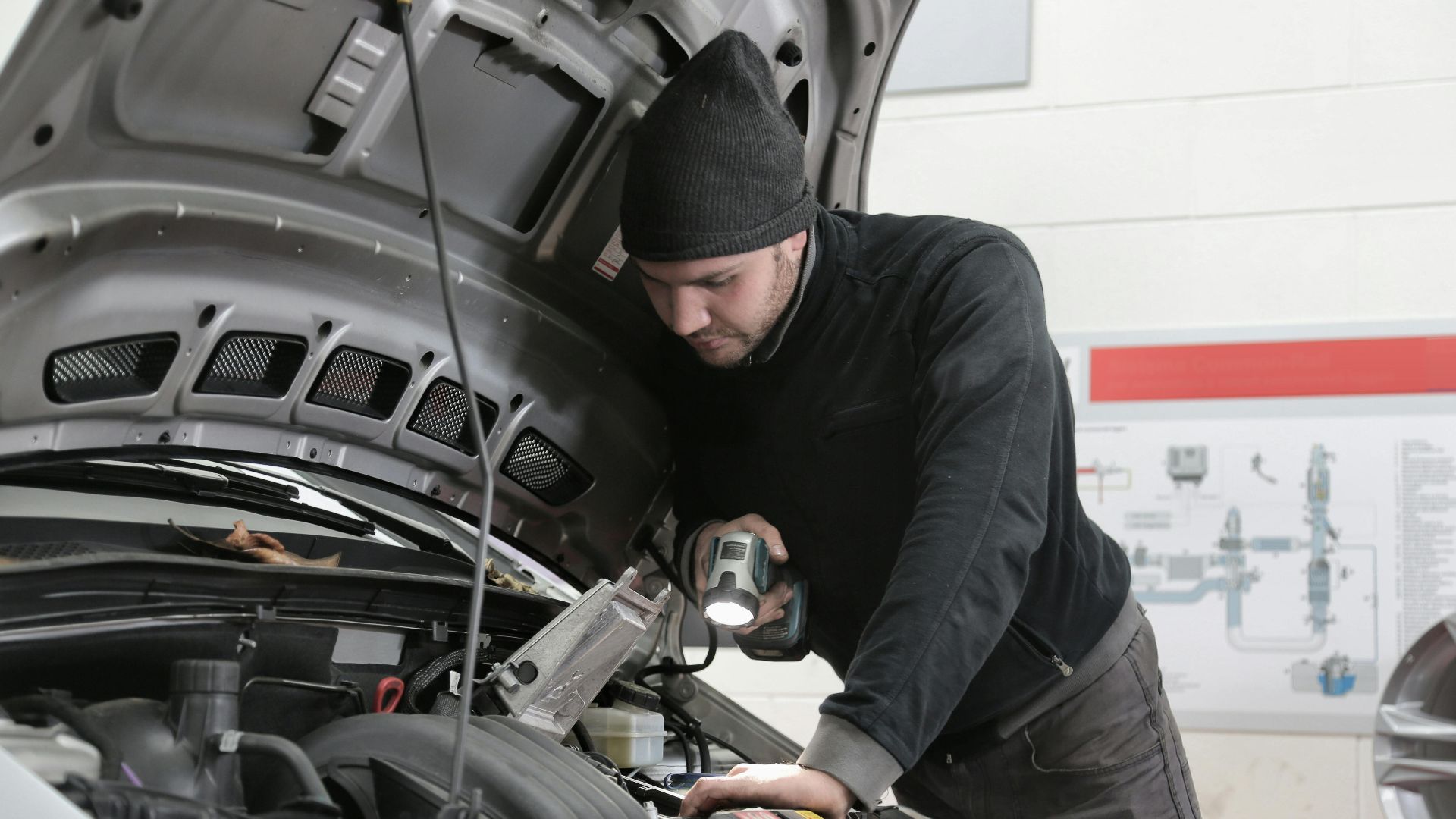
A good starting point is the spark plugs. Pull them out and look for signs of wear, oil, or heavy carbon buildup. If anything looks off, replacing them is a quick and inexpensive fix. After that, take a look at the air and fuel filters. Both play a big part in maintaining that delicate balance your engine depends on, and both gradually lose efficiency as they trap debris.
If the engine seems to run unevenly or the popping becomes more persistent, check for vacuum leaks. With the hood open and the engine idling, listen for a faint hiss. A loose clamp, brittle hose, or cracked connector can let in extra air. Replacing a worn hose or tightening a connection can calm things down immediately.
On newer cars, sensors do a lot of the decision-making. A weak oxygen sensor or a failing mass airflow sensor can skew the entire system. The good news is that both are affordable and easy to swap, even for beginners with basic tools.
If you’ve covered these steps and the noise still hasn’t eased up, it’s time for a mechanic to take a deeper look. Persistent backfires can signal worn timing components or more complex fuel-delivery problems. Catching those early keeps the repair smaller—and your drives a lot quieter.