Back To Old School: Drivers Prefer Physical Buttons Over Touchscreen And Here's Why
Back To Old School: Drivers Prefer Physical Buttons Over Touchscreen And Here's Why
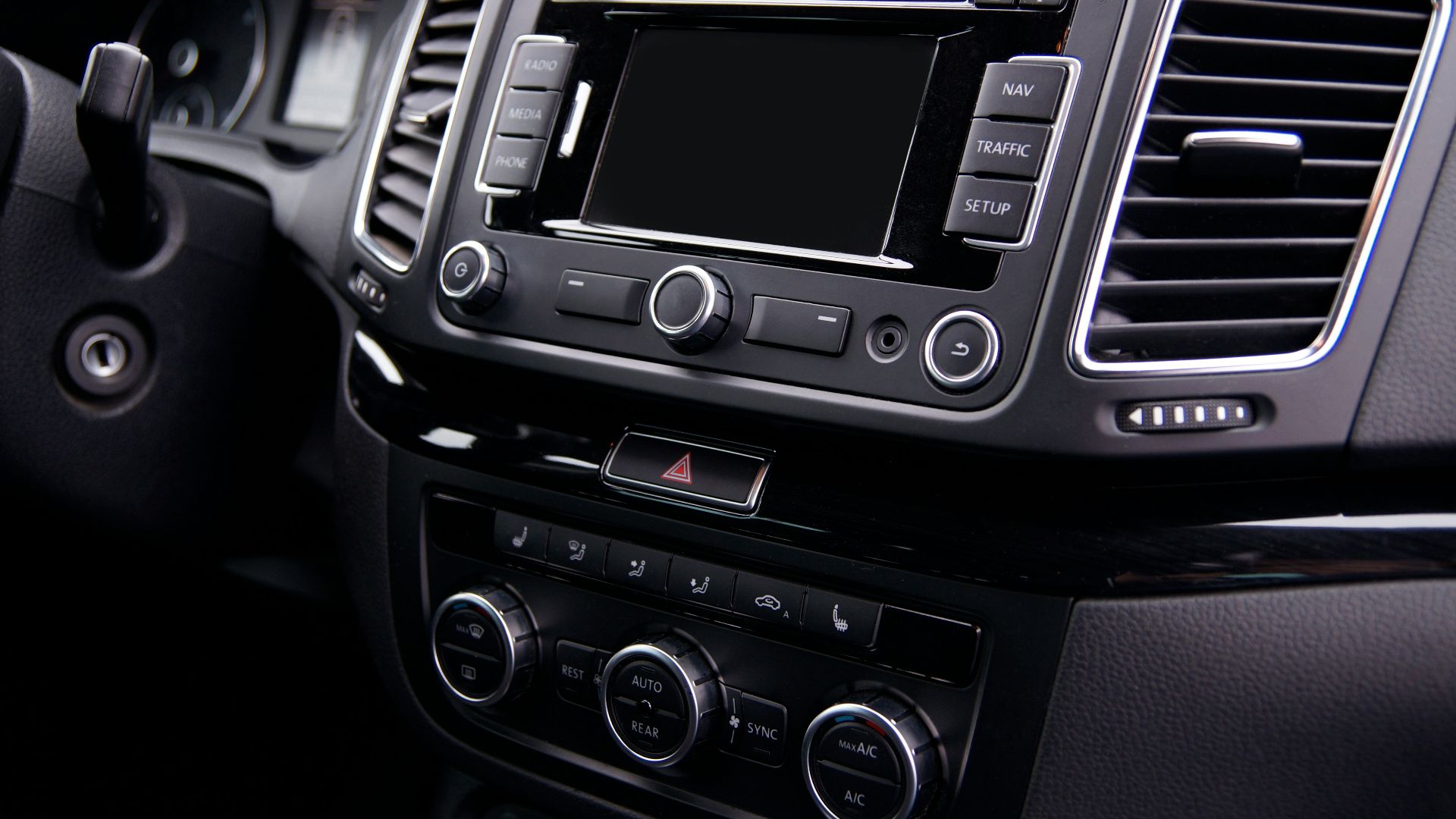
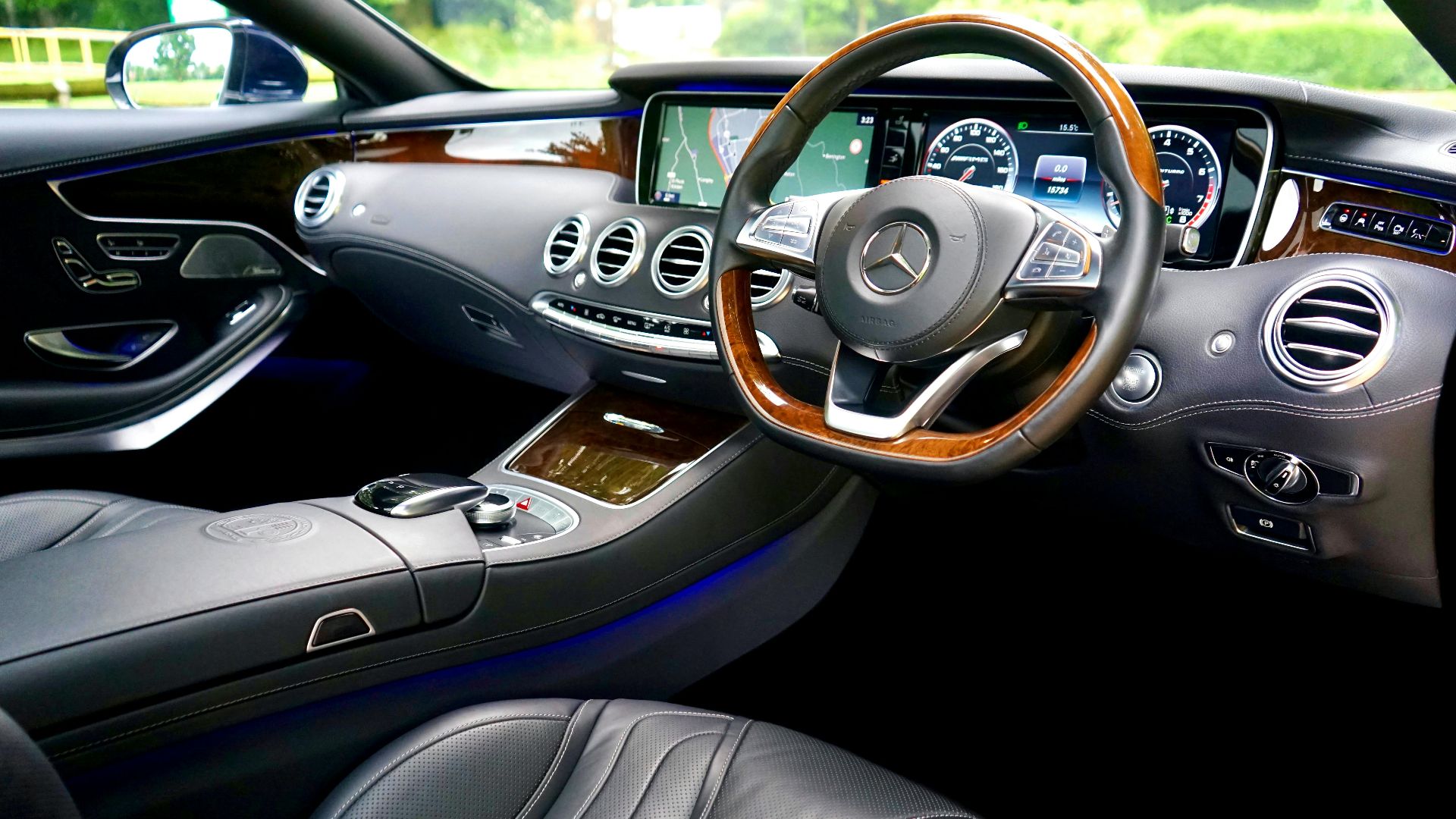
Remember when your car had actual knobs you could twist without looking? Those tactile clicks and bumps that let you adjust the air conditioning while keeping your eyes glued to the road? Well, drivers are starting to realize what they've lost in the mad dash toward touchscreen everything. The automotive industry spent the last decade cramming tablets into dashboards, convincing us this was progress.
But here's the thing: our fingers are staging a rebellion, and they want their buttons back.
The Fumble Factor
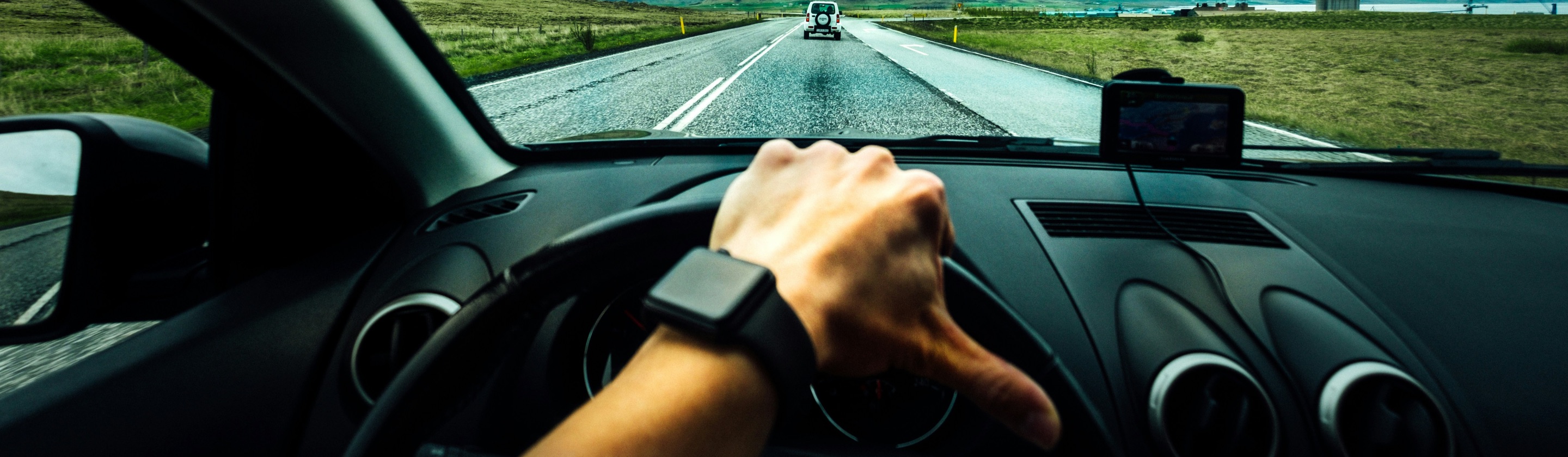
Imagine you're cruising down the highway when suddenly you're too cold. With old-school buttons, your hand instinctively reaches for that familiar dial, finds it by feel alone, and gives it a twist. Mission accomplished in two seconds flat, eyes never leaving the road. Now imagine the touchscreen version of this simple task. First, you glance down to wake up the screen.
Then you hunt for the climate control icon among a dozen others that all look vaguely similar. You tap it, wait for the menu to load, then carefully press the tiny plus sign to bump up the temperature. Maybe you overshoot and need to tap again. The whole ordeal takes fifteen seconds and requires multiple glances away from traffic.
This isn't just about convenience. It's about the fundamental way humans interact with tools while doing something else. Physical buttons exploit what's called muscle memory and haptic feedback. Your brain creates a mental map of where everything is, and your fingers can navigate that map through touch alone. You know when you've pressed something because you feel it click. Touchscreens offer none of this.
They're smooth, flat, and identical under your fingertips, forcing you to use your eyes to confirm every single action.
When Technology Backtracks
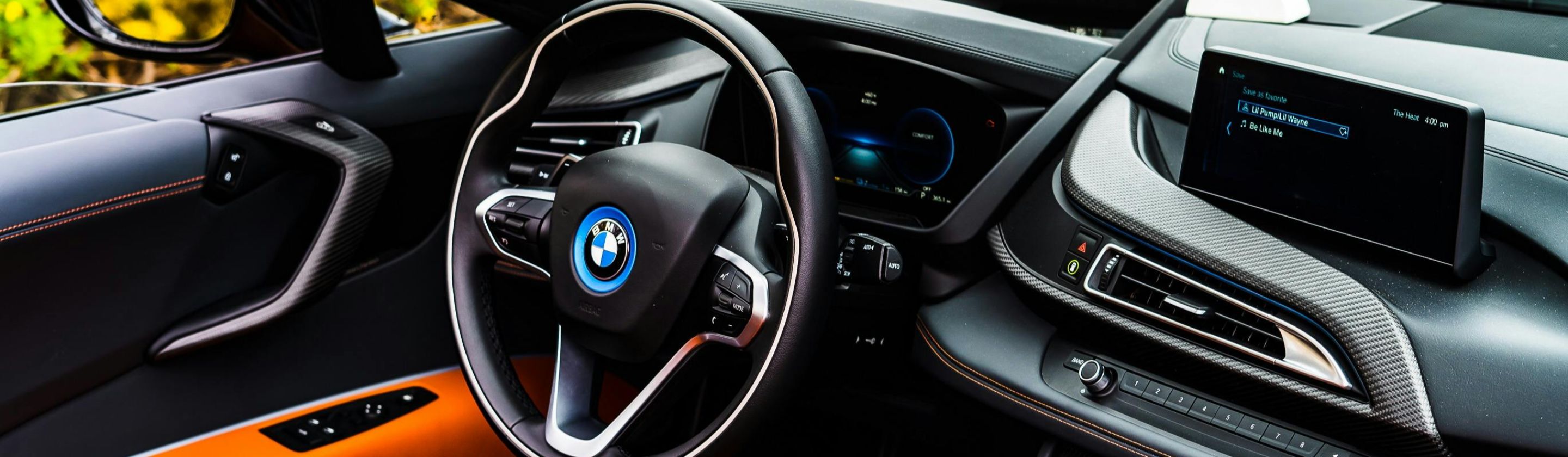
The automotive world is now witnessing something rare: a tech reversal. Major manufacturers are quietly reintroducing physical controls after years of touchscreen dominance. Volkswagen admitted its touch-heavy interiors were frustrating customers and brought back real buttons for climate controls. Hyundai's designers publicly stated they're adding more physical switches because people actually want them.
Even luxury brands that pride themselves on tech are rethinking their strategies. This backpedaling isn't happening because companies suddenly got nostalgic. It's happening because drivers complained loudly enough that ignoring them became bad business. The touchscreen experiment revealed a harsh truth: just because we can put something on a screen doesn't mean we should.
Some interfaces need to stay physical because the alternative genuinely makes cars harder and more dangerous to operate.
The Safety Sweet Spot
Safety researchers have been sounding this alarm for years, but it took widespread frustration for anyone to listen. The core issue is distraction. Every second your eyes leave the road, you're essentially driving blind. At highway speeds, a three-second glance down means you've traveled the length of a football field without watching where you're going.
Physical buttons minimize this danger because they work by feel, turning complex interactions into simple, tactile movements that become automatic over time.