
When The Engine Ghosts You
A car that will not start has a special way of ruining confidence. One second, everything feels normal. Next, silence takes over, and questions spiral fast. No-start problems often hide behind ordinary moments like grocery runs or rushed mornings, which makes them feel more annoying than dramatic. This article looks at the everyday reasons engines refuse to cooperate, focusing on how those problems usually show up in real life.

1. Dead Or Weak Battery
Morning plans fall apart fast when a car refuses to respond. AAA reports that roughly 30 to 40 percent of no-start complaints trace back to battery failure. And after three to five years, capacity declines, and voltage often drops below 12.4 volts.
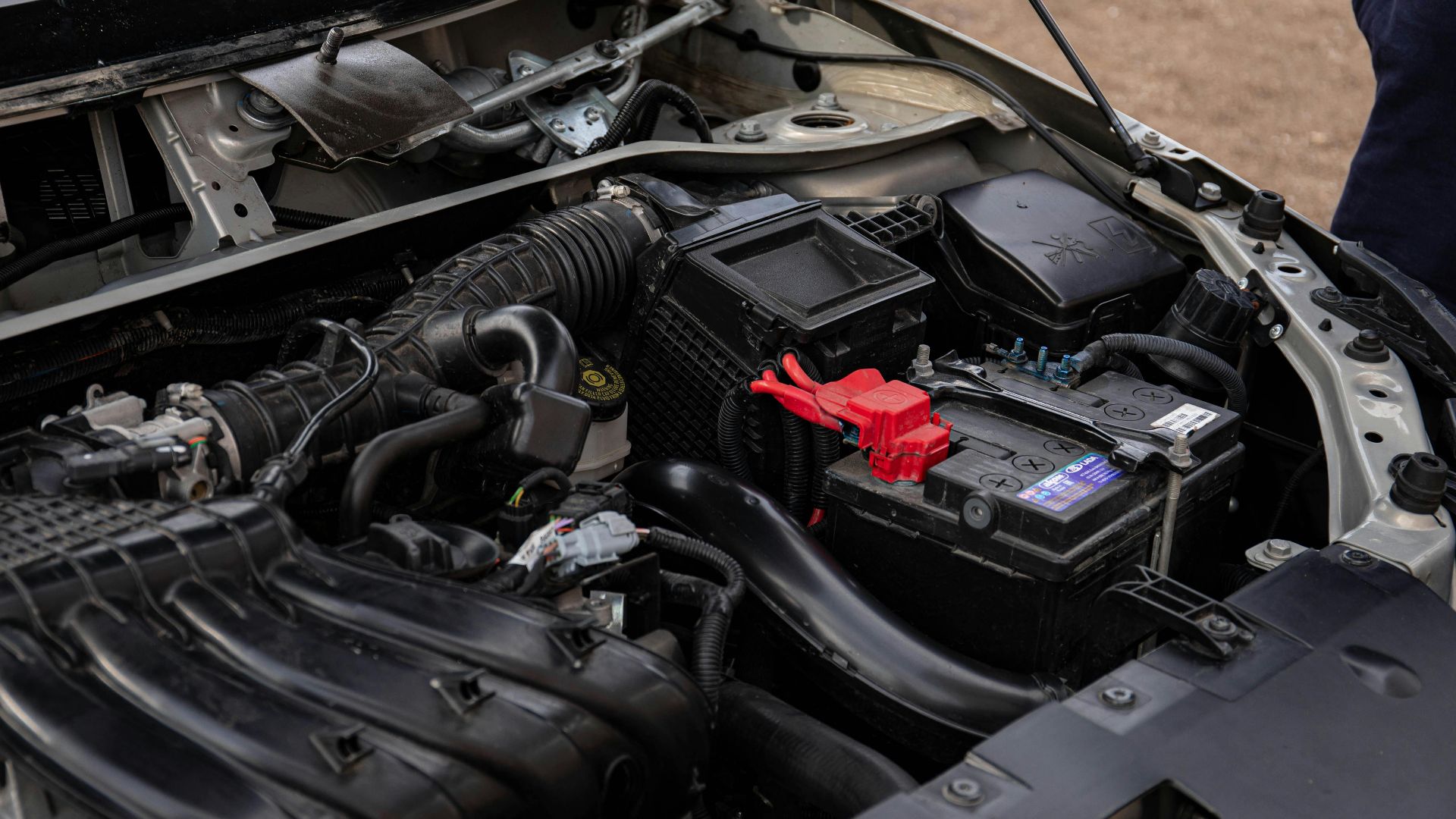
2. Corroded Or Loose Battery Terminals
Electrical resistance increases as battery acid vapors attack exposed metal surfaces. Lead sulfate or copper sulfate buildup becomes common after two years, particularly in humid regions. Furthermore, loose terminals reduce the effective contact area and interrupt the high current required by the starter.
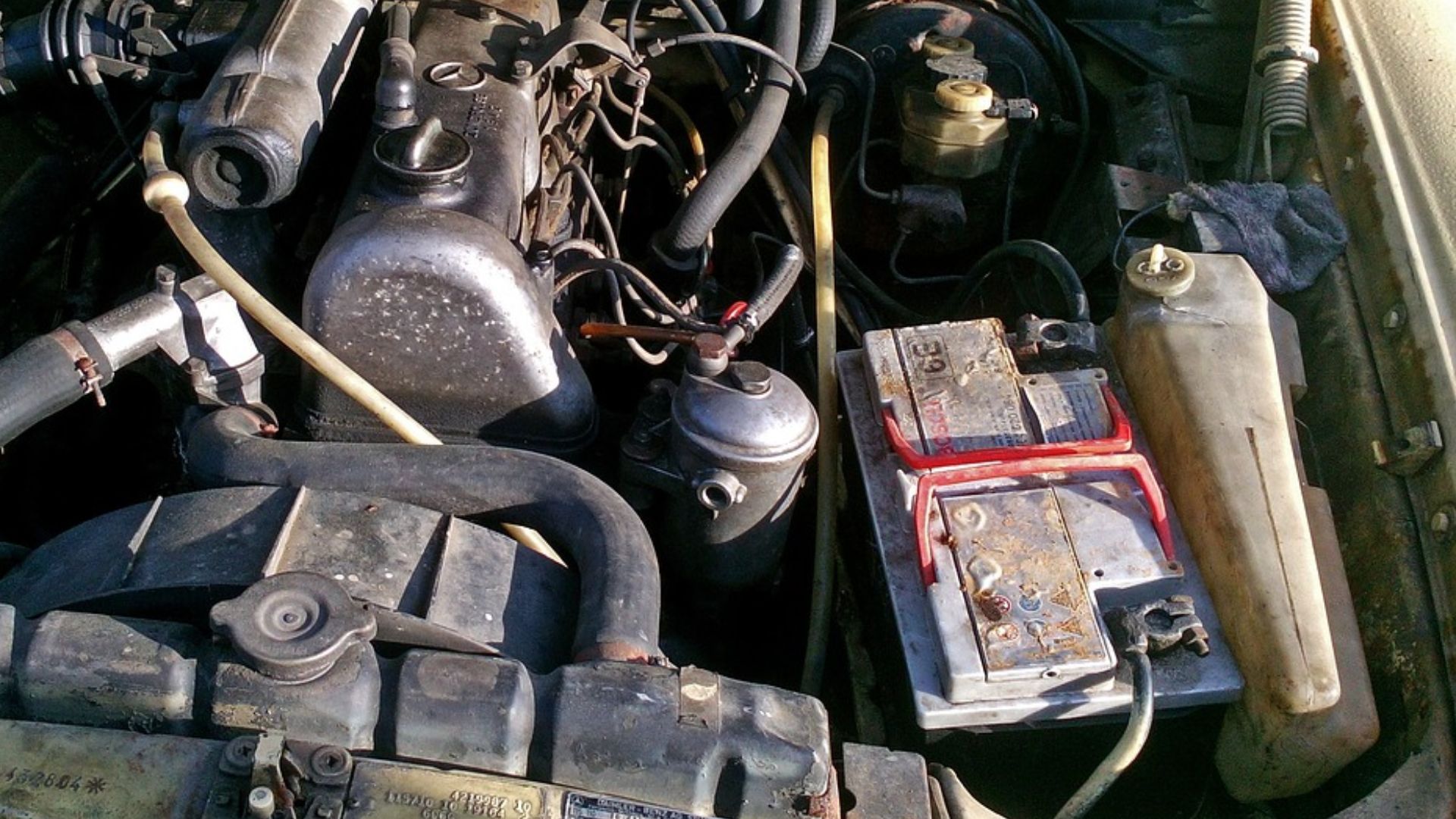
3. Faulty Or Loose Battery Cables Or Grounds
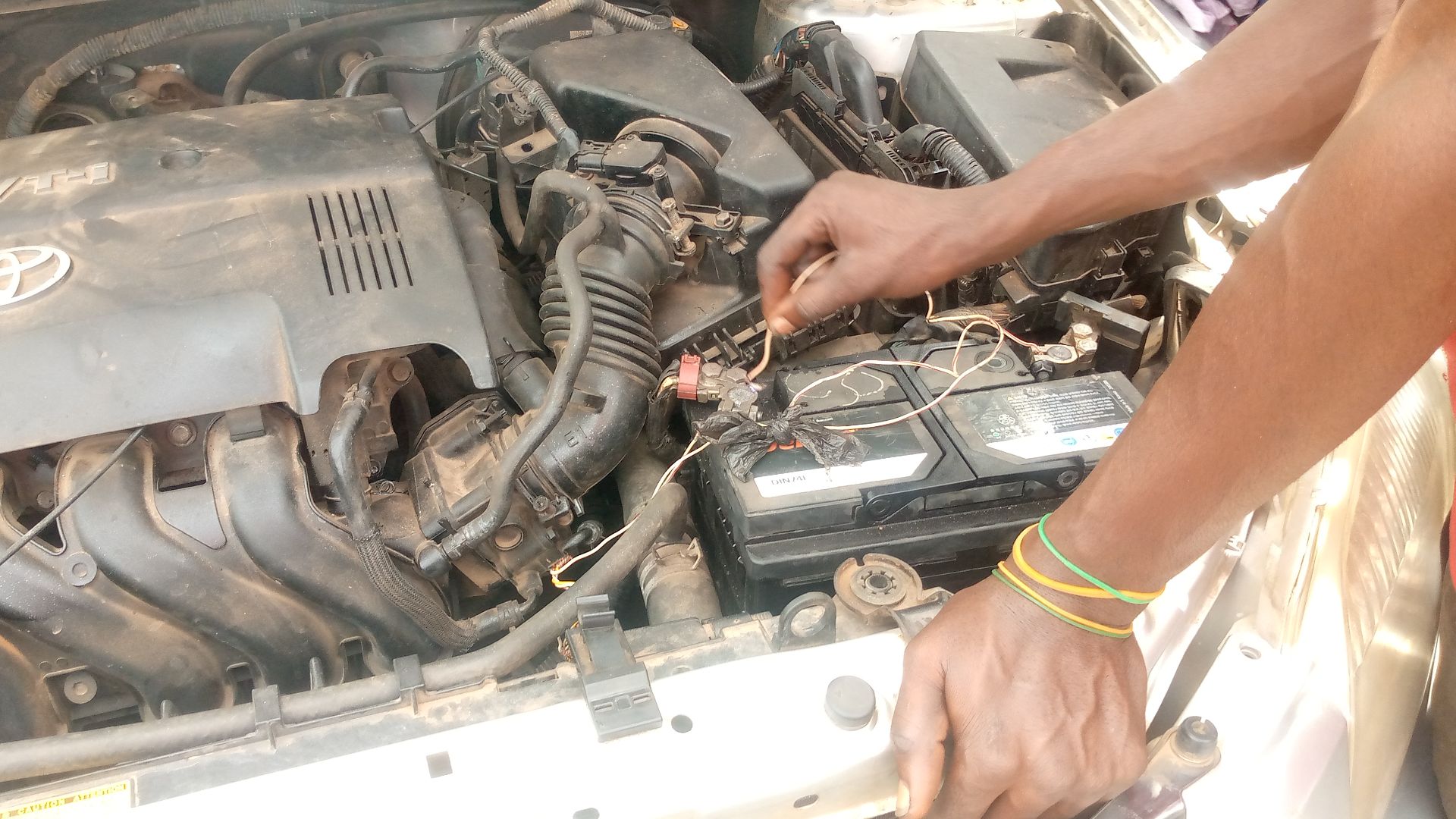
Strong battery voltage means little when power never reaches the starter motor. Frayed cables and degraded ground points further cause excessive voltage loss. Next, road salt accelerates corrosion along chassis connections, turning a simple grounding issue into a stubborn and confusing no-start situation.
4. Bad Alternator
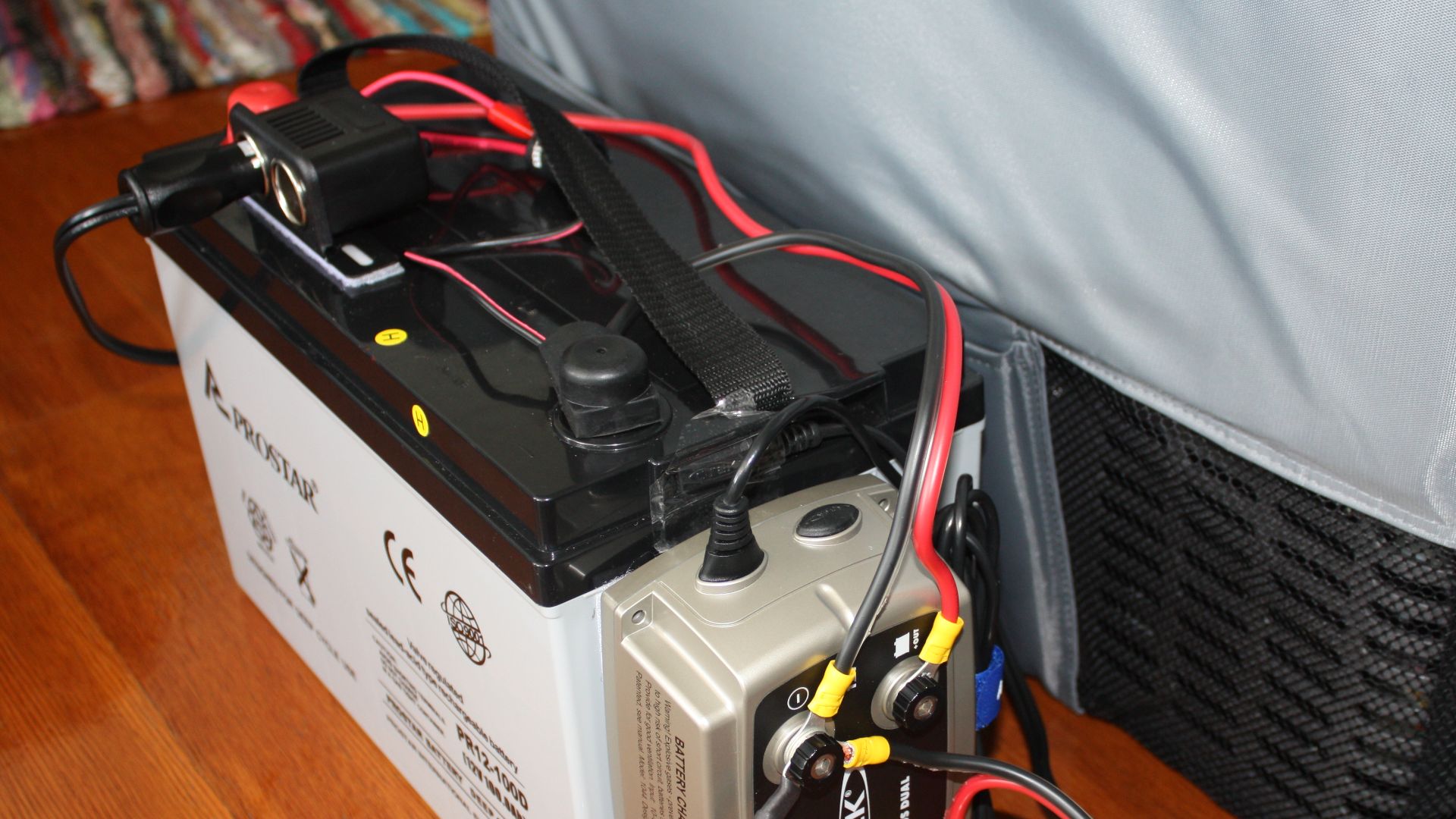
Battery charge depends entirely on alternator output during engine operation. Most alternators last seven to ten years before internal components degrade. Once the charging voltage falls below 13.8 volts, short trips drain stored power faster than recovery occurs.
 Stephan Ridgway from Brisbane, Australia on Wikimedia
5. Faulty Starter Motor
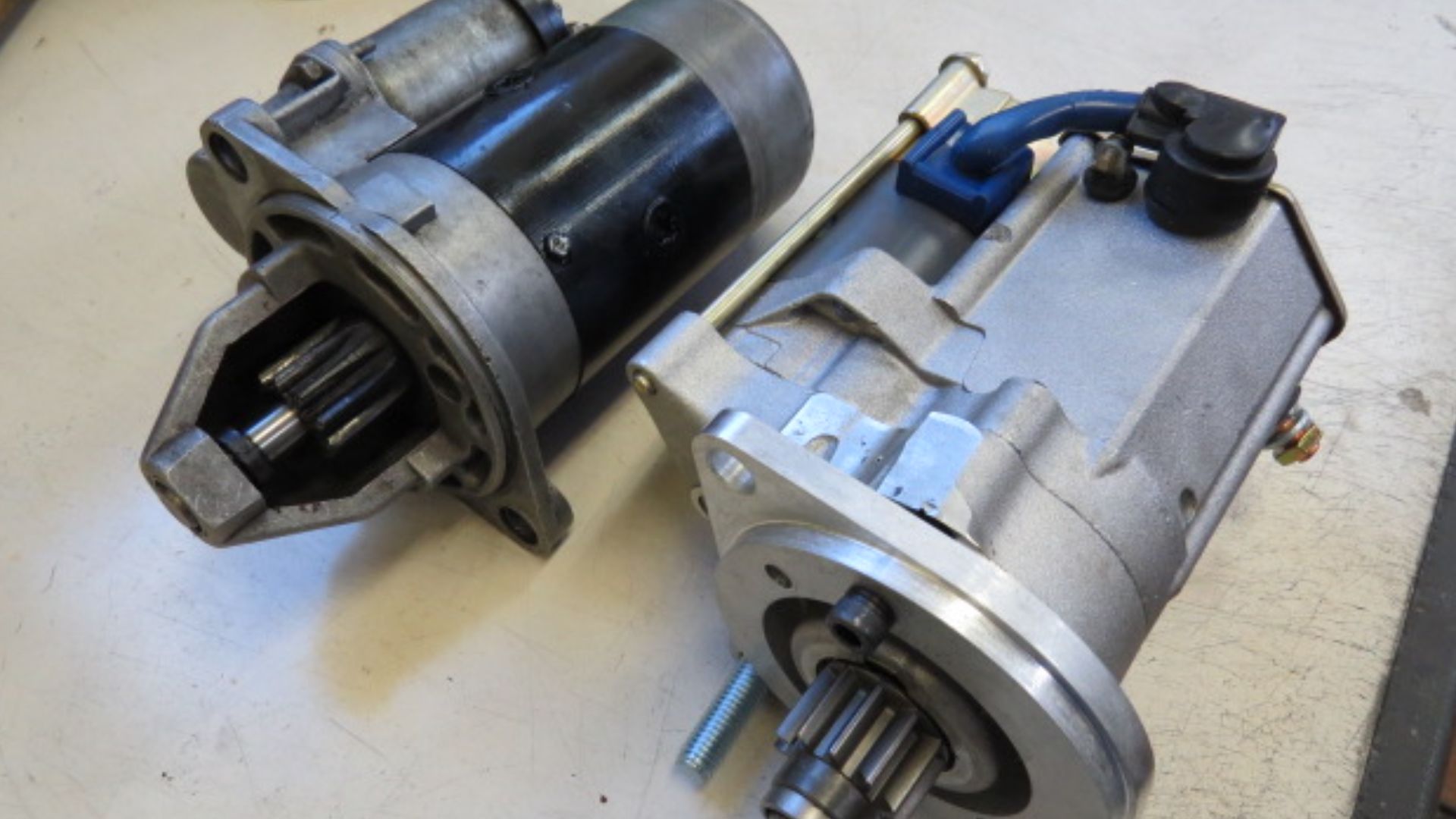
Starter motors tend to fail with memorable timing. Worn brushes or seized bearings prevent flywheel rotation altogether. And after about 100,000 miles, repeated short trips accelerate internal wear and leave drivers facing silence, grinding noises, or a single defiant click.
6. Failed Starter Solenoid
Sometimes one click tells the whole story. The solenoid fails to engage the starter gear or close the high-current circuit. Over time, heat cycles and heavy amperage wear internal contacts. As a result, cranking never begins. Diagnosis usually confirms solenoid failure quickly.
7. Defective Starter Relay
Once upon a time, turning a key felt dependable. Starter relays quietly supported that trust for decades. However, burned contacts or coil failure interrupt power flow to the starter. Moisture exposure further shortens lifespan, yet replacement remains inexpensive. Swapping relays also often reveals the culprit.

8. Blown Starter Or Main Fuse
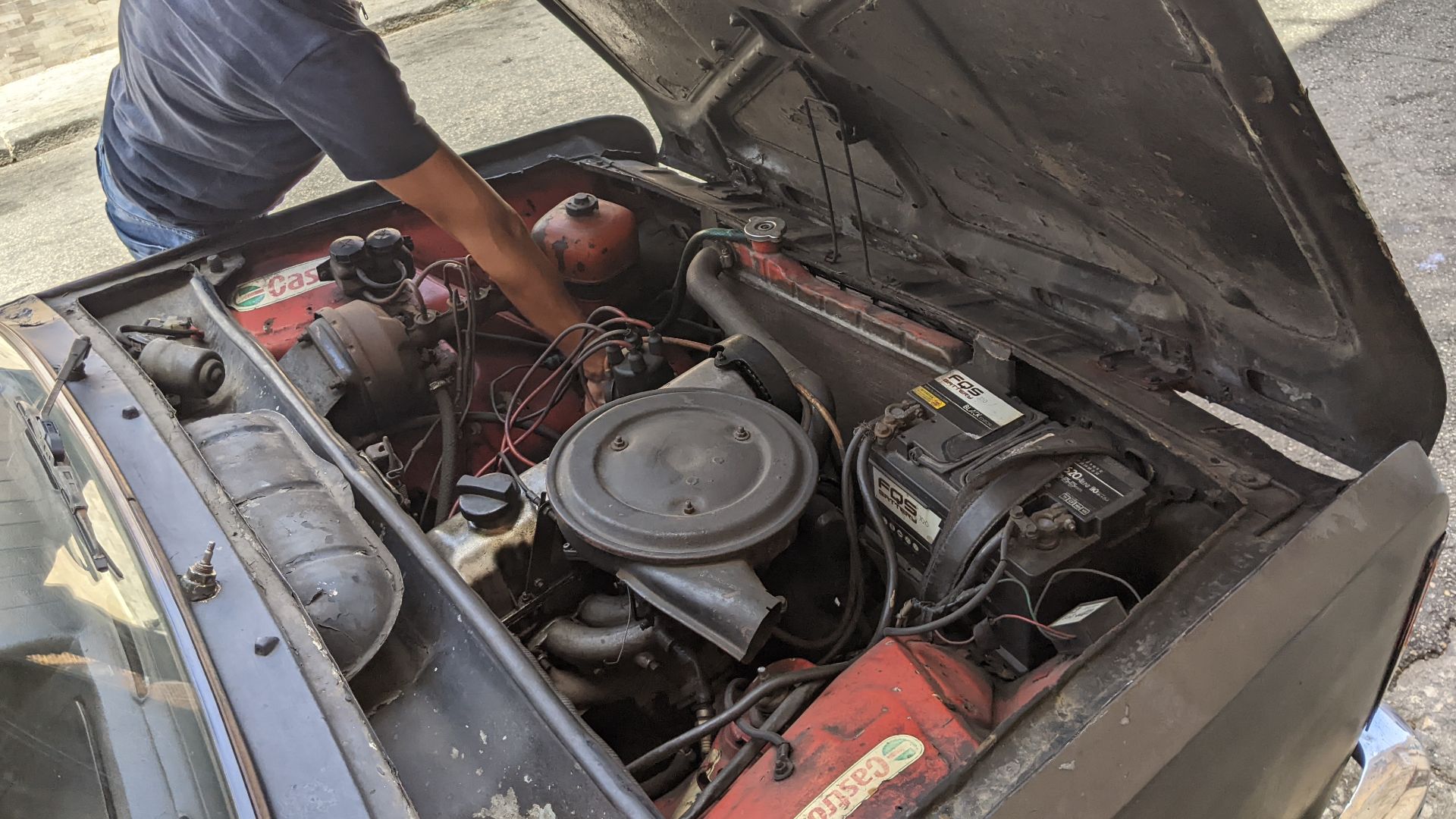
Everything appears normal until the engine stays silent. A blown fuse cuts the starting circuit after a short or overload. Meanwhile, dash lights glow with false reassurance. Although protection did its job, frustration builds fast. But restoring the fuse can bring immediate relief.
 UnifiedFunctionality on Wikimedia
9. Faulty Ignition Switch
The ignition switch powers the starter during engine startup. Worn internal contacts block the signal over time. Dash lights may flicker or fail to respond, too. Vehicles with high mileage face a greater risk. Replacement usually resolves no-start complaints tied to the switch.
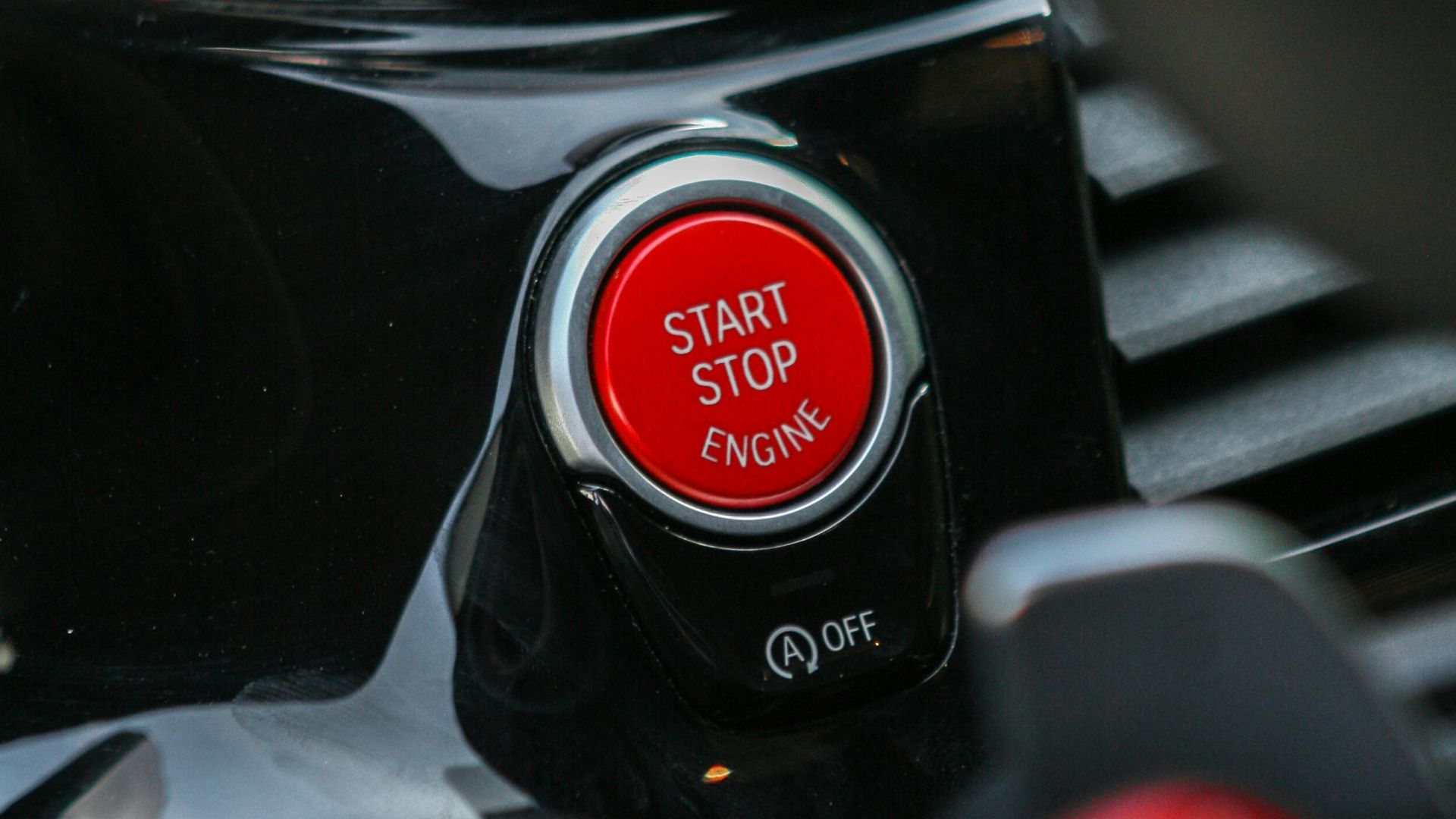
10. Worn Neutral Safety Switch
Cars can be picky about safety. The neutral safety switch only allows starting in Park or Neutral. As the switch wears out, the car may refuse to start in Park but suddenly work in Neutral. Therefore, shifting gears feels like a small victory trick.
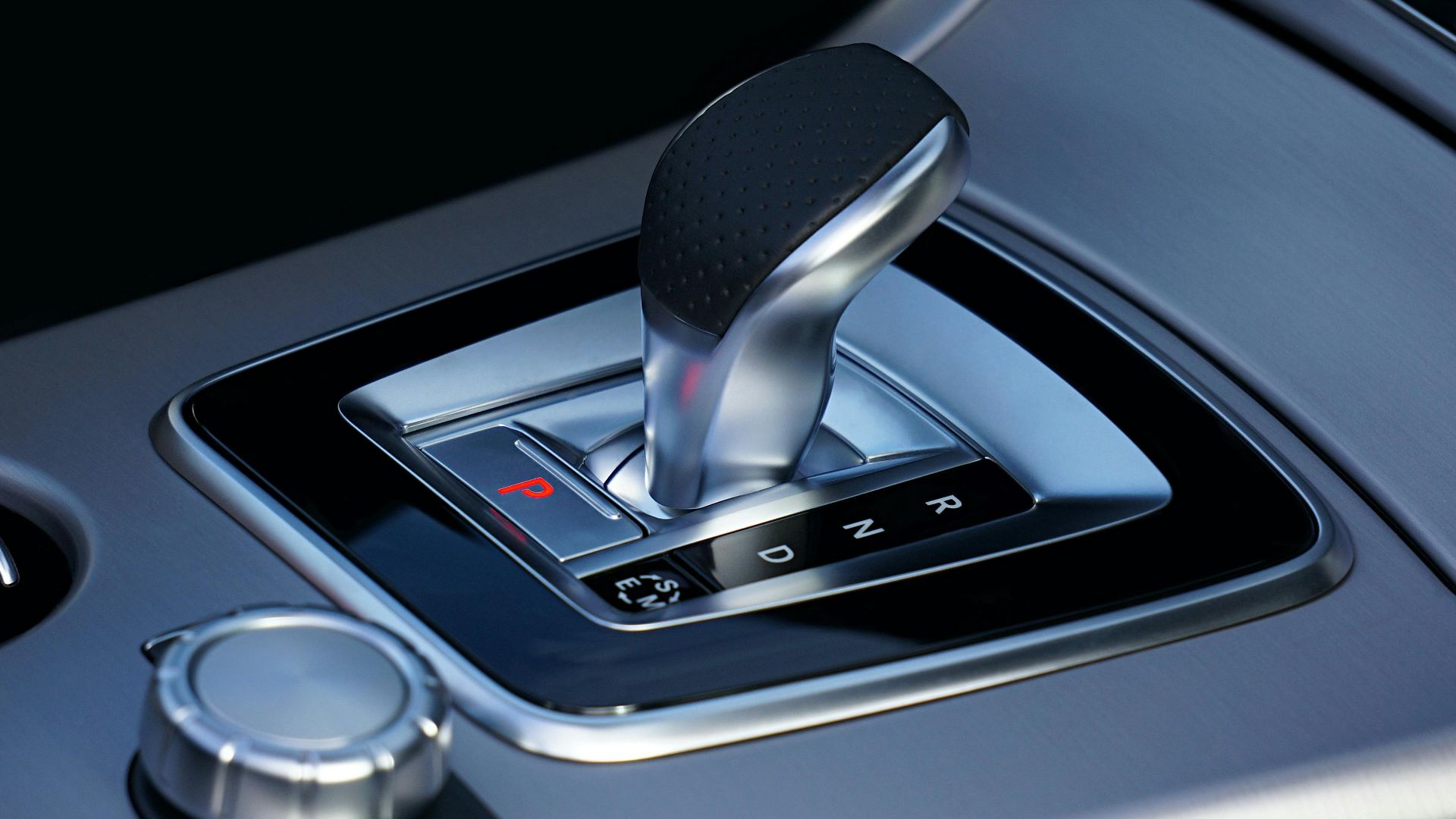
11. Faulty Clutch Safety Switch
The moment feels familiar. You press the clutch, turn the key, and wait. Nothing happens. Manual cars require a signal from the clutch safety switch before starting. Over the years of driving, that signal weakens. Pressing harder changes nothing, which makes the silence even stranger.

12. Dead Key Fob Battery
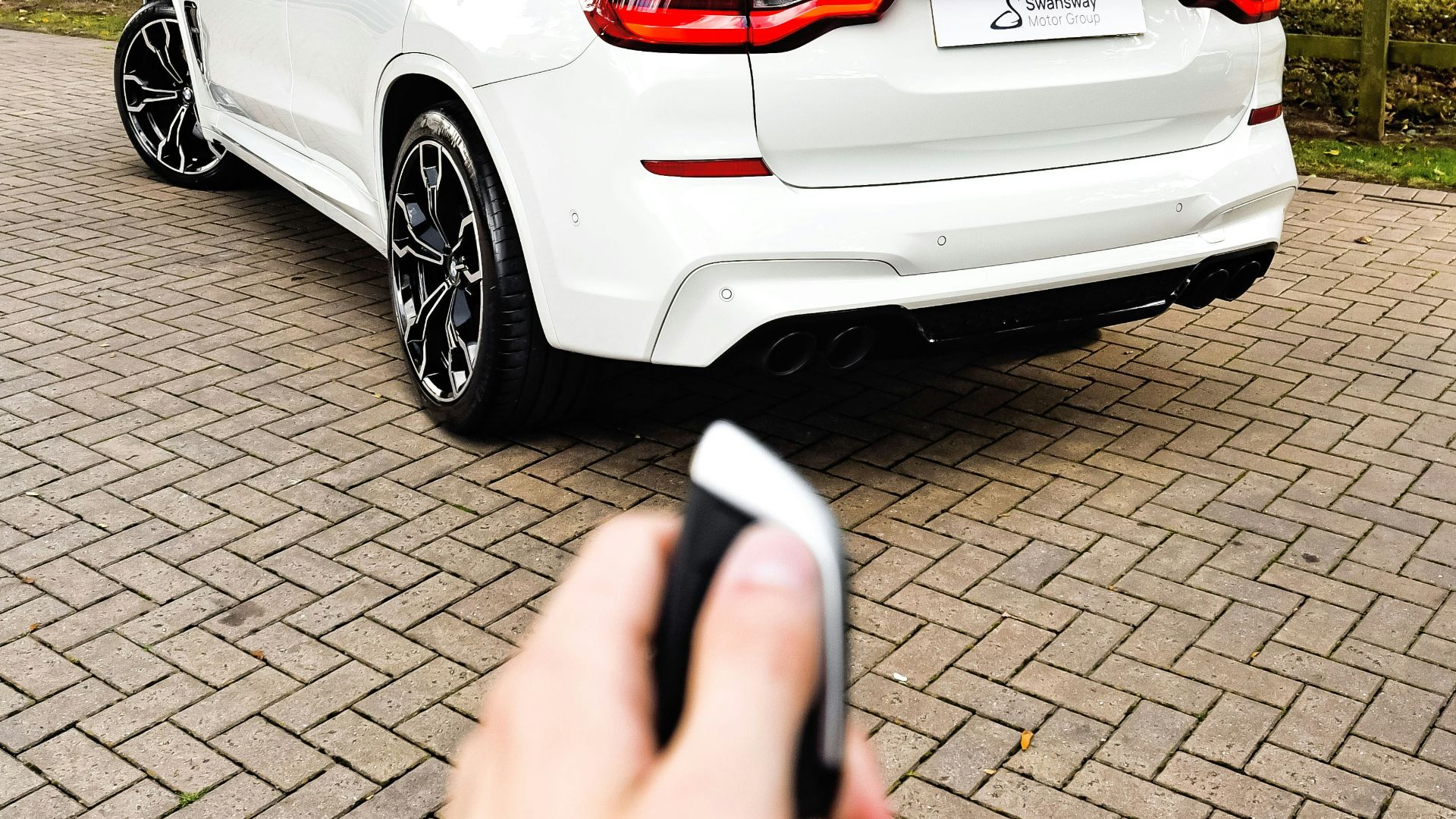
Push button starts feel effortless until the car suddenly disagrees. The fob still sits in your hand, yet authentication fails. A weak battery often causes this quiet standoff. Some vehicles allow a backup start method, though most drivers discover that detail only after confusion sets in.
 Swansway Motor Group on Unsplash
13. Faulty Immobilizer Or Transponder System
Routine collapses the instant a security light begins flashing. The engine cranks, expectations rise, then everything stops. Immobilizer systems block fuel or spark when the key fails to be recognized. Reprogramming usually resolves it, but until then, the car feels suspicious rather than broken.
 Karolina Grabowska www.kaboompics.com on Pexels
14. Locked Steering Wheel Or Ignition Lock
The key stops short, and concern rises. Steering wheel locks engage after parking with wheel pressure; therefore, no damage exists. A small steering adjustment releases the lock. Most drivers expect an expensive problem before realizing how easily the situation resolves.

15. Failed Fuel Pump
Cranking sounds normal, which makes the failure harder to spot. Fuel pumps pressurize injectors before ignition can succeed. When that pressure disappears, combustion never begins. Listening for the prime sound offers an early clue, especially on higher mileage vehicles.

16. Clogged Fuel Filter
Fuel delivery problems rarely arrive without warning. A clogged fuel filter slowly restricts flow as debris builds up over tens of thousands of miles. Hard starts and hesitation appear first. By the time starting fails completely, frustration has already had plenty of practice.
17. Faulty Fuel Pump Relay
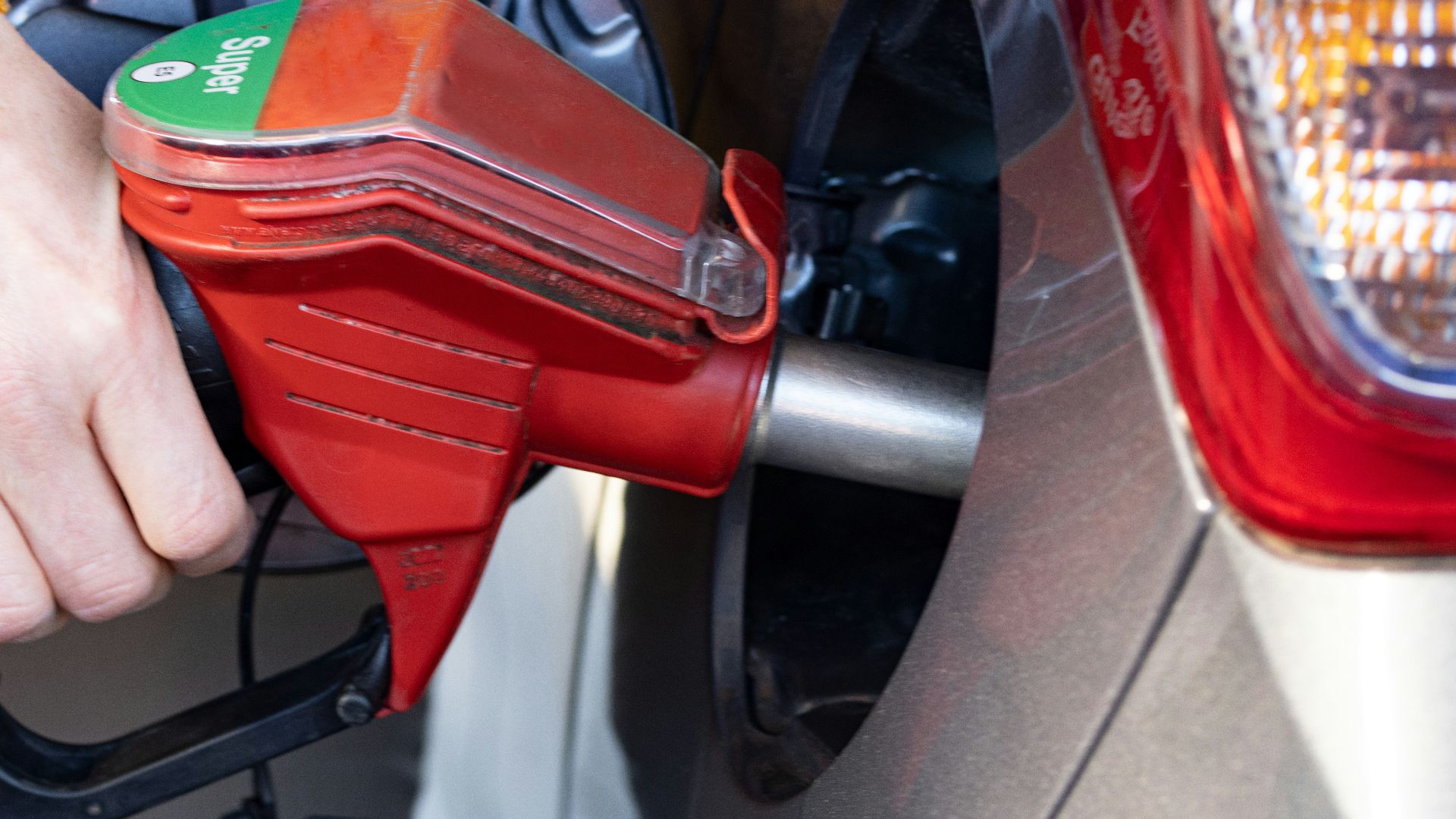
The fuel pump relay controls electrical power to the pump during startup. Worn contacts or internal failure interrupt that supply. As a result, the pump never activates. Because symptoms mimic a failed pump, this component often gets overlooked during initial checks.

18. Faulty Crankshaft Position Sensor
Everything sounds normal while cranking, yet the engine refuses to wake up. Without crankshaft position data, the computer withholds spark and fuel entirely. Trouble codes may appear later. Until then, the silence feels absolute, as though the engine has forgotten its own timing.
19. Faulty Camshaft Position Sensor
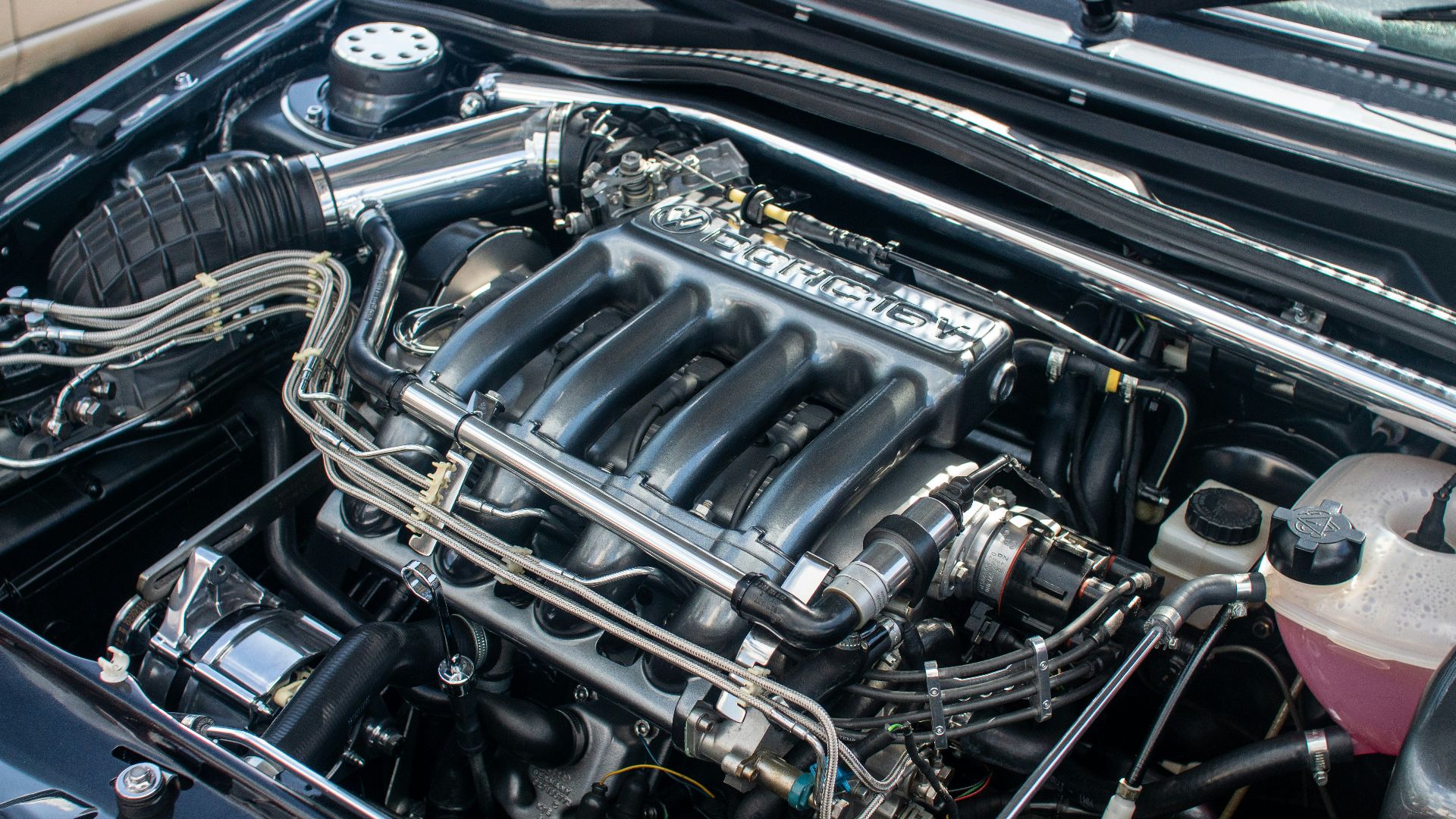
This happens when the engine loses its sense of sequence. Camshaft position sensors help synchronize valve timing with injection events. When that signal disappears, starting becomes unreliable or impossible. After all, the system knows something is wrong, even before the driver does.
20. Worn Or Fouled Spark Plugs
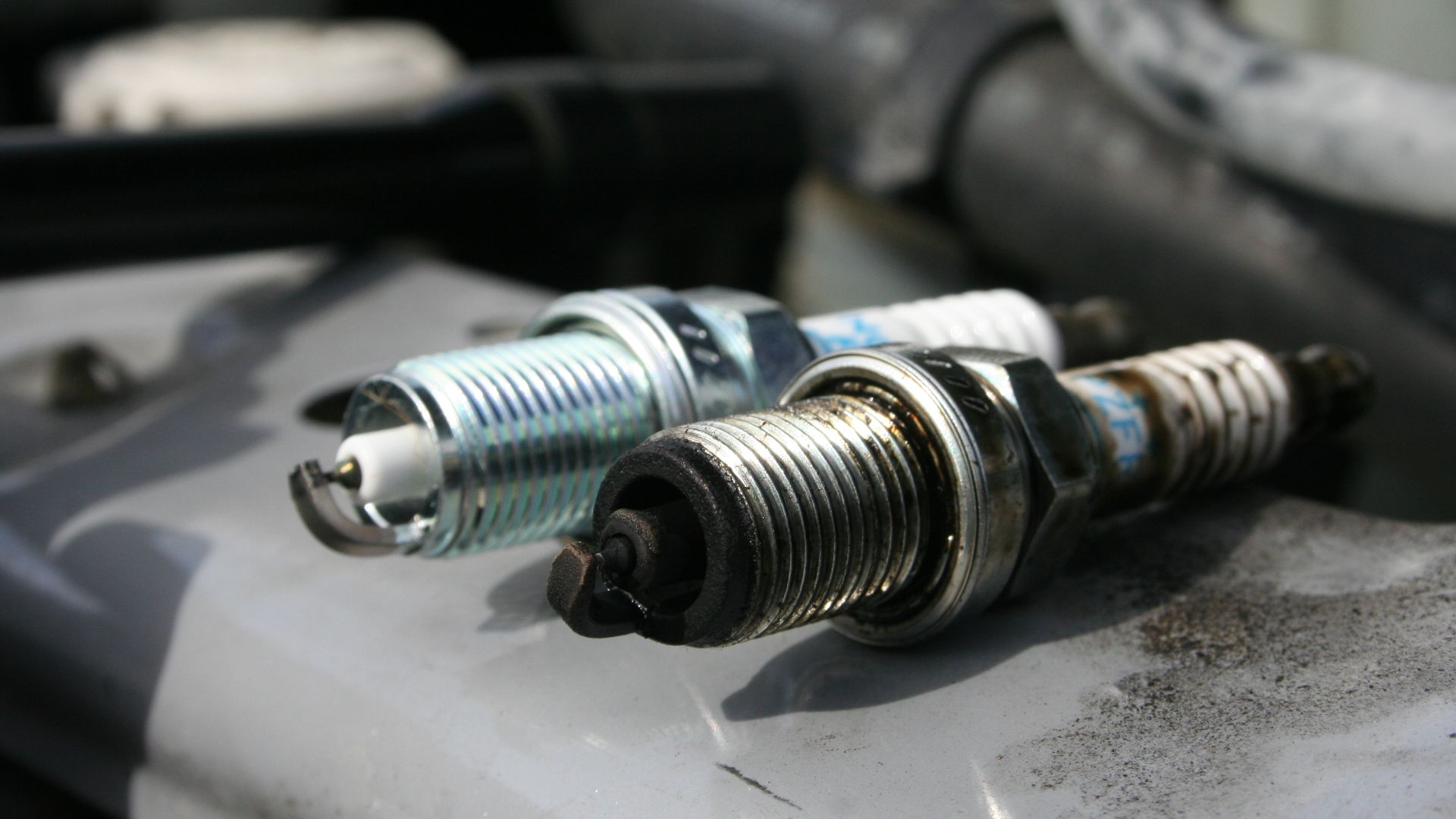
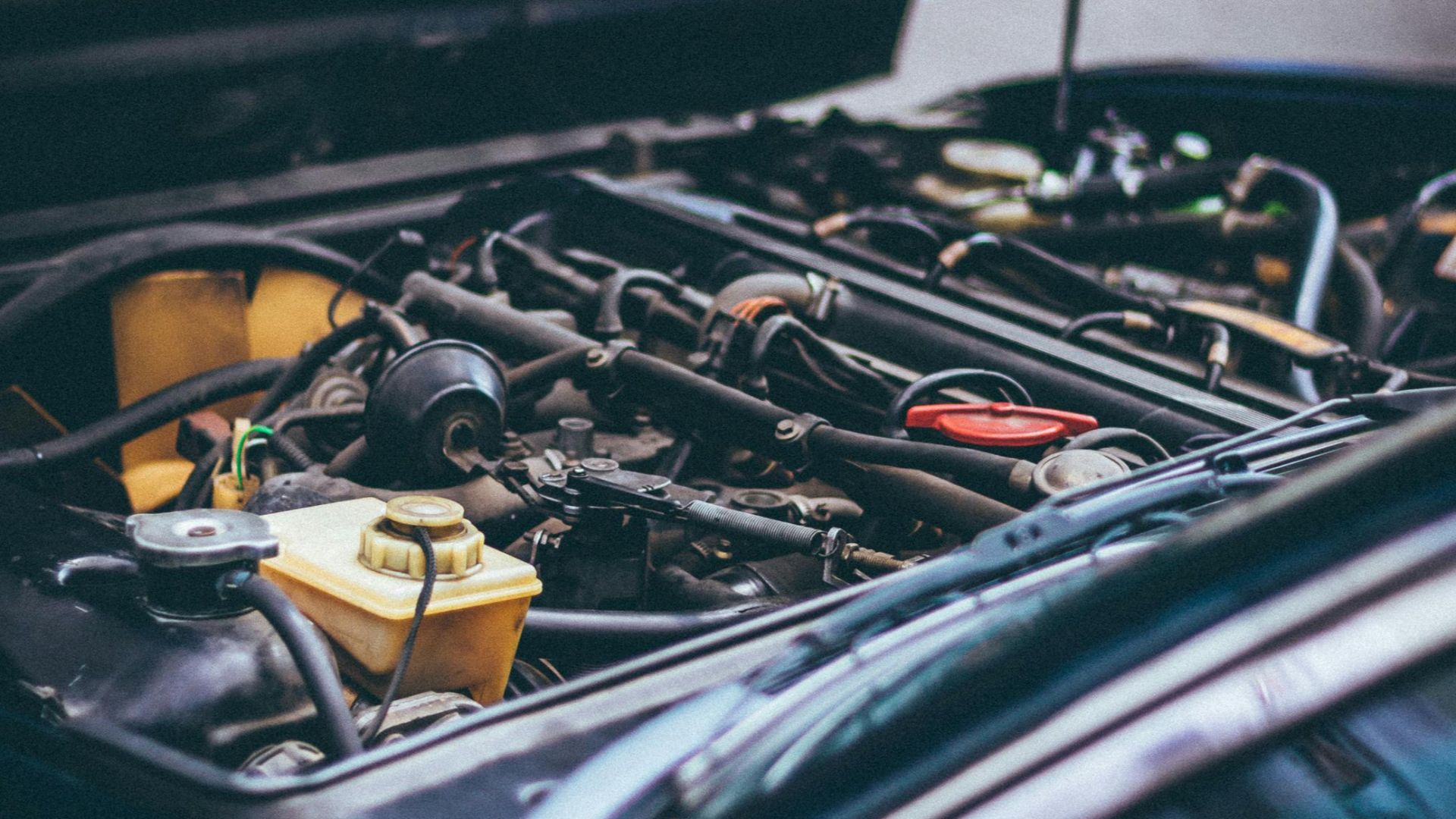
Spark plugs ignite the air-fuel mixture during every start and drive cycle. Over time, carbon buildup, oil deposits, or widened gaps weaken spark strength. Starting becomes slower and less reliable. And high-mileage engines show this issue most clearly during cold starts.