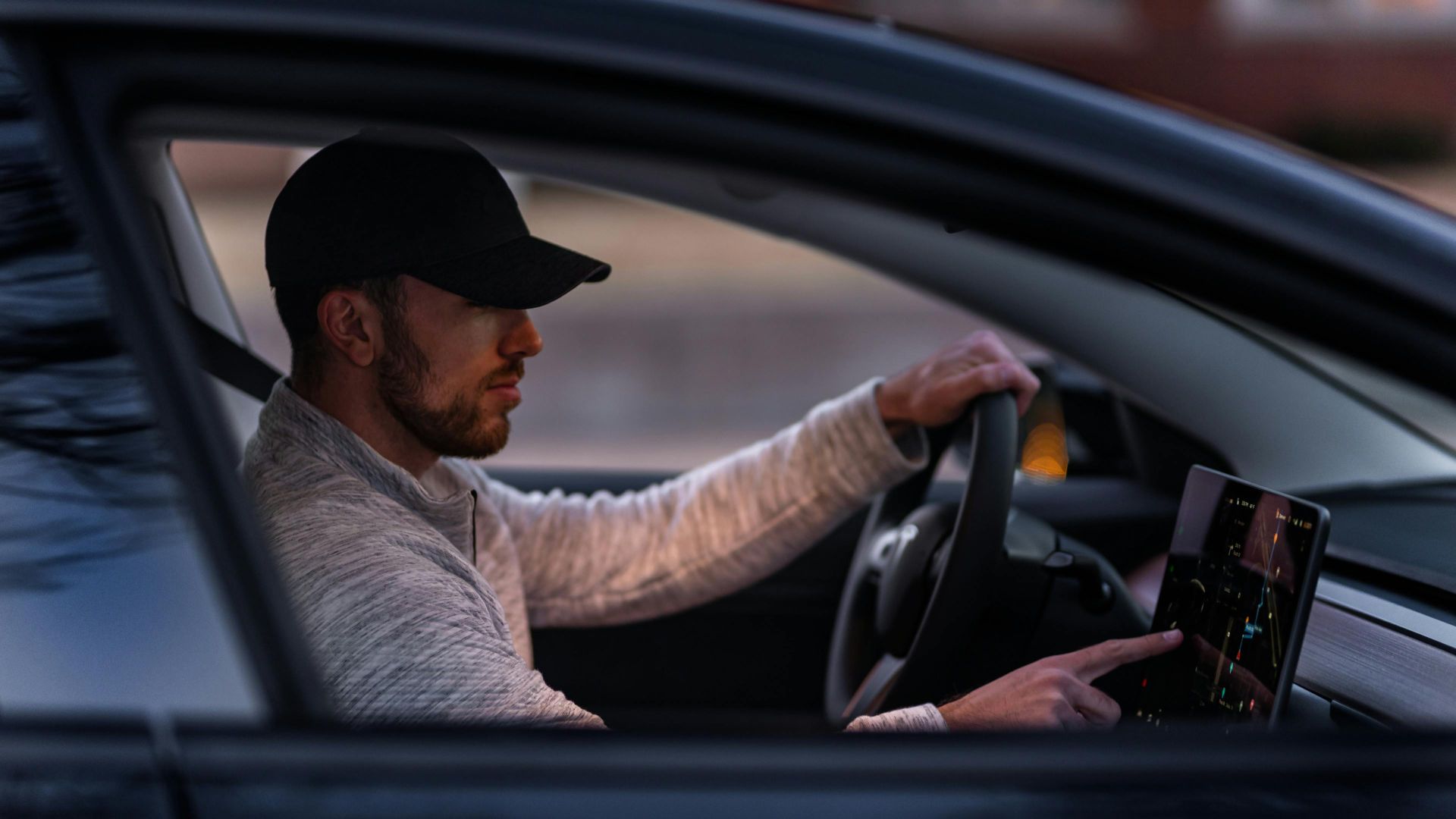
People tend to think of their phone as the most invasive device in their lives, and that makes sense at first glance. It goes everywhere with you, listens for wake words, stores your messages, and probably knows your coffee order better than your closest friends. Still, modern cars have quietly become data machines in their own right, and they’re often gathering information in ways drivers barely notice.
That shift matters because a car doesn’t just know what you search for or who you text. It can know where you drive, how you drive, when you leave home, what phone you pair with the dashboard, and sometimes what happens inside the cabin through built-in apps, cameras, microphones, and connected services. Once you look at that whole picture, the car starts seeming less like transportation and more like a moving profile of your habits.
It Tracks Your Life in Physical Space
Your phone can infer a lot about you, but your car often captures the physical rhythm of your daily life with unusual precision. Connected vehicles can collect location data, driving behavior, and telematics, which means they can reveal where you go, when you travel, and how regularly you repeat the same routes.
A phone may know you looked up a grocery store, but a car can show that you went there every Tuesday at 6:20 p.m. It can also suggest where you work, where you sleep, where your kids get dropped off, and which places you visit often enough to count as part of your life pattern. Connected cars can gather sensitive information, including location data, and the collection and disclosure of that data can threaten privacy and even your financial welfare, according to the Federal Trade Commission (FTC).
That makes a car revealing in a different way than a phone. A phone often reflects your interests, your communications, and your digital habits. A car, by contrast, can map your movements in the real world and attach them to behavior over time, which gives it a strangely intimate view of how you actually live.
The recent FTC action involving GM and OnStar made that concern even harder to ignore. Earlier this year, the FTC finalized an order settling allegations that GM and OnStar collected, used, and sold precise geolocation and driving behavior data from millions of vehicles without adequately notifying consumers and getting affirmative consent.
That isn't a minor privacy footnote. It's a reminder that your car may know where you’ve been in a way that has real commercial value.
It Learns From More Than Just the Dashboard
What makes modern cars especially interesting from a privacy standpoint is that they don't gather information from only one source. Mozilla’s reporting on car privacy found that automakers may pull data from sensors, microphones, cameras, connected apps, websites, dealerships, telematics, and the phones and devices drivers connect to their vehicles. In other words, the car isn't working alone; it's part of a much wider data network.
That means your vehicle can become a collector of both direct and indirect signals. It may know which phone was paired, which contacts or messages were synced, which app was used to unlock the car, and what in-cabin features were activated. Once that information is combined with location and driving behavior, the result can be more revealing than many people would expect from something they still think of as a transportation machine with cupholders.
California privacy regulators have been warning about this for a while. The California Privacy Protection Agency (CPPA) said connected vehicles can collect a wealth of information through built-in apps, sensors, and cameras that monitor people both inside and near the vehicle, and the agency opened inquiries into how companies in this space comply with state law. In other words, cars may be watching more than drivers assume or outwardly consent to.
There is also a practical reason this can feel more invasive than your phone. With a phone, most people at least expect data collection, even if they do not love it. Cars still benefit from older assumptions, so many drivers haven't mentally updated to the fact that the family SUV may now function like a rolling software platform with privacy settings buried under layers of menus and consent language.
The Real Surprise Is How Little You Notice
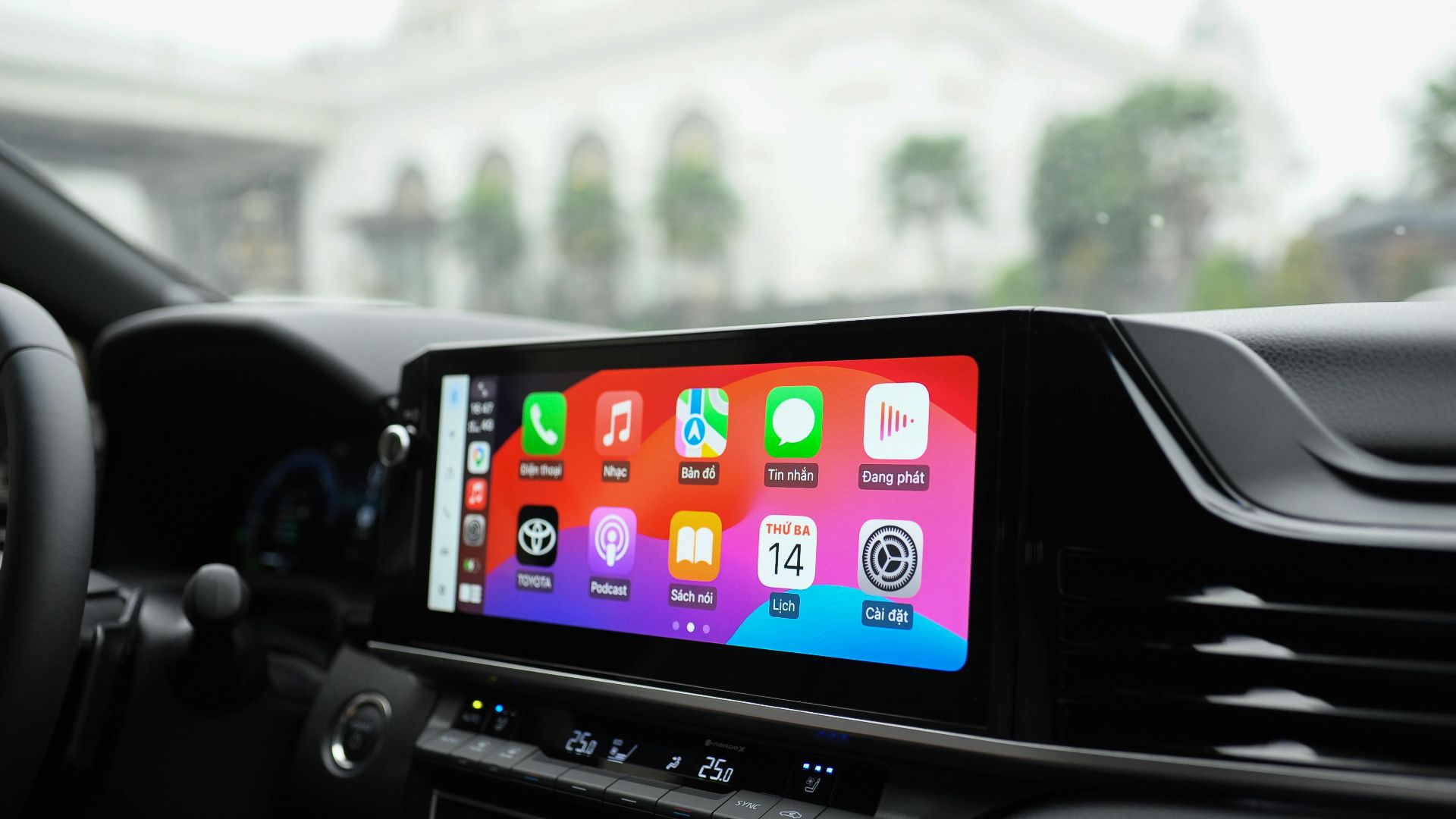
Perhaps the most unsettling part of all this is how quietly it happens. You know your phone is digital, and you probably understand that apps, browsers, and services are constantly collecting something. A car still feels mechanical enough to seem trustworthy, even though regulators, researchers, and enforcement agencies have all been signaling that connected vehicles deserve much more scrutiny.
Mozilla called cars the worst product category it had ever reviewed for privacy, which is a remarkable statement given the amount of anxiety people already have about smart speakers, watches, and doorbells. Their researchers found that brands could collect deeply personal data and that car companies had entered the data business by turning vehicles into “computers on wheels”.
California has continued examining connected vehicle practices, and in 2025, the CPPA announced a settlement with Honda over privacy-rights allegations tied to its handling of consumer information and privacy choices. The lesson for drivers isn't that every car company is uniquely sinister.
It's that the data economy has fully arrived in the driver’s seat.