Car lovers know Japan doesn’t just build vehicles; they build legends. From humble beginnings to global dominance, Japanese performance cars have earned a reputation for blending precision and sheer fun. Every model carries a story of innovation and ambition that reshaped what speed could mean.
Ready to see why these machines still capture hearts decades later? Let’s take a drive through Japan’s best performance cars and the legacy that keeps them roaring.
The Origins Of Japanese Performance
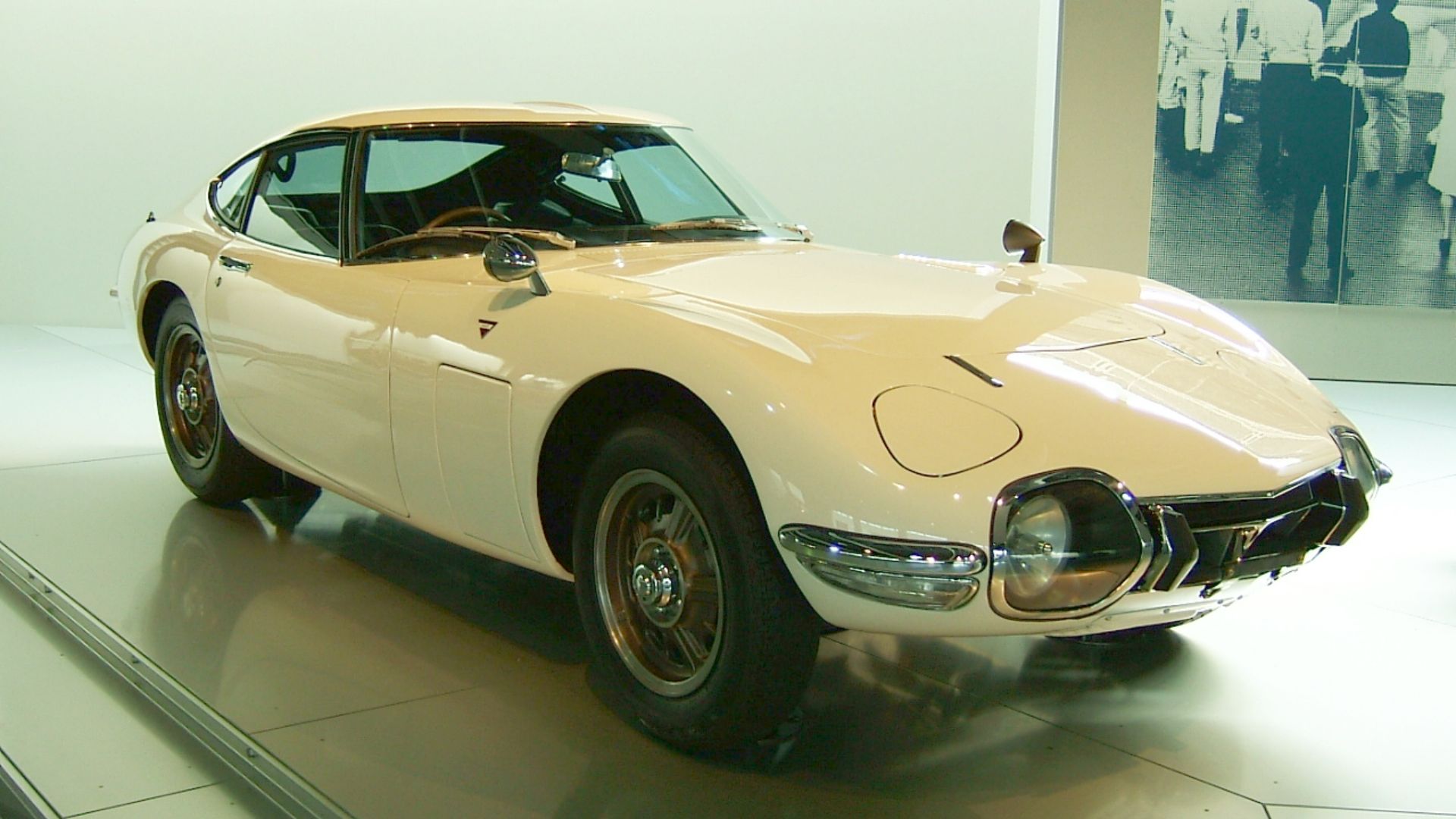 Gnsin~commonswiki on Wikimedia
In the postwar era, Japan’s automotive industry sought to carve out its own identity. Unlike European supercars, Japan’s focus was on efficiency, engineering discipline, and delivering a driving experience that felt connected and fun. The 1960s Toyota 2000GT set the stage as Japan’s first true sports car, rivaling European designs with sleek aesthetics and impeccable worksmanship.
The Golden Age Of Japanese Performance
The 1980s and 1990s marked the great era of Japanese performance cars. These decades produced cars that became legends, not just in Japan but across the globe. These are the machines that turned Japan into a performance powerhouse:
Nissan Skyline GT-R: With its groundbreaking twin-turbo six-cylinder engine and all-wheel-drive system, the Skyline GT-R dominated both the racetrack and the street. A technological marvel that made European cars look outdated.
Toyota Supra: Known for its turbocharged inline-six, the Supra became the go-to car for enthusiasts. Its near-limitless tuning potential earned it a cult following, cementing its place in pop culture with appearances in video games and movies.
Mazda RX-7: Featuring a rotary engine, the RX-7 was lighter and more nimble than many of its contemporaries. Despite the challenges of maintenance, its high-revving engine and unique driving experience made it a favorite among purists.
The New Generation Of Japanese Speed
Modern Japanese performance cars continue the legacy of their predecessors, incorporating advanced technology while keeping the spirit of connection and fun alive. Among the most exciting are these icons:
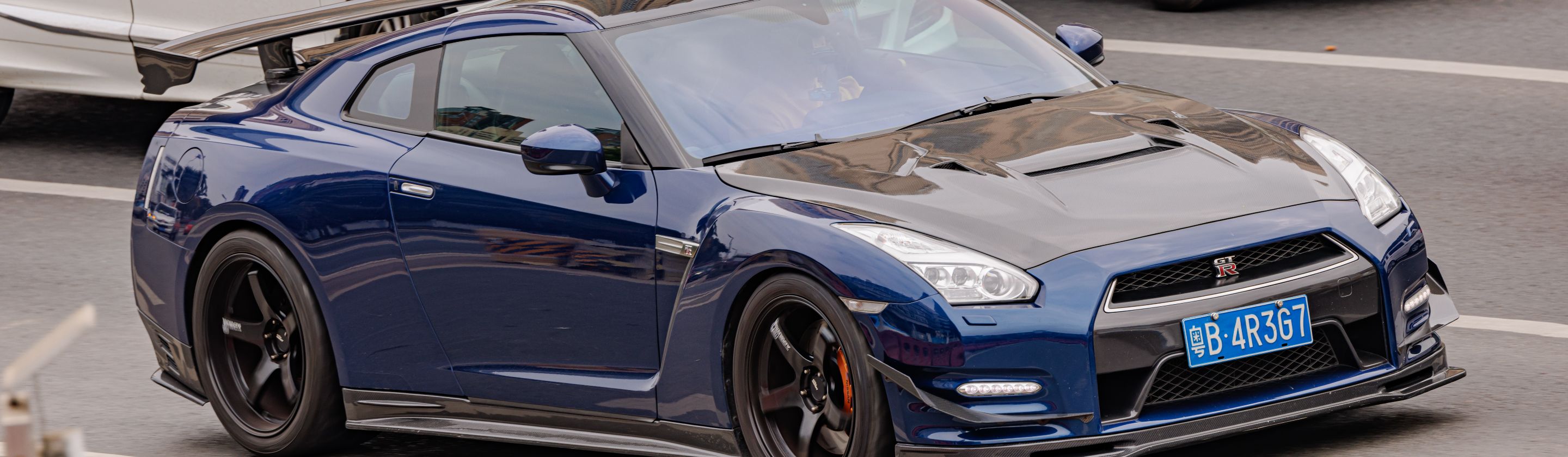
Nissan GT-R R35: Often dubbed the "Godzilla" of the car world, the GT-R R35 redefined performance with its advanced technology and precise handling. Its ability to compete with cars at double its price shows Japan’s enduring knack for building automotive giants.
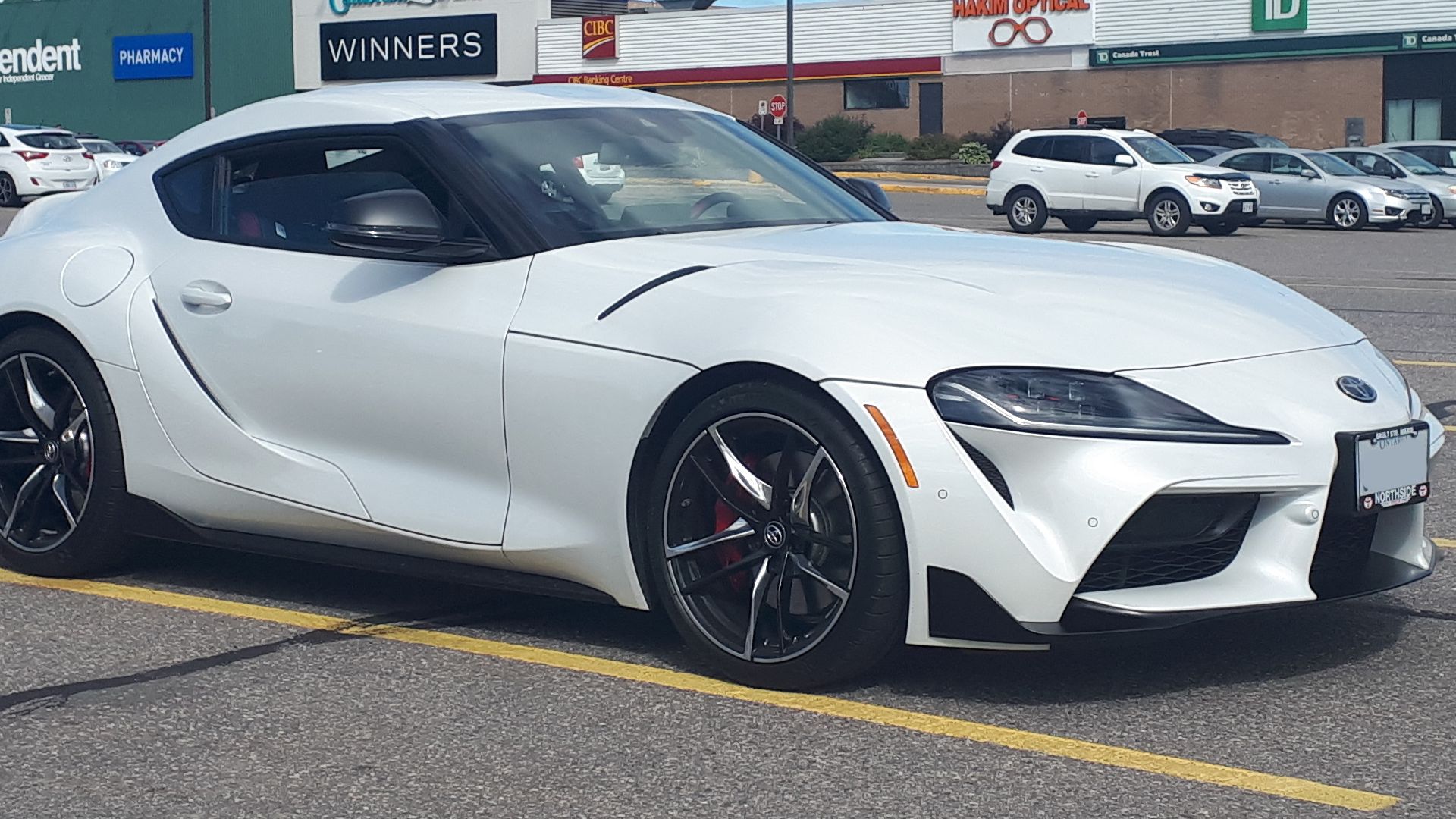
Toyota GR Supra: The latest iteration of the Supra honors its legacy with sleek design and modern power, bringing joy to both old fans and new. Despite debates over its BMW partnership, the car delivers thrilling dynamics and a connection to its past.
Honda Civic Type R: An icon of the engineering prowess of Japan, the Civic Type R takes front-wheel-drive performance to new heights. Its track-tuned suspension and responsive engine make it a standout in its class.
The Future Of Japanese Performance
The future of Japanese performance cars lies in electric innovation. Nissan has hinted at a GT-R successor shaped by EV technology, while Toyota is experimenting with solid-state batteries and lightweight EV sports concepts.
In the decades to come, speed may sound different, but the experience will still carry the unmistakable signature of Japanese engineering.