
Considering how much automotive technology has improved over the past few decades, you'd think rust would be a thing of the past. Modern vehicles come equipped with advanced paint systems, galvanized steel, and protective coatings designed to keep corrosion at bay, and manufacturers have put considerable effort into making their cars more durable. Unfortunately, though, even the most expensive new vehicles aren't entirely immune to rust.
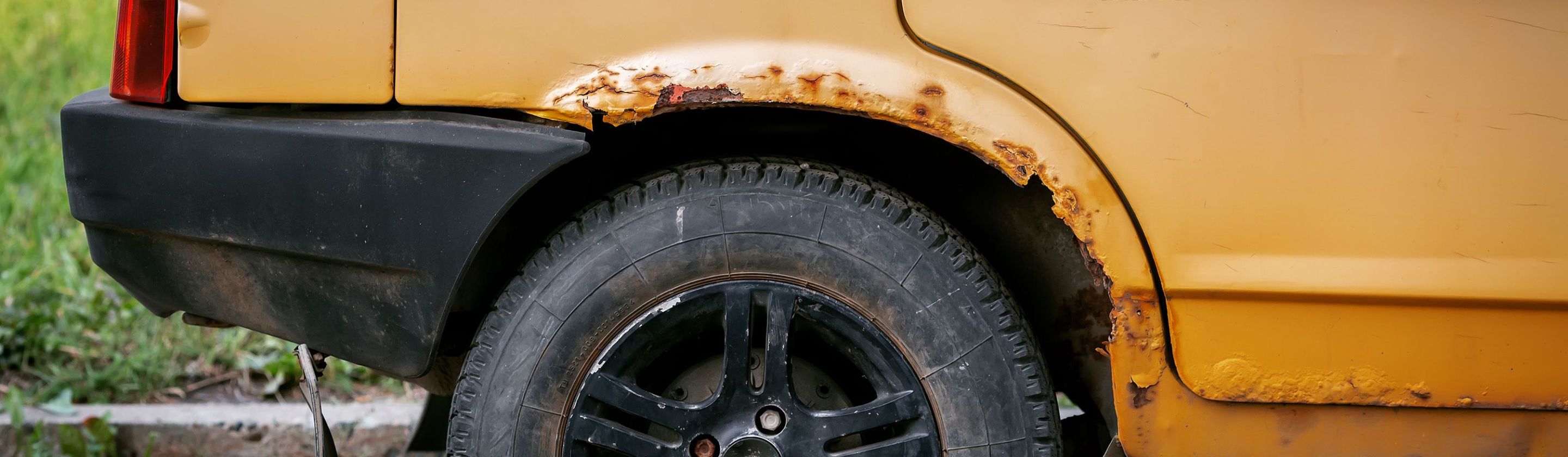
If you've ever spotted rust forming around the wheel wells of a relatively new car, you've probably wondered how it happened so quickly. The reality is that corrosion remains an ongoing challenge for automakers, no matter how sophisticated their manufacturing processes become. Everything from road salt to small manufacturing imperfections can gradually weaken a vehicle's protective barriers. Knowing why modern cars still rust can help you avoid costly damage before it turns into a serious problem.
Modern Rust Protection Has Its Limitations
Today's automakers rely on many methods to protect steel components from corrosion, including galvanization, electrocoating, and specialized sealants. Galvanized steel has a protective layer of zinc that helps prevent the underlying metal from rusting, while electrocoating applies corrosion-resistant primer to vehicle bodies. These technologies have significantly improved vehicle durability, but they can't prevent every possible form of deterioration. Once those protective layers become damaged or start wearing away, moisture can eventually reach the metal underneath.
Another challenge comes from the complicated shapes and structures found throughout modern vehicles. Cars contain countless overlapping panels, welded joints, seams, and enclosed cavities that aren't always easy to protect thoroughly. Manufacturers use sealants and cavity waxes to address vulnerable areas, but certain spots can still trap moisture or develop corrosion as their protection wears down. That's why rust sometimes shows up in unexpected places, even when the surrounding paint looks perfectly fine.
Cost also plays a role in determining how manufacturers approach corrosion prevention. While automakers need to meet durability expectations, they also have to consider production expenses, vehicle weight, and manufacturing efficiency. Adding extra protective materials everywhere would increase costs and potentially complicate production without necessarily making much of a difference in every location. As a result, manufacturers focus on particular areas and protection methods, which can leave some components more exposed to environmental damage than others.
Everyday Driving Conditions Make Rust Difficult to Avoid
Winter road maintenance is one of the biggest reasons cars develop rust, particularly in regions that experience heavy snowfall. Salt lowers the freezing point of water, making roads safer during icy conditions, but salty moisture also speeds up corrosion on exposed metal. When slush builds up underneath your vehicle, it can remain trapped around suspension components, fasteners, and body seams. After several winters of driving, all that repeated exposure can take a serious toll.
Interestingly, you don't have to live somewhere with harsh winters for rust to become a problem. Coastal environments expose cars to airborne salt, which can settle on metal surfaces and encourage corrosion whenever moisture is present. High humidity and frequent rainfall can also leave vulnerable components damp for extended periods, especially when drainage systems become clogged. Even vehicles parked outdoors in relatively mild climates can develop rust when the conditions are right.
Small stones and road debris present another problem that many drivers tend to overlook. As your tires rotate, they kick up gravel and other particles against wheel wells, rocker panels, and the underside of your vehicle. These impacts can chip away at protective paint or coatings, exposing metal that was previously protected from moisture. A tiny chip might not seem particularly concerning, but repeated exposure to water and salt can eventually turn minor damage into a much more expensive repair.
Poor drainage can also contribute to corrosion in ways that aren't immediately obvious. Modern cars have drainage channels and openings designed to prevent water from collecting inside doors, rocker panels, and other enclosed sections. Unfortunately, dirt, leaves, and road debris can block these passages, allowing moisture to build up where it shouldn't. Since the resulting rust often develops behind exterior panels, you might not notice anything wrong until significant damage has already occurred.
Why Rust Prevention Still Matters for New Vehicles
Despite improvements in corrosion protection, regular maintenance is still important for keeping modern vehicles in good condition. Washing away road salt throughout winter, especially from accessible underbody areas, helps remove corrosive residue before it causes trouble. You should also clean your wheel wells and check areas where mud and debris tend to accumulate. These fairly simple habits can make a noticeable difference over several years of ownership, particularly if you live somewhere with challenging weather conditions.
Protective undercoating treatments can offer additional corrosion resistance, although their effectiveness depends on the product, application, and condition of your vehicle. Certain professionally applied coatings can help shield vulnerable metal surfaces from moisture and road contaminants. However, applying the wrong products over existing rust or trapped moisture can actually make matters worse. Before spending money on a treatment, it's worth checking your manufacturer's recommendations and finding out what protection your vehicle already has.
Keep in mind that rust isn't always just a cosmetic issue or something that makes your car look older than it is. Severe corrosion can weaken structural components, damage suspension mounting points, and make certain repairs much more complicated. Even if your manufacturer offers a corrosion warranty, coverage often distinguishes between surface rust and actual perforation caused by corrosion. Modern vehicles are certainly better protected than many older models, but keeping them rust-free still takes some effort from their owners.