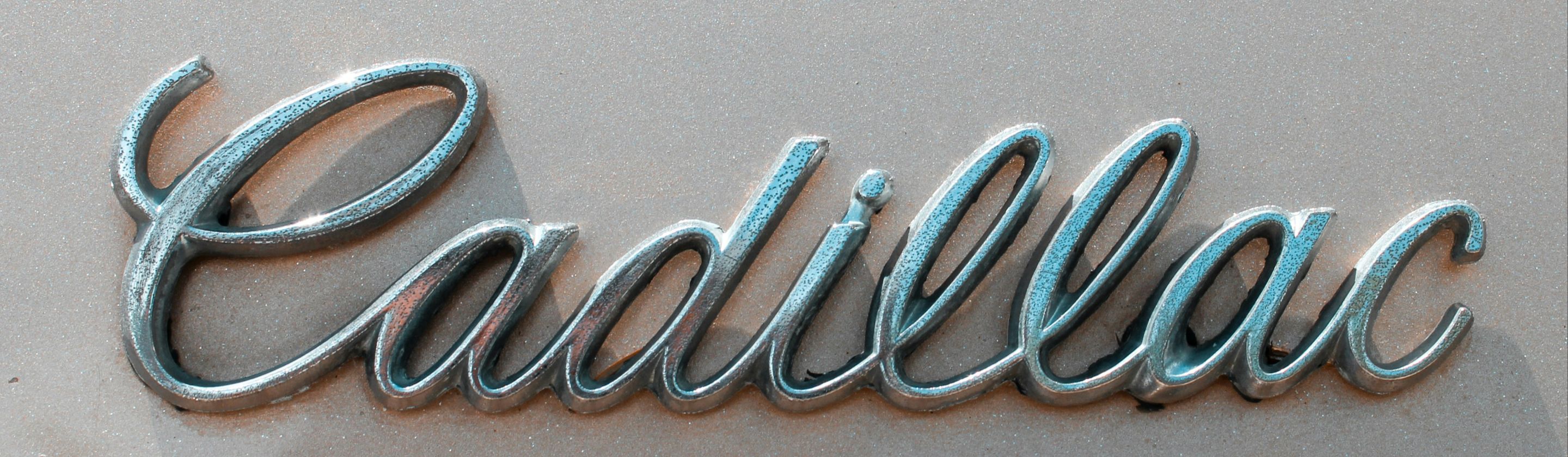
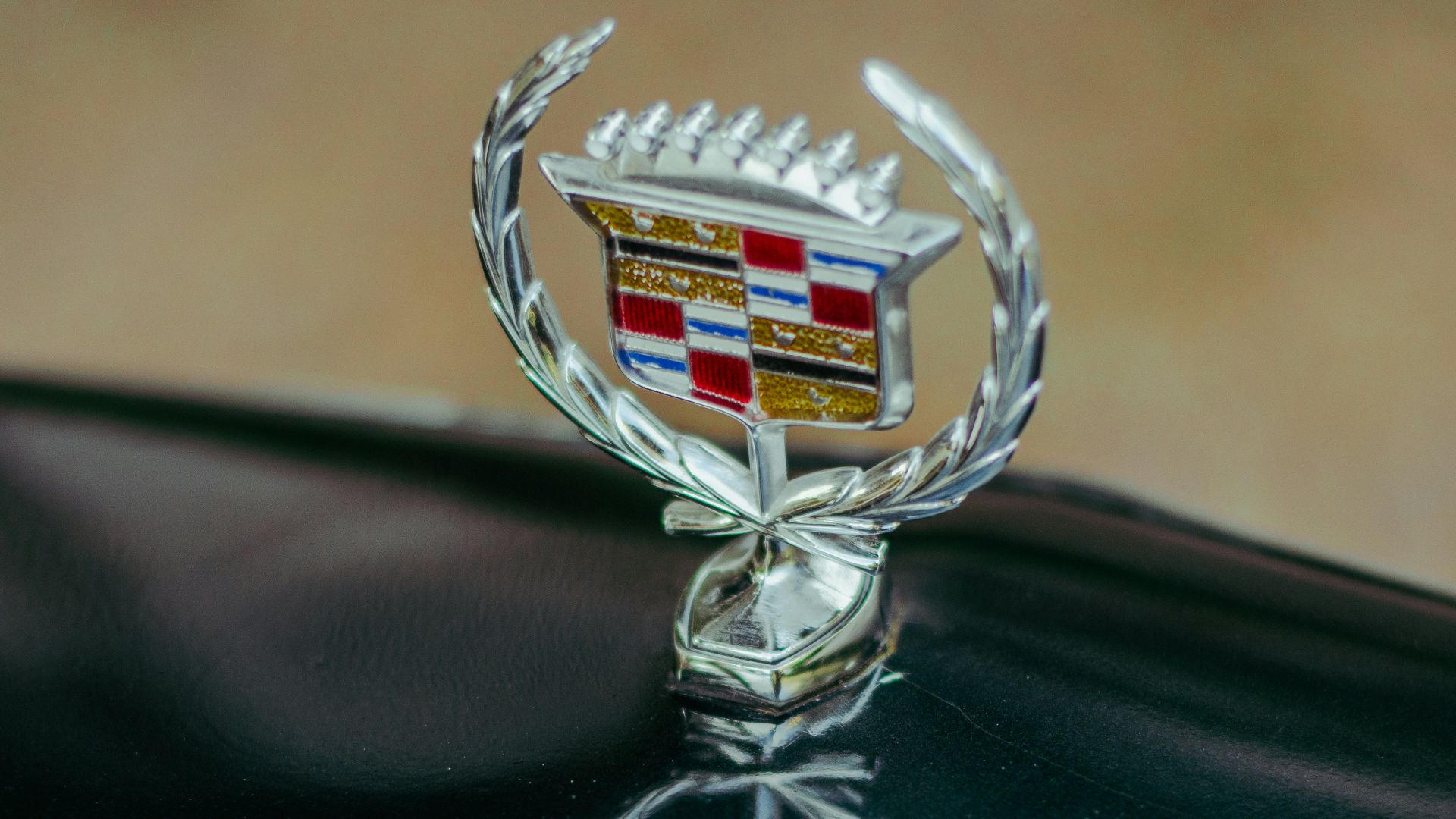
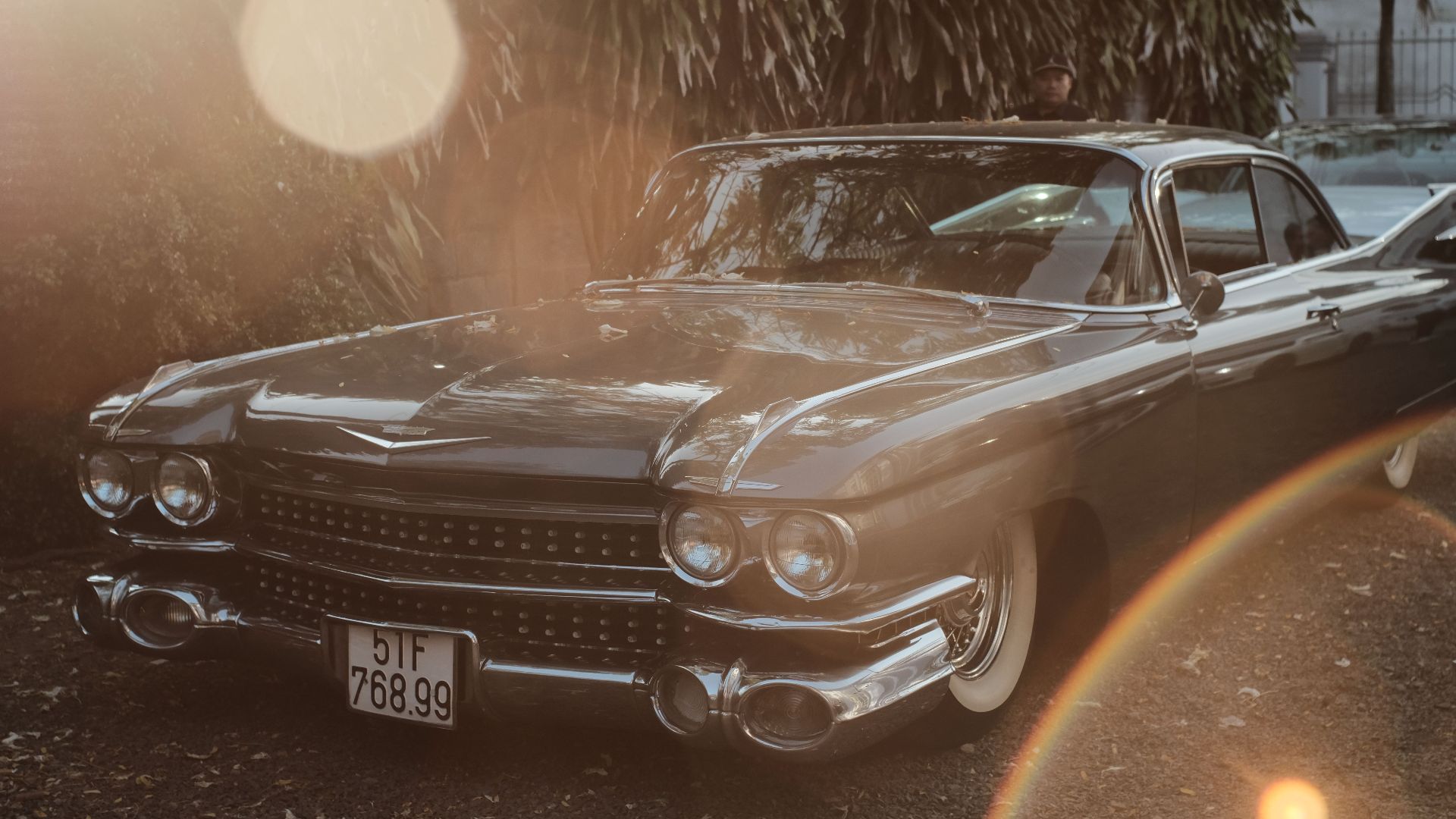
Cadillac used to be the name people reached for when they wanted to describe success on wheels. For decades, it stood for big American luxury, chrome confidence, soft leather, and the kind of arrival that didn’t need much explanation. If someone said a car was “the Cadillac of” anything, you understood the compliment immediately.
Then the image started to wobble. By the late 20th century, Cadillac looked less like the future of luxury and more like a brand trying to preserve an old version of status. Younger buyers began looking toward European and Japanese luxury brands, while Cadillac had to figure out how to seem desirable again without pretending its history never happened.
Cadillac’s Old Cool Became Its Own Problem
Cadillac’s original cool came from being aspirational in a very American way. The cars were large, comfortable, dramatic, and easy to associate with entertainers, executives, presidents, and people who liked making an entrance. For a long time, that formula worked beautifully because luxury meant presence. If your car took up space, that was part of the point.
The trouble was that taste changed faster than Cadillac’s image did. By the 1970s and 1980s, fuel concerns, changing design priorities, and tougher competition made giant luxury cars feel less modern. Brands like Mercedes-Benz, BMW, Lexus, and Acura started offering a different kind of status built around precision, quality, and sharper engineering. Cadillac still had recognition, but recognition isn’t the same as excitement.
There was also the age problem. Cadillac became strongly associated with older buyers, which made it harder to attract people who wanted their luxury car to feel fresh, athletic, or modern. This meant that, for many buyers, the brand had become easier to respect than to desire, and that’s a tricky place for a luxury nameplate to land.
The Brand Tried to Get Sharper and Younger
Cadillac’s early-2000s reinvention was one of its boldest attempts to change the conversation. The brand leaned into the angular “Art and Science” design language and introduced cars that looked more aggressive than the floaty Cadillacs people remembered. The CTS helped signal that Cadillac wanted to compete with sport sedans, not just build comfortable cruisers. That mattered because luxury buyers were increasingly expecting performance along with plushness.
The V-Series pushed that idea much further. Introduced in 2003, Cadillac’s V-Series was designed as a performance line aimed at competitors like BMW M and Mercedes-AMG, and the first CTS-V gave the brand a much-needed attitude adjustment. Suddenly, Cadillac had cars that enthusiasts could discuss without sounding like they were doing it out of politeness. A luxury brand gets a lot cooler when it can back up its styling with horsepower and track credibility.
The Escalade also helped Cadillac regain cultural visibility, though in a very different way. Instead of trying to chase European sport sedans, the Escalade leaned into size, flash, and celebrity appeal. Everyone from Shaquille O'Neal to Kim Kardashian had one, giving it plenty of star power. It became one of the few Cadillacs that younger buyers recognized as cool in a current way, not just historically important.
Cadillac’s Comeback Has Been Uneven but Interesting
Cadillac’s biggest challenge has been consistency. For every strong move, there have been moments when the lineup felt confusing, or the branding seemed unsure of itself. Sedans like the CTS, ATS, CT4, and CT5 earned respect from enthusiasts, but the broader market kept moving toward SUVs and crossovers. You can build a great sports sedan and still struggle if shoppers are busy buying luxury utility vehicles.
That’s why Cadillac’s current electric era matters so much. The brand now presents models like the Lyriq as part of its luxury EV future, while also continuing to sell SUVs, sedans, and performance vehicles. The Lyriq gives Cadillac a chance to look modern without relying only on retro glamour or loud horsepower. For a company trying to regain cool, electric luxury offers a cleaner way to talk about technology, design, and prestige.
Cadillac has also been trying to revive its top-tier image with vehicles like the Celestiq. That hand-built electric flagship is meant to remind people that Cadillac can still think big, expensive, and dramatic when it wants to. The idea isn’t just to sell a lot of one model, because ultra-luxury flagships often work as brand statements. If people start seeing Cadillac as ambitious again, the halo effect can help the rest of the lineup.
The real lesson is that cool can’t be restored by nostalgia alone. Cadillac’s history gives it a powerful foundation, but history only helps if the present feels convincing. Its best comeback efforts have worked when they made the brand feel bold, whether through V-Series performance, Escalade swagger, or electric design. Cadillac lost some of its cool when luxury moved on, but it has spent years proving it still knows how to make people look twice.