
The American automotive landscape has undergone a dramatic shift over the past few decades. Once a common sight on dealership lots, manual transmission vehicles have become increasingly rare, with automatics dominating the market.
This transition reveals fascinating insights into cultural, economic, and technological differences between the United States and Europe. Let’s take a look.
The American Shift Away From Stick Shifts
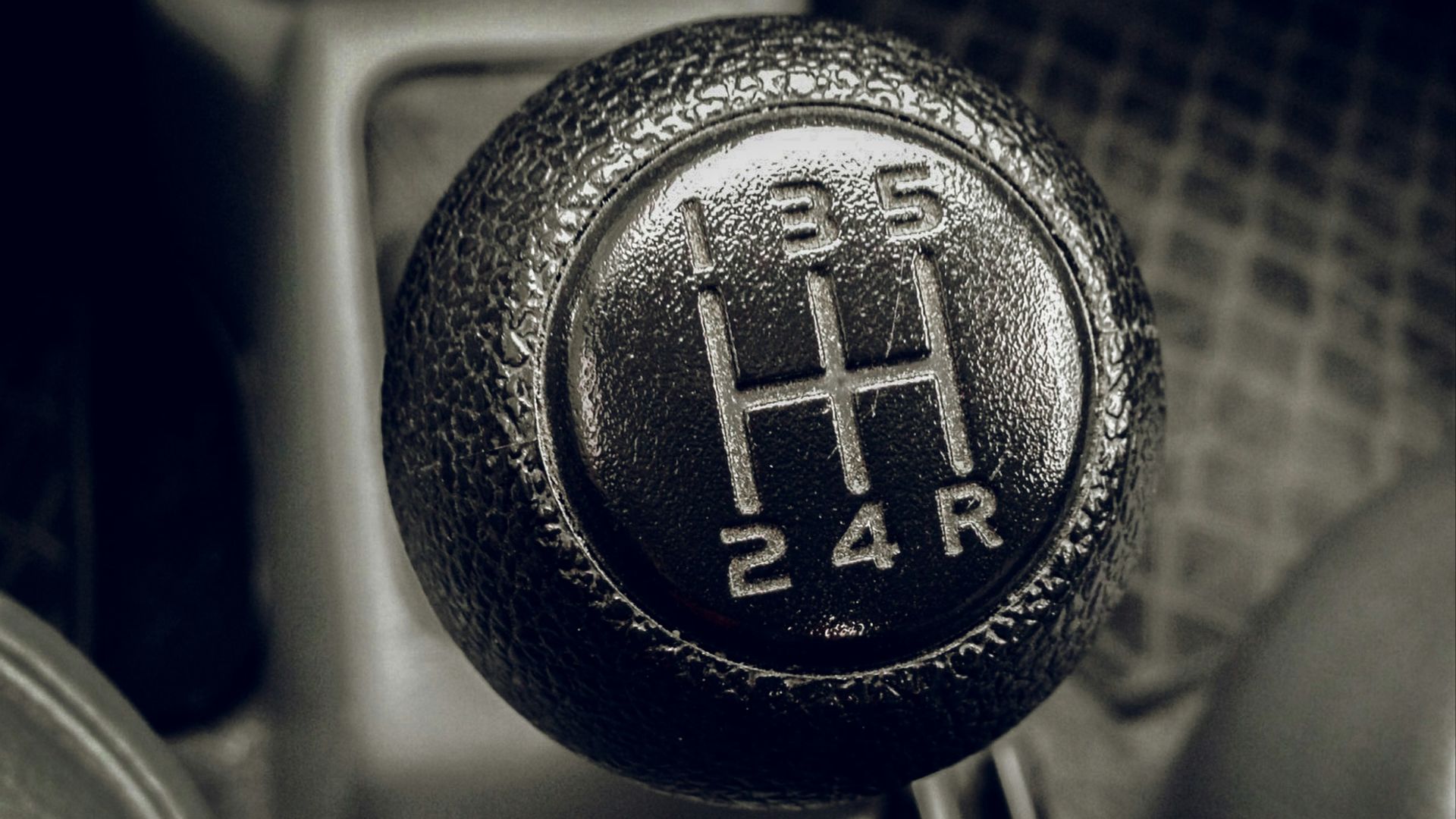
Manual transmissions now account for a mere 1.7% of new vehicle sales in the United States, a notable decline from 35% in the 1980s. This shift didn't happen overnight. America's love affair with automatic transmissions began in the 1940s when General Motors introduced the Hydra-Matic, the first mass-produced automatic transmission. By the late 1950s, automatics had already outsold manuals for the first time.
The decline accelerated due to several factors. Americans tend to multitask while driving—eating, drinking, and using devices—activities that are easier with an automatic. Our sprawling suburban infrastructure and long commutes also make the convenience of automatics more appealing. Additionally, advancements in automatic transmission technology have eliminated the fuel economy advantage that manuals once held.
Today, finding a manual transmission vehicle requires determination. Only 32 models offered manual transmissions to American consumers in 2025, out of approximately 275 available car models. Those that remain are performance-oriented vehicles marketed to enthusiasts.
Why Europe Remains Manual Territory
In Europe, the picture is dramatically different, with 50% of cars sold in 2020 (across the EU and UK) featuring manual transmissions. Though this represents a decline from previous decades, when manual take rates exceeded 90%, it demonstrates a persistent European preference for stick shifts.
Several factors explain this continental divide. Historically, Europeans have prioritized fuel efficiency due to significantly higher fuel prices, and manuals traditionally offered better economy. European cities are more compact, with less emphasis on long commutes, making the engagement of manual driving less burdensome.
Economic considerations also play a role. In Europe, manual cars remain more affordable both in purchase price and maintenance costs. Automatic transmission repairs can be particularly expensive, especially for advanced systems like CVTs.
Cultural attitudes toward driving also differ. While Americans often view driving as merely a means of transportation, Europeans tend to see it as a skill requiring engagement and mastery. This perspective is reinforced by European driver education, which teaches manual operation as the standard.
The Future Of Manual Transmissions
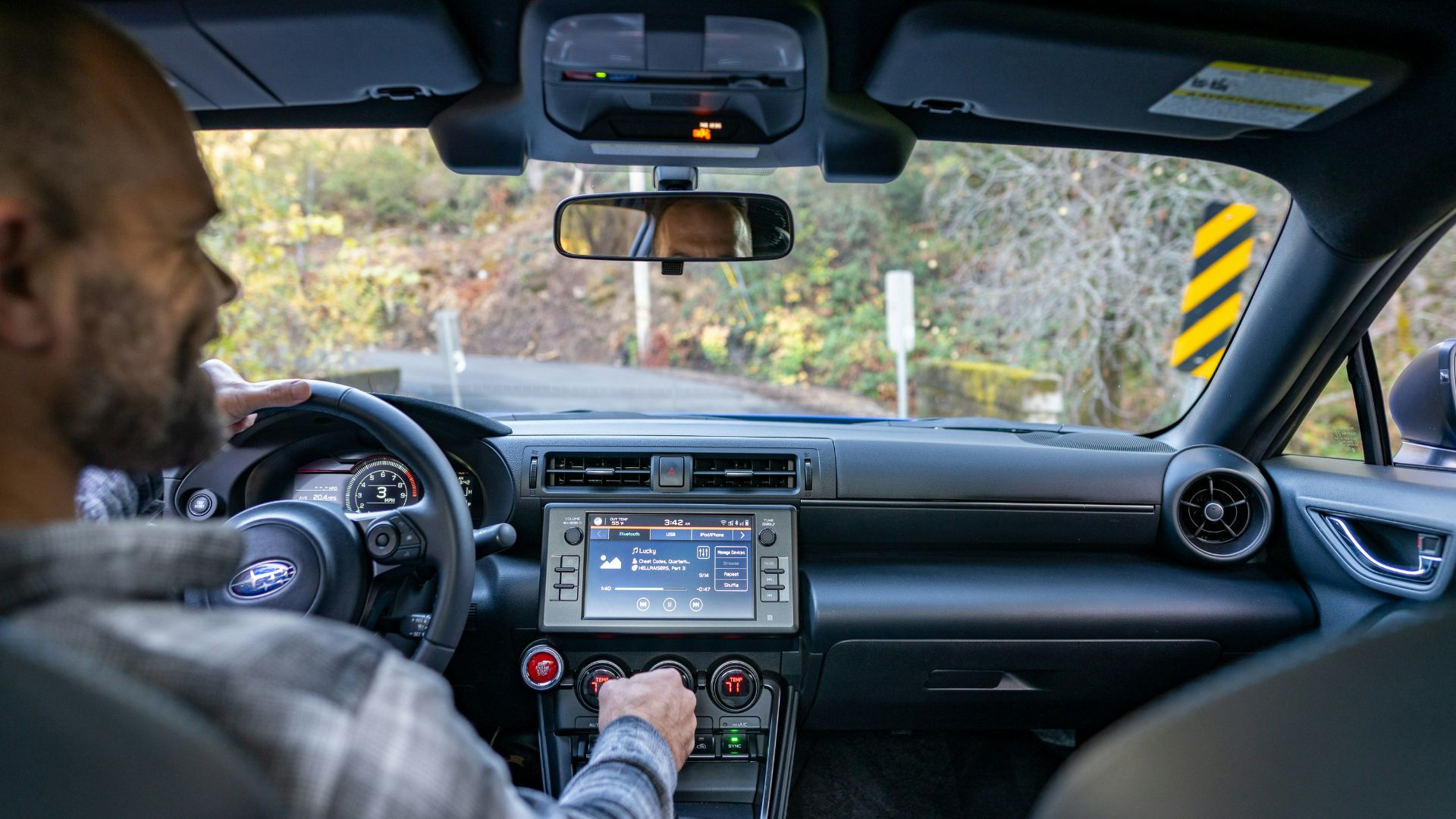
The gap between American and European preferences is narrowing. In Europe, manual transmission sales have dropped to 32% in 2023 according to JATO Dynamics, continuing a steady decline. The rise of electric vehicles, which don't have traditional transmissions, will likely accelerate this trend globally.
For enthusiasts on both continents, the manual transmission has shifted from a practical choice to a statement—a deliberate preference for engagement and connection with the machine, even at the expense of convenience.