You wash your car religiously, park it in a garage, and cringe every time you see that first bubble of rust forming along the wheel well. Despite your best efforts, rust seems inevitable.
But here's the truth that might surprise you: the biggest culprit behind that corrosion eating away at your vehicle isn't road salt, and it isn't even the rain. The number one cause of rust on your car is something far more insidious and unavoidable—moisture trapped in hidden areas where air can't circulate. Those concealed pockets and crevices in your car's body are rust factories, and once moisture gets in there, it's game over.
The Hidden Enemy
Your car is designed with countless nooks, crannies, and overlapping metal panels that create perfect environments for rust. Door frames, rocker panels, inside fenders, and the spaces behind bumpers all trap water and dirt. When moisture seeps into these areas through normal driving—splashing through puddles, morning dew, rain—it gets stuck. Unlike the exterior surfaces that dry quickly in sunlight and wind, these hidden spots remain damp for days or even weeks. This constant wetness is what accelerates oxidation, the chemical process where iron in steel reacts with oxygen to form iron oxide, better known as rust.
The real problem isn't getting wet; it's staying wet without proper airflow to dry things out. Modern cars have drainage holes designed to prevent this, but they frequently clog with debris, leaves, and dirt, turning intended drainage points into moisture reservoirs. Once water accumulates in these areas, it creates the perfect storm for rust formation. The metal stays damp, oxygen is present, and the electrochemical reaction begins its slow but steady destruction of your car's body.
Why Other Factors Make It Worse
While trapped moisture is the primary villain, it doesn't work alone. Road salt, which many people assume is the main culprit, actually acts as an accelerant rather than the root cause. Salt is hygroscopic, meaning it attracts and holds moisture from the air, keeping those hidden areas even damper for longer periods. It also acts as an electrolyte, speeding up the corrosion process significantly.
Similarly, scratches and paint chips are often blamed, but they're really just entry points that allow moisture to reach bare metal and get trapped underneath paint layers. Humidity levels in your climate matter too—cars in coastal areas or humid regions rust faster because there's simply more moisture in the air trying to find its way into those hidden pockets.
Fighting Back Against The Rust
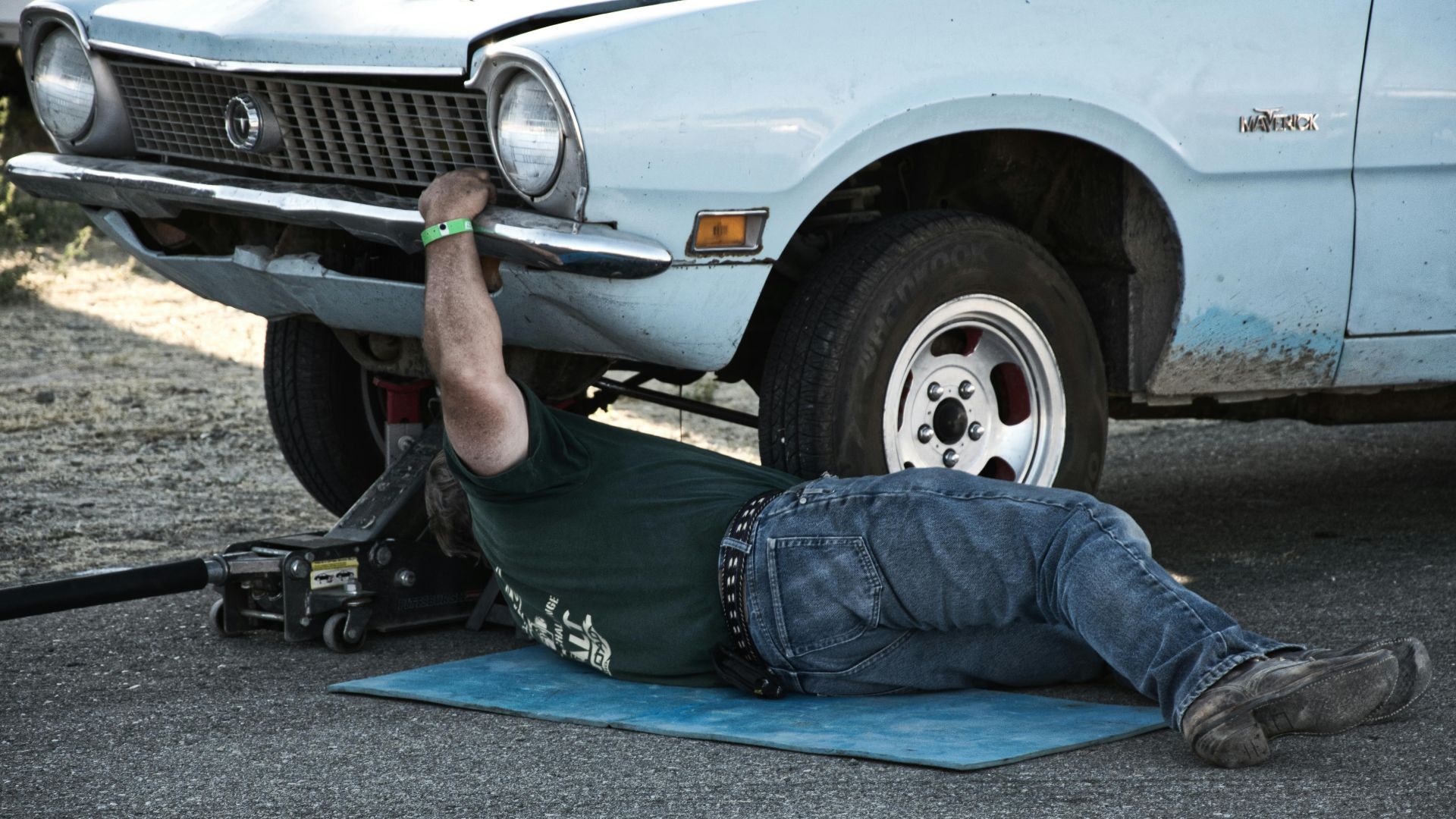
The key to prevention is ensuring those hidden areas can breathe and drain properly.
Regularly check and clear drainage holes in doors, rocker panels, and sunroof channels. Consider applying rust-resistant coatings to vulnerable areas, and most importantly, allow your car to fully dry out after exposure to water—yes, that might mean leaving it outside in the sun occasionally rather than immediately parking in a closed garage.