Every car has a story—road trips, coffee spills, and late-night fast-food runs. But even the most reliable ride reaches a point where it’s whispering, “Let me go.” If your vehicle is creaking louder than your knees in winter, it might be time to part ways. Let’s talk about the biggest telltale sign you shouldn’t ignore.
Repair Costs Are Catching Up To The Car’s Value
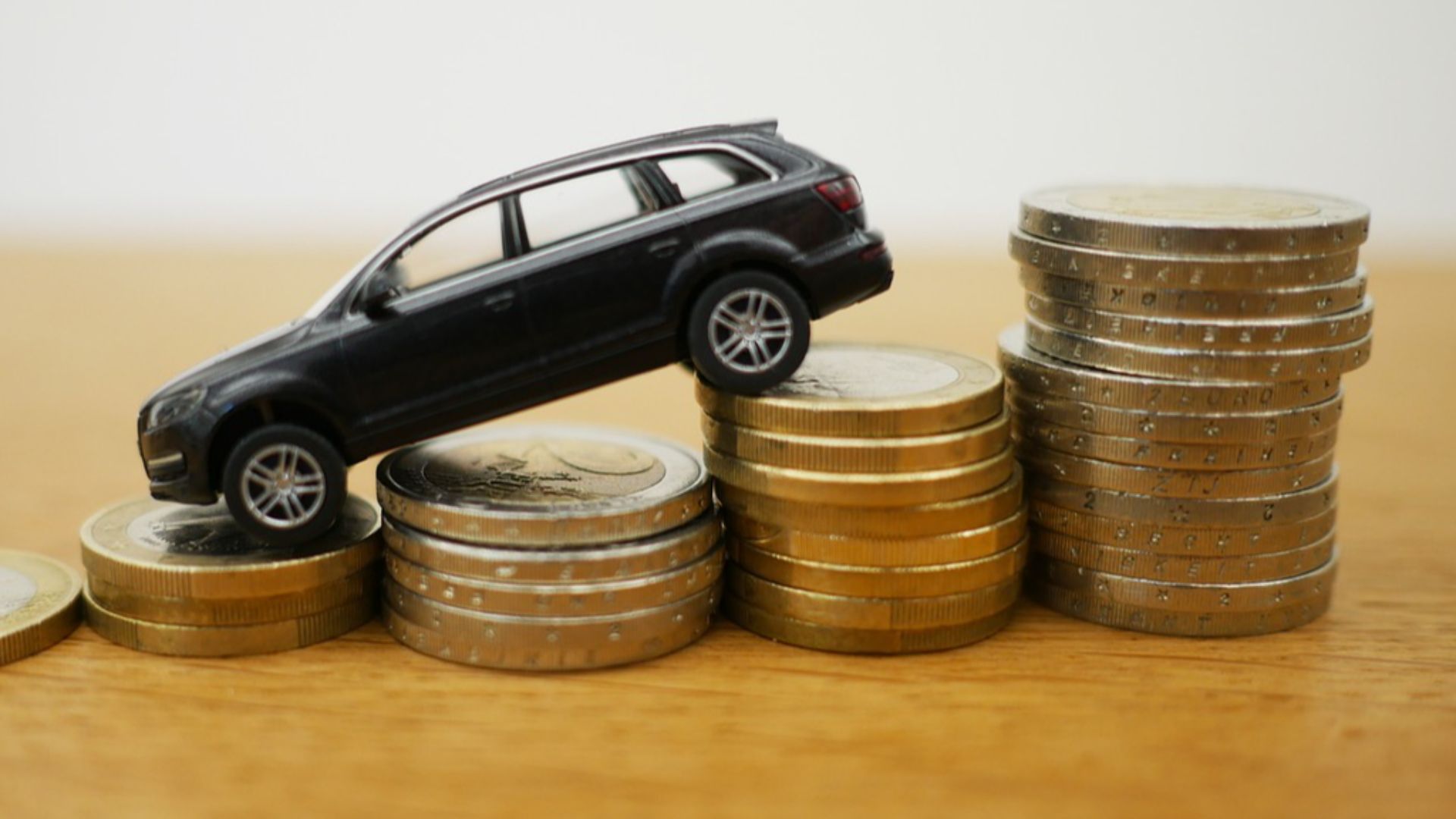
When repair bills begin to rival the value of your car, it’s a practical signal to sell. Older vehicles require more frequent fixes as parts wear out and labor costs rise. Continuing to fund constant repairs rarely makes financial sense if reliability becomes unpredictable.
In other words, your vehicle is turning from an asset into a hobby project. Once you’re sinking money into repeated fixes, it’s rarely worth the cost. You wouldn’t pour a year’s savings into a dying lawnmower; the same logic applies here.
Safety Tech Has Left You Behind
Modern cars aren’t just shinier—they’re smarter. Many vehicles made before 2012 lack widespread critical features like electronic stability control (mandated for all 2012 models), lane-departure warnings, or automatic emergency braking, though available in select models. If your dashboard looks like a cassette player museum, safety may be the strongest reason to sell.
Even skilled drivers can’t outmatch software that reacts in milliseconds. Additionally, if your car predates backup cameras (required after 2018), you’re missing out on protection that could save a life—or at least your bumper.
Rust Has Taken The Wheel
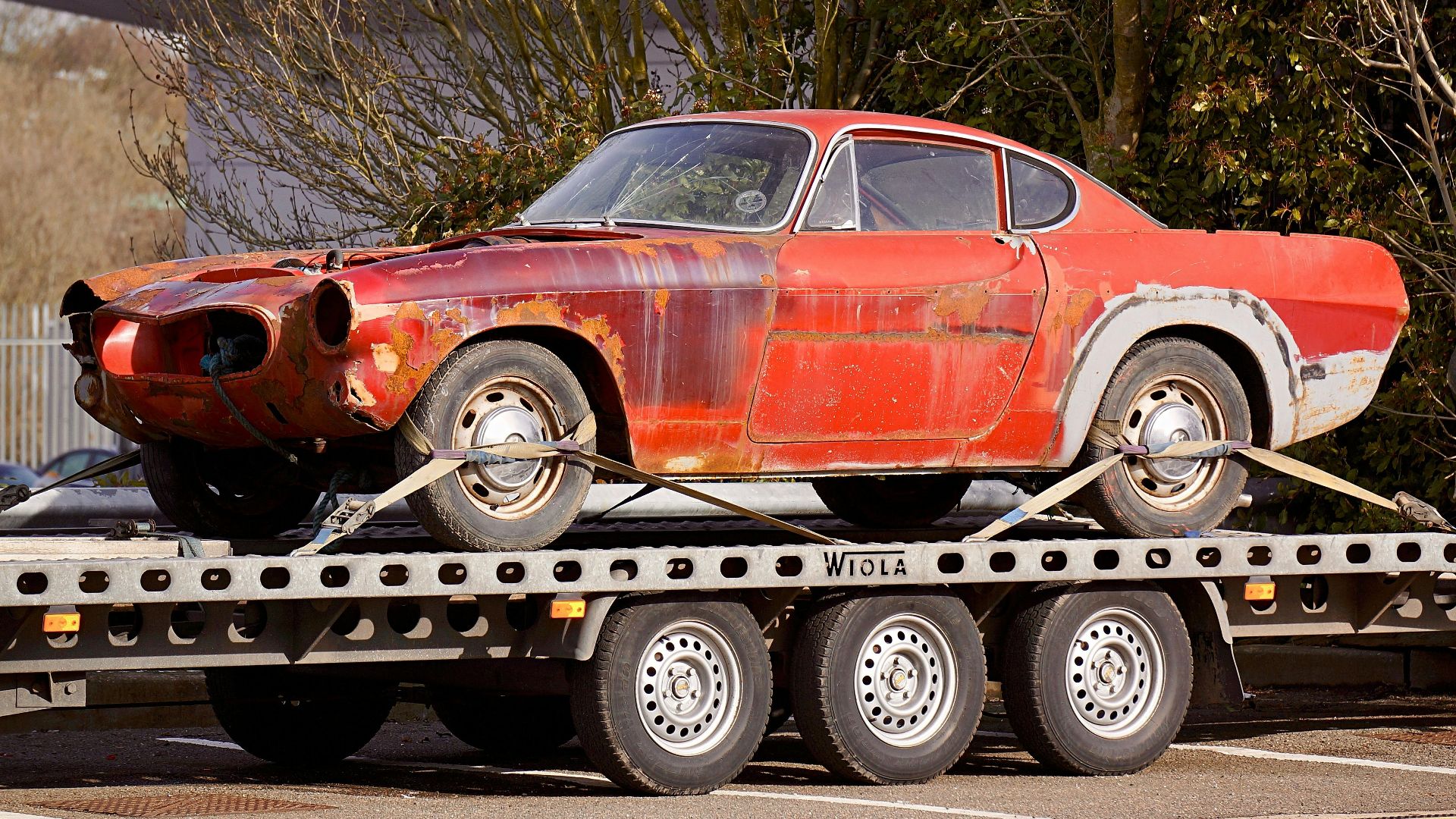
Rust is a slow-motion collapse. Once oxidation eats through the undercarriage or frame, safety inspectors often fail the vehicle outright. Severe corrosion weakens key structural points and can make a car unsafe to drive. If tapping your door sounds hollow, it may indicate advanced body rust, which could progress to compromise the integrity of the frame if unchecked.
And rust doesn’t just stay put—it spreads. Moisture can seep into brake lines or suspension mounts. By the time you notice flakes near your tires, corrosion may already be feasting underneath. Selling before it reaches that stage can spare you both danger and expense.
Fuel Efficiency Has Flatlined
Aging engines lose efficiency fast. That beloved 2008 sedan that once got 30 miles per gallon might now struggle to hit 24-27, depending on wear and maintenance. Each fill-up feels heavier on your wallet for a reason.
Even worse, older engines emit more carbon dioxide and pollutants. If you’re filling up twice as often but traveling the same routes, that’s inefficiency. Trading in for a hybrid or modern fuel-sipper could slash both emissions and expenses in one move.
Final Thought: Let The Numbers Talk
Emotions aside, your car’s telling you when it’s ready to move on. Repairs piling up, outdated safety, spreading rust, or a gas bill that rivals your grocery tab—each is a warning. So before the next rattle becomes a roar, check its trade-in value, and see what your next ride might be. Your future self will thank you.