The automotive scenario has shifted over the past decade, with electrified vehicles moving from niche curiosities to mainstream options lining dealer lots across the country. Yet amid all the buzz about going green and reducing emissions, confusion persists about what different terms actually mean.
Standing in a showroom today, the average buyer faces a puzzling situation: two cars that look nearly identical, both bearing hybrid badges, yet with price tags thousands of dollars apart. One sales representative talks about never needing to plug anything in, while another enthusiastically describes charging cables and an electric-only range.
How They Actually Work
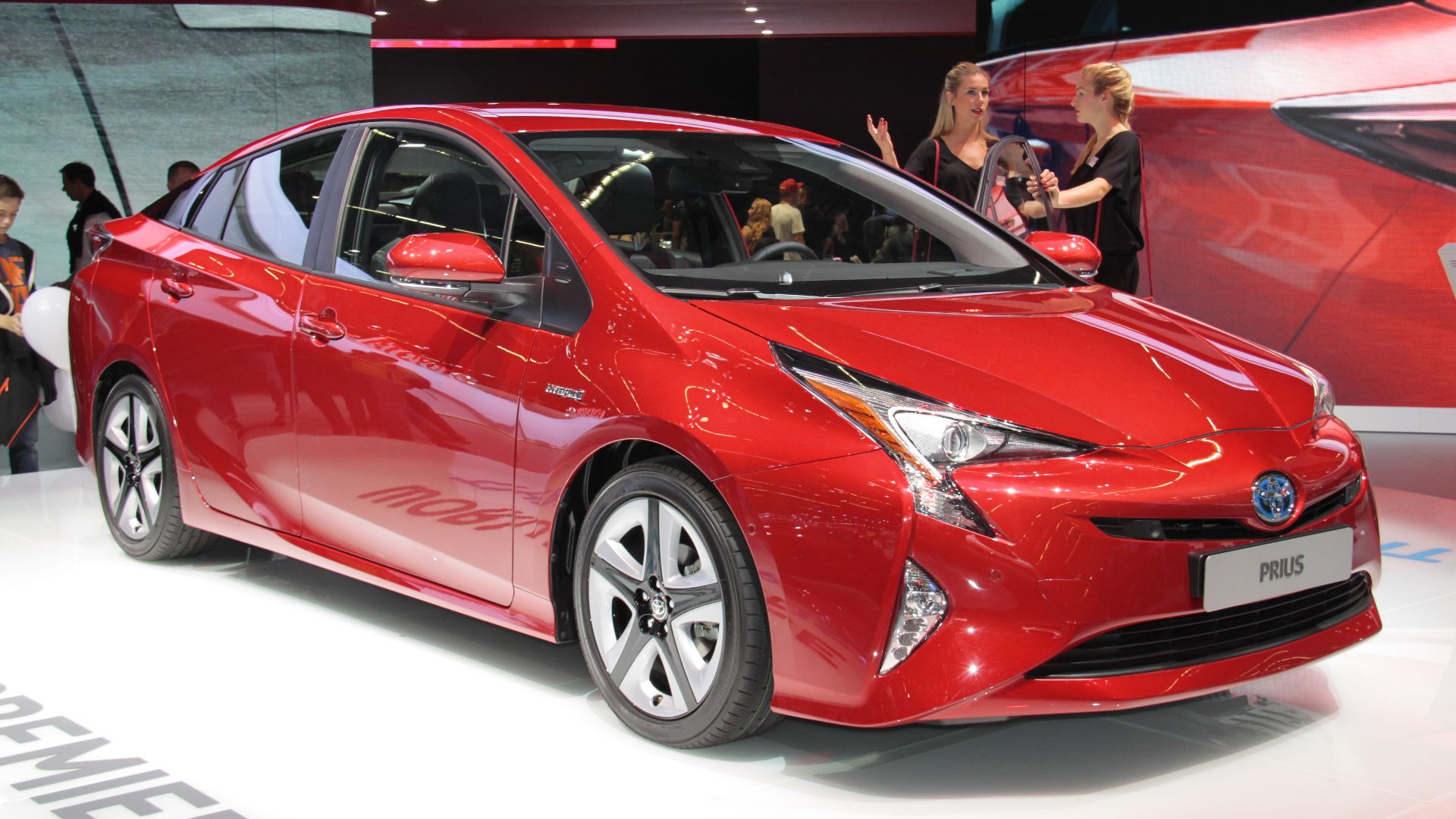
Regular hybrids, like the iconic Toyota Prius, are essentially self-sufficient machines. They combine a gasoline engine with an electric motor and a small battery pack, typically ranging from 1 to 2 kilowatt-hours. Here's the clever part: the battery charges itself through regenerative braking and excess power from the engine.
Drivers never plug it in. When crawling through traffic or cruising at low speeds, the electric motor does most of the work. Accelerate hard or hit the highway, and the gas engine kicks in. The two systems work together seamlessly, and drivers just fill up at regular gas stations like always.
Plug-in hybrids, or PHEVs, take this concept and supercharge it—literally. They pack significantly larger battery packs, usually between 8 and 20 kilowatt-hours, which means they can run on pure electricity for meaningful distances. Most PHEVs can travel 20 to 50 miles on electricity alone before the gas engine needs to take over.
Real-World Performance And Costs
The driving experience differs more than most people think. Regular hybrids deliver excellent fuel economy—typically 50 to 60 miles per gallon combined—but they're still using gas constantly. The Honda Accord Hybrid consistently achieves around 48 mpg in mixed driving conditions.
PHEVs offer a split personality. If charged regularly and daily driving stays within the electric range, drivers might use virtually no gas for weeks. Someone with a Ford Escape Plug-In Hybrid and a 15-mile commute could go over a month without visiting a gas station. However, once that battery depletes, fuel economy actually drops below regular hybrids—often to around 30 to 35 mpg—because of the heavier battery pack being hauled around.
Price-wise, regular hybrids typically add $2,000 to $4,000 to a vehicle's base price. PHEVs cost significantly more, usually $6,000 to $12,000 above their gas-only counterparts. The silver lining? PHEVs qualify for federal tax credits up to $7,500, depending on the model and battery size.
Which One Makes Sense for You
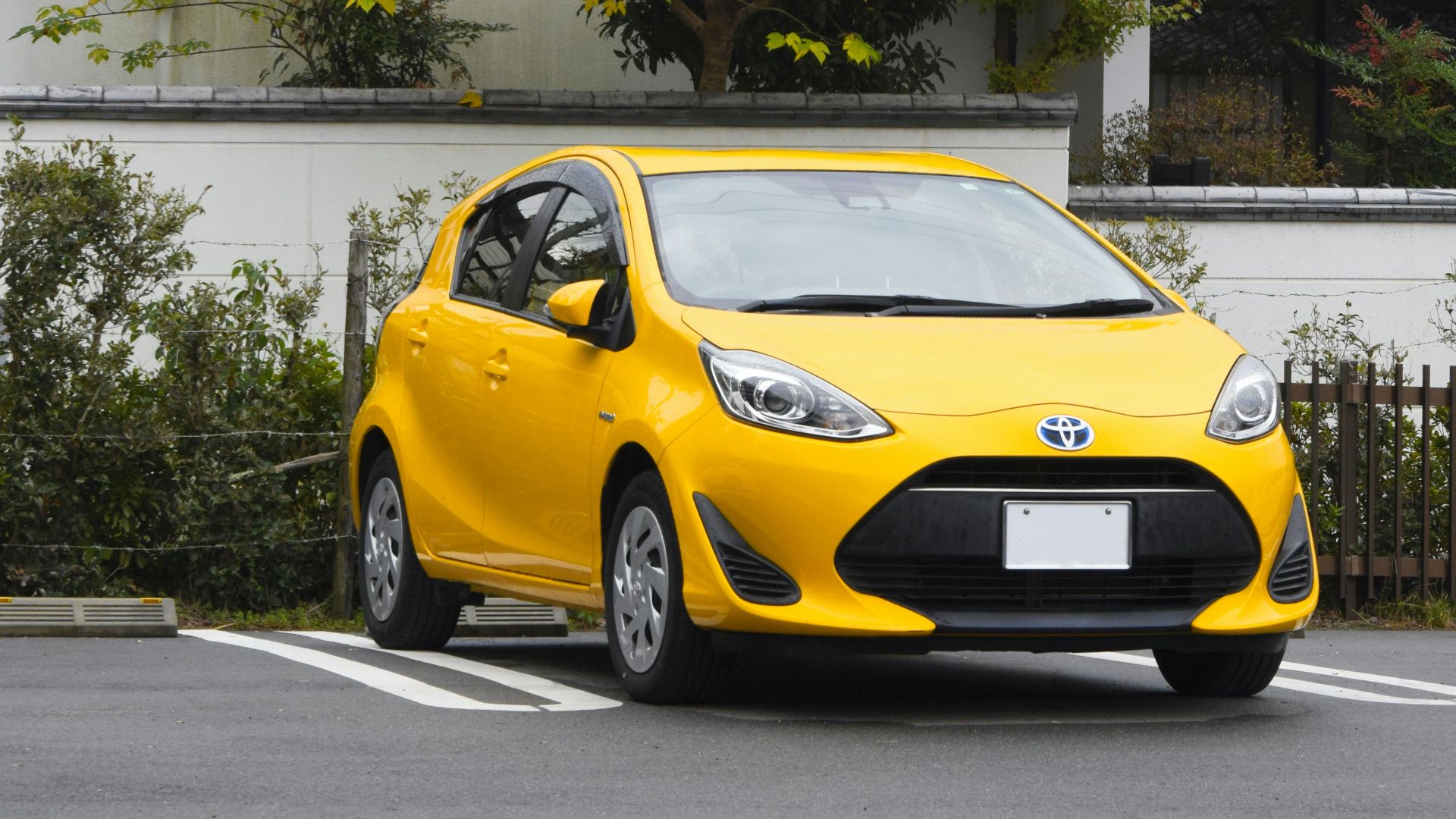
The decision really comes down to daily routine. Regular hybrids shine for people who want better fuel economy without changing habits. No charging infrastructure needed, no range anxiety, just better mileage.
PHEVs make sense for those with shorter commutes, access to charging at home or work, and a desire to minimize gas consumption. They're the bridge vehicle—offering electric driving for daily errands while keeping that gas engine as a security blanket for road trips.