

Toyota's reputation for reliability didn't happen by accident. It started in the rubble of post-war Japan, where resources were scarce and waste was simply unaffordable. In the 1950s, Taiichi Ohno developed what would become the Toyota Production System, a revolutionary approach that focused on eliminating waste and building quality into every step of manufacturing.
Unlike American automakers, who could afford to fix problems later, Toyota had to get it right the first time.
The Post-War Philosophy That Changed Everything
This philosophy, called "kaizen" or continuous improvement, became embedded in Toyota's DNA. Workers on the assembly line were empowered to stop production if they spotted a defect, a practice unheard of in other factories where speed was prioritized over all else.
The famous andon cord allowed any employee to halt the entire line rather than let a flawed car continue down the production process. This wasn't just a safety net; it was a cultural statement that quality mattered more than quotas.
Engineering Boring Into An Art Form
Here's the thing about Toyota: they're not exciting, and that's exactly the point. While other manufacturers chase horsepower numbers and flashy features, Toyota perfects the mundane. Take the Camry engine, for example. Toyota has spent decades refining powertrains that don't break, using proven technology rather than innovations that might fail.
They'll test a new component for years before it ever reaches a production vehicle. This conservative engineering approach means Toyota is rarely first to market with new technology, but when they finally adopt something, it works. Their hybrid system, introduced in the 1997 Prius, has proven so reliable that many taxis have exceeded 500,000 miles with original hybrid batteries still functioning.
Toyota over-engineers components, uses larger tolerances to account for wear, and selects materials based on longevity rather than cost savings. It's not glamorous, but a 15-year-old Corolla still starting every morning is its own kind of beautiful.
Numbers Don't Lie
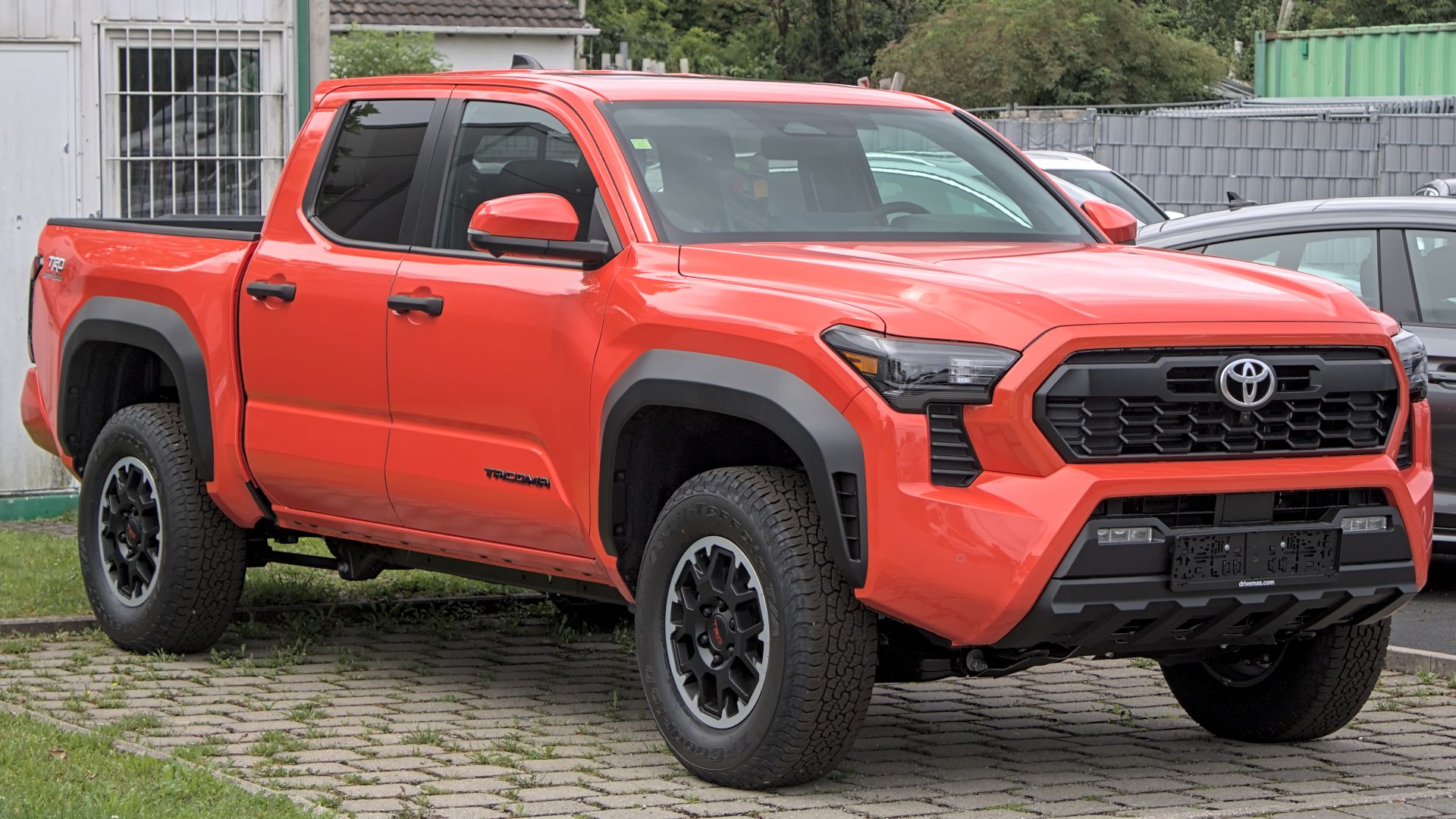
Toyota's reliability isn't just anecdotal; it's measurable and consistent. Consumer Reports has ranked Toyota and its luxury brand Lexus at the top of reliability ratings for decades. The Toyota Land Cruiser and Tacoma regularly appear on lists of vehicles most likely to reach 200,000 miles. In fact, an Autoweek study analyzing vehicles still on the road after 200,000 miles found that Toyota and Lexus accounted for a disproportionate percentage.
This reliability creates a self-reinforcing cycle. High resale values mean customers feel confident buying Toyotas, knowing their investment holds value. Fleet managers choose Toyota for lower total cost of ownership. And mechanics, while perhaps frustrated by fewer repair visits, respect the engineering. Toyota's warranty claims are consistently lower than competitors, and their vehicles spend less time in service bays.
The legacy is proudly built on millions of trouble-free commutes, family road trips without breakdowns, and keys passed down through generations. Toyota proved that reliability isn't a feature; it's a business model that works.