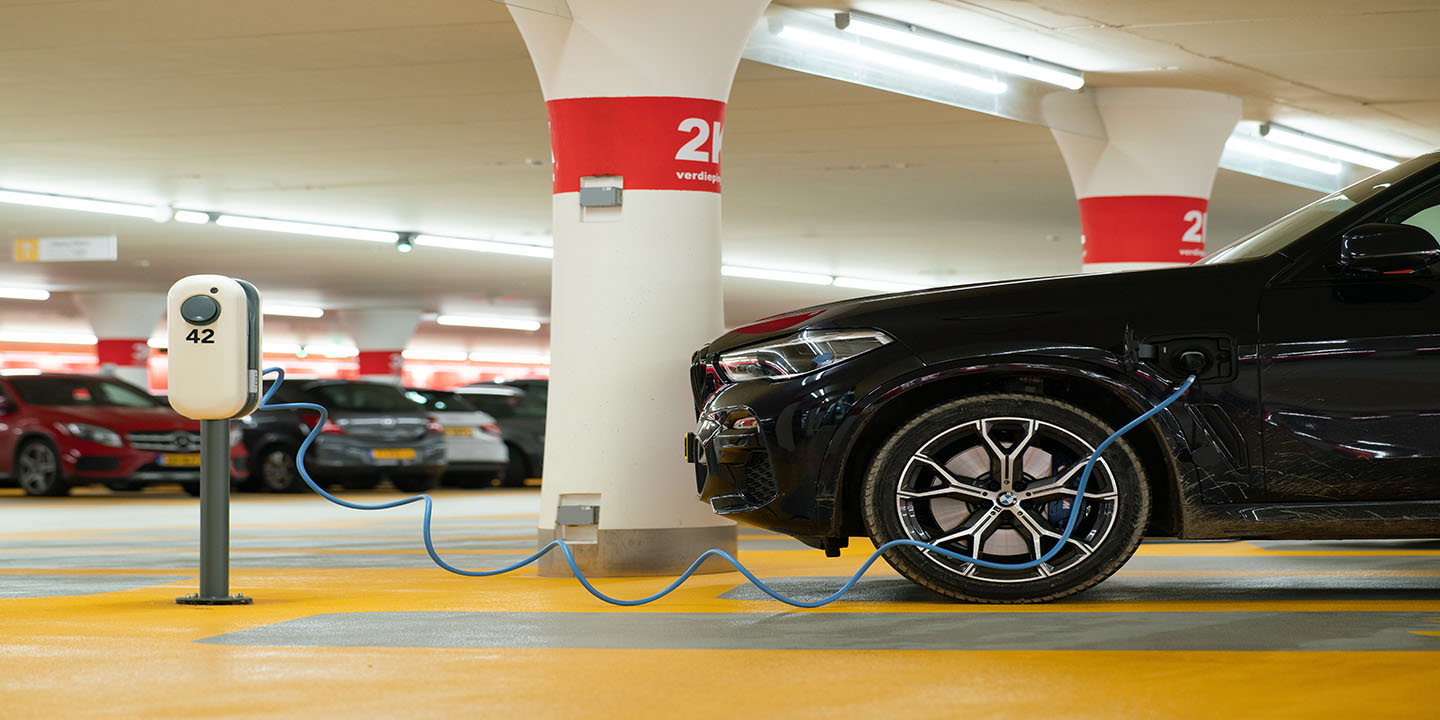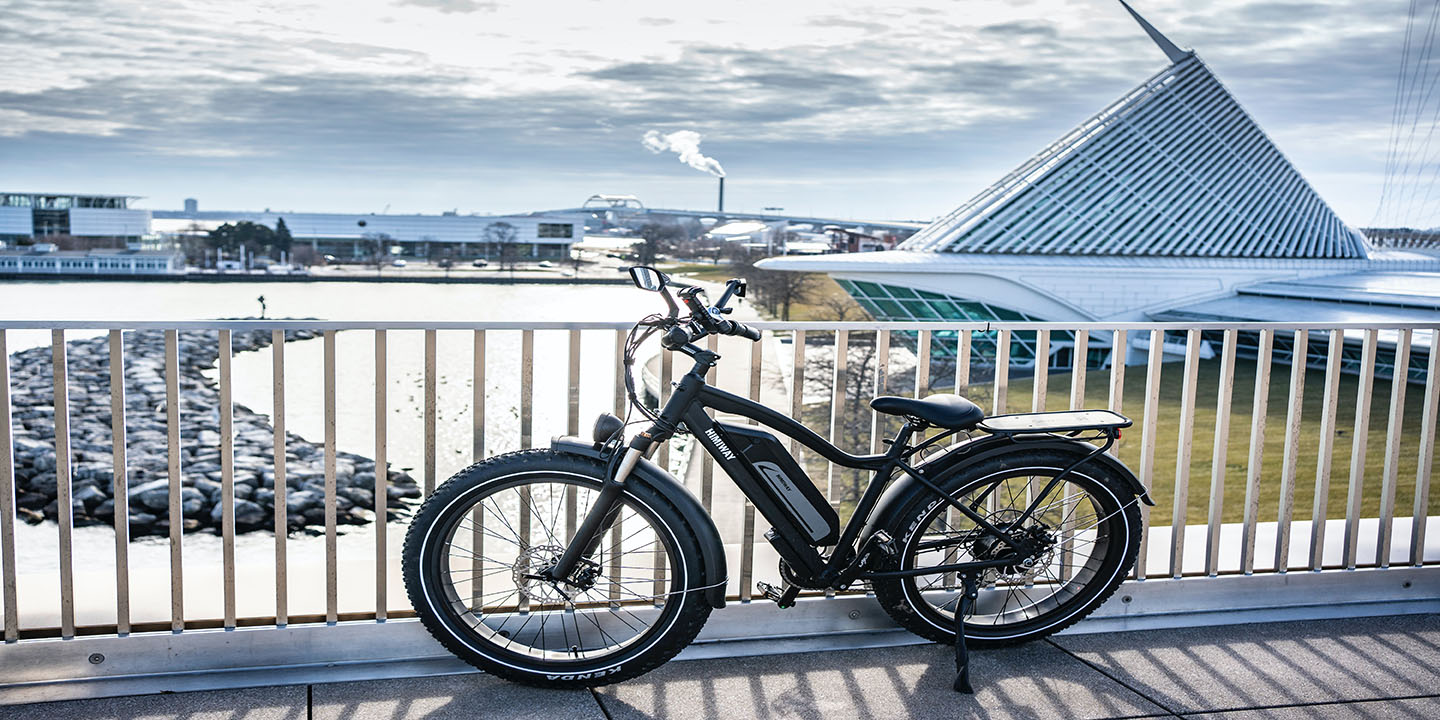
The hum of the electric motor, the zero-tailpipe-emissions badge, the promise of a cleaner, smarter driving future: it all sounds so good. Across the world, drivers are embracing electric vehicles (EVs) in growing numbers. Yet, beneath the gleaming exterior is a rising undercurrent of dissatisfaction. With headlines proclaiming the inevitable EV takeover, many early adopters are dissatisfied. So, let’s dig into why the electric dream isn’t feeling so effortless.
From Wow To Why
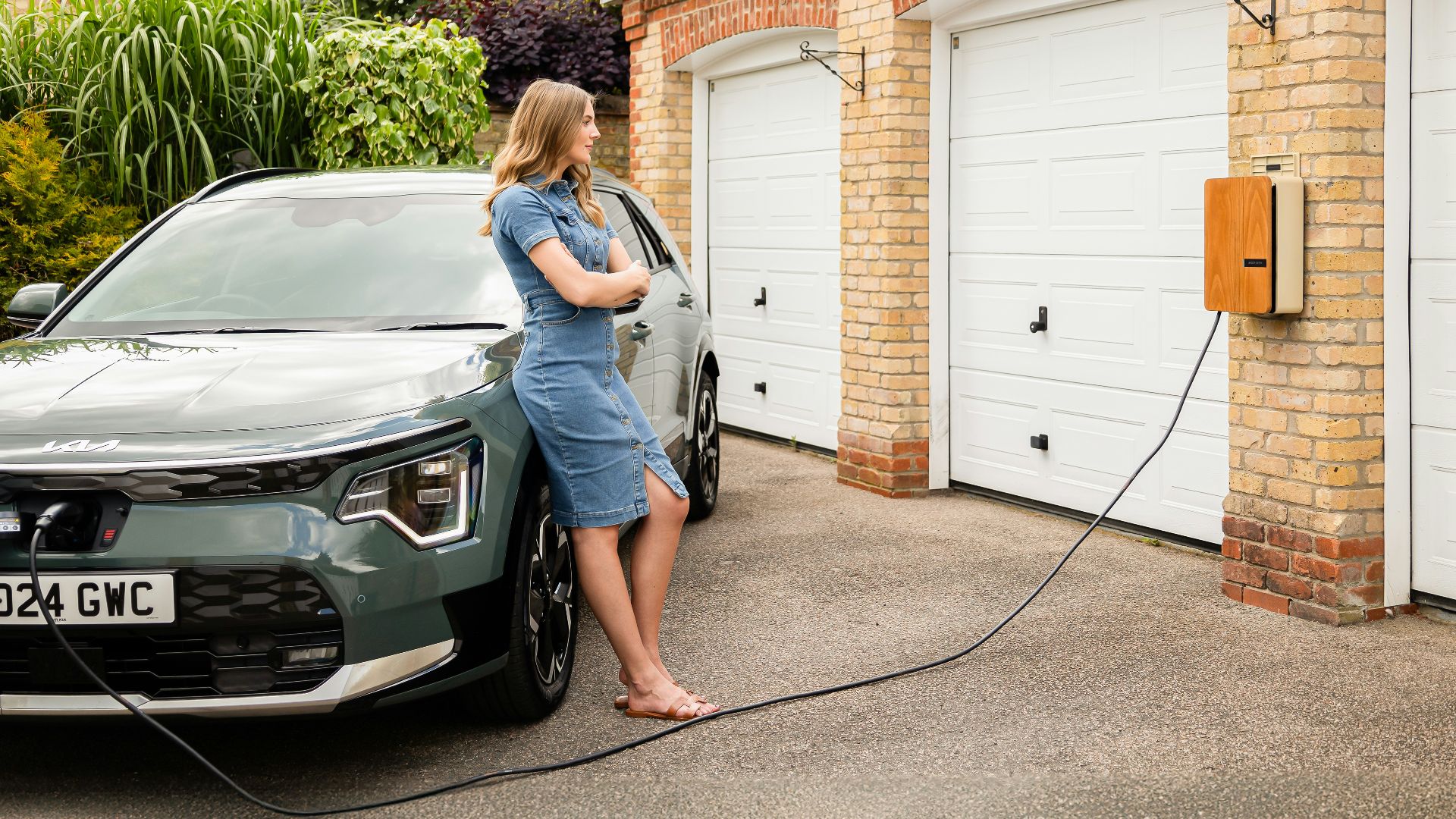
When drivers first slide into an EV, the experience often delivers: near-instant torque and the comforting sense of contributing to something bigger. The government incentives also sweeten the deal. Over time, however, the honeymoon phase begins to fade and expectations shift. Why? Because when you believe you’ve made the switch to the “future of mobility,” you also expect the infrastructure and user experience to match. Many find it doesn’t.
Despite many EV owners believing “charging will be as easy as fueling,” reality falls short. The result: frustration when you pull into a station and wait, only to find the charger inoperative, or discover you’ve signed up via a dozen different apps for a single charge. The elevated expectation, designed by the “EV revolution” narrative, is not always backed by system readiness.
Even though battery capacities are steadily growing, the familiar concept of “fill up and go” still doesn’t fully apply. The driver’s unease about whether the battery will last to the destination, or whether a charger will even be available when needed, is real.
The Real-World Friction
Transitioning from “expectations” to “everyday reality” is difficult. In urban homes, especially in places without dedicated parking or chargers, the barrier becomes installation cost and convenience. This is a global issue in cities where apartment dwellers rely on shared garages or street parking; installing a reliable charger isn’t easy. And on the public side, chargers may be occupied, blocked by non-EVs, or inoperable.
Beyond charging, drivers face ongoing costs and wear that weren’t always clearly communicated. For example, EVs tend to weigh more (because of heavier battery packs), which puts extra stress on tires and suspension.
According to the American Automobile Association, as quoted by TIME, one of the main reasons for roadside calls for EVs wasn’t “dead battery” but tire issues. Add to that depreciation uncertainties and software quirks, and the story becomes one of managing an EV, not simply enjoying one.
The Road Ahead
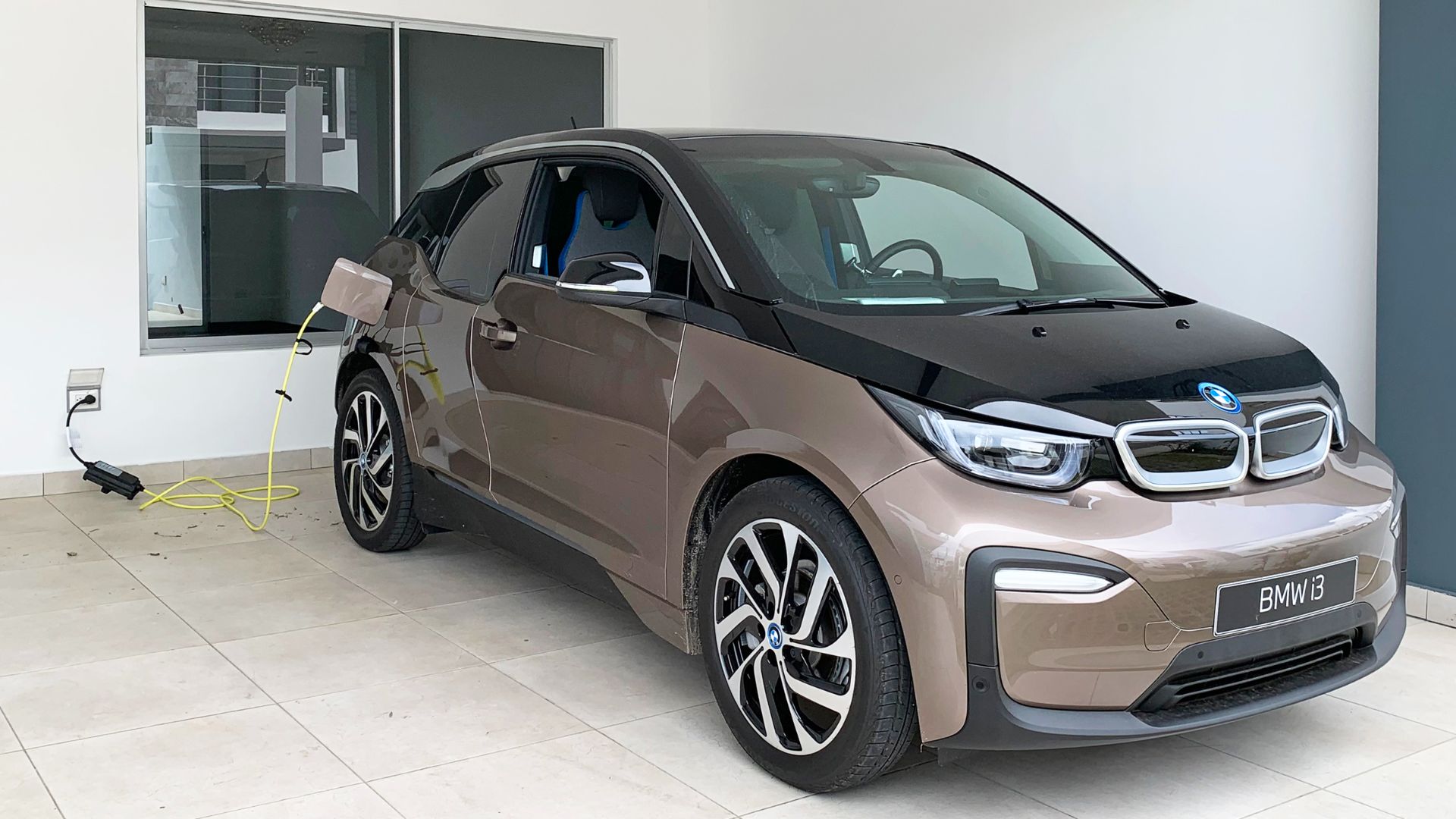 Mariordo (Mario Roberto Durán Ortiz) on Wikimedia
In the end, what becomes clear is this: the driver uproar is about “why isn’t this as good as they told me it would be?” And the good news is that many of the pain points are known and fixable. Charging-station reliability is improving, apps are being consolidated, and home charger rollout is getting simpler.
Yet the gap remains real for many. For any driver thinking of making the switch, the takeaway is simple: treat an EV as a journey, not a fully polished finish line.