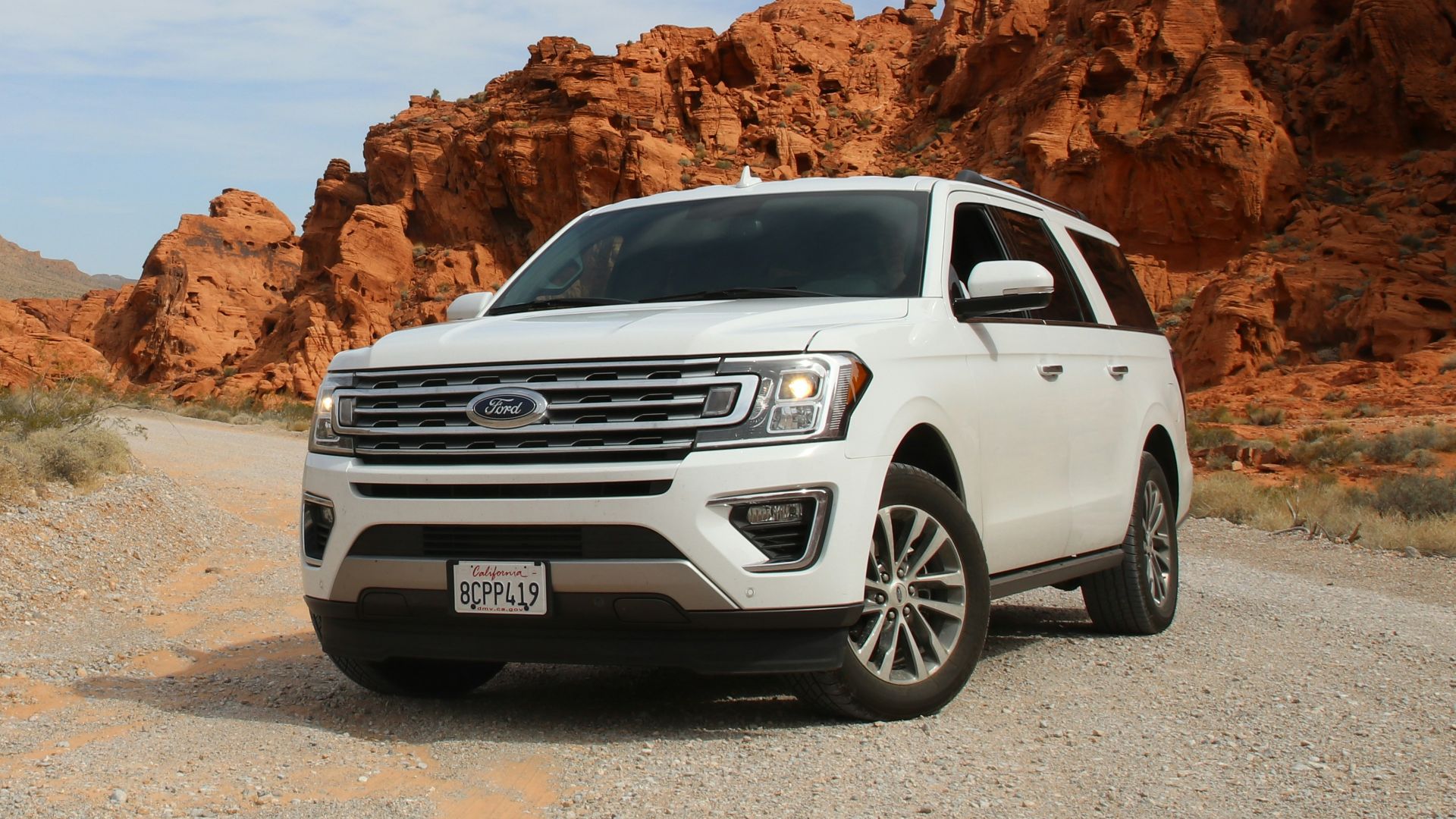
When you're standing on a car lot staring at rows of shiny SUVs and sedans, the technical jargon on the window stickers can start to feel like a different language. One of the most common dilemmas you'll face is deciding whether to spring for All-Wheel Drive (AWD) or stick with the standard Front-Wheel Drive (FWD) setup. It’s easy to get swept up in the marketing hype that suggests you need a rugged off-road machine just to pick up groceries, but the reality of your daily commute might tell a different story.
Choosing the right drivetrain isn't just about bragging rights; it's a decision that impacts your bank account, your safety in a storm, and how often you'll be visiting the gas station. You might think that more wheels spinning always equals a better experience, but there are plenty of trade-offs that come with that extra machinery under the chassis. Let’s take a light-hearted but practical look at how these two systems stack up so you can figure out if that extra badge on the trunk is actually worth your hard-earned cash.
The Mechanical Magic of Traction
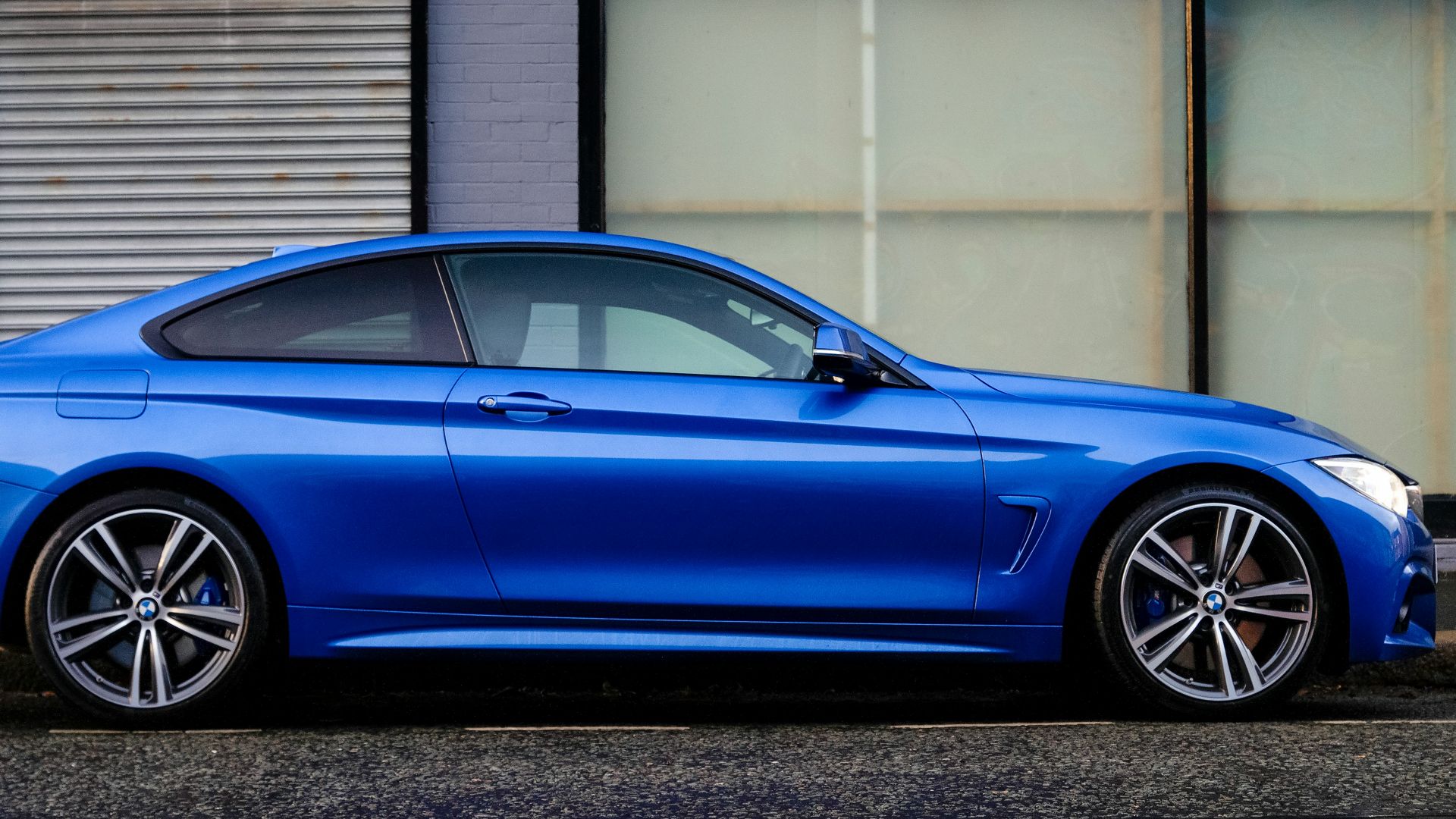
Front-Wheel Drive is the baseline for just about every production vehicle out there because it aligns the weight of your engine and transmission directly over your driving wheels. Therefore, it ends up offering more traction than you’d expect when leaving a stop on a wet street or navigating through light slush. Since those front wheels are responsible for steering and pulling, your vehicle will drive very neutrally and reassuringly planted for the average driver in normal driving conditions. With that being said, FWD is king of efficiency since it requires zero power to be transmitted across the entire vehicle through a long driveshaft.
Advancing to All-Wheel Drive gives your vehicle the capability to distribute power to all four corners of your car at once or only when needed. Modern AWD systems are incredibly “intelligent” and can sense a loss of traction in less than 0.2 seconds by routing power to wheels that have maintained their grip on the road. For whatever reason, this gives a lot of drivers a huge peace of mind knowing their car can self-correct while trying to get up a snowy driveway that’s more ice than snow or simply dealing with an unexpected spring snowstorm. It’s almost as if Mother Nature herself is pushing you along once the driving conditions shift from “nice” to “nasty.”
It’s important to note that AWD will not stop your vehicle any quicker should you need to slam on the brakes while driving on ice. Every car utilizes all four wheels to stop, regardless of whether it’s FWD, RWD, or AWD. Traction is great when accelerating, but nothing will save you from sliding to a halt if you’re moving too fast. Understanding that AWD is there for your “go” powers and not “whoa” is understanding how to become a well-rounded vehicle consumer.
Financial Impacts and Efficiency Trade-offs
One of the most immediate differences you'll notice between these two options is the price tag at the dealership. Selecting the AWD version of a popular crossover usually adds anywhere from $1,500 to $2,500 to the bottom line of the sales contract. If you live in a place where it only snows once every three years, that’s a pretty expensive insurance policy for a problem you rarely encounter. You could arguably spend that money on a high-quality set of winter tires for an FWD car and end up with better performance than an AWD car on "all-season" rubber.
The costs don't stop at the initial purchase because AWD vehicles are almost always heavier and have more moving parts that create mechanical friction. This extra weight means your engine has to work harder to move the car, which inevitably leads to a lower miles-per-gallon rating compared to the FWD equivalent. Over the course of five years of ownership, those extra trips to the pump can add up to a significant amount of money that stays in your pocket if you choose the simpler system. For the budget-conscious commuter, FWD often emerges as the clear winner in the long-term financial race.
Maintenance is another factor where the simplicity of Front-Wheel Drive shines through for the average owner. An AWD system requires additional fluids, seals, and differentials that will eventually need servicing as the miles pile up on the odometer. If a single tire gets a non-repairable puncture on an AWD car, you often have to replace all four tires at once to keep the diameters identical and protect the sensitive center differential. With an FWD setup, you can usually get away with just replacing a pair, which is a much smaller hit to your monthly maintenance budget.
Real World Capability and Lifestyle Needs
Whether or not AWD matters for you really comes down to where you live and how wild you like to ride on Saturdays. If you typically drive through snowbanks or four-wheel-drive across gravel roads to reach your favorite mountain lookout, it’s worth it. All-wheel drive gives you that little extra comfort of knowing that you’ll make it to your destination, rain or shine. If you live anywhere in what is often called the “Snow Belt,” AWD is considered by many as less of a luxury and more of a necessity – you simply pay that extra money and move on.
However, if 99 percent of your mileage is spent merging on the highway and driving in town where the weather is usually mild, you may never actually use the rear wheels that AWD has to offer. Electronic stability and traction control systems these days are so sophisticated that front-wheel drive cars can take on Mother Nature far better than they ever used to. You’ll be surprised at how competent a job a well-rounded front-driver will do when you get that once-in-a-while torrential downpour.
In the end, the choice between these two systems is about finding the right balance between "just in case" and "just enough." While All-Wheel Drive offers a technical edge in low-traction scenarios, Front-Wheel Drive remains the king of practicality, value, and efficiency for the majority of drivers. You should take a close look at your typical driving route and your local weather patterns before making the final call at the dealership. Whether you want the maximum grip of four wheels or the smart savings of two, knowing how they work will help you drive away with total confidence.