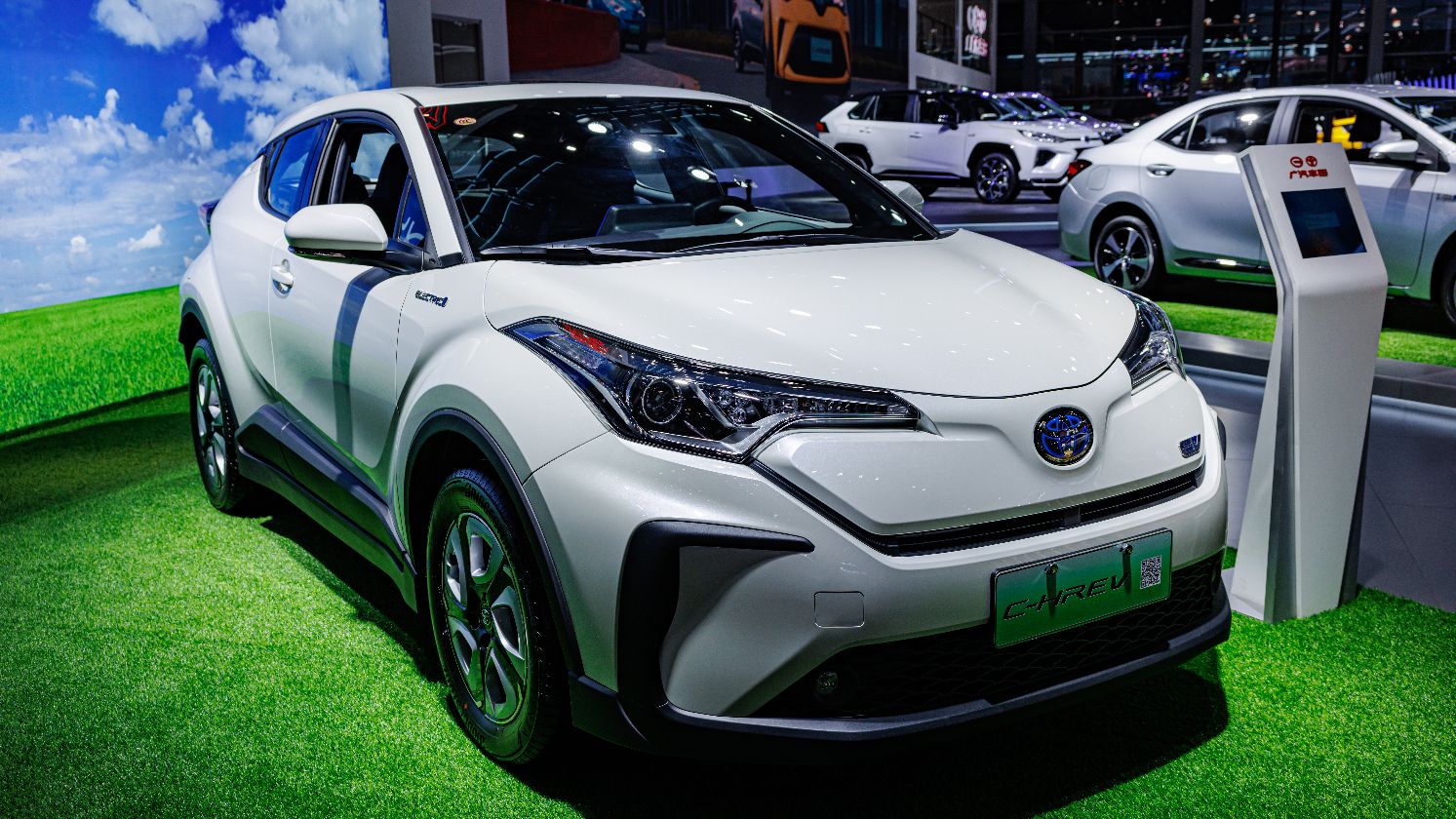
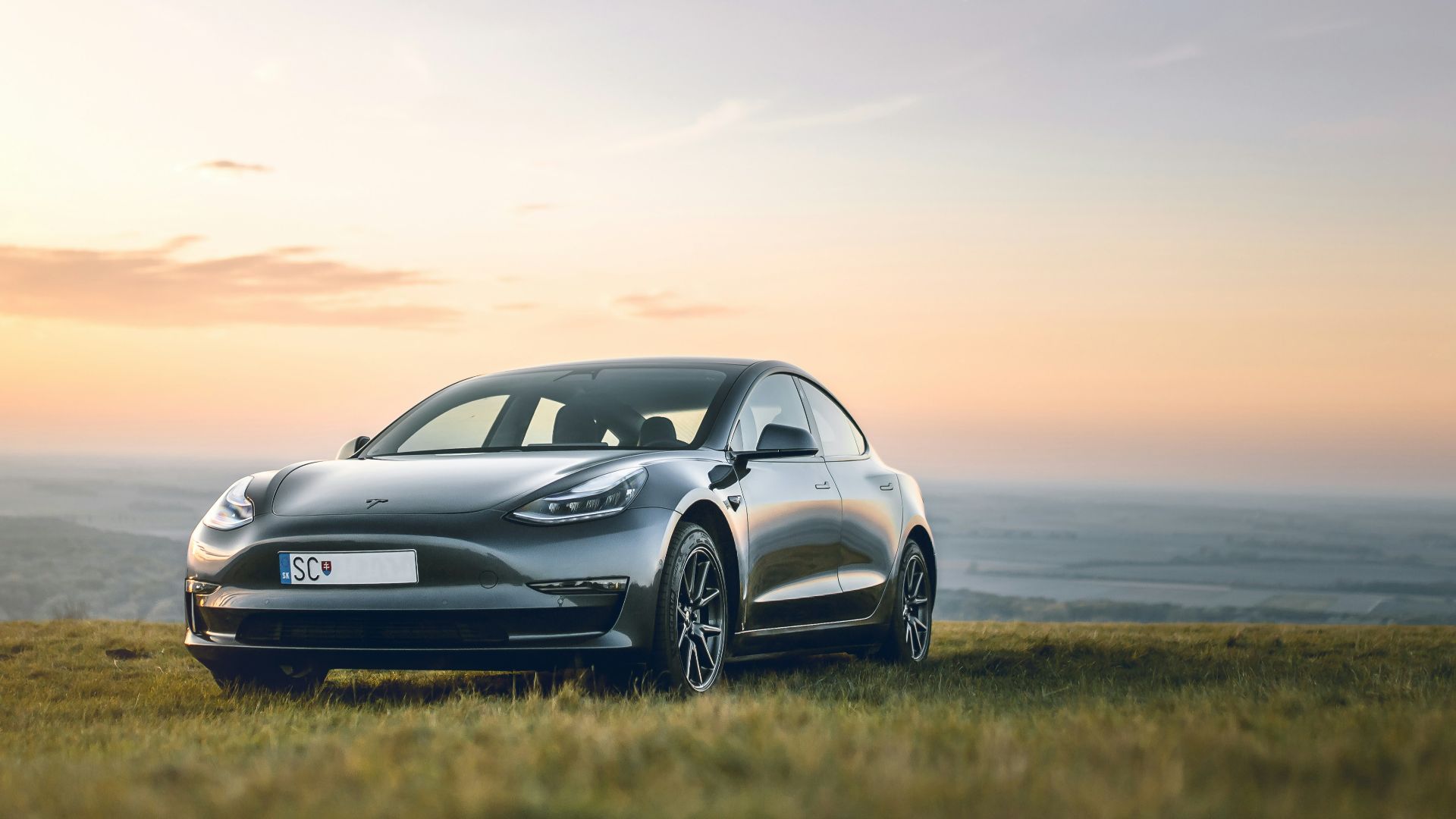
Electric vehicles have shifted from futuristic concept to everyday reality faster than most people realize.
The environmental conversation around them often focuses on potential or distant goals, but something more interesting is already unfolding. Real changes are happening on roads, in cities, and across energy systems today. The impact is measurable and growing steadily across the country. Let's dive in!
Cutting Pollution
The most immediate impact of electric vehicles shows up at street level. EVs produce no tailpipe emissions, which means no nitrogen oxides, carbon monoxide, or particulate matter are released into the air. That difference matters most in cities and suburbs where traffic sits close to daily life. Cleaner air near roads has been linked to lower rates of asthma attacks and respiratory irritation, especially among children and older adults. When a gas vehicle gets replaced by an EV, that local benefit begins immediately.
Noise pollution also drops. Electric motors run quietly at low speeds, which reduces constant background traffic noise in neighborhoods. Even brake dust decreases. EVs use regenerative braking to turn motion back into energy. Brakes last longer and also release fewer particles into the air.
Making Better Use Of Energy
Electric vehicles use energy far more efficiently than gas-powered cars. A gasoline engine wastes most of its fuel as heat, while an electric motor converts the majority of energy into motion. That efficiency means fewer resources burned to move the same distance.
As the power grid shifts toward cleaner sources, EVs automatically get cleaner too. Wind, solar, and hydro now supply a growing share of American electricity. Every new renewable project makes every electric vehicle on the road a little greener without changing the car itself.
Smart charging adds another layer. Many EV owners charge at night when electricity demand is lower, and power plants operate more efficiently. Utilities increasingly encourage off-peak charging to reduce strain on the grid and avoid firing up dirtier backup plants.
In some regions, EVs already help balance energy supply. Vehicle-to-grid programs allow parked cars to send stored power back during peak demand. That stored energy can prevent fossil fuel plants from ramping up during heat waves or emergencies.
A Bigger Shift
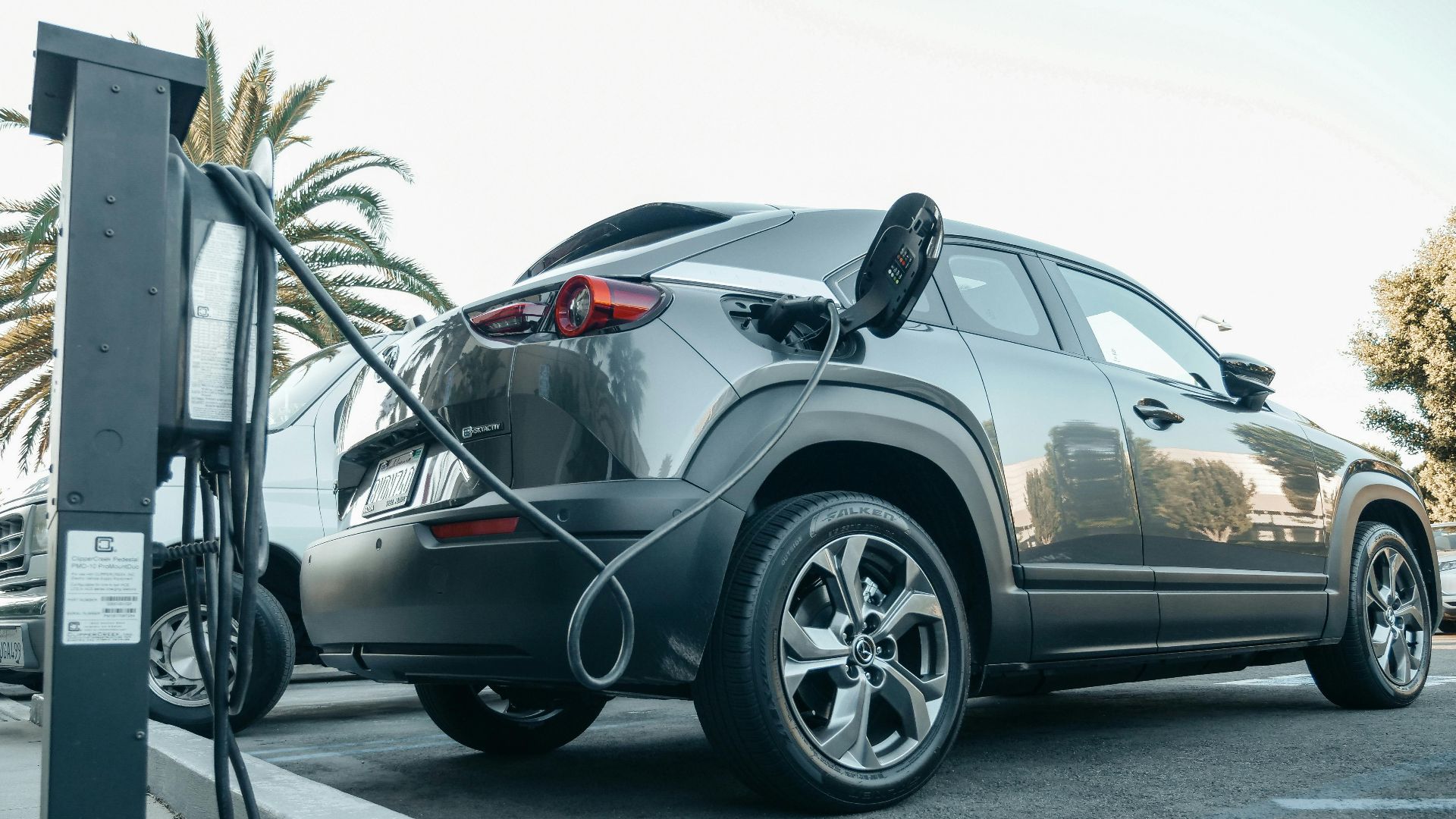
Perhaps the most overlooked benefit of EVs is how they change behavior and infrastructure. Investments in charging networks often pair with upgrades to public transit and cleaner energy systems. EV adoption pushes broader conversations about how transportation fits into environmental planning. None of these changes relies on a future promise. They are already unfolding across the country.
Electric cars aren’t a cure‑all for transportation’s environmental challenges. Still, they deliver tangible progress, with their impact expanding as charging networks, energy grids, and supporting systems continue to evolve around them. The story of EVs is about what is happening now. So, take a closer look at the roads around you and see how much of that future has already arrived.