
When Manufacturers Get It Catastrophically Wrong
Car recalls happen constantly, ranging from minor inconveniences like faulty cup holders to catastrophic failures that kill people. Some recalls reveal such stunning negligence or engineering incompetence that you wonder how anyone approved the design in the first place, while others catch problems before they escalate and save countless lives. Here are ten disastrous recalls and ten heroic ones that saved lives.
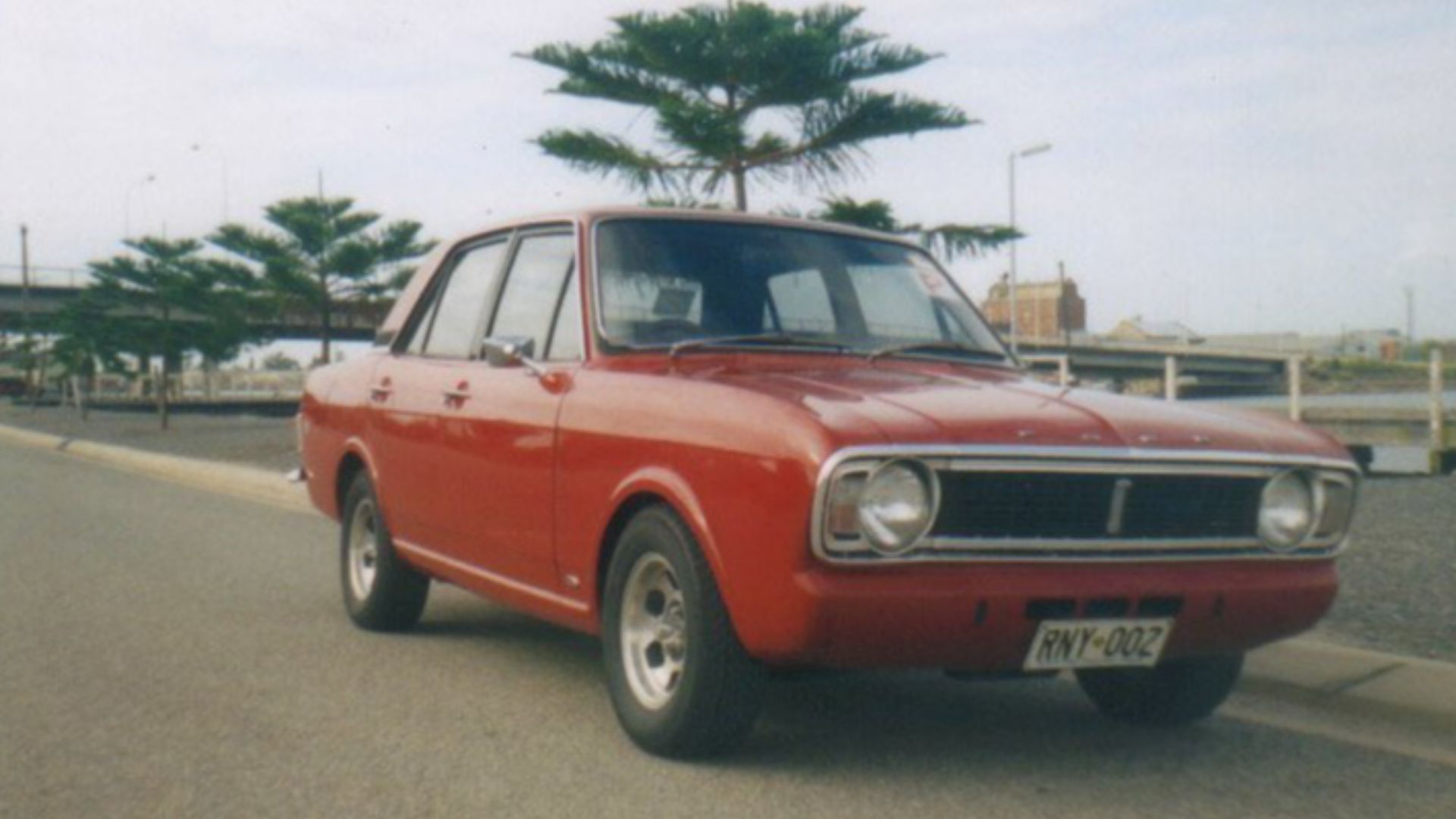
1. Ford Pinto Fuel Tank (1970s)
Rear-end collisions caused the fuel tank to rupture and burst into flames, killing and severely burning dozens of people. Internal Ford documents revealed the company knew about the problem and calculated that paying death and injury settlements would cost less than fixing the design. The recall eventually covered 1.5 million vehicles.
2. GM Ignition Switch (2000s–2010s)
A defective ignition switch could slip from "run" to "accessory" while driving, shutting off the engine, power steering, and airbags. GM knew about the problem for over a decade before issuing recalls starting in 2014. At least 124 deaths were linked to the defect.
3. Takata Airbags (2013–Present)
The largest automotive recall in history, affecting over 100 million vehicles worldwide. The airbag inflators could explode with too much force, sending metal shrapnel into the cabin. At least 27 people died in the U.S., with hundreds more injured.
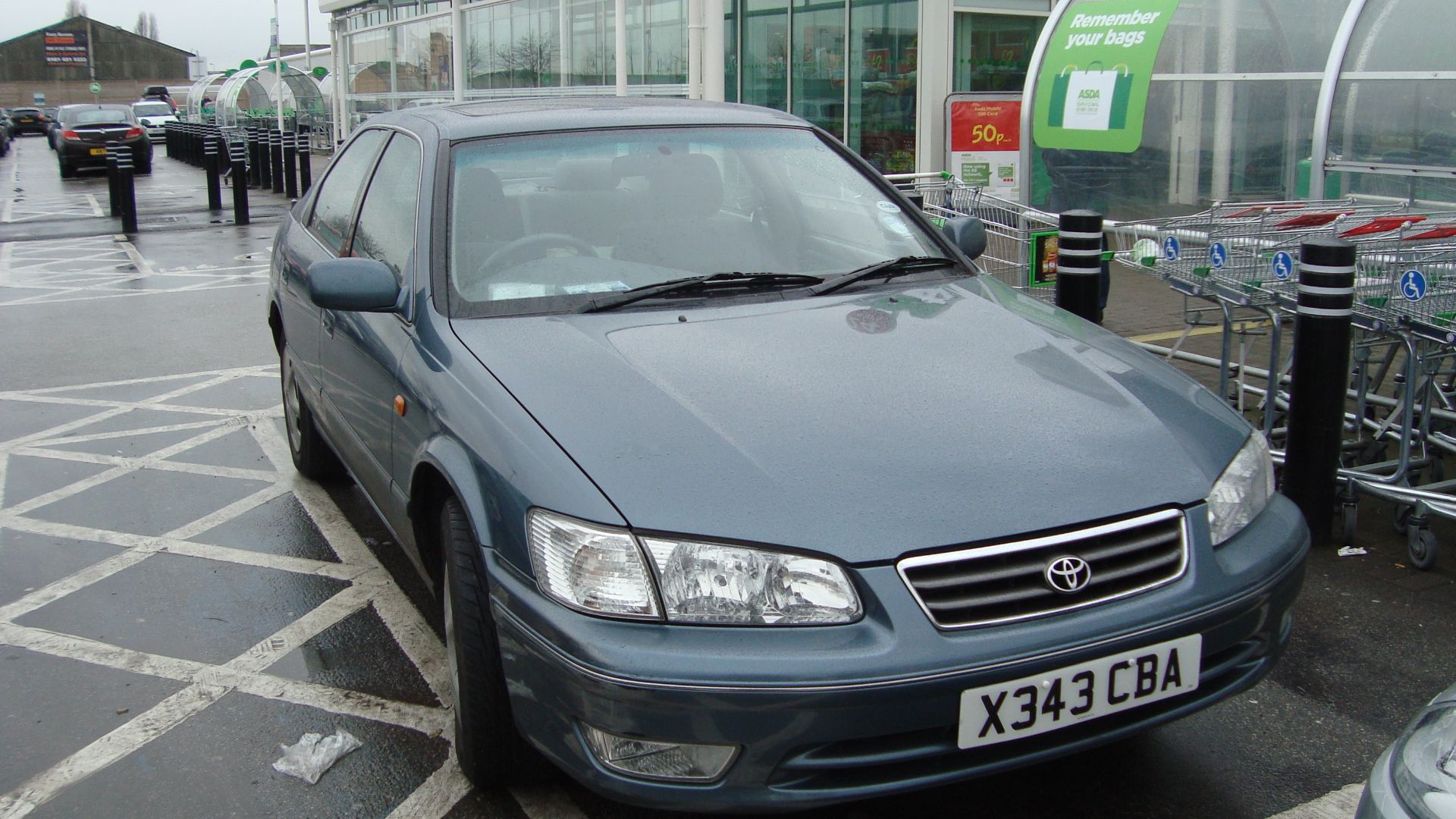
4. Toyota Unintended Acceleration (2009–2011)
Sticky accelerator pedals and floor mats that trapped the accelerator caused vehicles to speed up uncontrollably. Toyota recalled over 9 million vehicles worldwide. The company paid $1.2 billion to resolve a criminal investigation into how it handled the defect, admitting it misled consumers and regulators.
 Kieran White from Manchester, England on Wikimedia
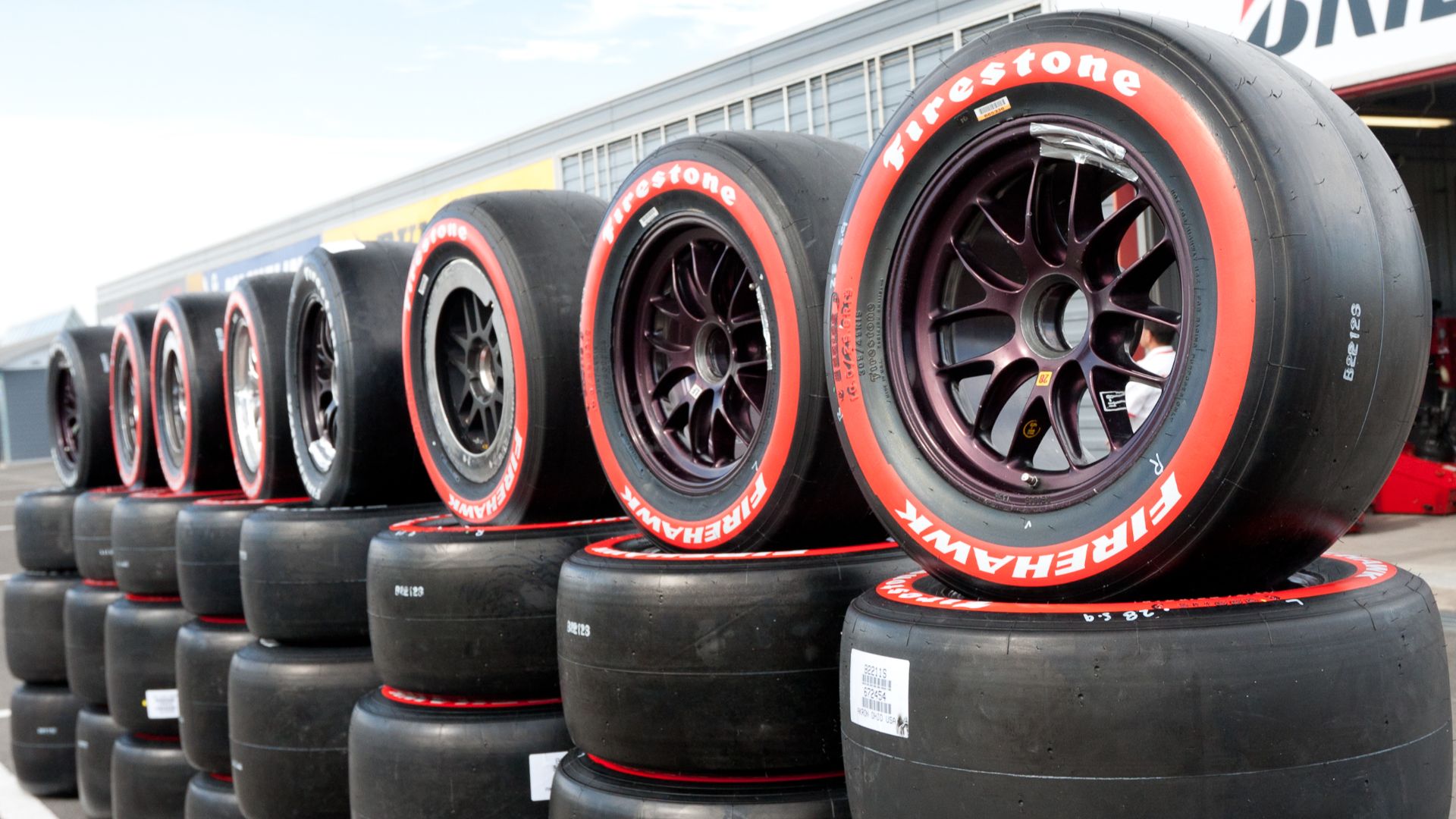
5. Firestone Tire Separations (2000)
Tread separation on Firestone tires caused rollovers that killed at least 271 people. The tires were more likely to fail in hot weather, especially in southern states. Firestone recalled 6.5 million tires as a result.
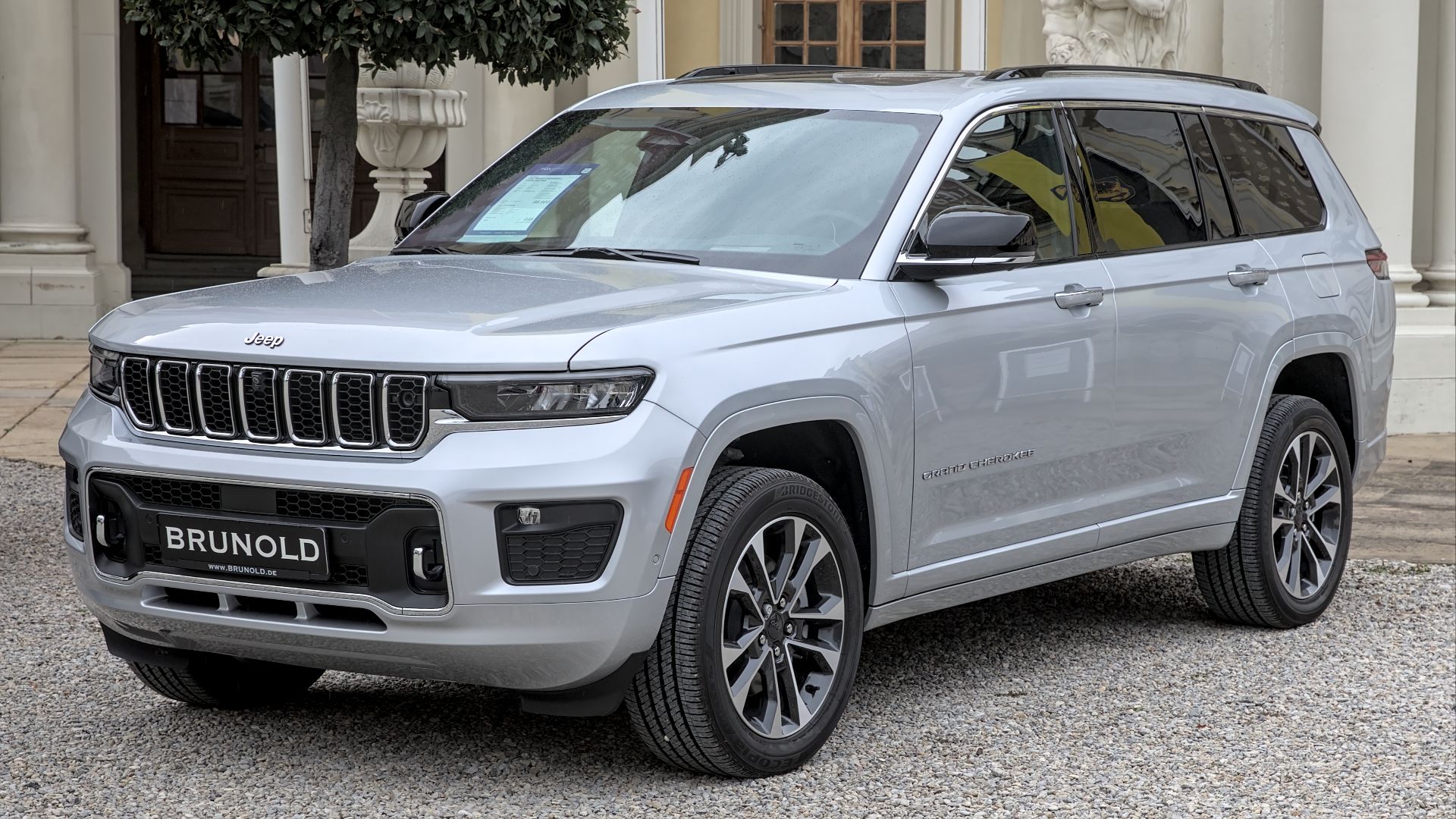
6. Jeep Fuel Tank Fires (2013)
Rear-mounted fuel tanks on older Jeep Grand Cherokees and Libertys were prone to rupturing in rear-end collisions, causing fires. At least 75 deaths were linked to the problem. After pressure from NHTSA, the company agreed to a limited recall offering trailer hitch installations rather than fixing the fundamental design flaw.
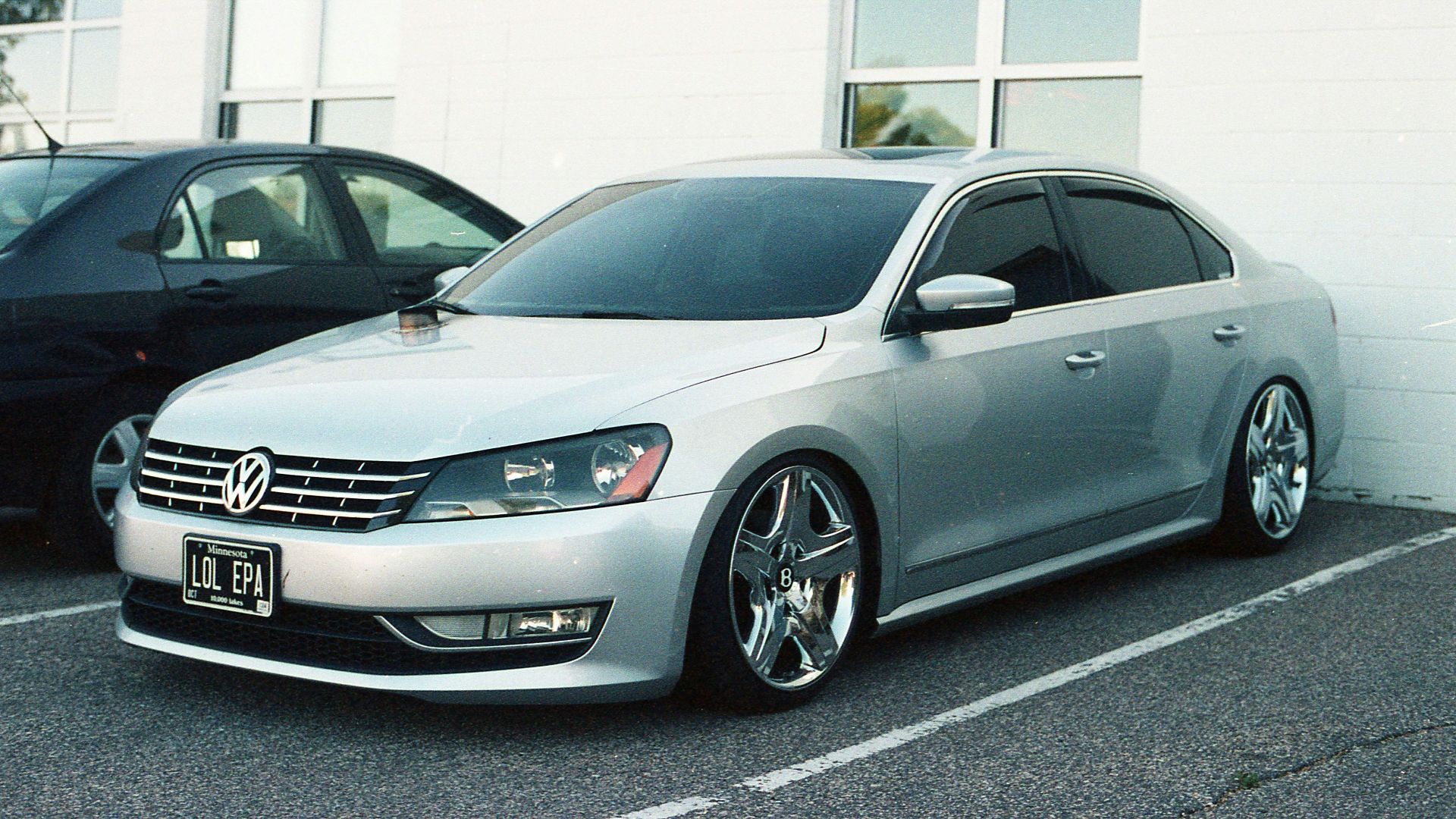
7. Volkswagen Dieselgate Emissions (2015)
VW installed software to cheat emissions tests, making diesel vehicle exhaust appear cleaner. The cars spewed up to 40 times the legal limit of nitrogen oxides during normal driving. The scandal affected 11 million vehicles worldwide.
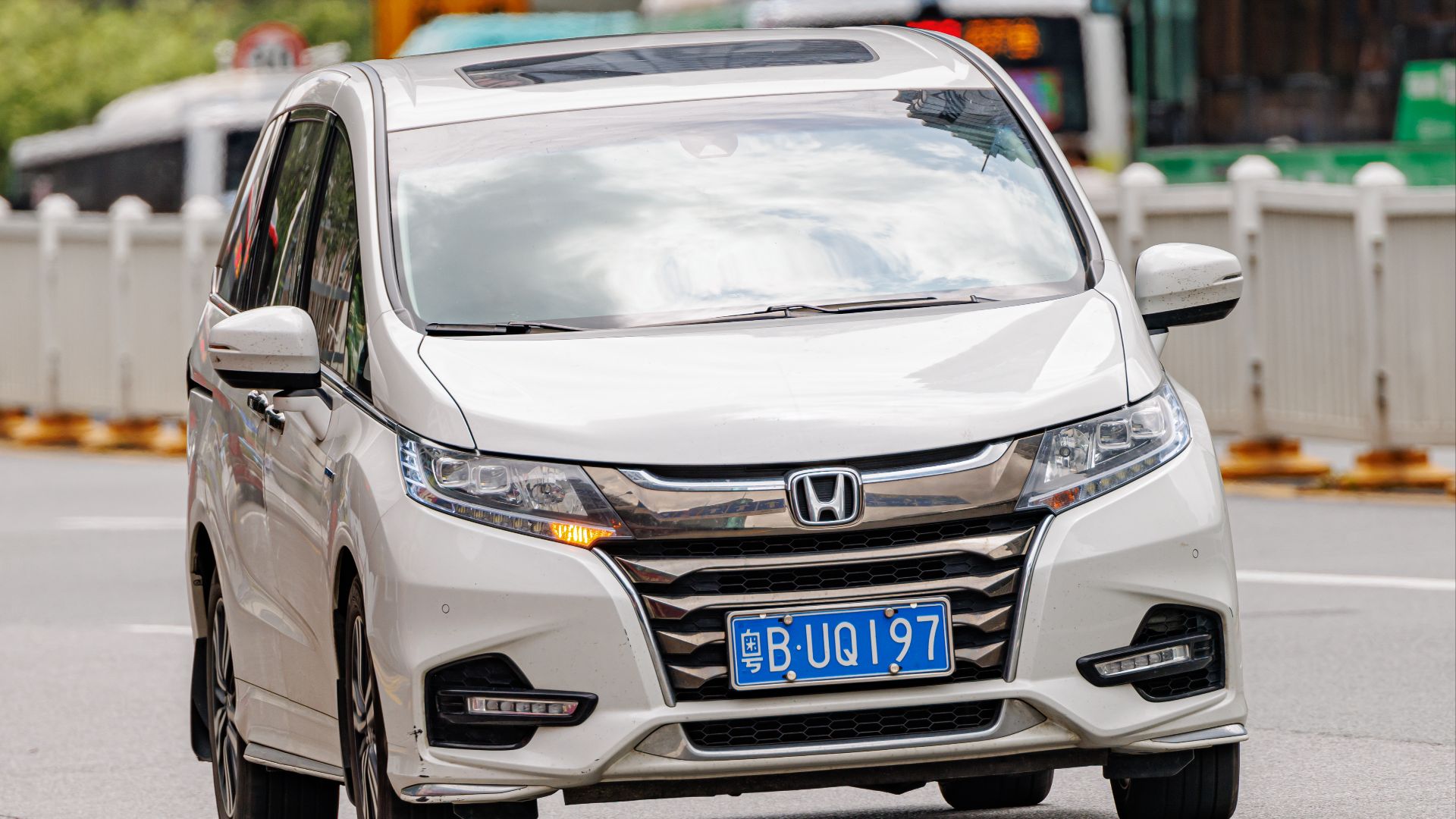
8. Honda Odyssey Sliding Door (1999)
The power sliding doors could open while driving or close on passengers, causing injuries. Honda recalled 1 million minivans after reports of children being injured or nearly falling out of moving vehicles. The latching mechanism failed to engage properly, and the door sensors didn't always detect obstructions.
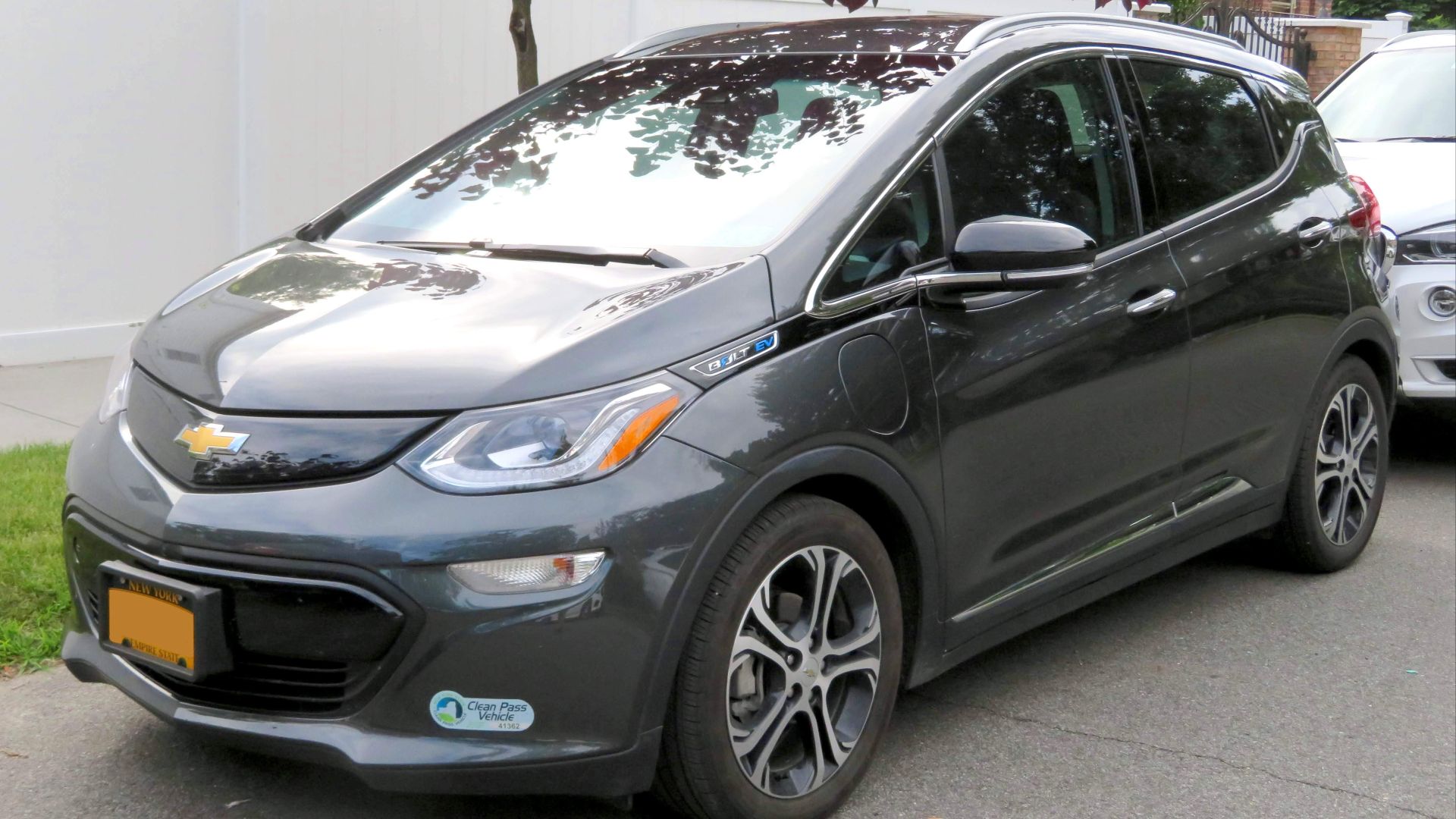
9. Chevrolet Bolt Battery Fires (2020–2021)
LG-manufactured batteries could catch fire while parked or charging, prompting GM to recall all Bolt EVs and EUVs produced since 2016, totaling about 142,000 vehicles. The company eventually replaced all battery modules at an estimated cost of $1.8 billion.
10. Tesla Autopilot (Ongoing)
Tesla has issued multiple recalls for Autopilot and Full Self-Driving software issues, though many happen via over-the-air updates rather than dealer visits. The system has been involved in numerous crashes, some fatal, when drivers over-relied on automation that wasn't actually autonomous.
And now, here were ten pre-emptive recalls that saved lives.
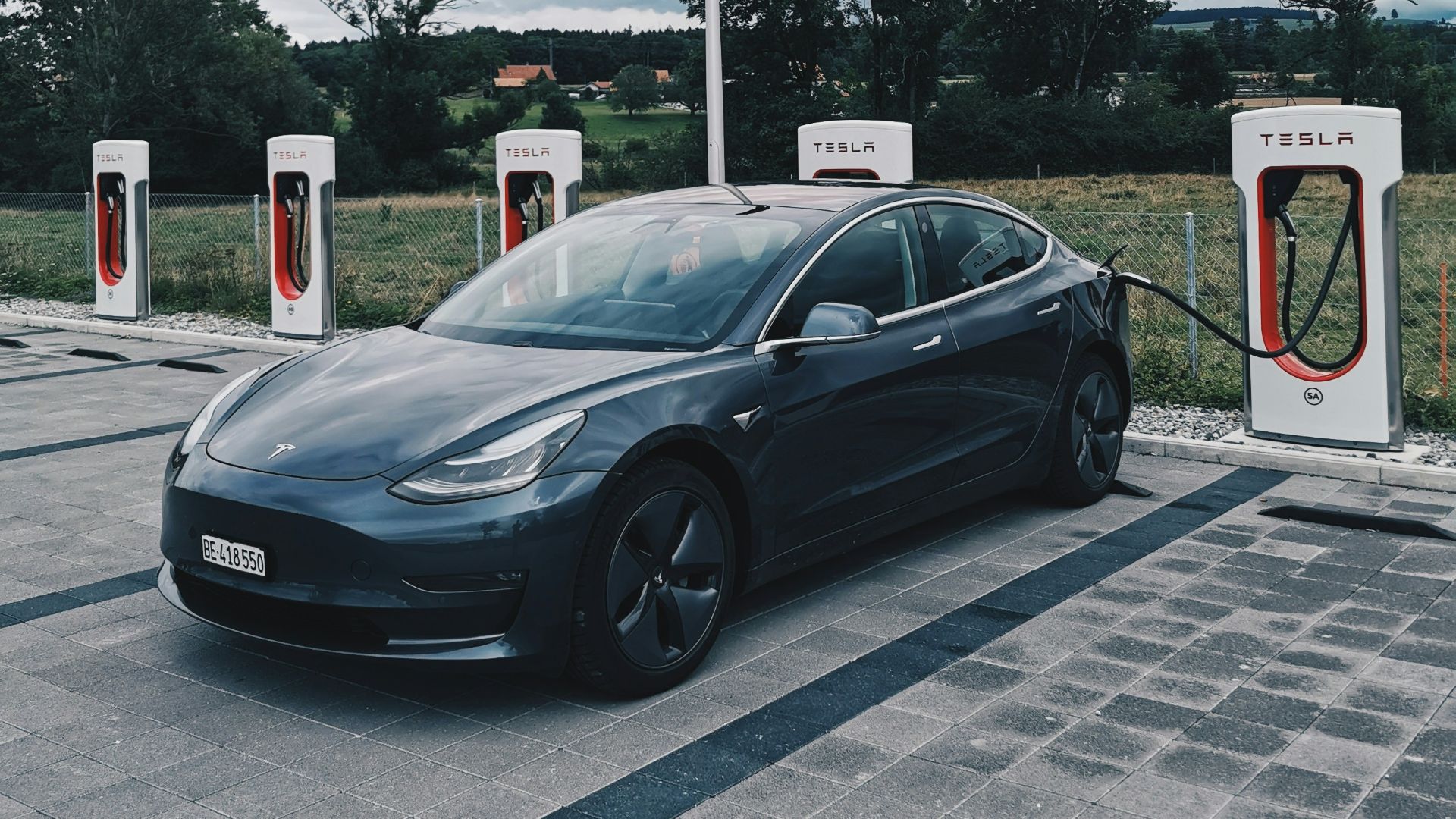
1. Ford Crown Victoria Fuel Tank (2005)
Police departments had reported fires after rear-end collisions in Crown Victoria cruisers for years. Ford finally recalled 400,000 vehicles and offered to install fuel tank shields. While the recall came late, it prevented additional officer deaths.
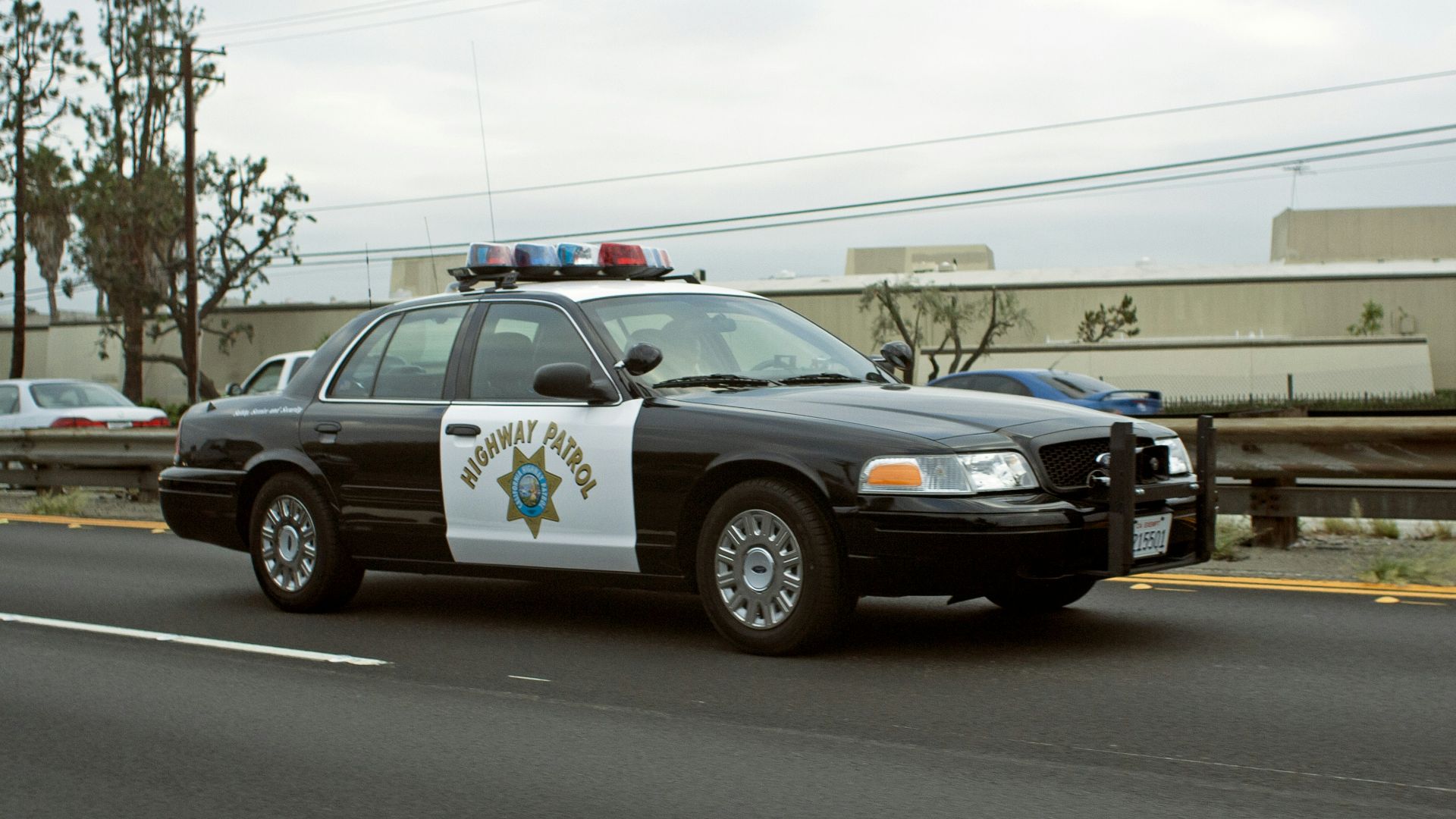
2. Tesla Battery Management Software (Multiple)
Say what you want about Tesla's other problems, but they've issued quick over-the-air updates when battery fires occurred. After several high-profile fires, Tesla modified battery management software to be more conservative during charging and added features to monitor battery health.
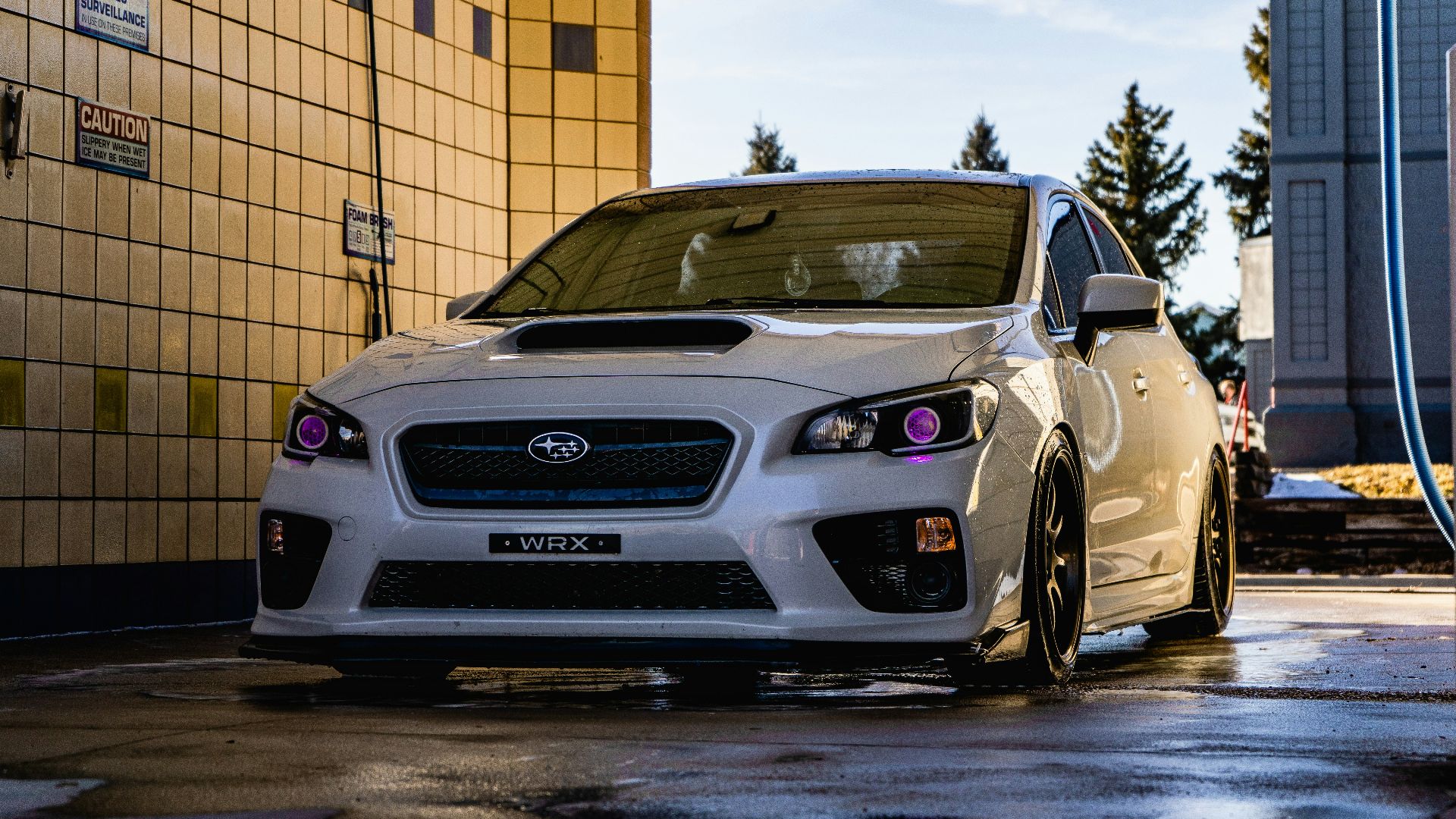
3. Subaru Brake Line Corrosion (2016)
Subaru recalled 660,000 vehicles for brake lines that could corrode and leak fluid, particularly in salt-belt states. The recall came after monitoring corrosion patterns and acting before major accidents occurred. Subaru's proactive approach meant most owners got the fix before experiencing brake failure.
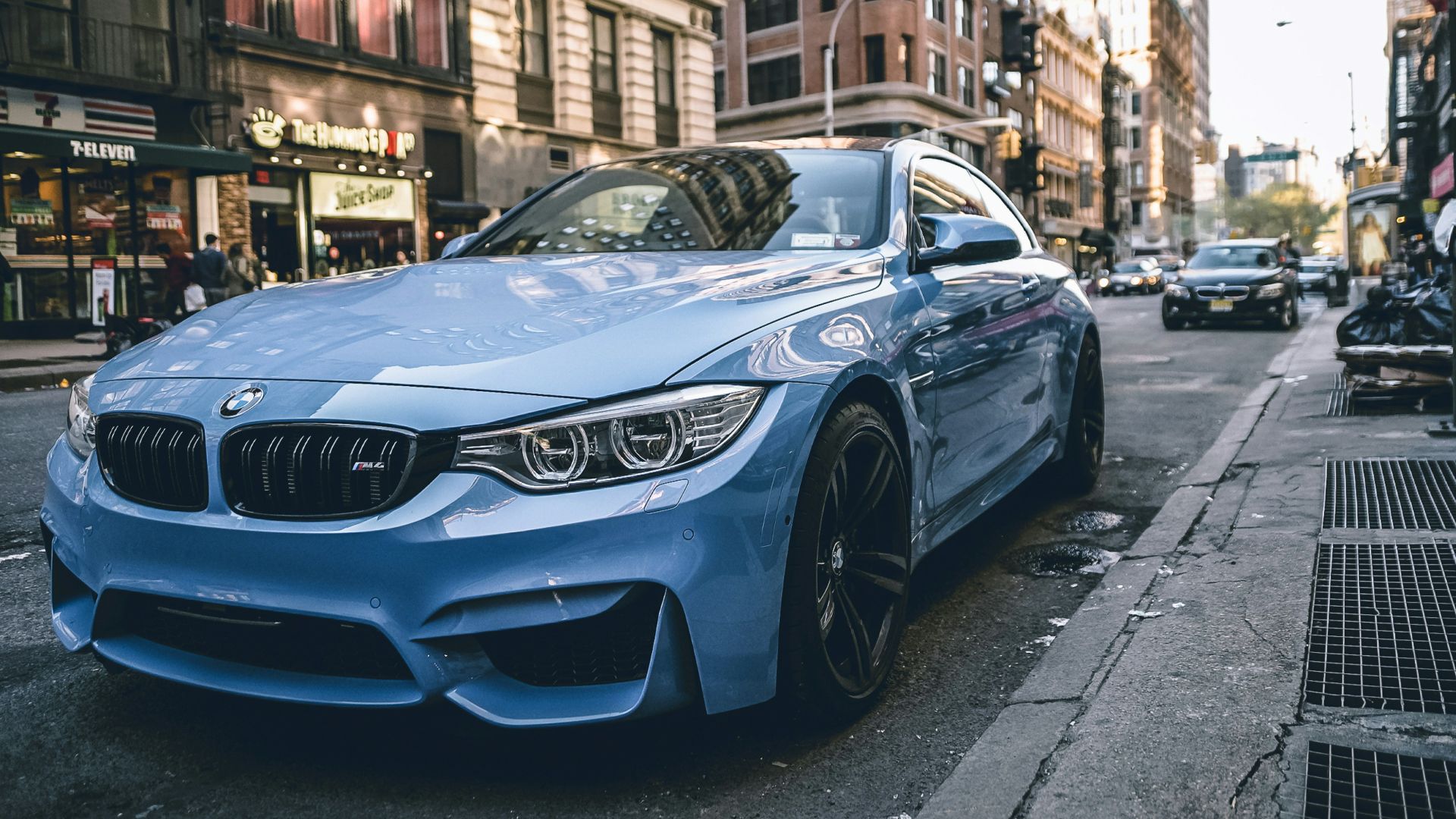
4. BMW Airbag Software (2019)
BMW recalled 1 million vehicles for airbag software that might prevent deployment in certain crashes. The company discovered the problem through internal testing rather than waiting for crash data. No injuries had been reported when the recall was announced, which is exactly how recalls should work.
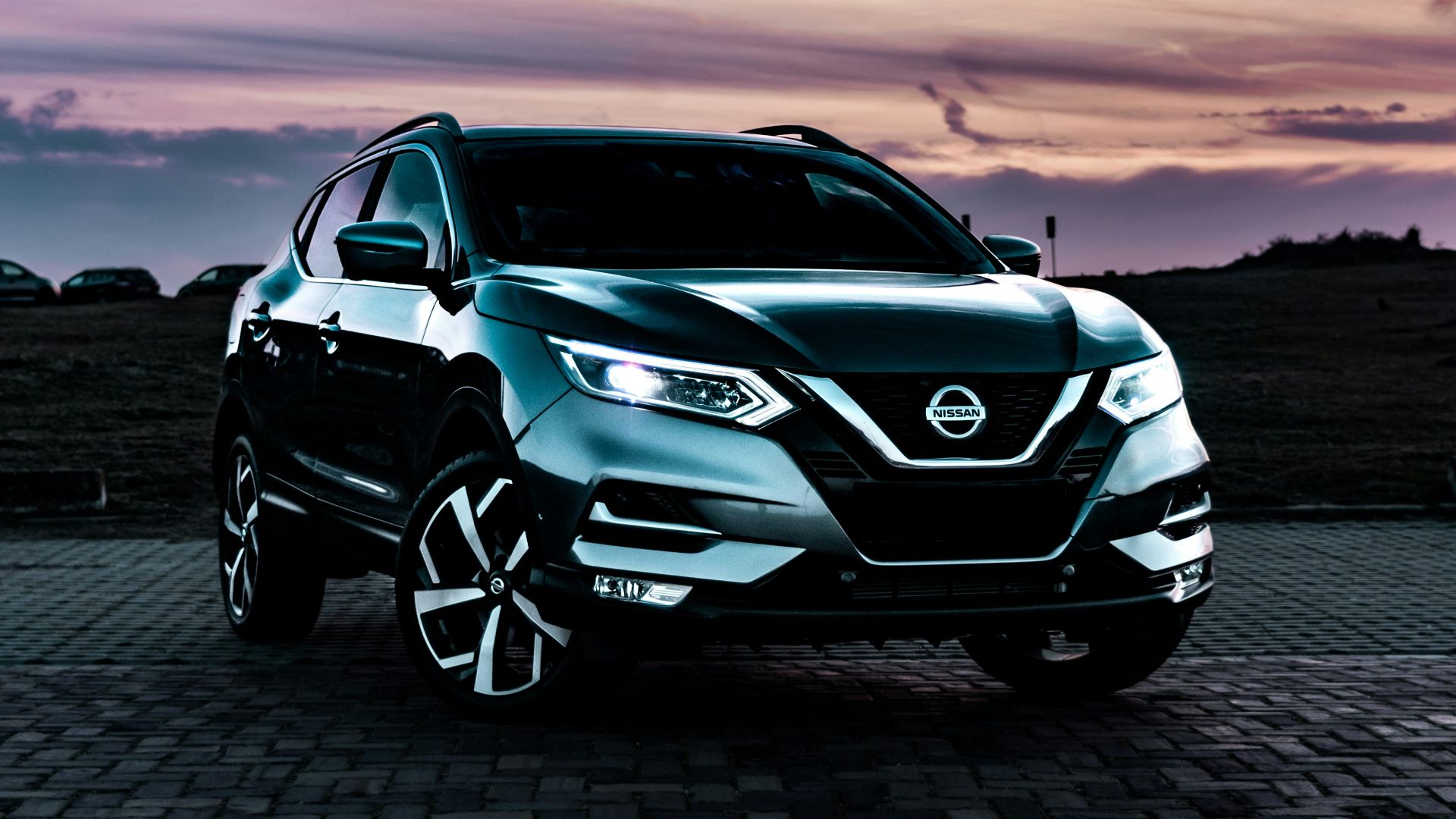
5. Nissan Hood Latch (2014–2016)
Hoods could fly open while driving due to faulty secondary latches, blocking the driver's view. Nissan recalled 3.5 million vehicles after several reports of hoods opening on highways. While some incidents had occurred, the recall happened before anyone died.
6. Mercedes-Benz Brake Booster (2021)
Mercedes-Benz recalled over a million vehicles globally for brake boosters that could corrode and fail. The company acted on internal data showing potential problems before widespread failures occurred.

7. Mazda Spider Infestation (2011, 2014)
Yellow sac spiders could build webs in fuel vapor lines, causing pressure buildup and potential cracks. Mazda recalled vehicles twice as the problem recurred. While somewhat absurd, the recall prevented fuel leaks that could lead to fires.
 Raf24~commonswiki on Wikimedia
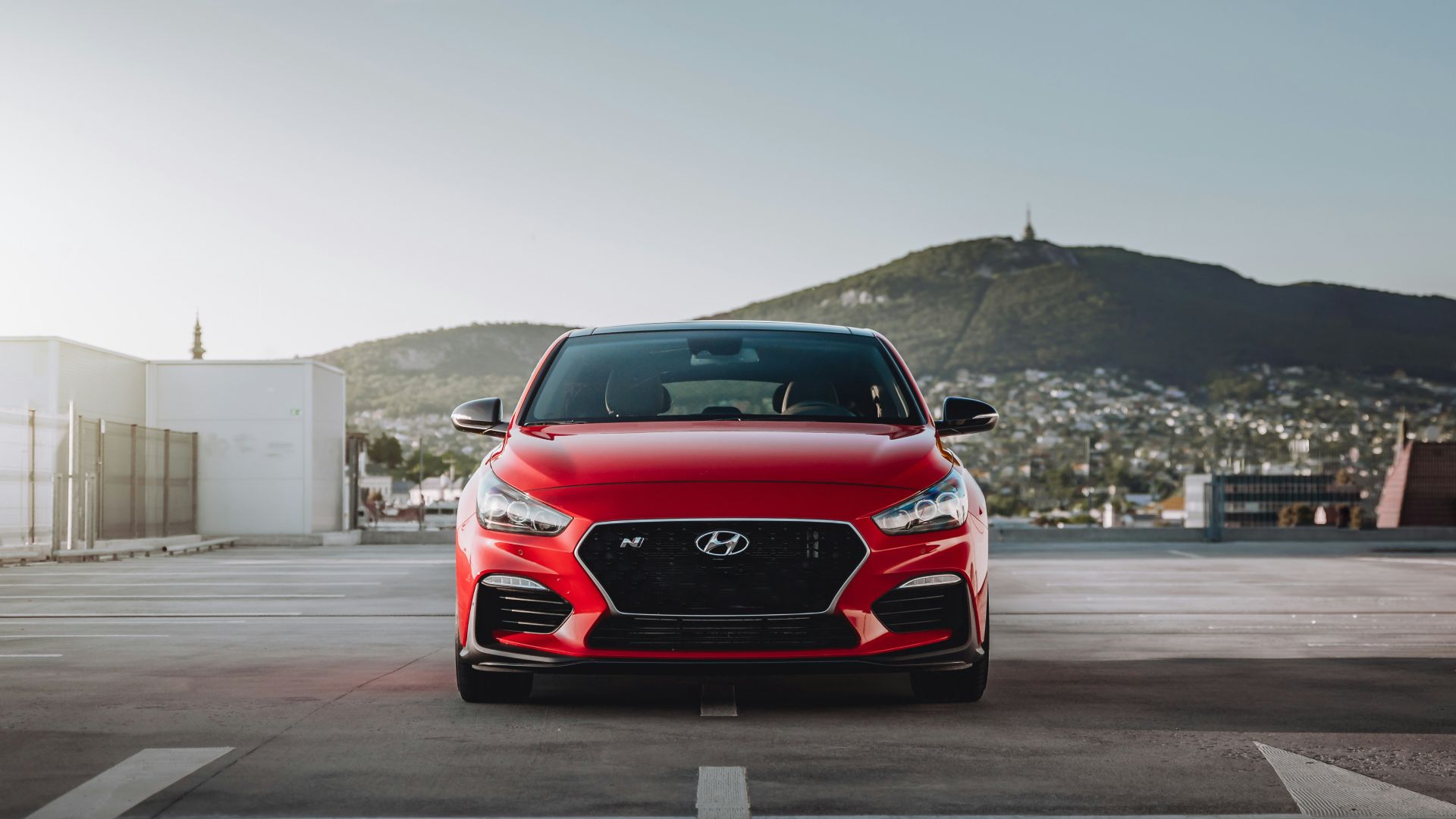
8. Hyundai/Kia Engine Fire Risk (2020–2021)
Multiple recalls addressed engine problems that could cause fires, affecting millions of vehicles. The companies added engine software to detect potential failures before fires started, implementing a detection system that could alert drivers to problems.
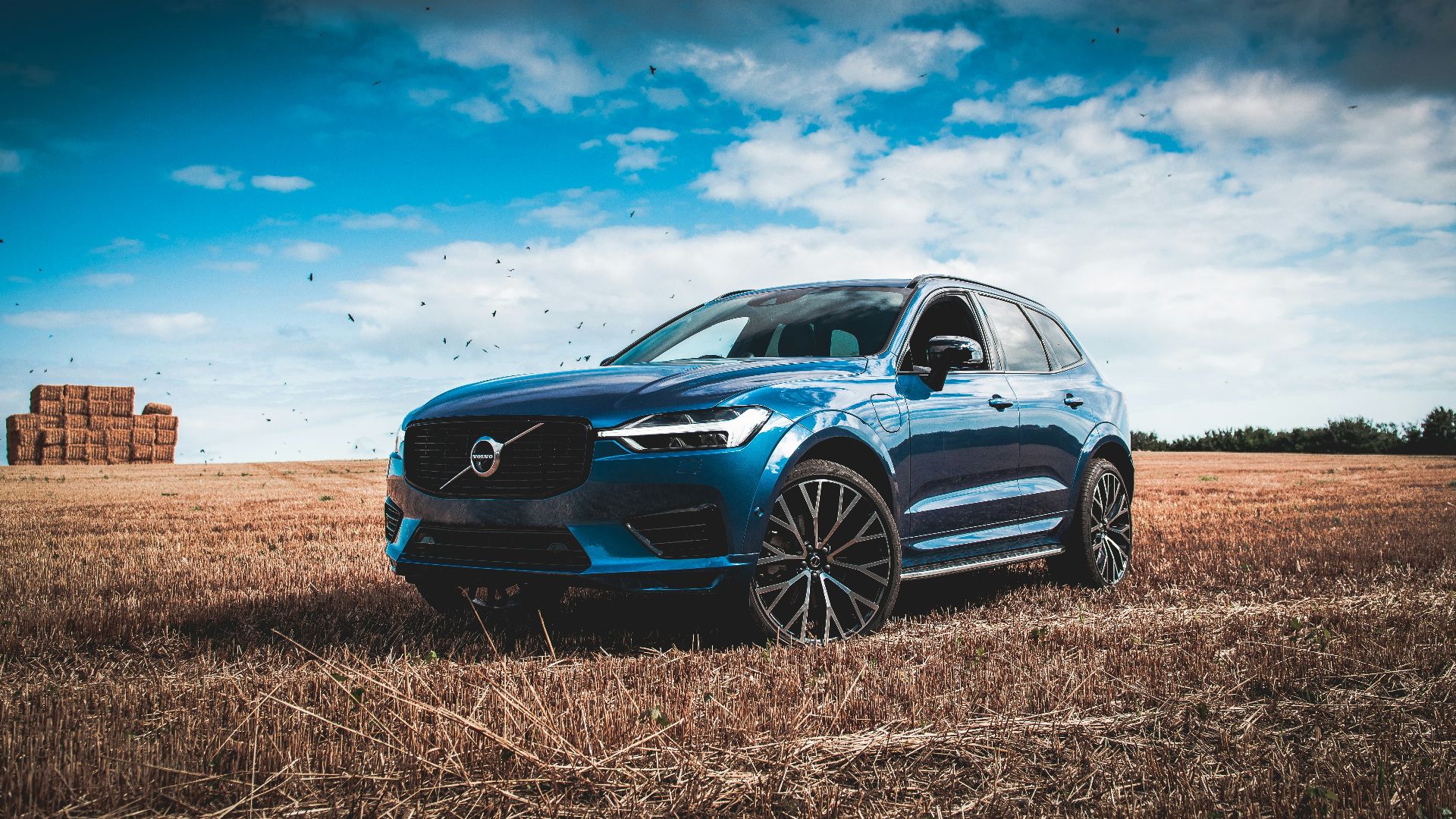
9. Volvo Automatic Emergency Braking (2020)
Volvo recalled 736,000 vehicles for automatic emergency braking systems that might not activate properly. The company found the problem during internal testing and issued the recall before any crashes resulted from the malfunction.
10. Honda Takata Airbag Early Action (2008)
Honda was the first manufacturer to recall vehicles with defective Takata airbags, acting years before the full scope of the problem became clear. While Honda couldn't completely avoid the disaster, since it used Takata airbags in millions of vehicles, its early action prevented some deaths and injuries.