One Bad Call, A Whole Reputation Gone
Automakers pour years and millions of dollars into a new model, and then somehow one choice manages to undo most of it. Sometimes it is a grille that nobody asked for, sometimes it is a trunk shape that becomes the punchline before the car even hits dealer lots. The engineering underneath is often solid, occasionally even great, but the public rarely gets past the one detail that feels off. Car people still argue about a lot of these decades later, usually starting with the same question: what were they thinking? Here's 20 cars that had real potential until one decision got in the way.
 Susanne Jutzeler, suju-foto on Pexels
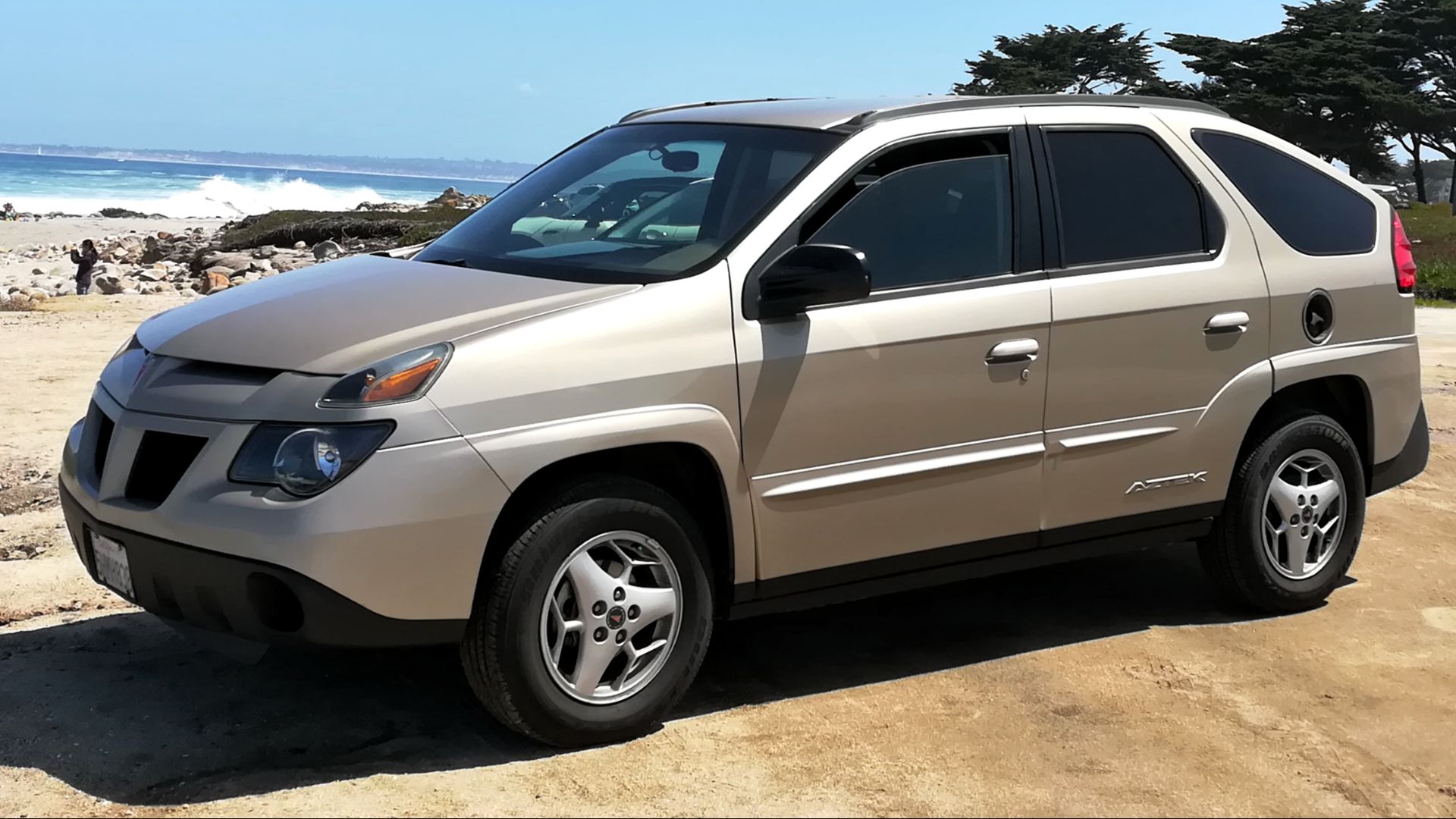
1. Pontiac Aztek
Underneath the styling, the Aztek was a genuinely useful crossover with clever storage and a tent attachment nobody expected from GM. None of that mattered once people saw the face, with its stacked lights and heavy plastic cladding that looked unfinished rather than rugged. It became a punchline almost overnight and never fully escaped that reputation.
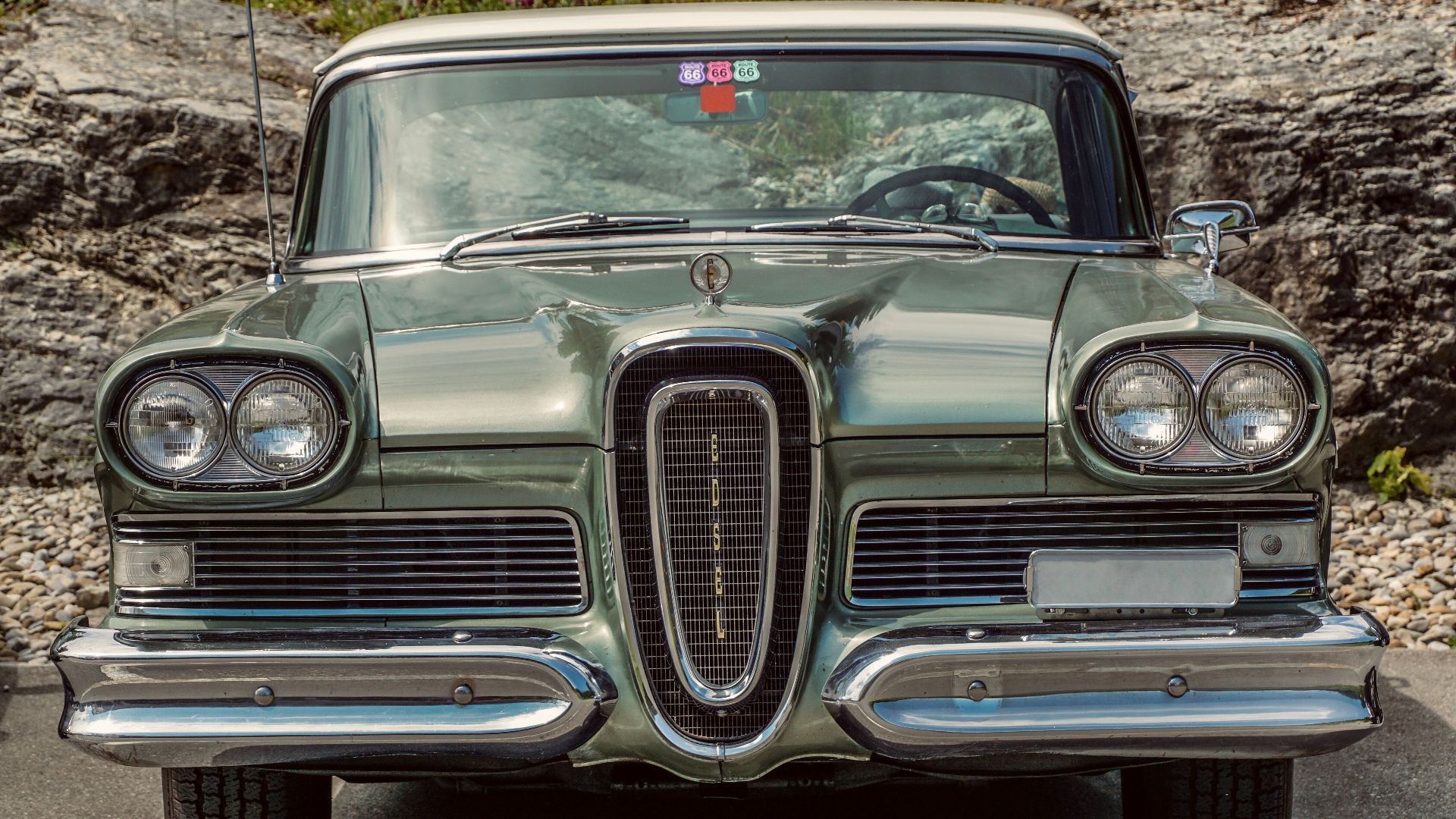
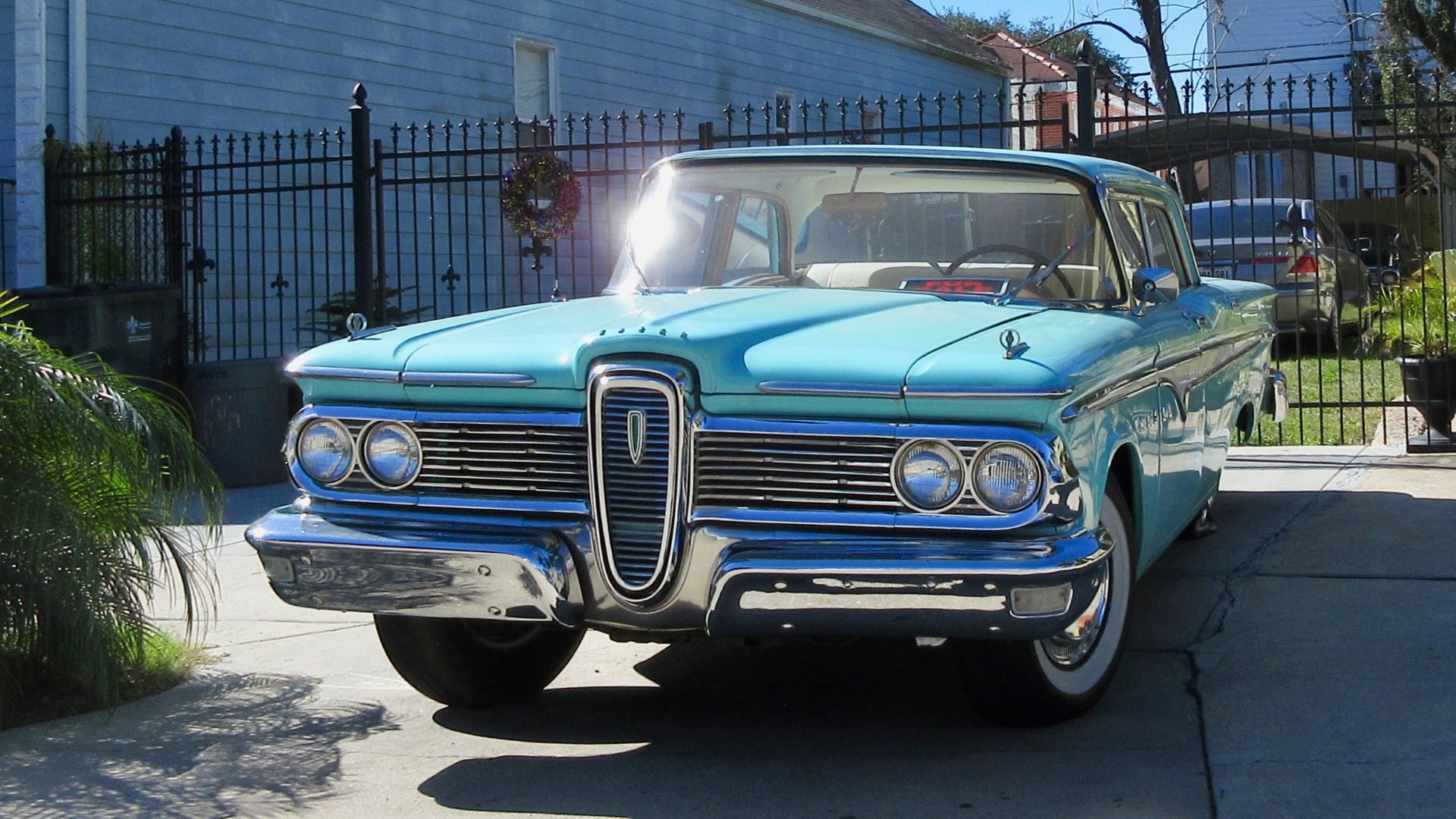
2. Ford Edsel
The Edsel arrived with a vertical grille that critics quickly nicknamed a horse collar, and buyers were not shy about their opinion of it either. Ford had bet heavily on the car carving out a new market segment, and the styling alone soured public perception before word of mouth even had a chance to help. The name Edsel is still shorthand for a flop decades later.
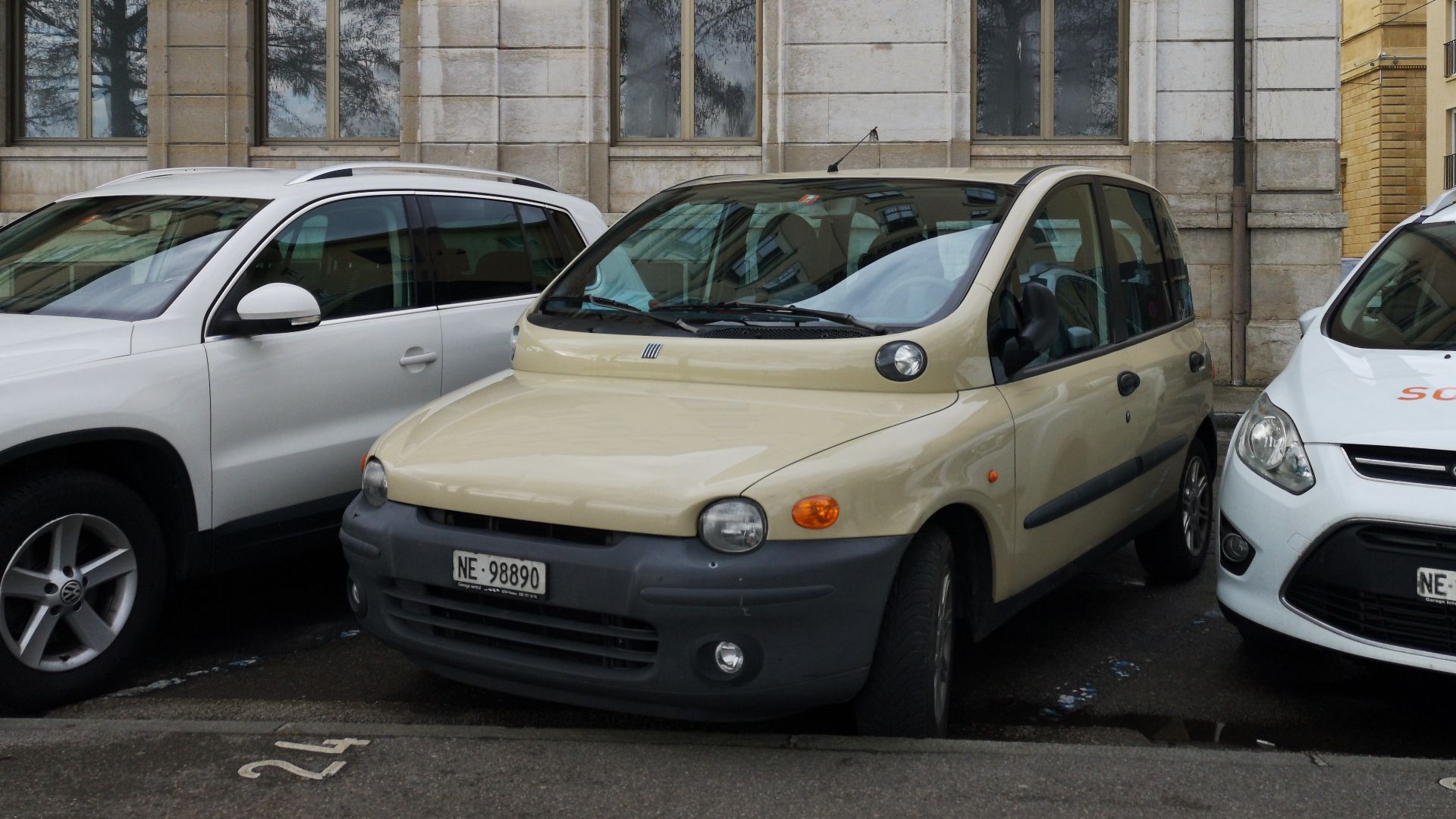
3. Fiat Multipla
Fiat's original Multipla had a genuinely smart interior layout with three seats up front, but the double bubble face split opinion hard from the moment it launched. Some design fans have come around on it since, calling it ahead of its time, but most buyers at launch just found it strange. It sold in far smaller numbers than Fiat had hoped.
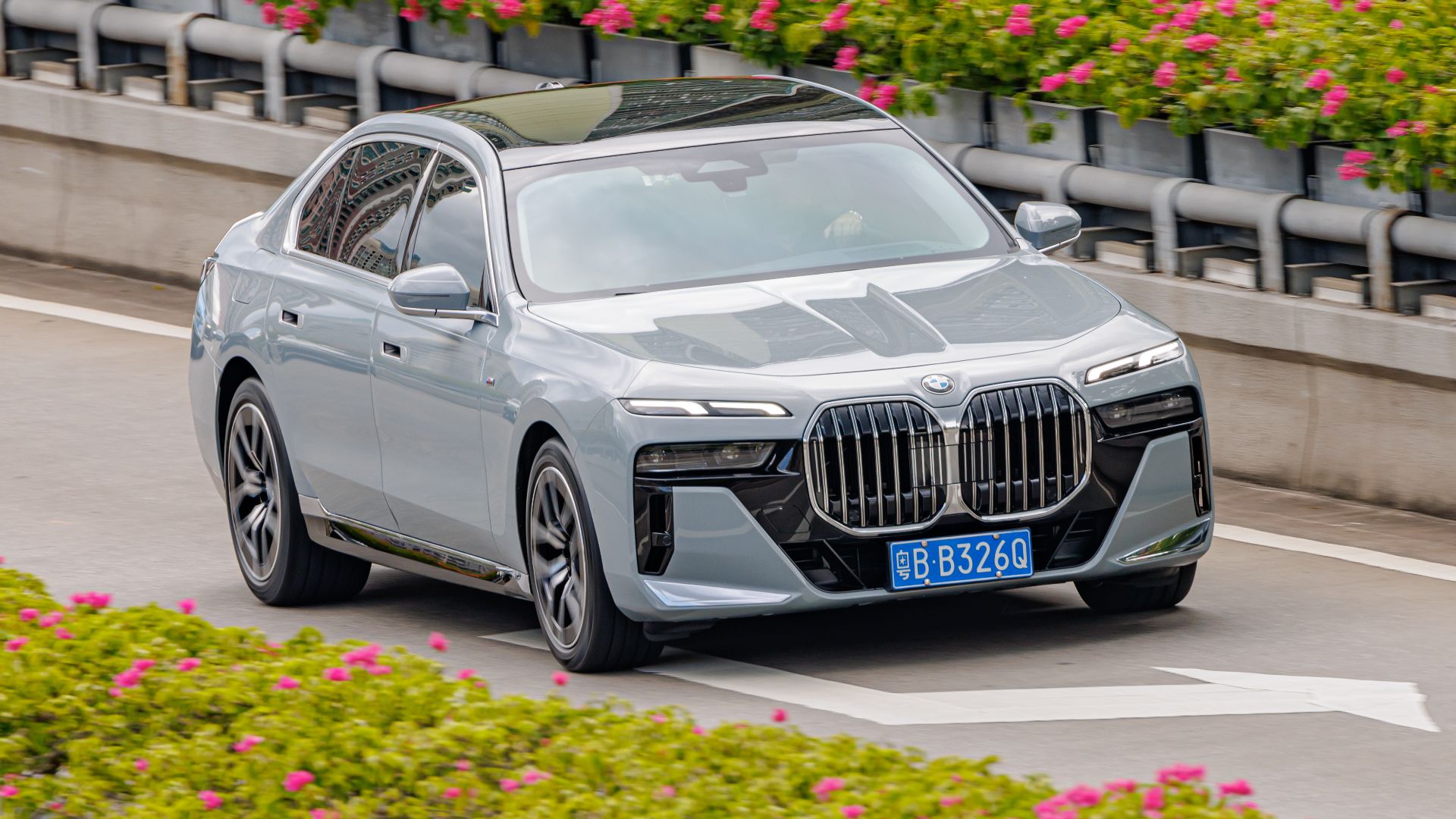
4. BMW 7 Series (E65)
Chris Bangle's redesign brought a trunk lid that jutted out awkwardly from the rest of the body, a look enthusiasts nicknamed the Bangle butt almost immediately. The rest of the car was thoroughly modern and packed with new technology, yet that one panel dominated every conversation about it. BMW eventually smoothed the design out in later updates, which said plenty on its own.
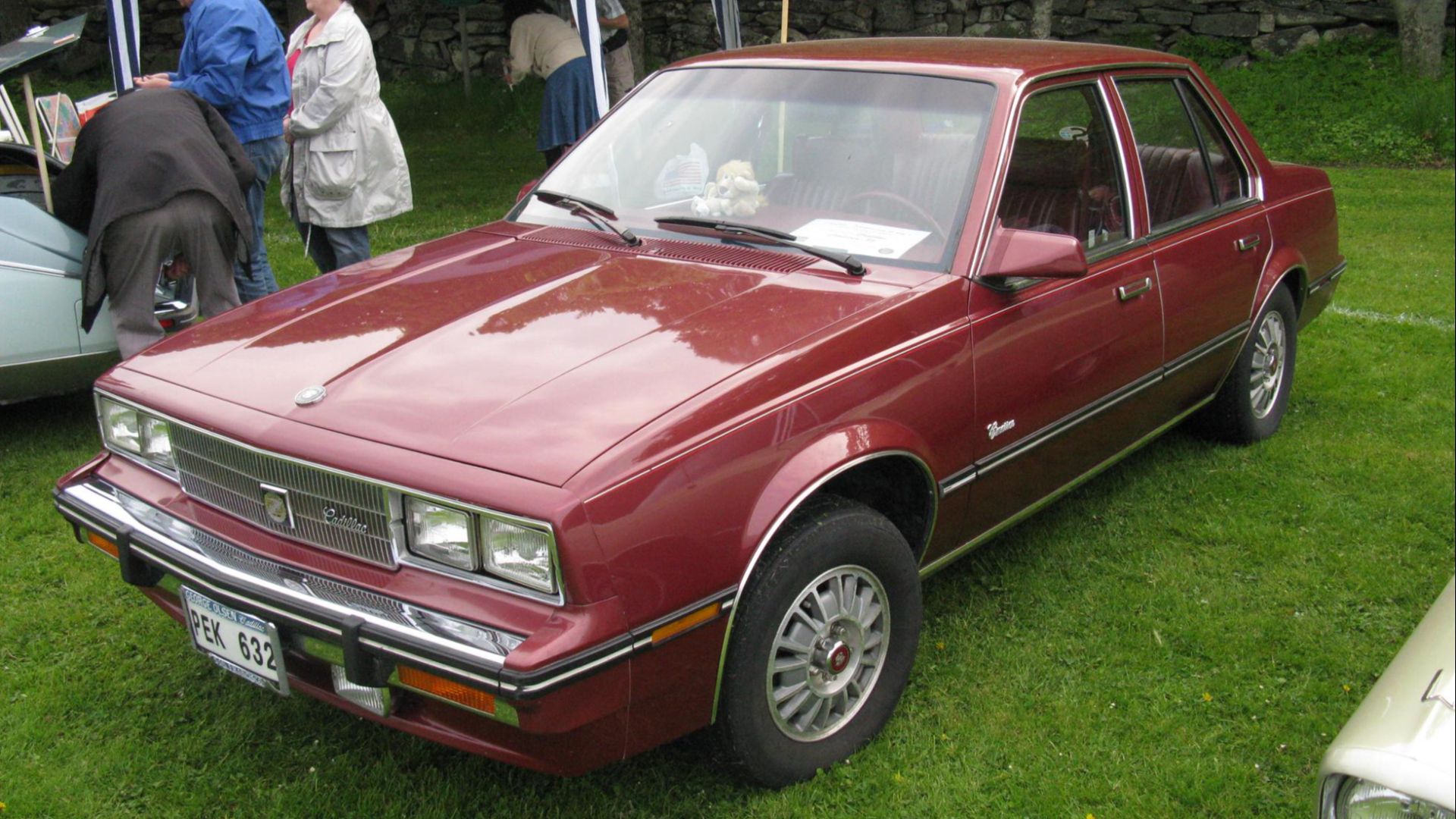
5. Cadillac Cimarron
Cadillac's decision to badge-engineer a Chevrolet Cavalier and sell it as a luxury car did lasting damage to the brand's reputation. Buyers were not fooled by the leather seats and Cadillac emblem sitting on top of an economy car platform. It remains one of the most cited examples of a badge job gone wrong in American car history.
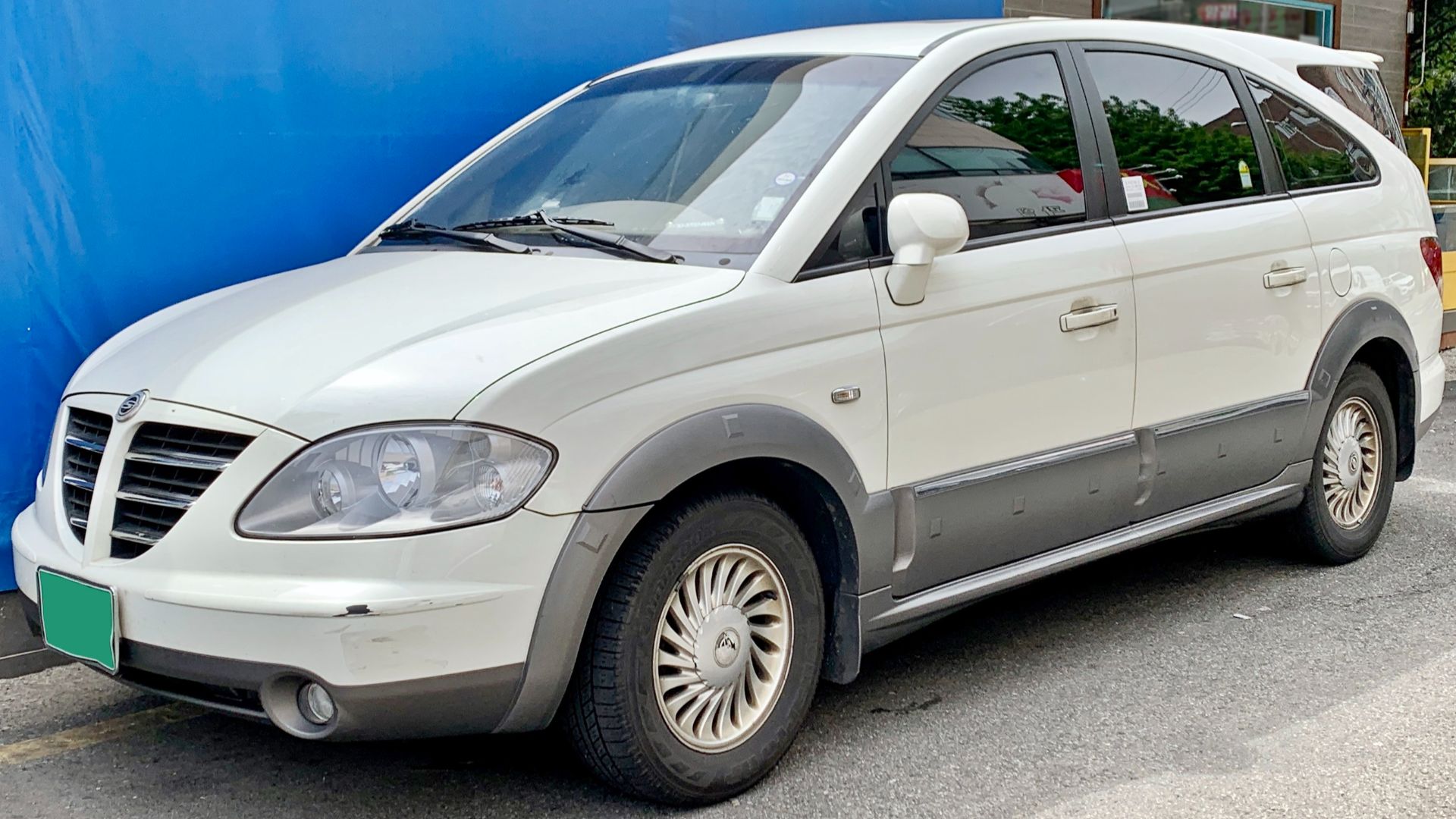
6. SsangYong Rodius
The Rodius had a genuinely spacious cabin and a reasonable price for what it offered, but the rear end styling became an instant target for online mockery. Odd proportions and a busy mix of angles made it look like it was designed by committee with nobody willing to compromise. SsangYong reworked the styling in later versions, though the reputation stuck around longer than the original design did.
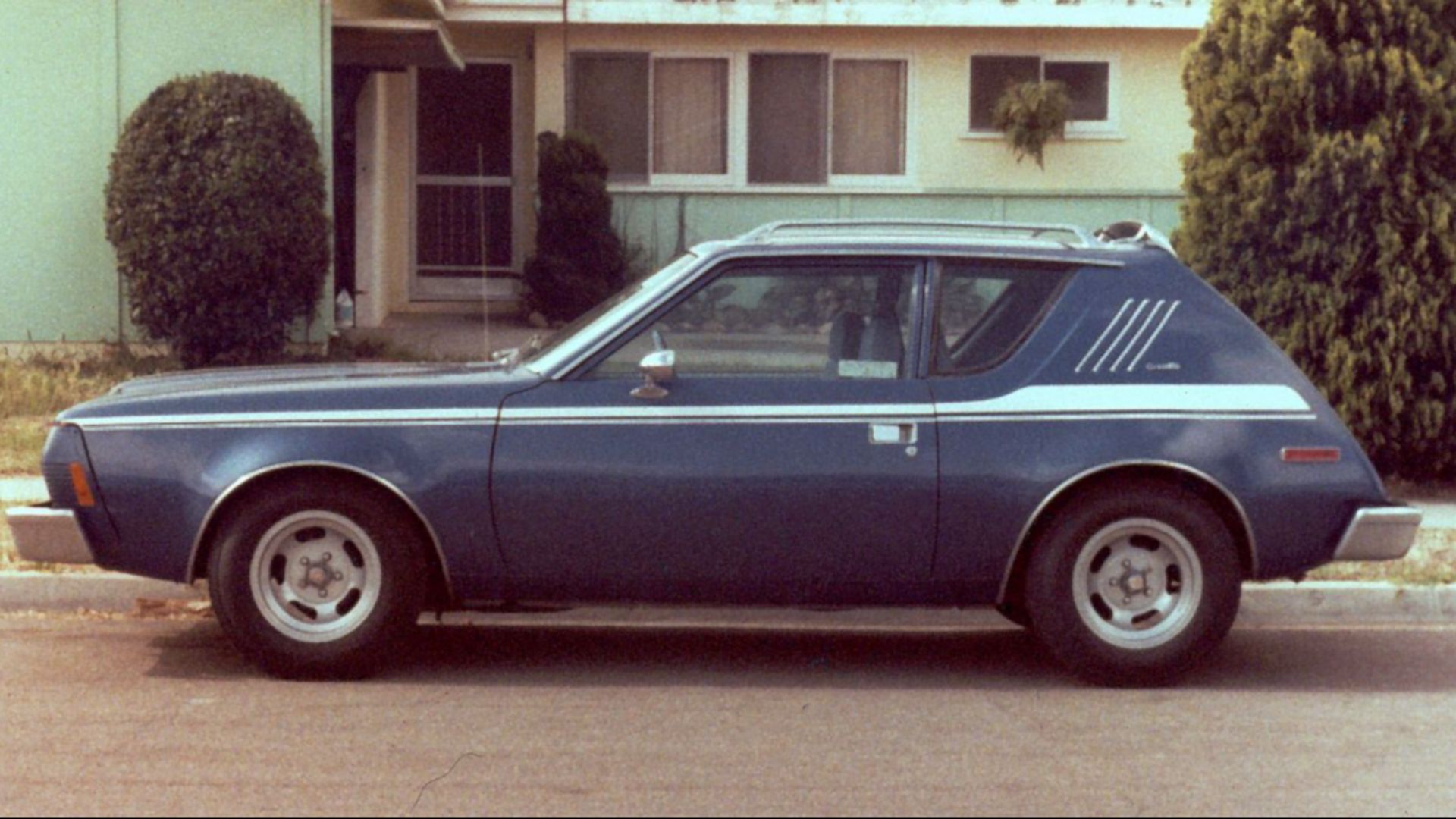
7. AMC Gremlin
The Gremlin's abruptly chopped-off rear end, meant to save cost and create a distinctive silhouette, instead made the car look like it was missing a few feet of its own body. It became one of the more memorable shapes of the era, just not for reasons AMC had hoped. The name itself eventually became a bit of a punchline too.
 Users Interiot, Rsduhamel on en.wikipedia on Wikimedia
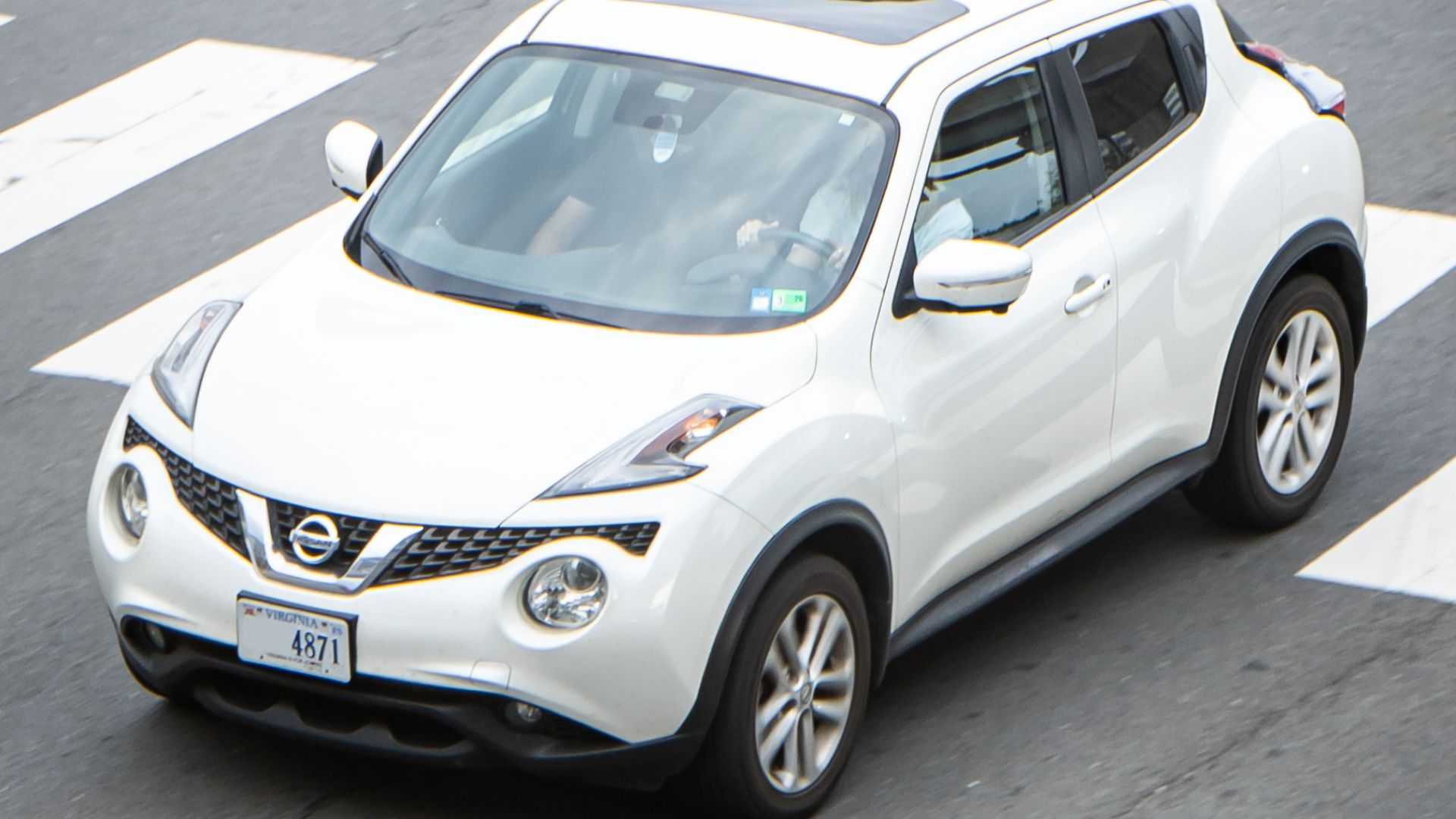
8. Nissan Juke
The Juke's stacked headlight setup, with round units perched above the bumper and slim strips up top, drew strong reactions from the moment it debuted. Plenty of buyers appreciated the quirky personality, but just as many could not get past what looked like a face mid-blink. Nissan toned the design down considerably in later generations.
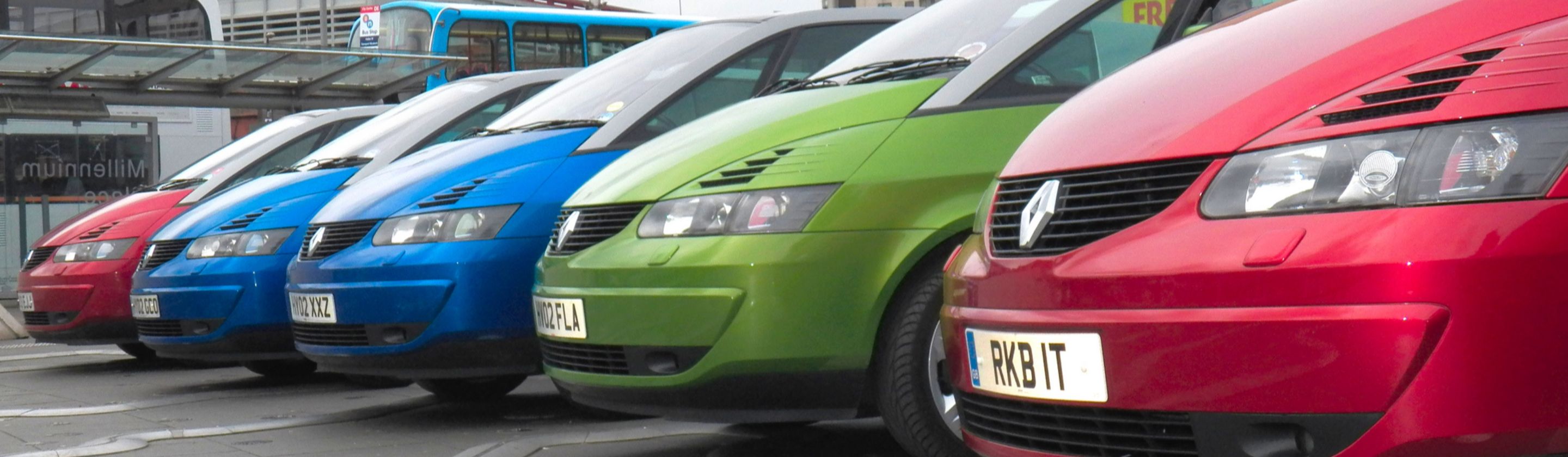
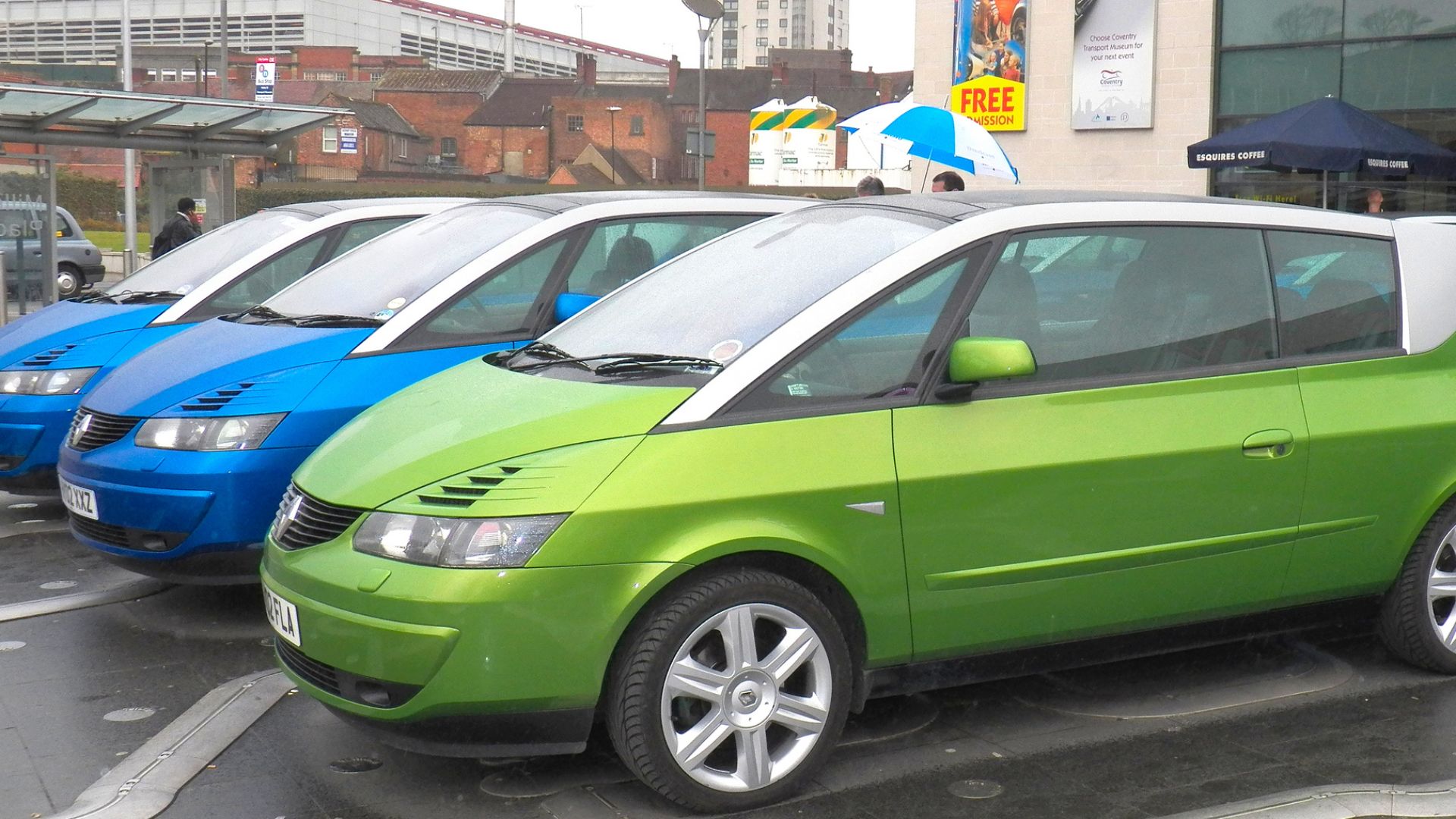
9. Renault Avantime
Renault tried to blend a coupe and a minivan into one vehicle, and the concept alone confused buyers before they even considered the styling. Huge doors and a low, swoopy roofline sitting on a van-like body created a shape nobody quite knew how to categorize. It lasted only a couple of years before Renault pulled the plug.
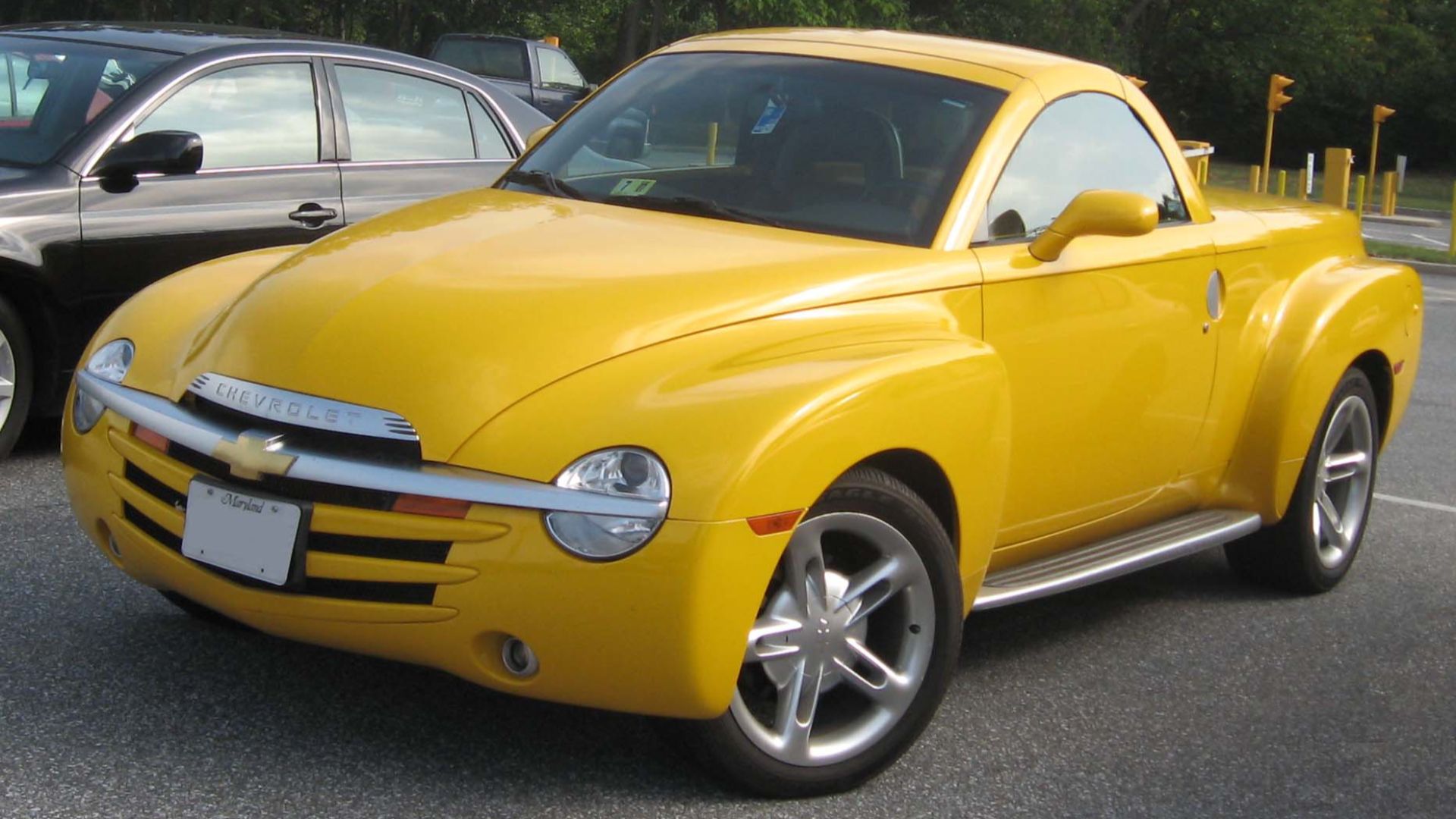
10. Chevrolet SSR
The SSR combined a retractable hardtop convertible with a pickup truck bed, a mashup that looked striking in photos but confused nearly everyone once it hit the road. Buyers could not decide if it was a sports car, a truck, or a novelty item, and sales numbers reflected that confusion. It remains one of the stranger genre mashups an automaker has actually put into production.
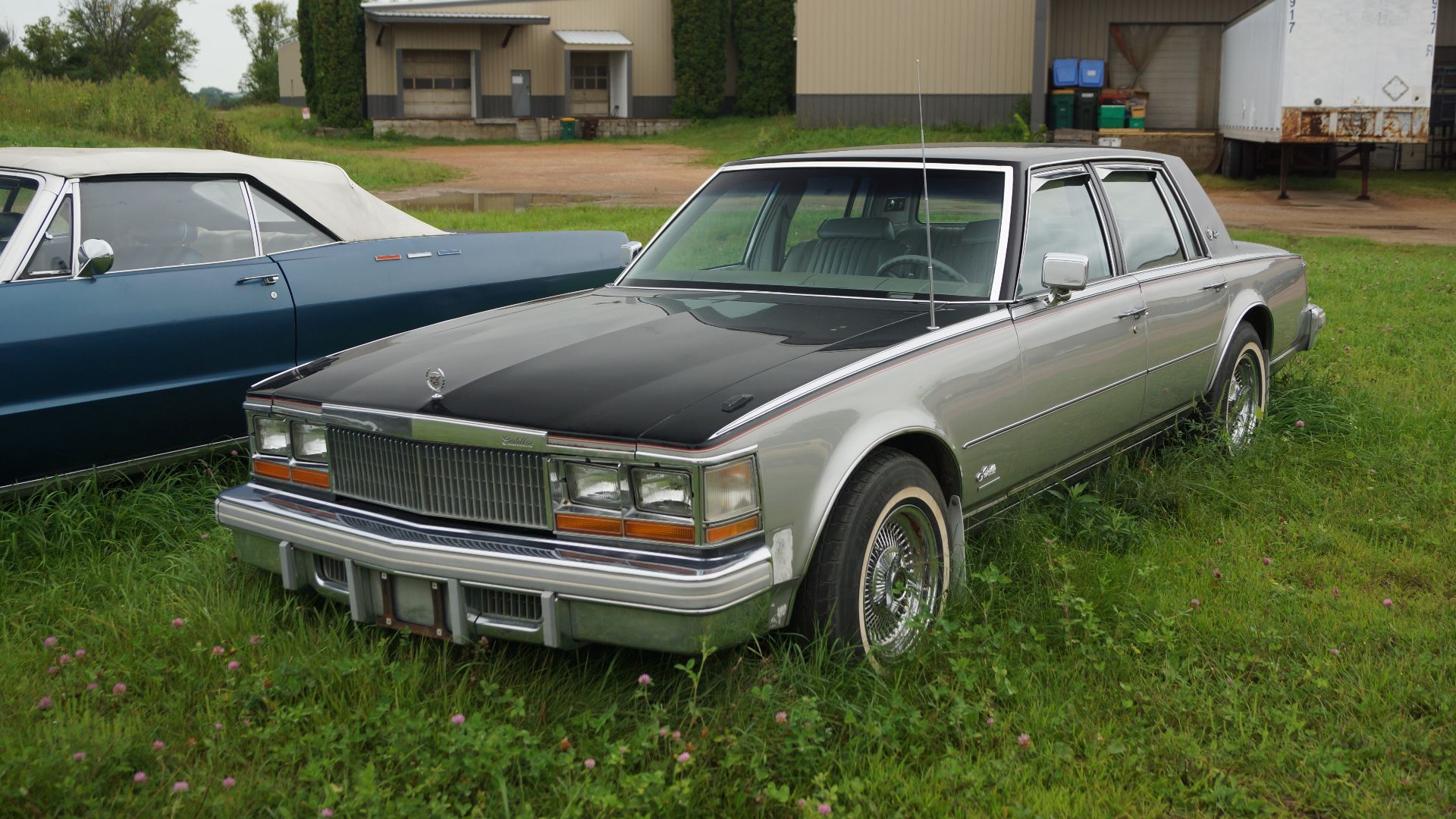
11. Cadillac Seville (Bustle-Back)
The 1980s Seville added a raised, sloped trunk lid meant to evoke classic European luxury cars from decades earlier. Instead, most people saw a car that looked like its trunk had been bolted on as an afterthought. Cadillac dropped the look in later redesigns and rarely brought it up again.
 Greg Gjerdingen from Willmar, USA on Wikimedia
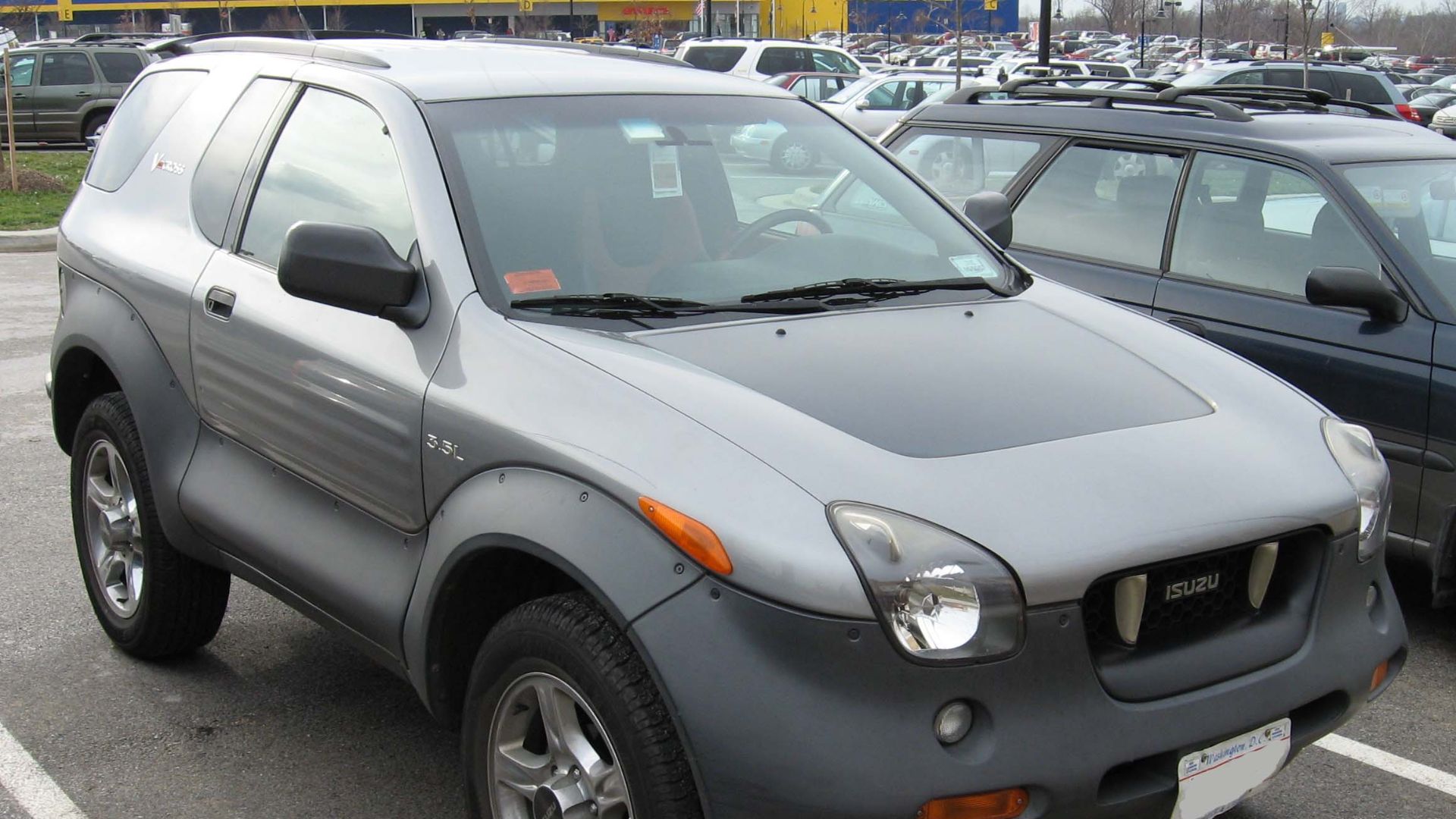
12. Isuzu VehiCROSS
The VehiCROSS leaned hard into aggressive body cladding and angular plastic panels meant to signal off-road toughness. The look was so far removed from anything else on the market that it struggled to find buyers who wanted to drive something quite that loud. It became a cult favorite years later, long after Isuzu had already given up on it commercially.
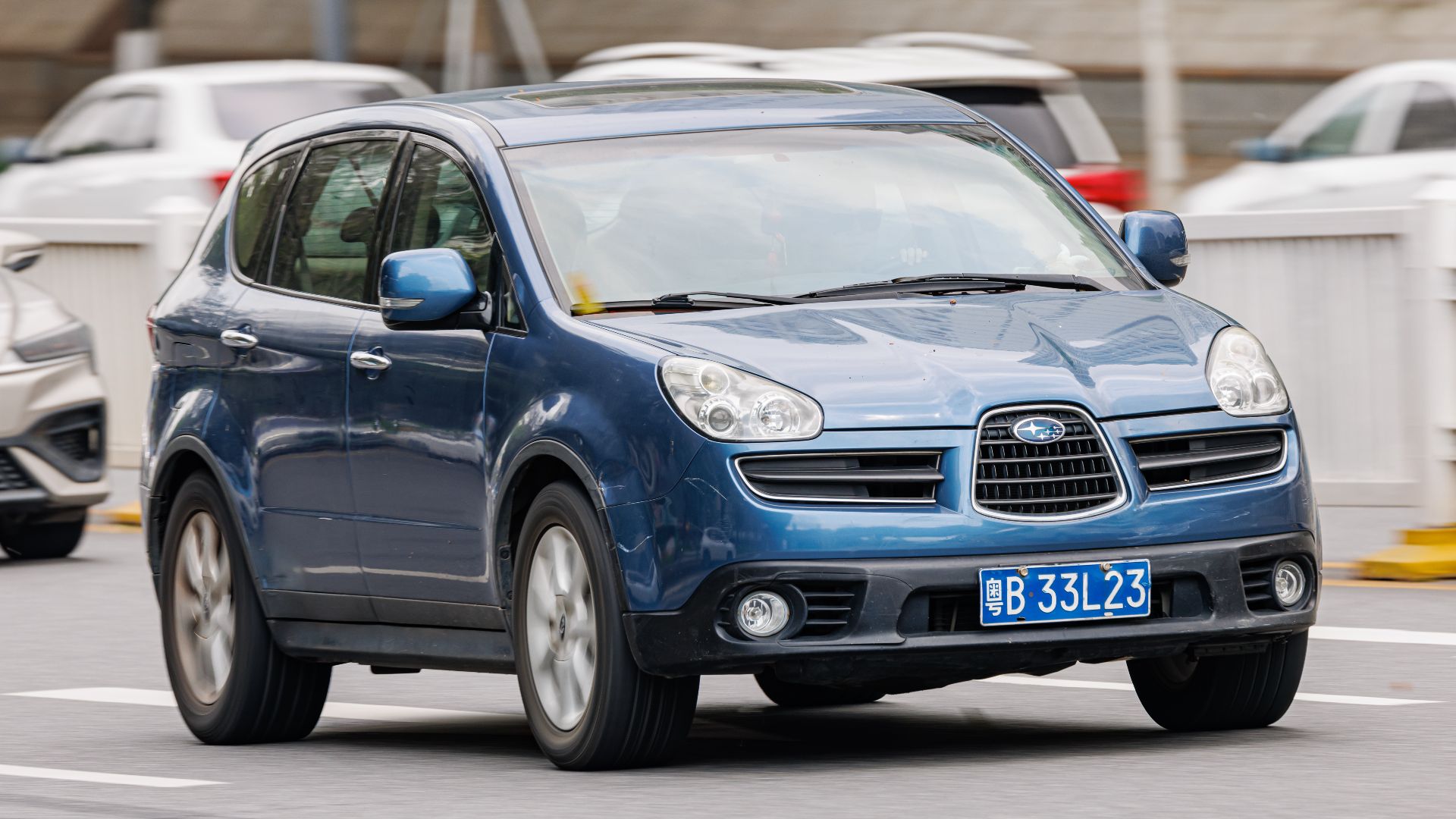
13. Subaru Tribeca
The early Tribeca launched with a wide, winged grille that Subaru fans nicknamed the nose almost immediately, and not affectionately. It overshadowed a genuinely competent midsize SUV underneath, and Subaru revised the front end within just a couple of years to distance the car from its own debut look. Few redesigns have arrived that quickly after launch.
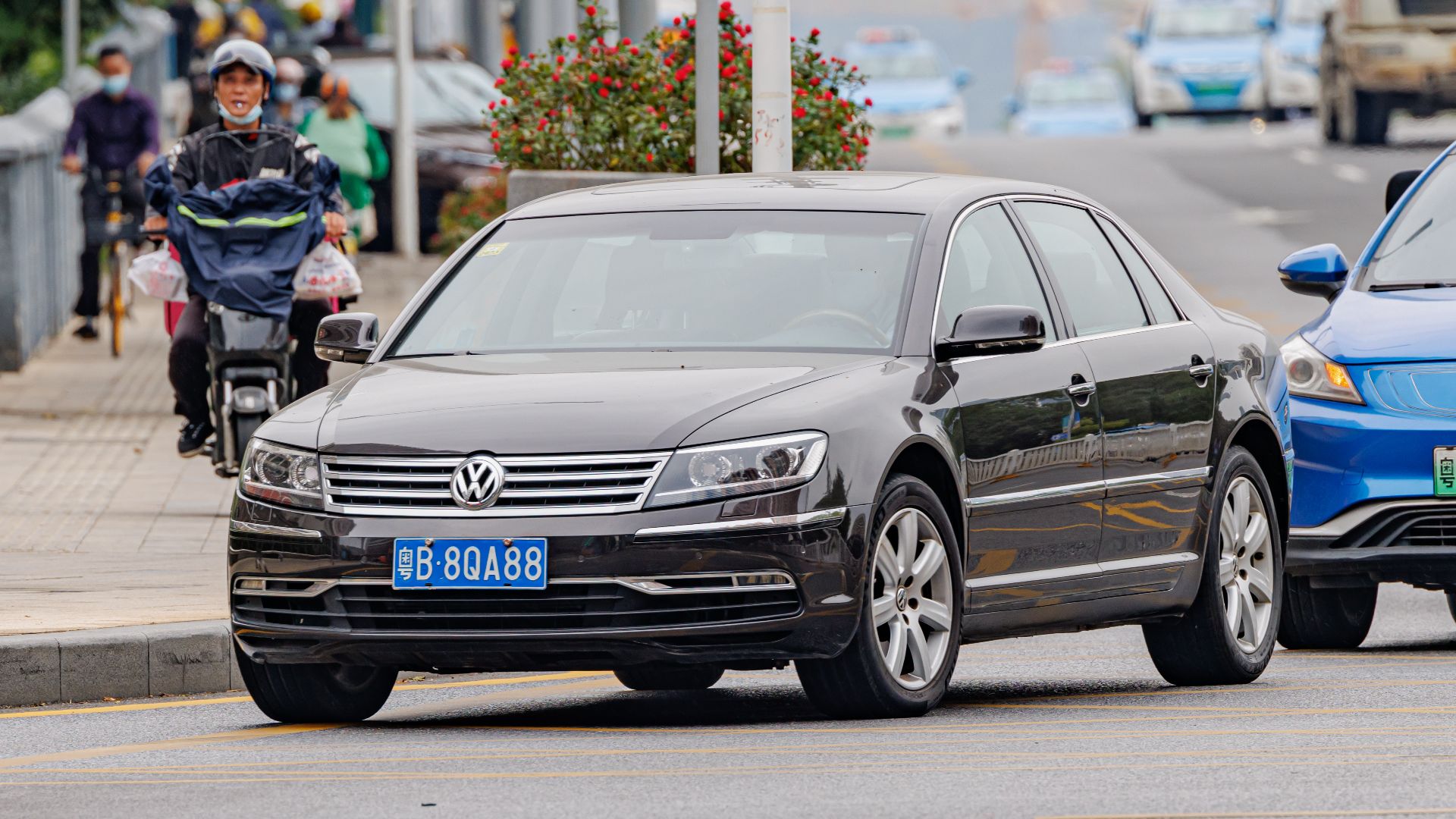
14. Volkswagen Phaeton
The Phaeton was an impressively engineered luxury sedan, quiet and refined enough to compete with cars costing twice as much. The decision to sell it under the Volkswagen badge instead of Audi confused buyers who could not get past paying luxury prices for a brand associated with economy cars. It sold poorly in the United States and quietly disappeared from the lineup there.
15. Honda Element
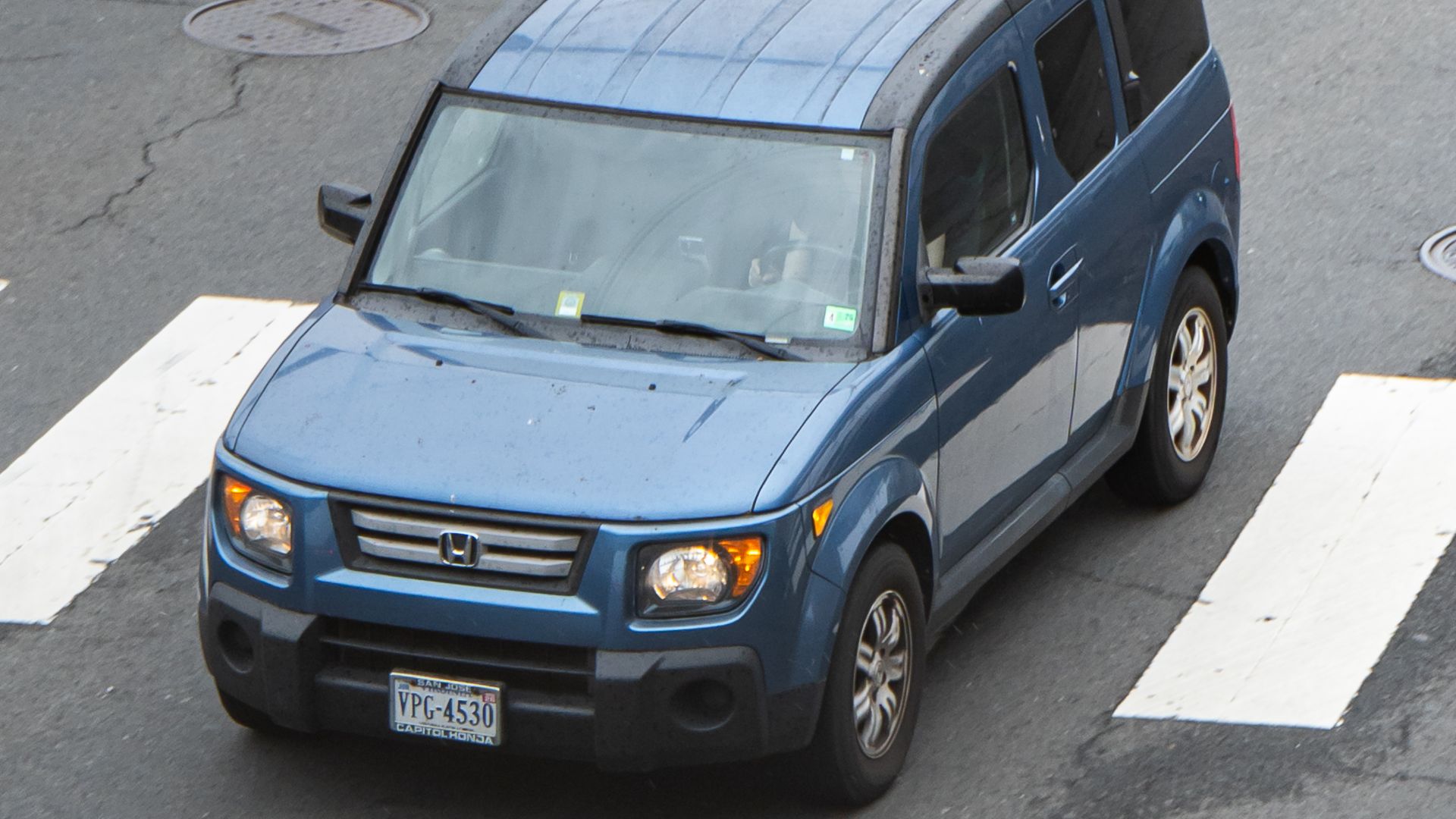
The Element's boxy shape and washable, rubberized interior were built around genuine practicality, aimed at buyers who wanted something rugged and easy to clean. That same utilitarian look made it a hard sell to anyone shopping for a conventional-looking SUV. It found a loyal niche audience, just never the mainstream crowd Honda had originally hoped for.
16. Chevrolet Camaro (Fifth Generation)
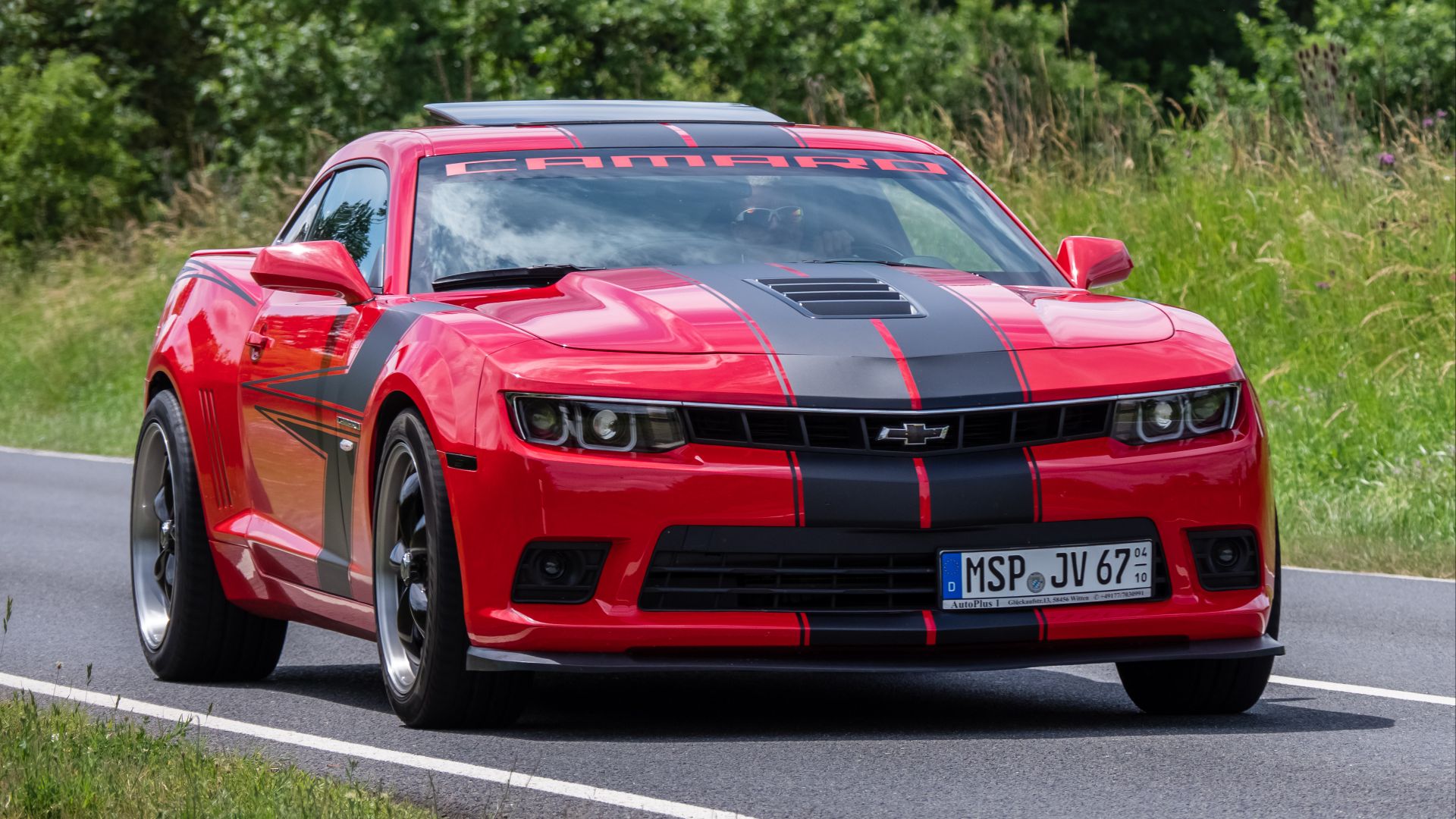
The fifth-generation Camaro leaned into an aggressive, muscular stance with tiny windows and a high beltline that gave it real road presence. That same styling choice left drivers with poor outward visibility, something reviewers brought up constantly. Chevrolet opened the greenhouse back up somewhat in the following generation.
17. Nissan Cube
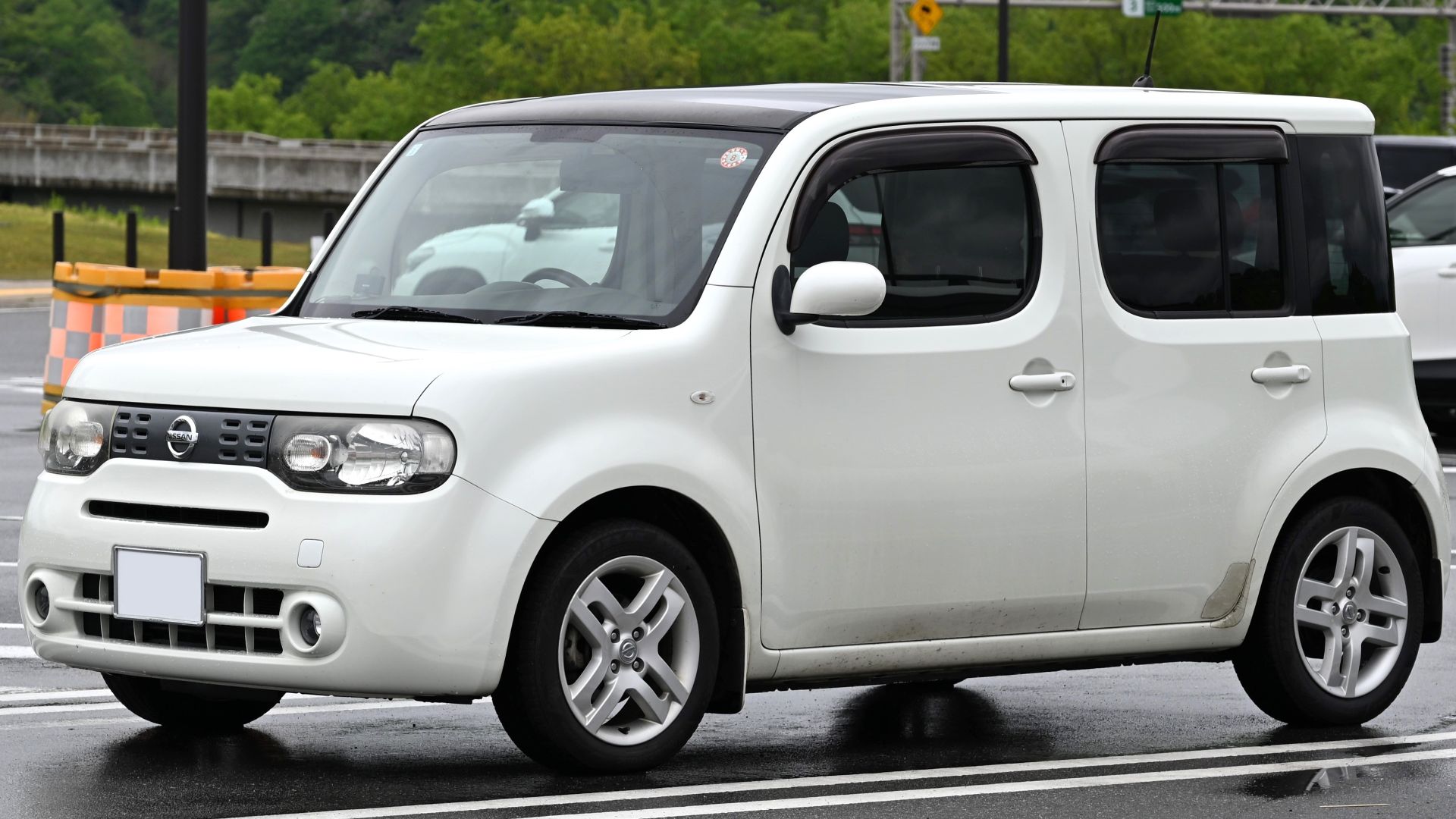
The Cube's asymmetrical rear window, wrapping around one side of the car but not the other, was meant to feel playful and distinctive. Plenty of shoppers found it simply odd rather than charming, and the look limited the car's appeal outside a fairly specific buyer. It remained a niche vehicle throughout its run in the United States.
18. Toyota Mirai
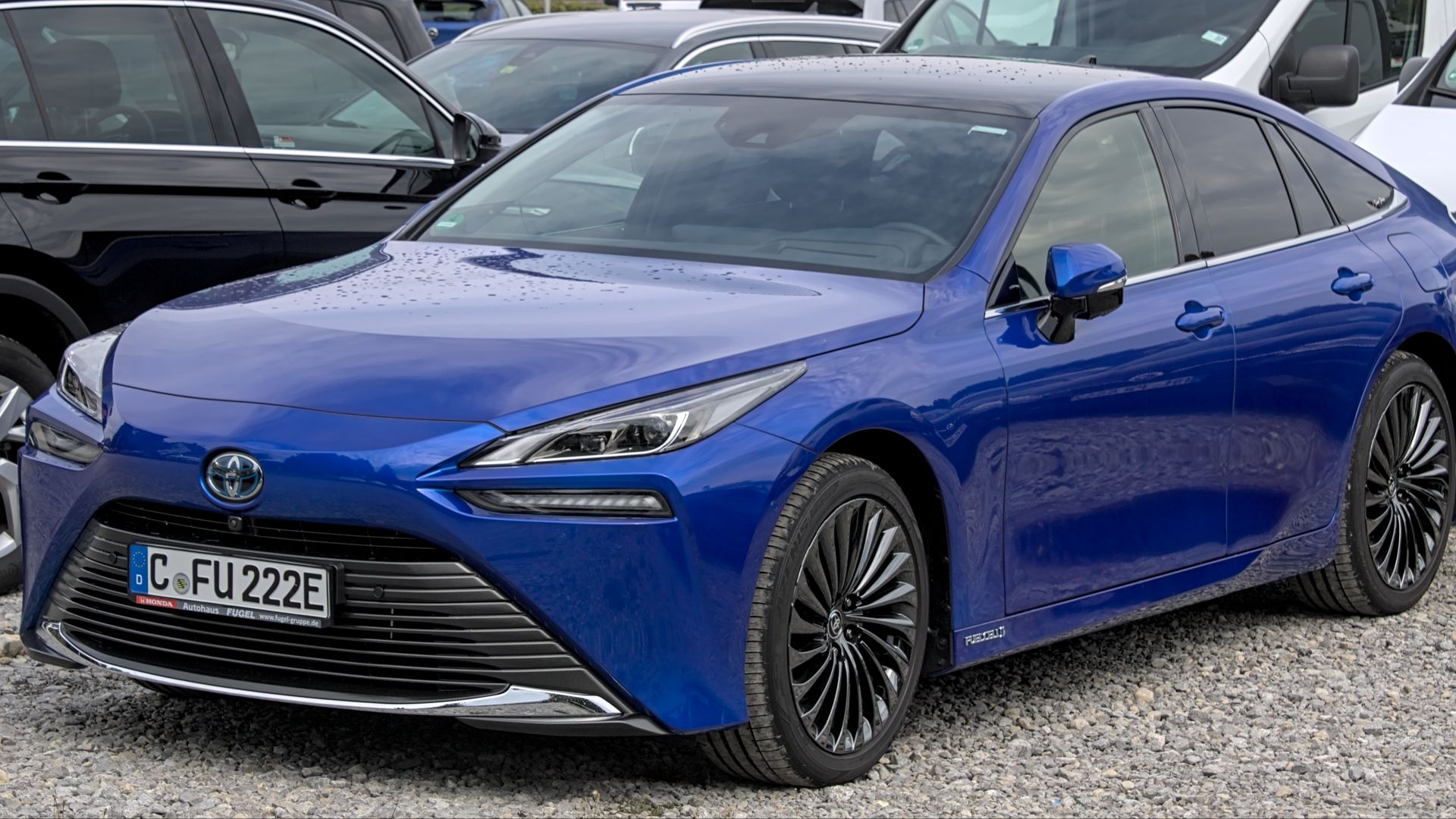
Toyota's hydrogen-powered Mirai carried genuinely forward-thinking technology, but the sedan's wedge-shaped front end with oddly placed air intakes drew more attention than the fuel cell system underneath it. Reviewers frequently mentioned the styling before getting to the actual technology, which was not the impression Toyota wanted to lead with. Later versions toned down the more unusual elements considerably.
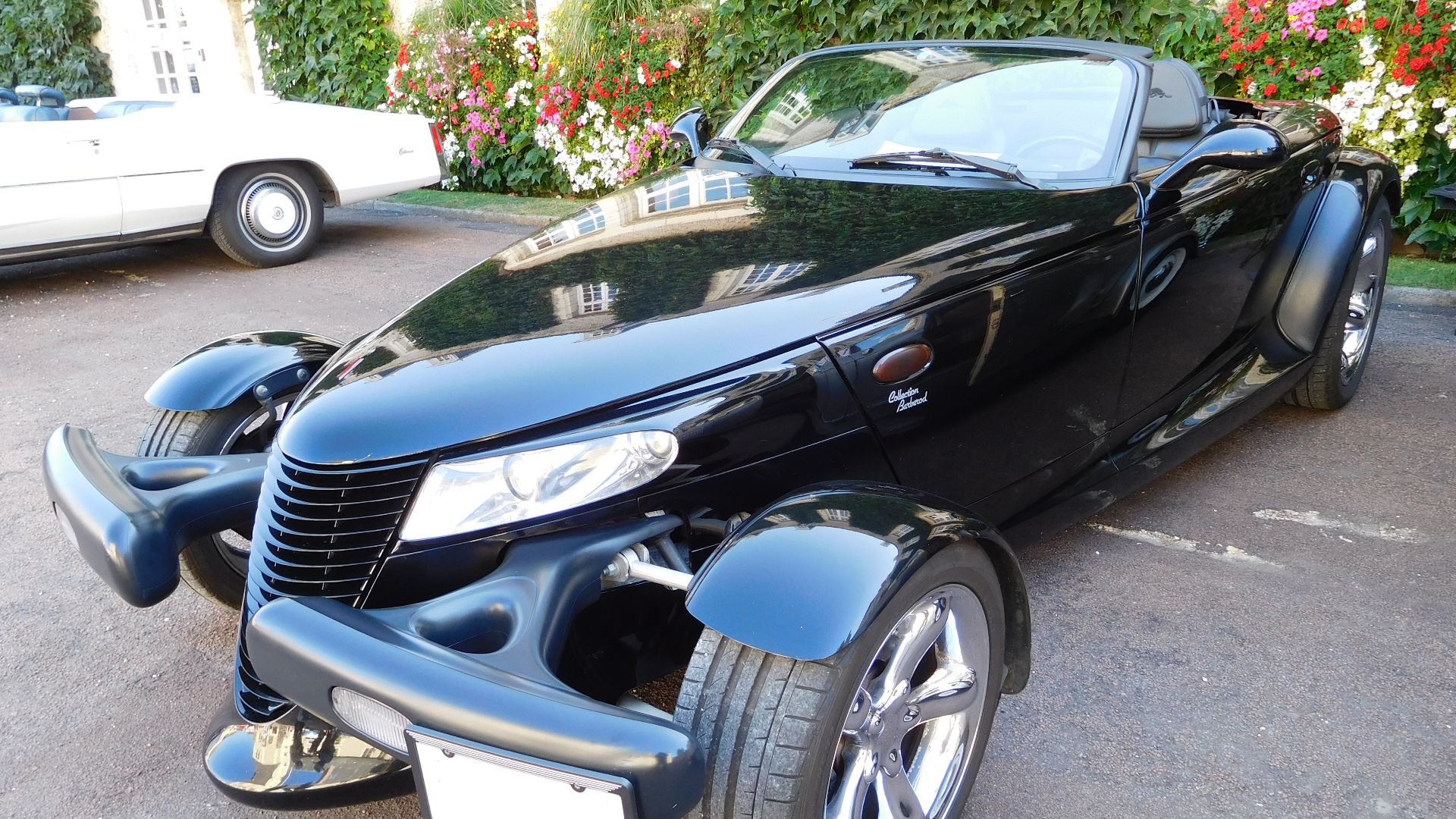
19. Plymouth Prowler
The Prowler committed fully to a retro hot rod look, complete with exposed front wheels and a low, narrow stance that limited practicality in almost every direction. There was barely any usable trunk space, and the styling made it a car people admired more than they actually wanted to own day to day. It stayed a niche halo car rather than a real volume seller.
20. Ford Mustang II
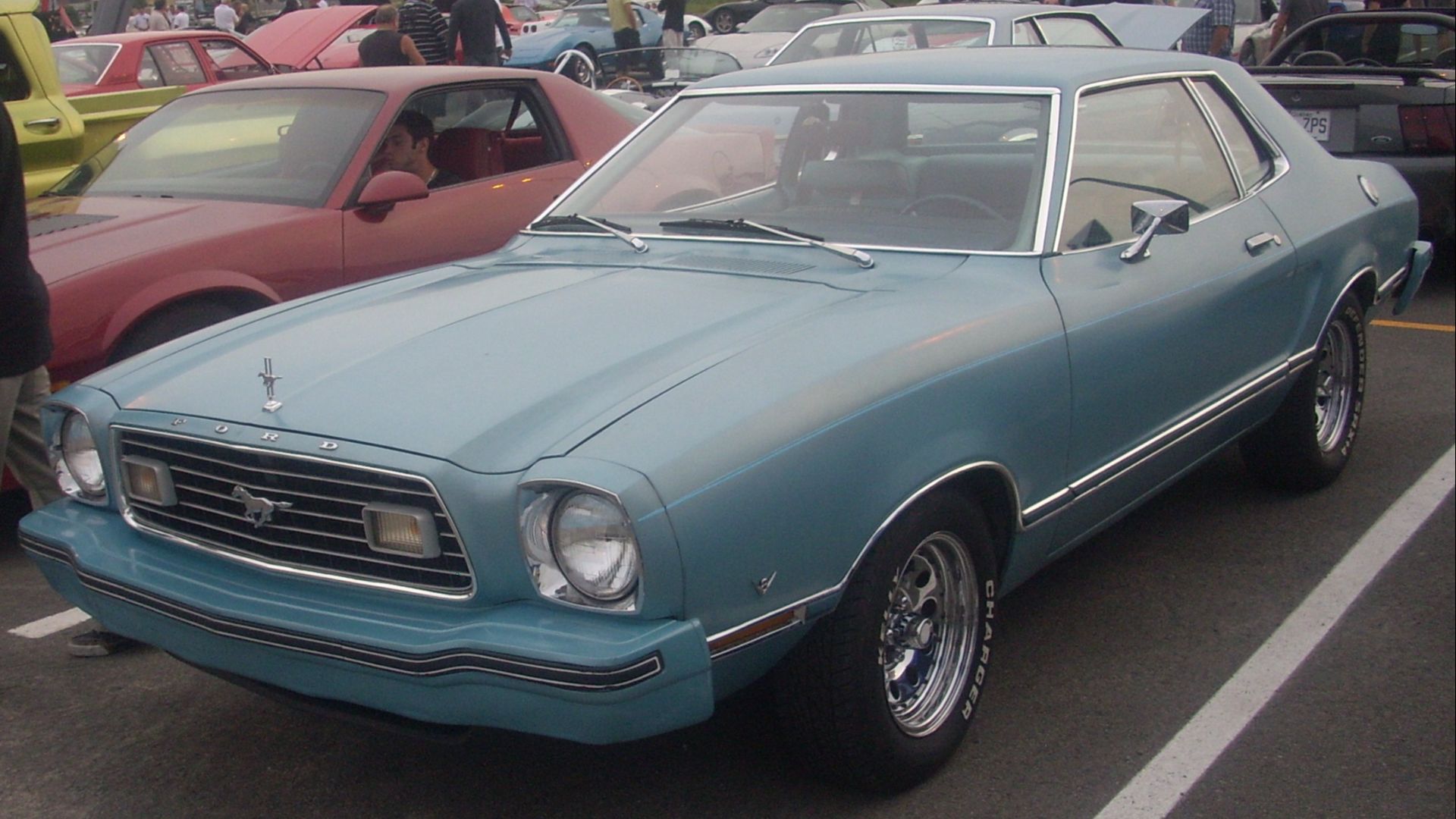
Facing rising fuel prices and shifting consumer demand, Ford shrank the Mustang and built the second generation on the Pinto platform. The decision made sense on paper, but it left a car that looked and felt disconnected from the muscle car legacy the Mustang name had built. Enthusiasts still bring it up as the low point in the model's long history.