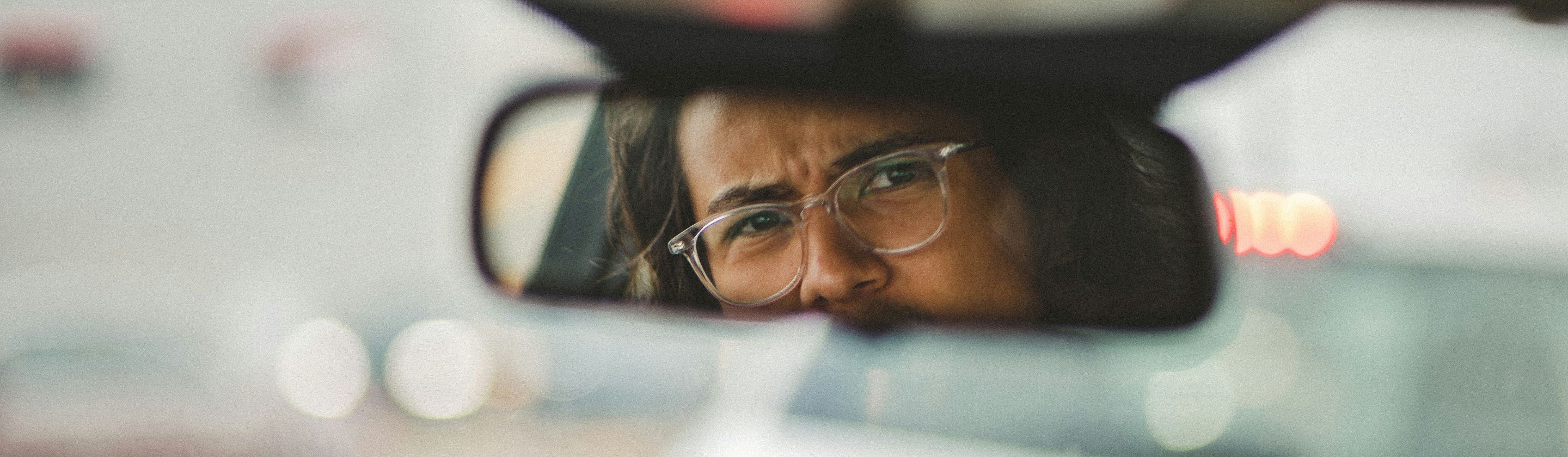
This One Driving Move Is The Most Common Road Rage Trigger
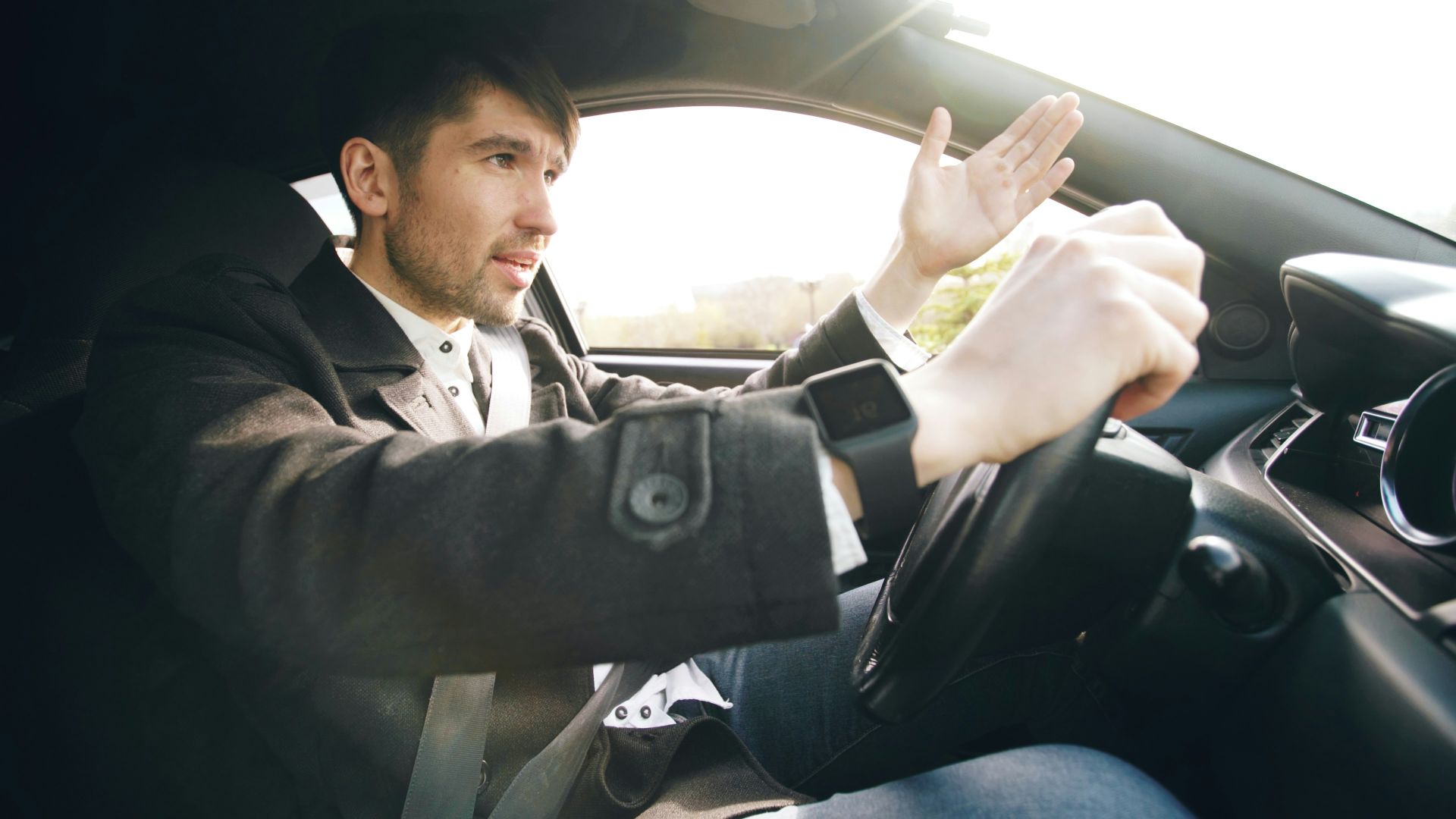
You don’t have to be an “angry driver” to feel your blood pressure spike behind the wheel. Traffic already asks you to juggle time pressure, safety, and unpredictable measures. Add one rude-looking move, and suddenly your calm playlist isn’t doing much.
If there’s one behavior that reliably flips the switch, it’s getting cut off: that quick lane change or merge that steals your space and forces you to brake. Surveys and safety research consistently flag “cutting off other vehicles” as a major aggressive-driving behavior, and AAA’s recent research notes it’s become more common over time. Even if the other driver didn’t mean it personally, your brain tends to take it that way.
Why Being Cut Off Feels So Personal
The cut-off triggers a very specific kind of alarm because it messes with your sense of control. You were tracking distance, speed, and timing, and then someone inserts themselves into your buffer like it’s no big deal. That forced brake tap reads as “danger” before it reads as “annoying,” which is why the reaction can be instant and sometimes that split-second stress response translates into rage.
There’s also a fairness problem baked into it, and drivers are surprisingly sensitive to that. A cut-off can feel like someone skipped the line and made you pay the cost, even if the “line” is imaginary. When the move is paired with no signal, it looks deliberate, or at the very least, inconsiderate, and your brain loves a simple villain. Road rage often begins as that quick story you tell yourself about what the other person “must” be like.
What makes this one move stand out is how often it appears in real-world complaints and self-reported behavior. According to AAA, “cutting off other vehicles” is a behavior many drivers admit engaging in, and it has increased notably in recent years. In other words, the thing that irritates you the most is also incredibly common.
Why This Move Happens Constantly
Some cut-offs are intentional, but many start with plain old misjudgment. People underestimate how fast traffic is moving, overestimate how much space they have, or assume you’ll “just let them in.” Modern cars are quieter and smoother, which can make speed feel slower than it is until you’re already making a bad decision. All this to say, the person who cut you off may be a bad driver, but they're not necessarily an inconsiderate jerk who's out to get you.
Distraction is another major contributor, because divided attention turns lane changes into sloppy guesses. A driver who’s glancing at a screen might drift, miss a mirror check, or signal late, then commit anyway because they’ve already started the maneuver. You experience it as a sharp, sudden intrusion, while they experience it as “I’m already halfway over, so it’s fine.”
Traffic design doesn’t help, either, because merging lanes, short on-ramps, and last-second exits basically manufacture desperation. Routes sometimes force drivers into tight merges. AAA’s aggressive-driving research notes multiple risky behaviors that cluster around congestion and conflict points, including improper lane changes and cutting others off. So even “good” drivers can end up making bad moves when the road layout rewards aggressive behavior.
How to Avoid Triggering It and What to Do When It Happens

If you want to avoid being the person who sets someone off, the fix is boring but effective: signal early, commit only when there’s real space, and don’t merge like you’re trying to win a small argument. A clean lane change communicates respect, even when you’re in a hurry. Giving a little extra following distance also creates a buffer that makes merges less dramatic for everyone. Courtesy doesn’t just feel nice; it reduces the number of moments that force emergency reactions.
When you’re the one who gets cut off, the best move is to treat it as a safety event, not a personal insult. Create space, steady your speed, and let the other driver go be someone else’s problem a mile down the road. AAA emphasizes that road aggression can be contagious, meaning the more you engage, the more likely the situation escalates. The win is arriving alive and with your day intact, not proving a point to a stranger you’ll never meet.
If you feel the anger climbing anyway, give your brain a different job for ten seconds. You can check mirrors, name an exit, loosen your grip on the wheel, or take one slow breath that’s long enough to interrupt the spiral. Road rage thrives on rumination, so cutting off the internal replay is surprisingly powerful. You can’t control what other drivers do, but you can control whether their bad merge gets to live in your head rent-free.