Do You Miss Tactile Buttons In Your Car? You’re Not Alone
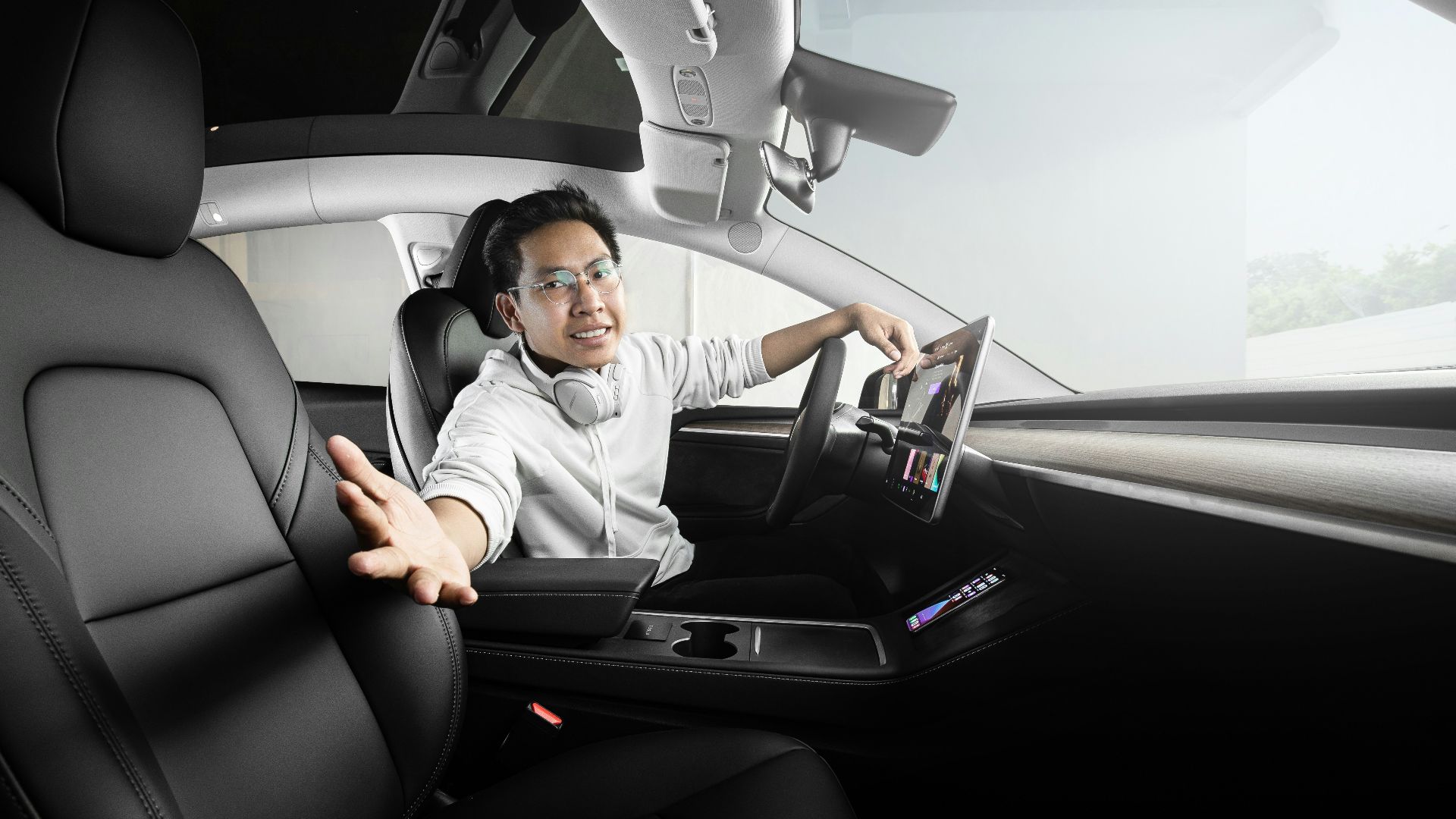
For a while, car interiors seemed to be racing toward one giant glowing screen. Buttons disappeared, knobs got replaced by sliders, and simple tasks like changing the temperature suddenly required way too much screen time. It all looked futuristic in the showroom, but out on the road, a lot of drivers started asking a very reasonable question: Why is this so hard?
That frustration isn’t just nostalgia talking. Safety groups, reviewers, and automakers have been paying closer attention to how much mental effort modern dashboards demand. Euro NCAP, the European safety assessment program, is moving toward rewarding cars that keep key controls physical, including functions like indicators, hazard lights, horns, wipers, and emergency SOS controls. In other words, the humble button may be having a comeback, and it's not just about style or personal preference.
Touchscreens Look Sleek, but Driving Isn’t a Desk Job
A touchscreen makes perfect sense on a phone, where your full attention is usually on the device in your hand. In a moving car, the situation is different because your main job is still watching the road, reading traffic, and reacting quickly. When common controls are buried in digital menus, even a small adjustment can demand more attention than it should. That’s why many drivers miss the old feeling of reaching for a knob without needing to look down.
Physical controls have one big advantage: your fingers can learn them. After a while, you know where the volume knob, fan dial, or defroster button sits without really thinking about it. A flat screen doesn’t offer the same guidance, because everything feels like glass until your eyes confirm what you’re touching. That tiny difference can feel much bigger when you’re merging, changing lanes, or driving at night in the rain.
The issue isn’t that screens are useless. Navigation, backup cameras, music libraries, and software updates have made driving more convenient in plenty of ways. The problem comes when nearly every function gets pushed onto the same surface, even the ones people use constantly. A good modern interior doesn’t have to reject screens; it just needs to know when a button is still the better tool.
Drivers Are Pushing Back Against Menu Fatigue
If you’ve ever tapped through three screens just to adjust the climate control, you already understand the problem. The process may look clean on a design mockup, but real life includes potholes, gloves, bright sunlight, and noisy passengers. A task that takes one twist of a dial in an older car can feel oddly fussy in a newer one. That kind of friction adds up.
Automakers have started hearing the complaints. Volkswagen has publicly moved to bring back more physical controls in future models after criticism of touch-heavy interfaces, including climate and volume controls. Other brands have also been reassessing screen-heavy cabins as customers ask for more intuitive interiors. The shift suggests drivers don’t necessarily want old-fashioned cars; they just want common controls to behave like common controls.
There’s also a comfort factor that doesn’t always show up in tech presentations. Buttons can make a car feel familiar, manageable, and less demanding. You don’t need to be a “car person” to appreciate a dedicated wiper stalk or a real temperature knob. Good design is the thing you often don't even notice because it simply makes sense and works.
The Button Comeback Is About Safety, Not Just Sentiment
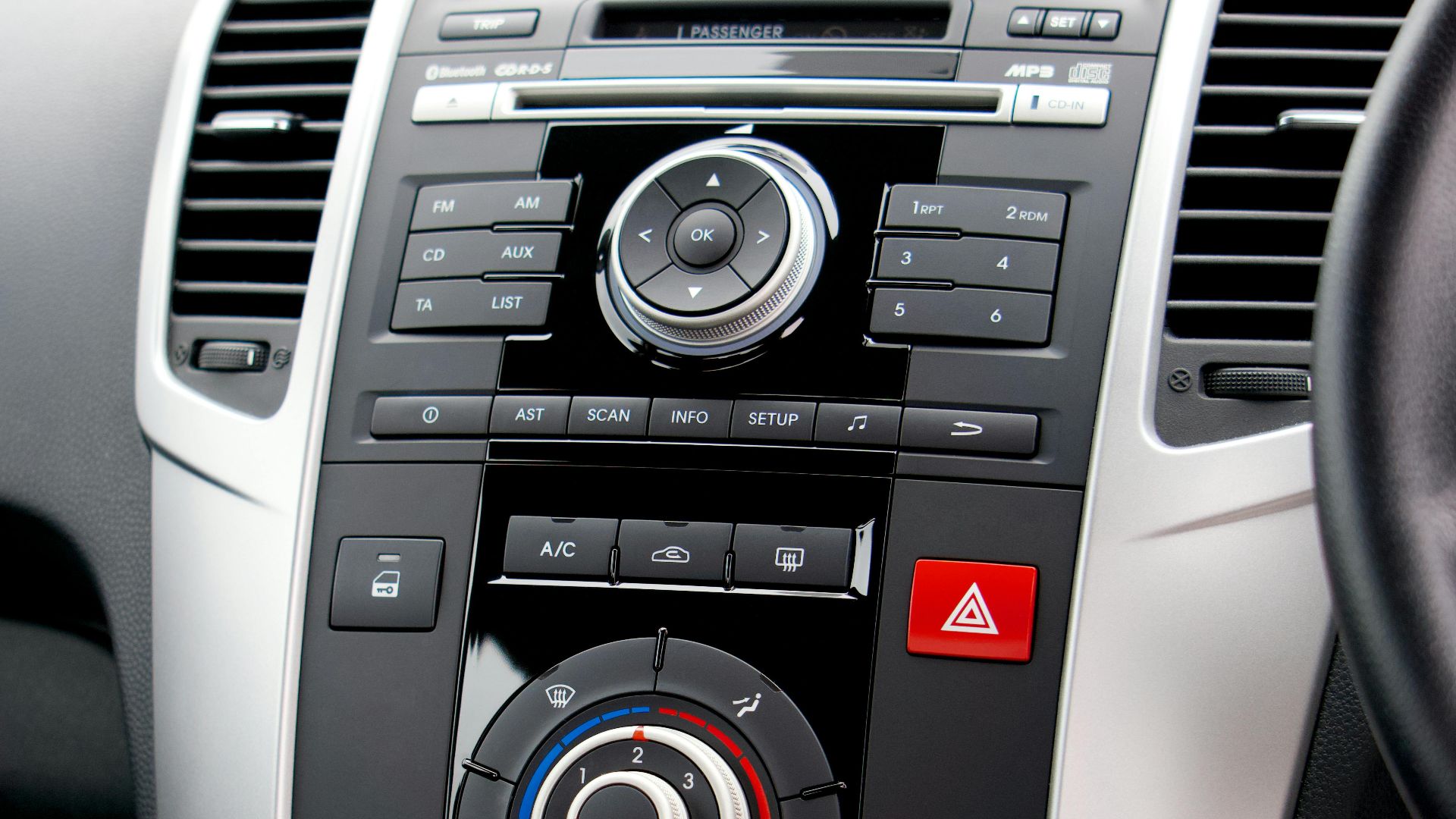
The strongest argument for tactile controls isn’t that they remind anyone of older cars. It’s so that they can reduce unnecessary distractions while driving. The Insurance Institute for Highway Safety has long tracked distracted driving risks, and research consistently shows that visual-manual tasks can pull attention away from the road. Even when the task seems minor, looking away at the wrong second can matter.
That’s why the future may not be all buttons or all screens, but a smarter balance between the two. Critical functions, frequent adjustments, and emergency controls are good candidates for physical switches, stalks, and knobs. More complex features, like navigation settings or vehicle customization, can still live on a screen where they make sense. Nobody needs a separate button for every possible setting, but nobody wants a scavenger hunt for the defroster either.
You may be thinking, "What about voice activation?" Voice controls may help, but anyone who's tried to use them lately knows they aren't a perfect replacement. They often mishear commands and struggle with accents or background noise. Many drivers also don’t want to speak every little instruction out loud. A well-placed button remains wonderfully direct because it doesn’t need interpretation.
The renewed interest in tactile controls says something larger about technology. Newer isn’t always easier, and cleaner-looking doesn’t always mean better to use. Cars are physical machines moving through physical space, so it makes sense that some controls should be physical, too. If you miss buttons in your car, you’re not resisting progress; you may just have a healthy appreciation for being able to keep your eyes where they belong.