The Reputations That Stuck
Every era of car history has a few models that made regulators nervous, and some earned that reputation fast. A bad headline or a government investigation could turn a popular car into a cautionary tale overnight. Not every car here was as dangerous as its reputation suggested, but the controversy stuck regardless. Some got redesigned, and a few just disappeared from showrooms. Here's 20 cars that carried a reputation for danger their manufacturers never quite shook.
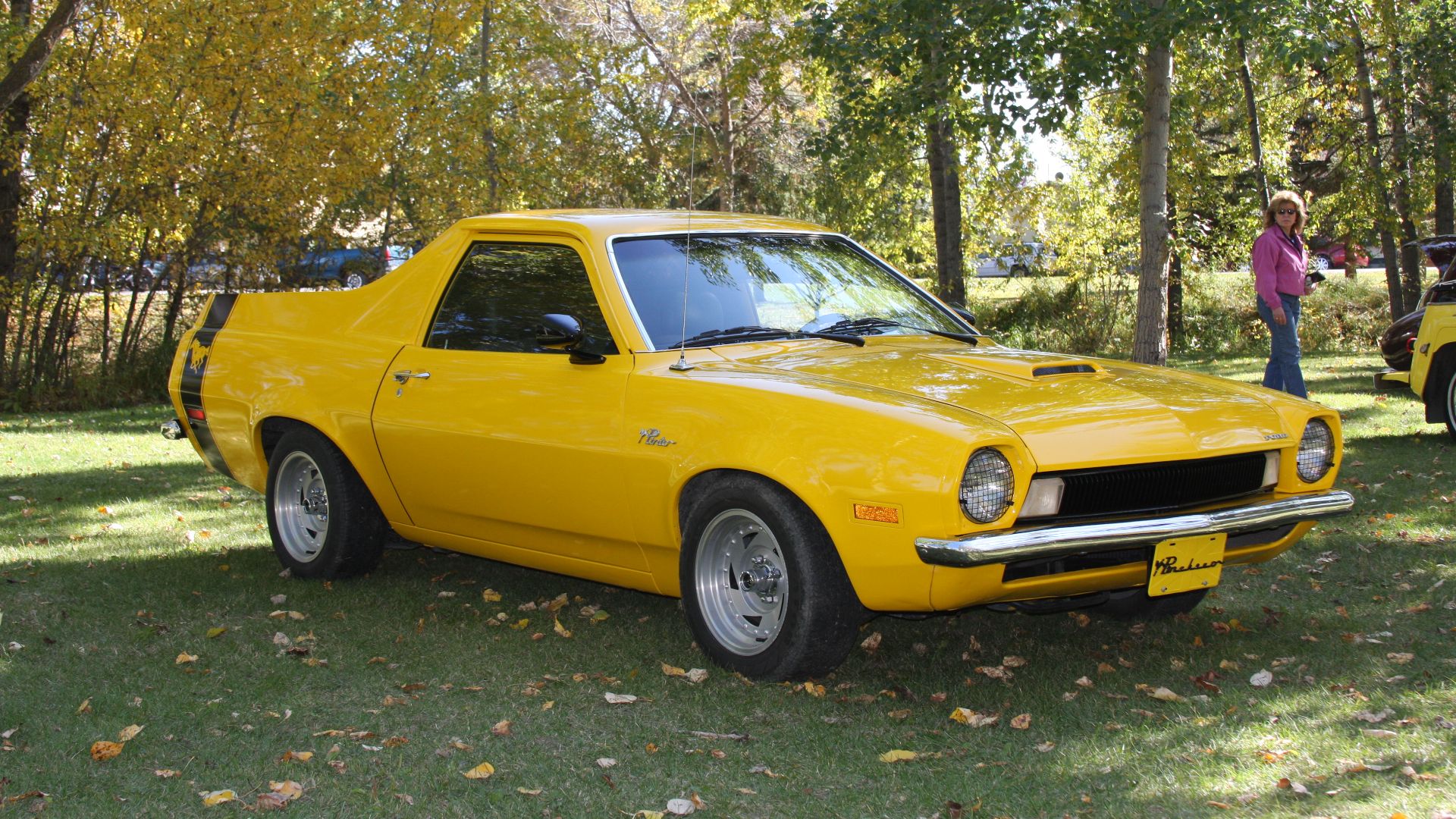
1. Ford Pinto
The Pinto's rear-mounted fuel tank sat close enough to the bumper that a rear-end collision could rupture it and spark a fire, a flaw exposed in a 1977 Mother Jones investigation. Internal Ford memos weighing recall costs against lawsuit payouts made the story worse. Ford recalled millions of Pintos in 1978, but the reputation never fully recovered.
 dave_7 from Lethbridge, Canada on Wikimedia
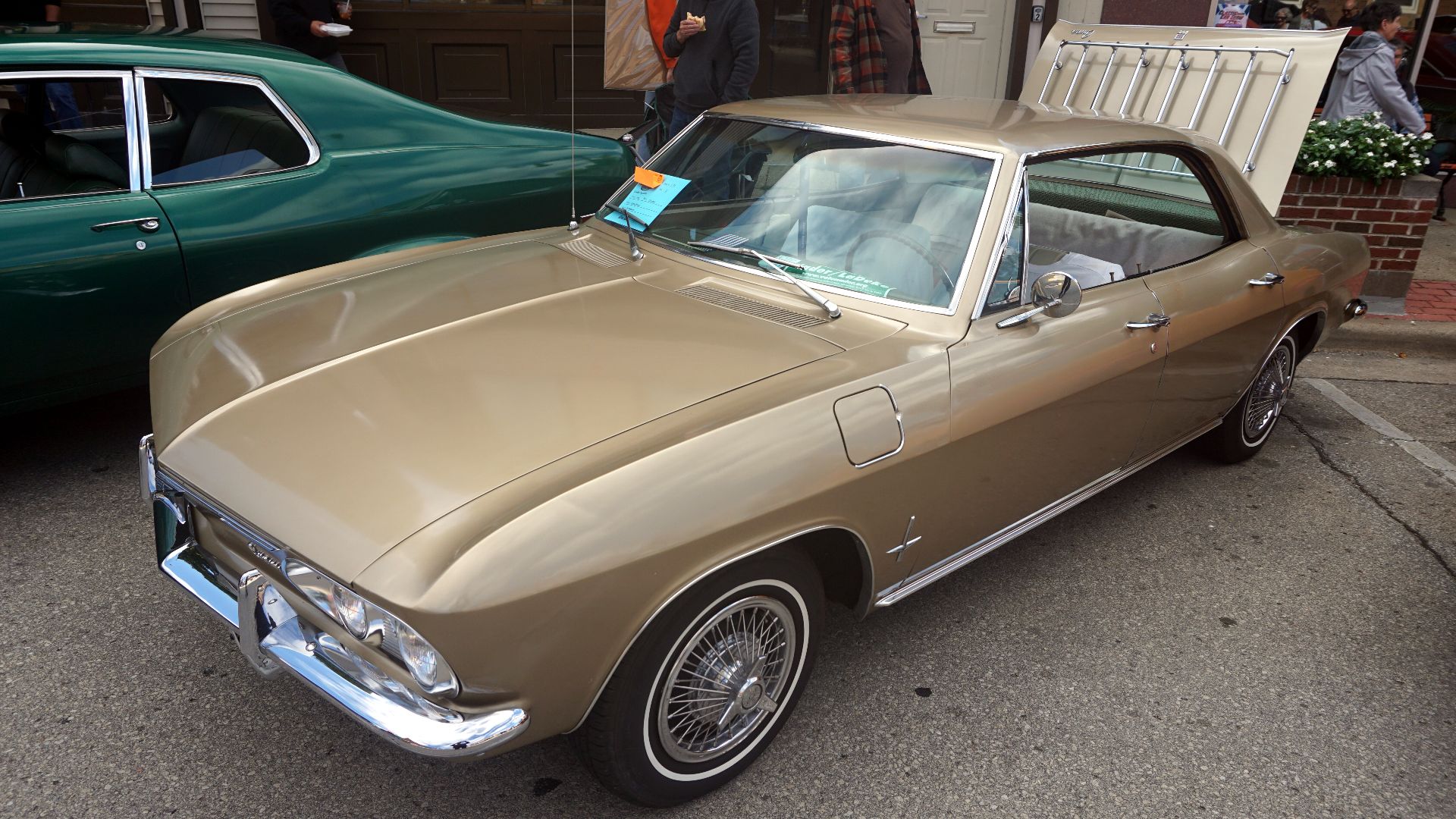
2. Chevrolet Corvair
The Corvair's rear-engine, swing-axle suspension could trigger sudden oversteer under certain conditions, especially with underinflated front tires. Ralph Nader made it the centerpiece of his 1965 book Unsafe at Any Speed, sparking congressional hearings on auto safety. GM redesigned the suspension that year, but the damage to its image was done.
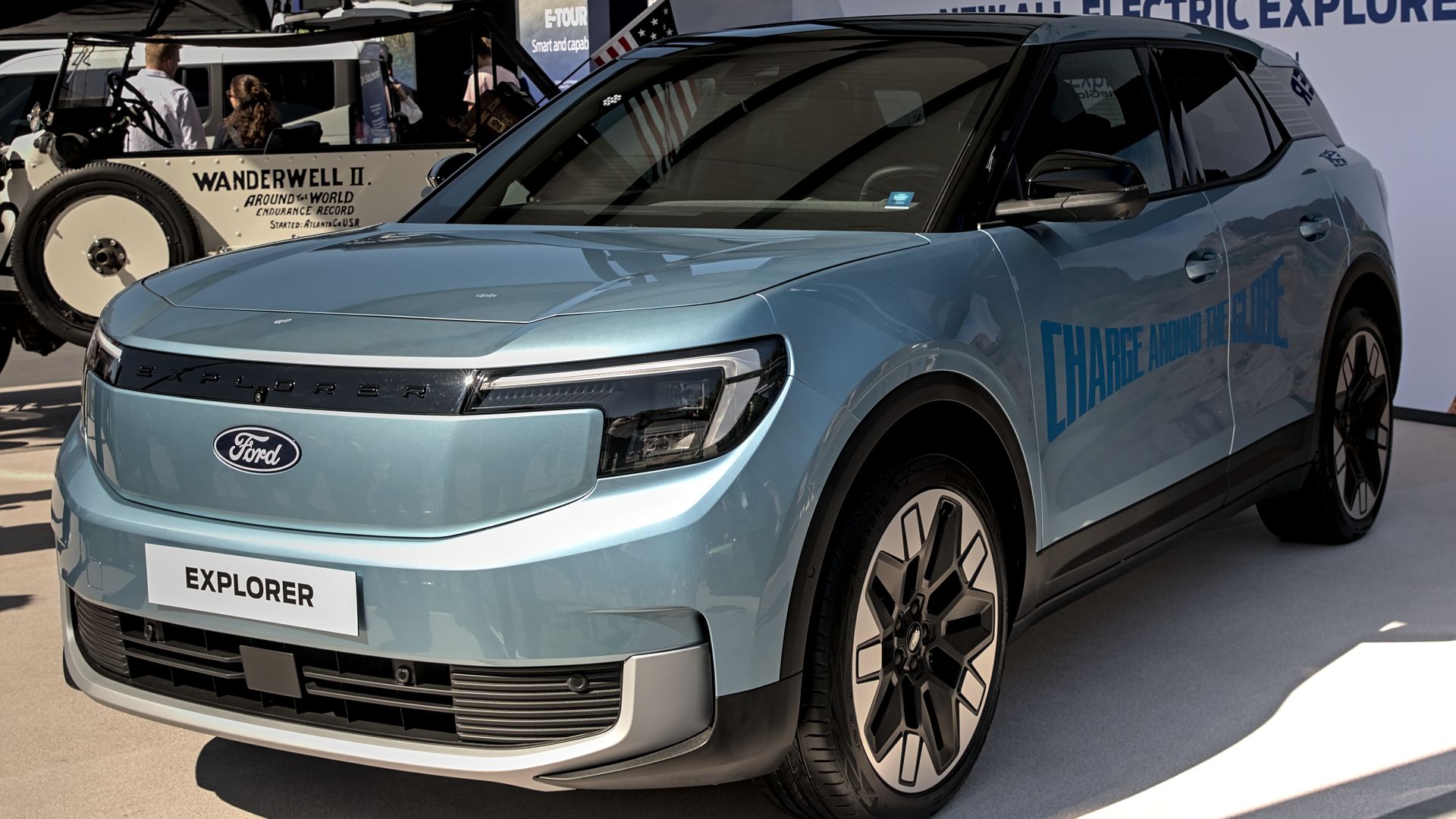
3. Ford Explorer & Firestone Tires
Certain Firestone tires fitted to 1990s Ford Explorers had a tendency toward tread separation at highway speed, especially in hot climates, which could send the top-heavy SUV rolling. The combination was linked to hundreds of deaths and triggered one of the largest tire recalls in U.S. history in 2000. Congress held hearings, and the fallout ended Ford and Firestone's long partnership.
4. Audi 5000
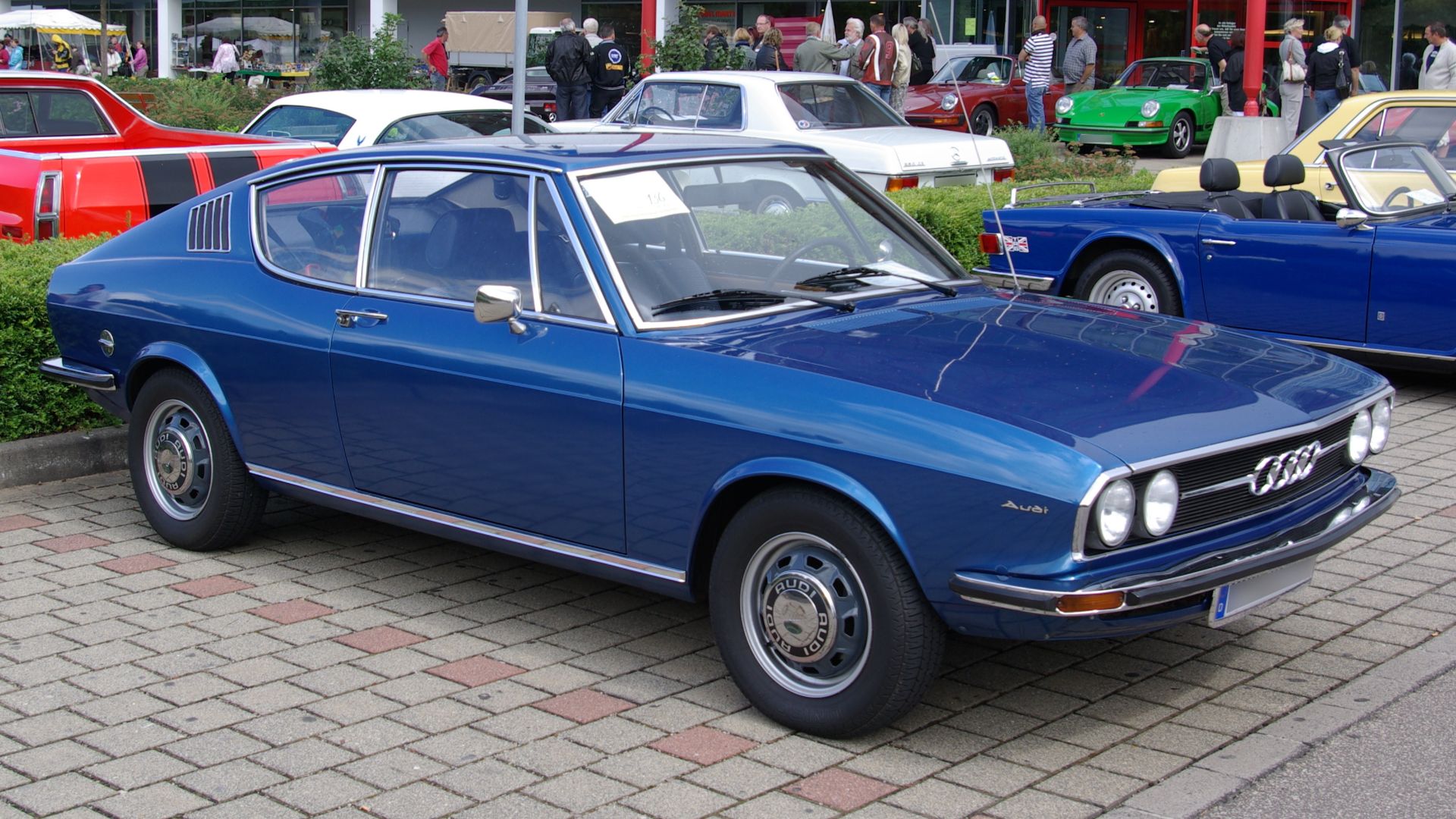
A wave of mid-1980s reports claimed the Audi 5000 would suddenly accelerate on its own, sometimes while drivers believed their foot was on the brake. A 1986 60 Minutes segment turned it into a national scare, and Audi's U.S. sales collapsed almost overnight. Later investigations pointed mostly to pedal placement and driver error, but the reputation stuck for years.
5. Suzuki Samurai
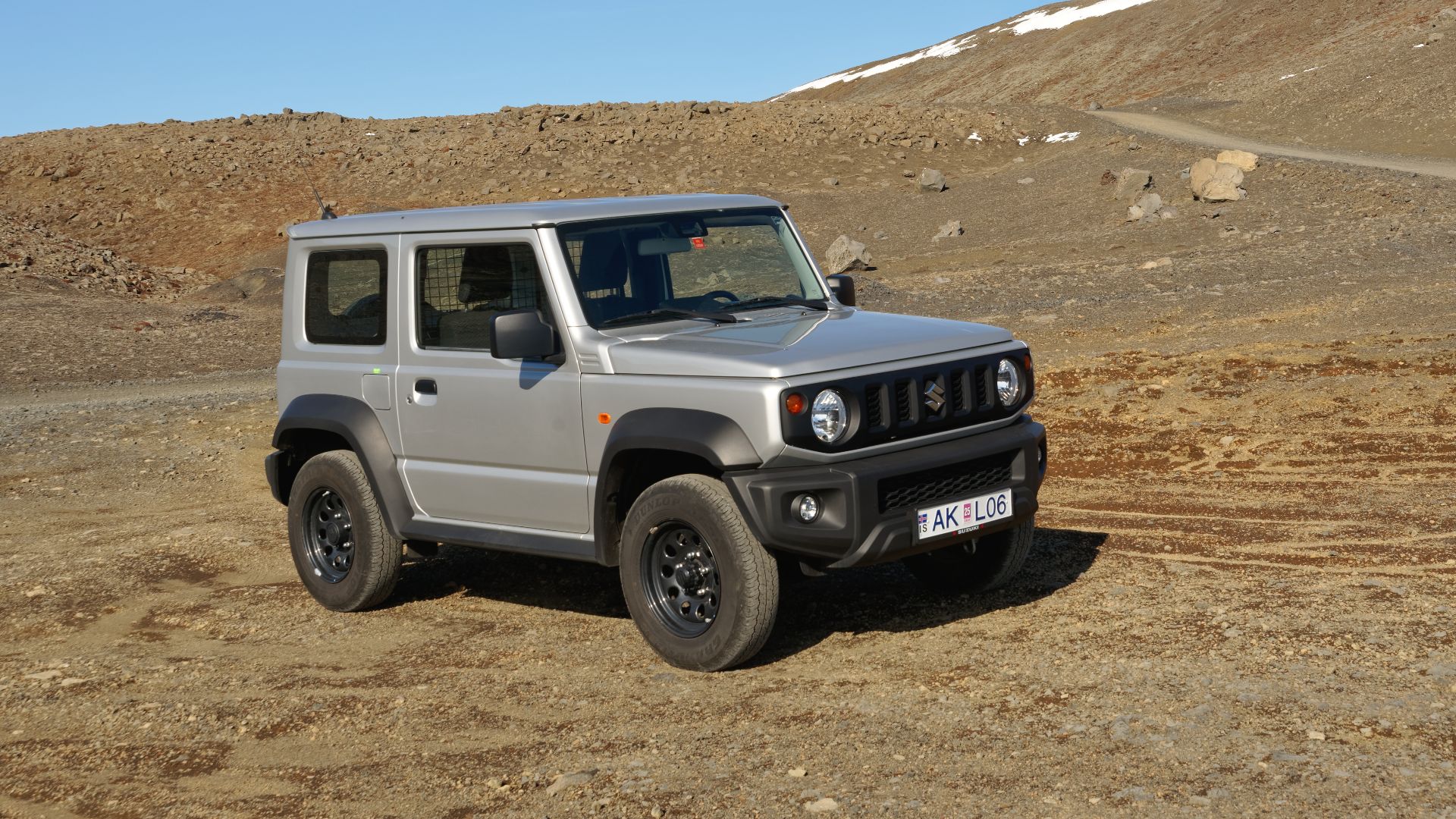
Consumer Reports published a 1988 test claiming the Suzuki Samurai could roll over during an ordinary turn, and the cover made sure everyone saw it. Suzuki sued for defamation, a case that dragged on for over a decade before settling. Sales of the small SUV never recovered.
6. Jeep CJ-5
Consumer Reports rated the Jeep CJ-5 "Not Acceptable" in 1980, citing rollover risk from its short wheelbase and high center of gravity. The rating triggered a string of lawsuits through the 1980s. American Motors eventually redesigned the lineup into the Wrangler, with a wider track meant to fix exactly this problem.
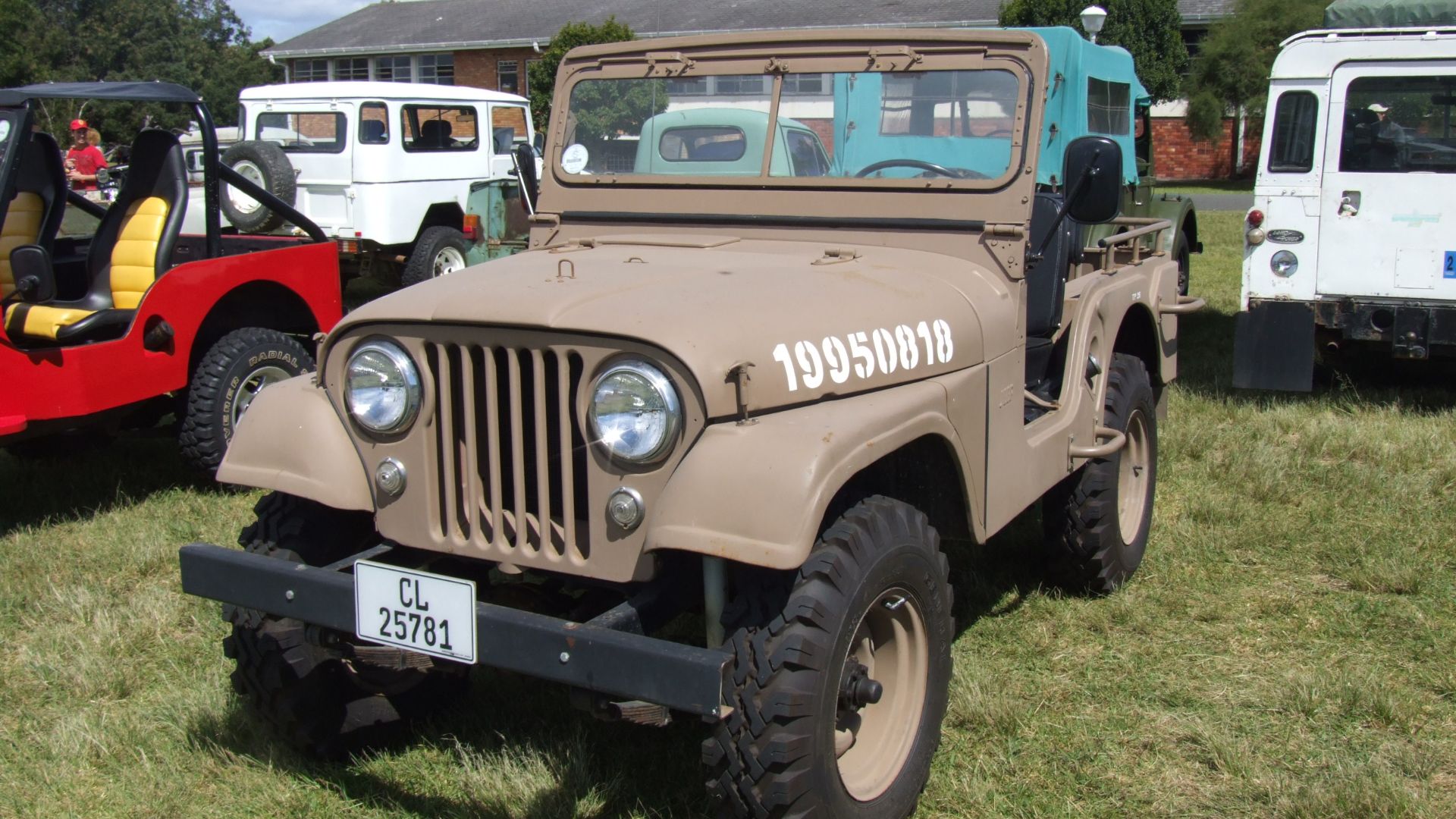 Bob Adams from George, South Africa on Wikimedia
7. Yugo GV
Beyond its reliability problems, the Yugo GV performed poorly in crash tests after its 1985 U.S. launch, raising real concerns about occupant protection. Reviewers regularly listed it among the least crashworthy cars sold in the country. It became something of a punchline, but the safety criticism was based on real test data.
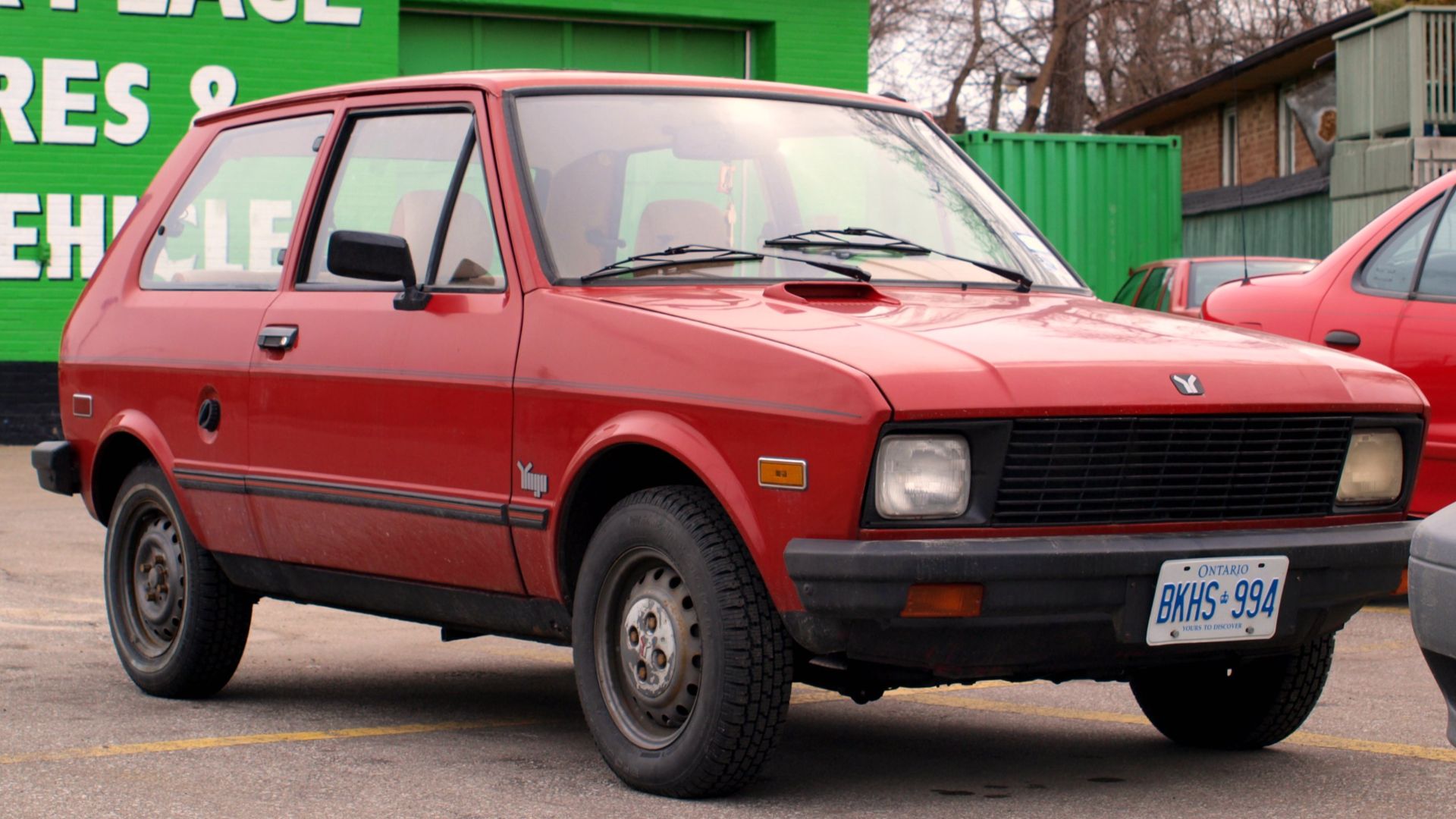 Michael Gil from Toronto, ON, Canada on Wikimedia
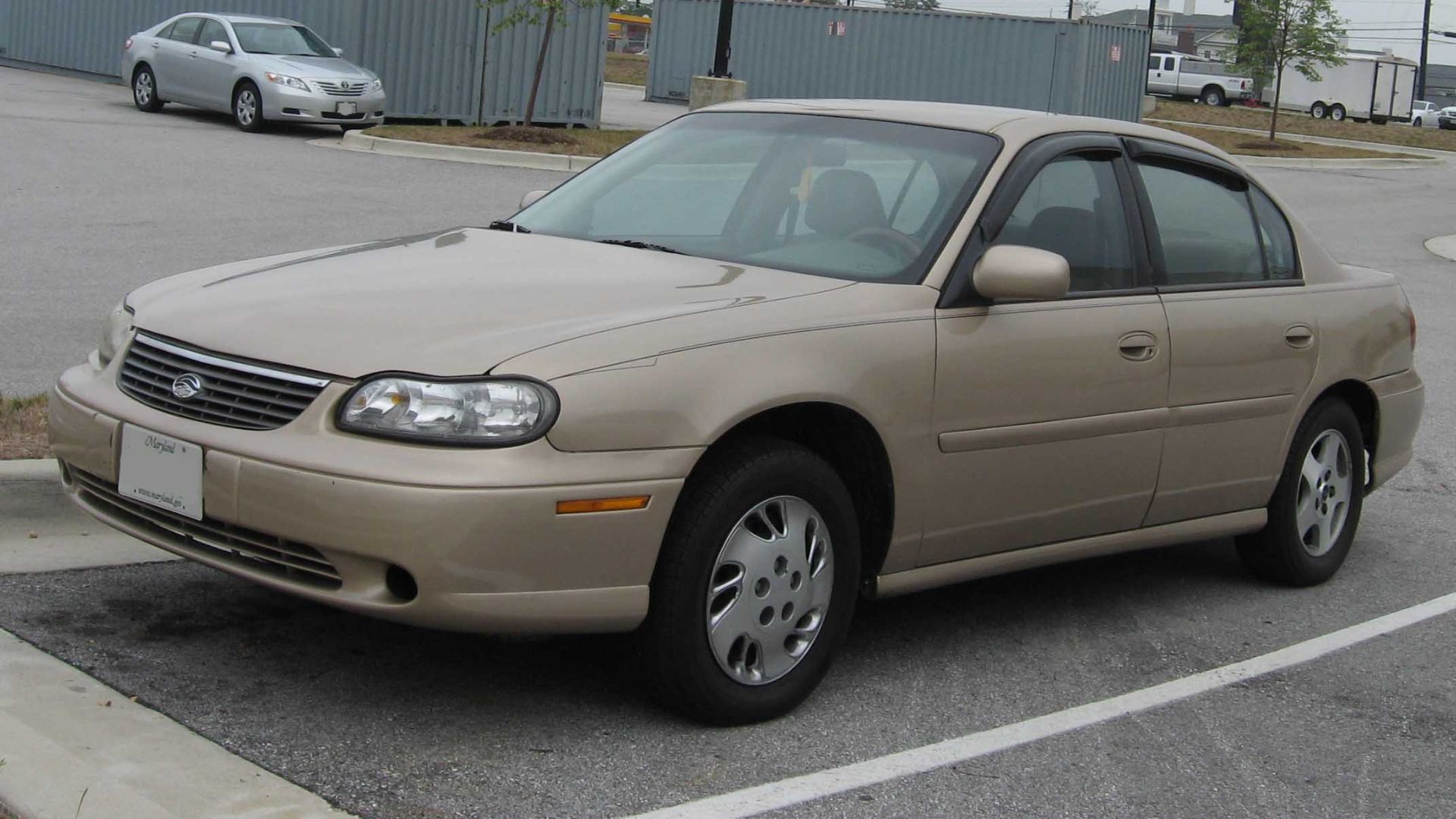
8. Chevrolet Malibu
A 1999 lawsuit revealed GM had calculated the cost of fuel tank fire lawsuits against the cost of a redesign for its rear-wheel-drive Malibu, a comparison that became infamous in court. A jury awarded a record-setting verdict, later reduced on appeal. The case became a textbook example of an internal memo turning into a public relations disaster.
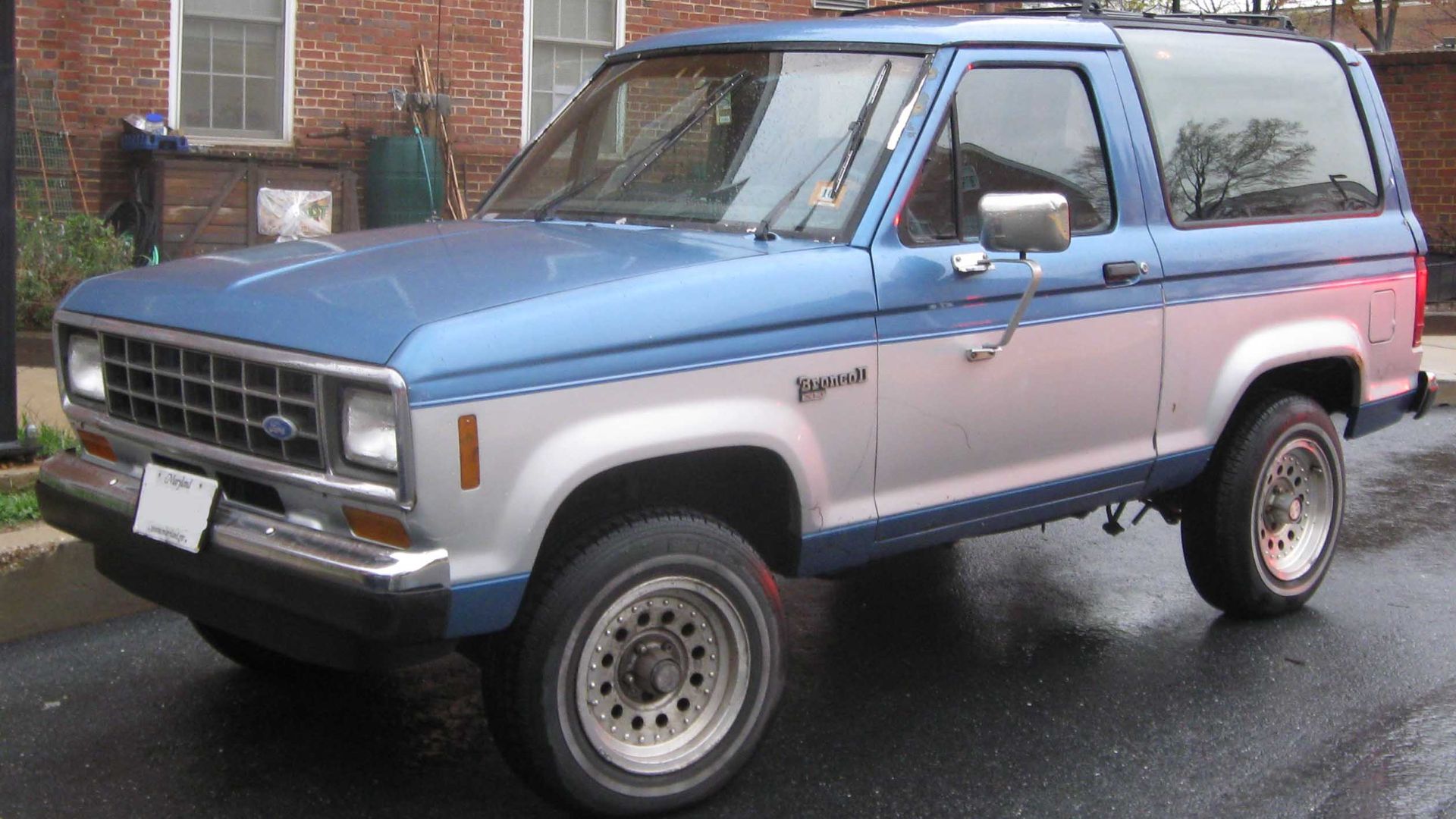
9. Ford Bronco II
The Bronco II's short wheelbase and high ground clearance gave it a rollover rate safety advocates flagged throughout the mid-1980s, well before its successor, the Explorer, ran into its own controversy. The Center for Auto Safety petitioned regulators over its stability. Ford discontinued the Bronco II in 1990 for a redesigned model on a wider frame.
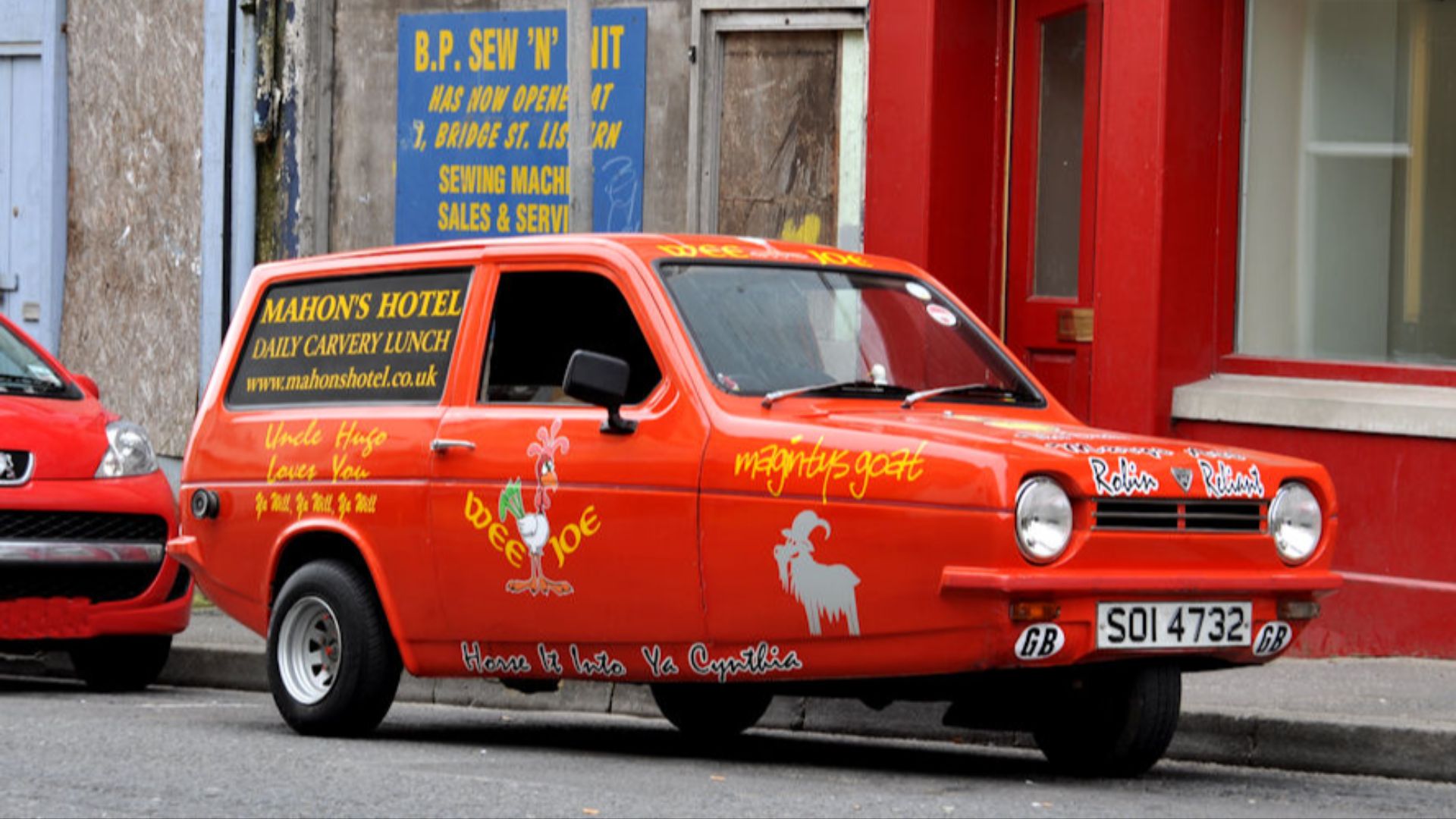
10. Reliant Robin
With one wheel up front and two in back, the Reliant Robin had a stability problem that made it prone to tipping during sharp corners, a trait British television turned into a running joke. The three-wheel layout technically classified it as a motorcycle under UK law, with looser safety requirements than a standard car. The reputation followed it until production ended in 2002.
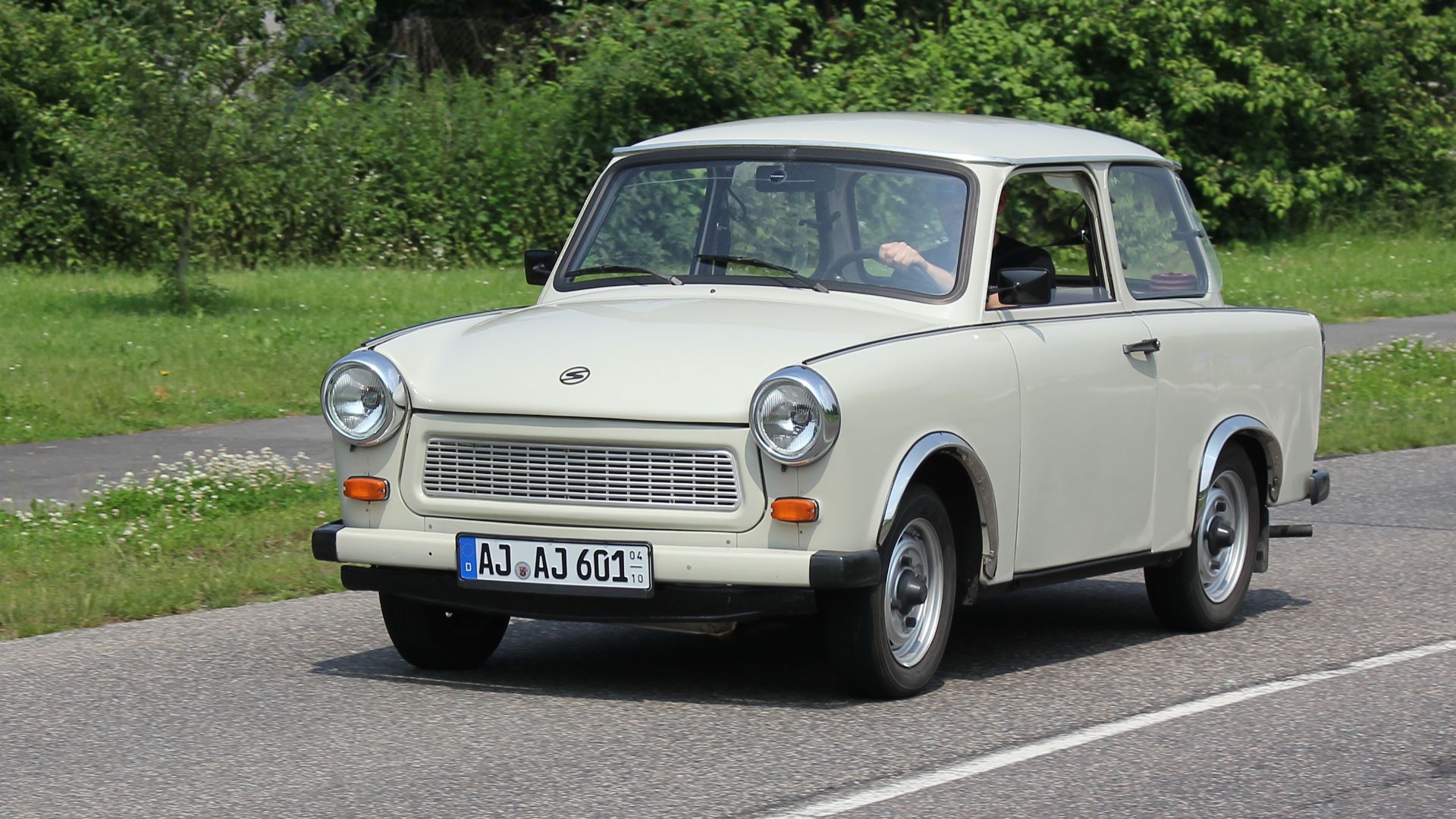
11. Trabant
Built with a body made largely of Duroplast, a resin-and-cotton composite chosen amid steel shortages in East Germany, the Trabant offered minimal structural protection by Western standards. When crash tests became widely available after German reunification in 1990, results confirmed what critics had long suspected. The car remains a beloved cultural symbol in parts of Germany today.
12. Renault Dauphine
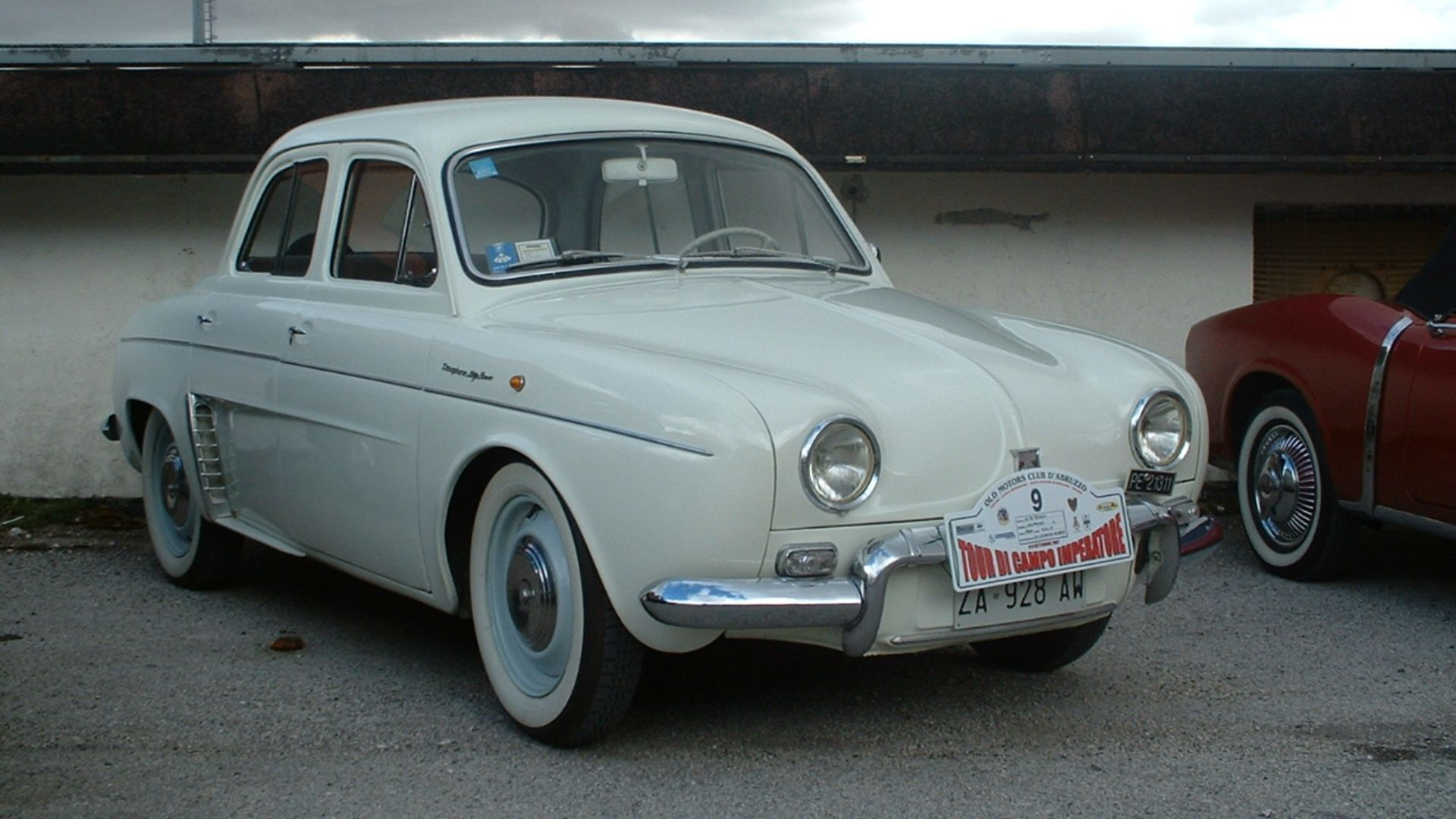
The Dauphine's soft suspension and light rear end made it notorious for unpredictable handling at highway speed, a trait American reviewers criticized after its late-1950s U.S. launch. It later showed up on more than one list of the worst cars ever built. Renault's American reputation took years to recover.
13. Isuzu Trooper
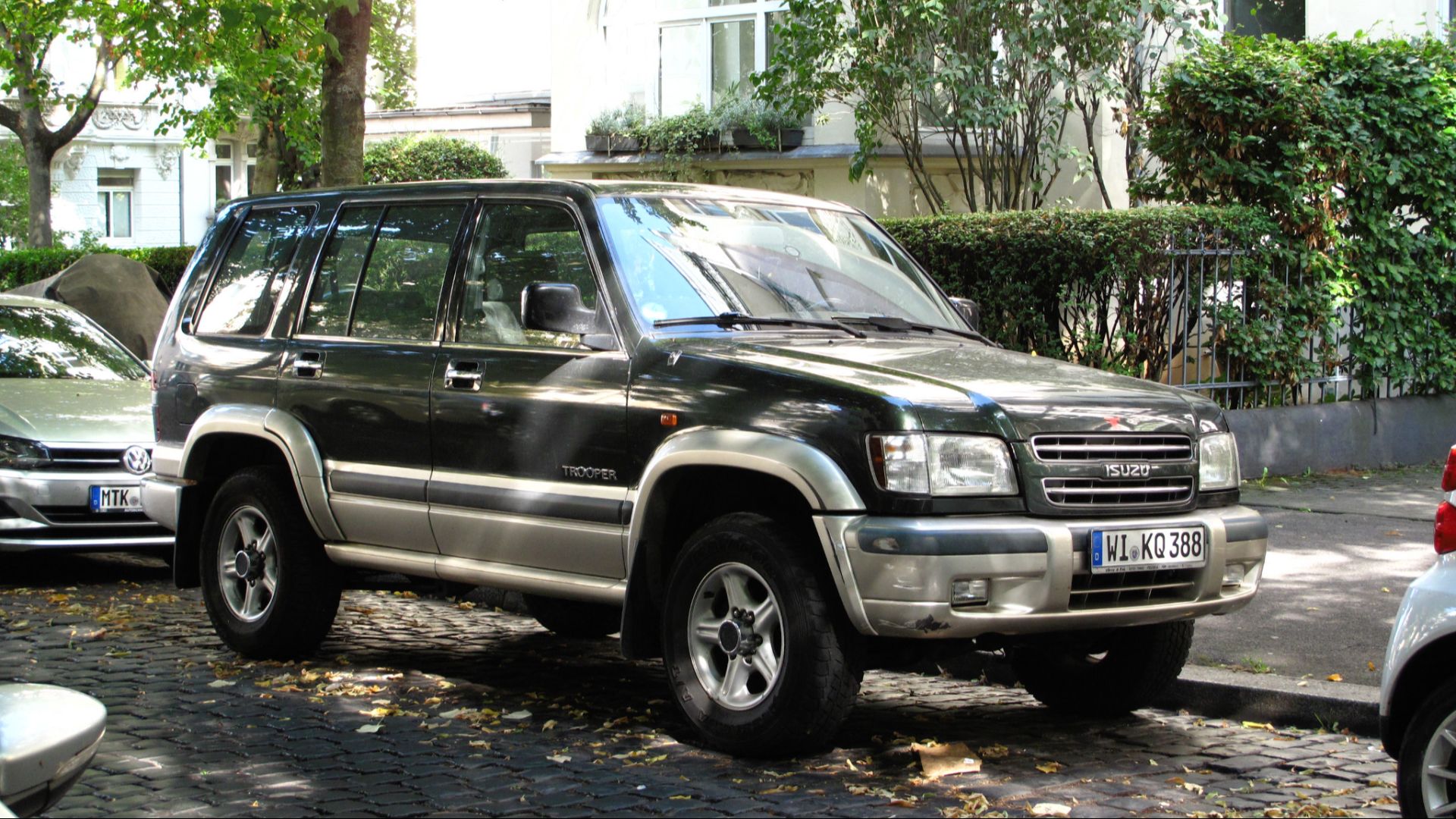
Consumer Reports flagged the Isuzu Trooper, along with its Acura-badged twin, for rollover risk in a 1996 test similar to the one that had targeted the Suzuki Samurai years earlier. Isuzu sued the magazine, and the fight stretched on for years before Consumers Union prevailed. Trooper sales never fully bounced back.
 Rutger van der Maar on Wikimedia
14. Volkswagen Beetle
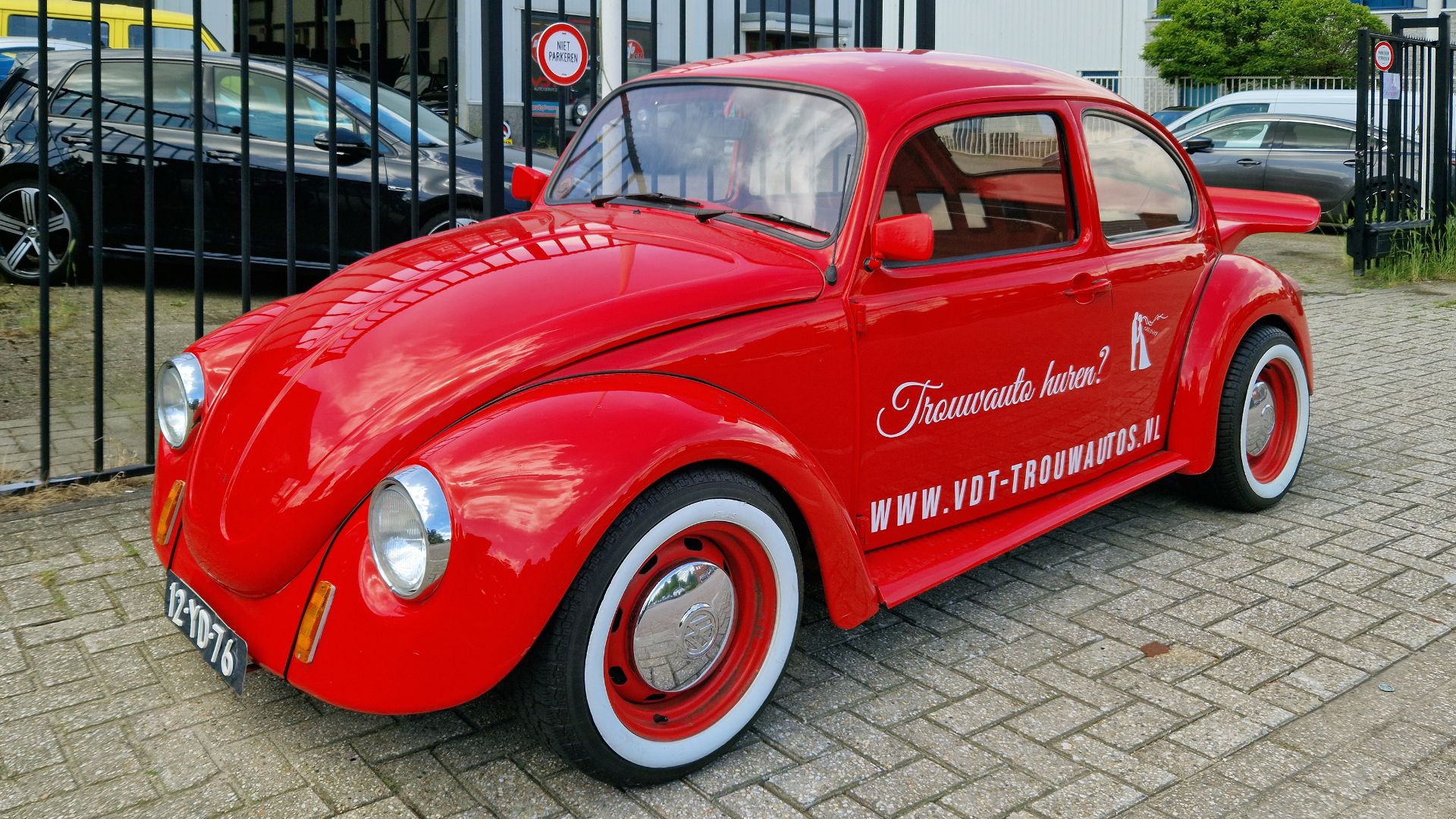
Ralph Nader singled out the Beetle's rear-engine, swing-axle design in Unsafe at Any Speed, arguing it shared the Corvair's oversteer tendencies. The car also lacked a proper crumple zone, with a fuel tank mounted in the front trunk near where a head-on impact would land. Millions of drivers loved it anyway, but safety advocates kept pointing out the same concerns.
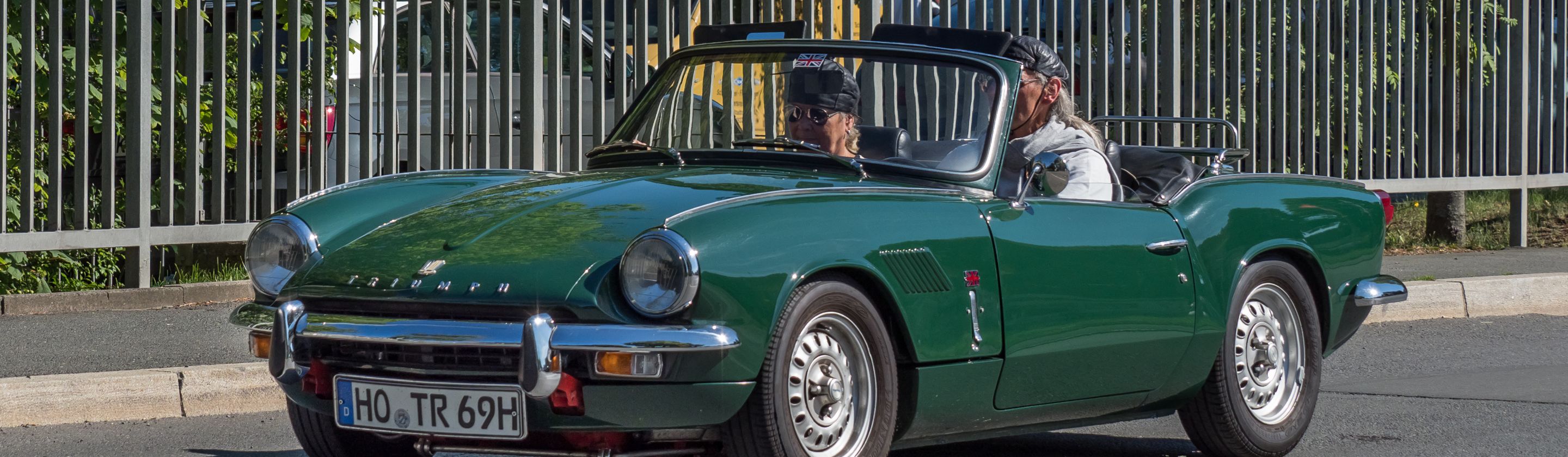
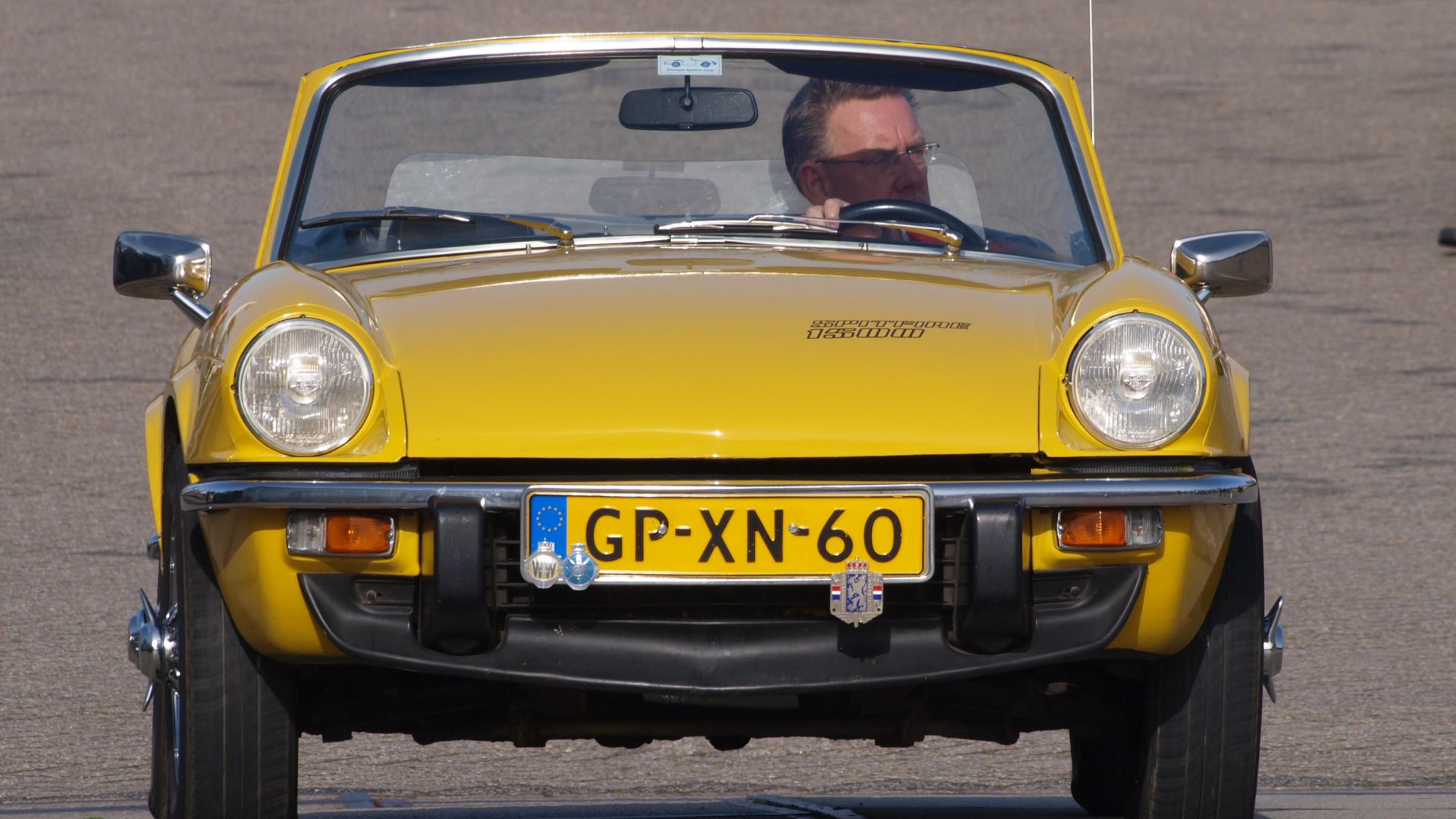
15. Triumph Spitfire
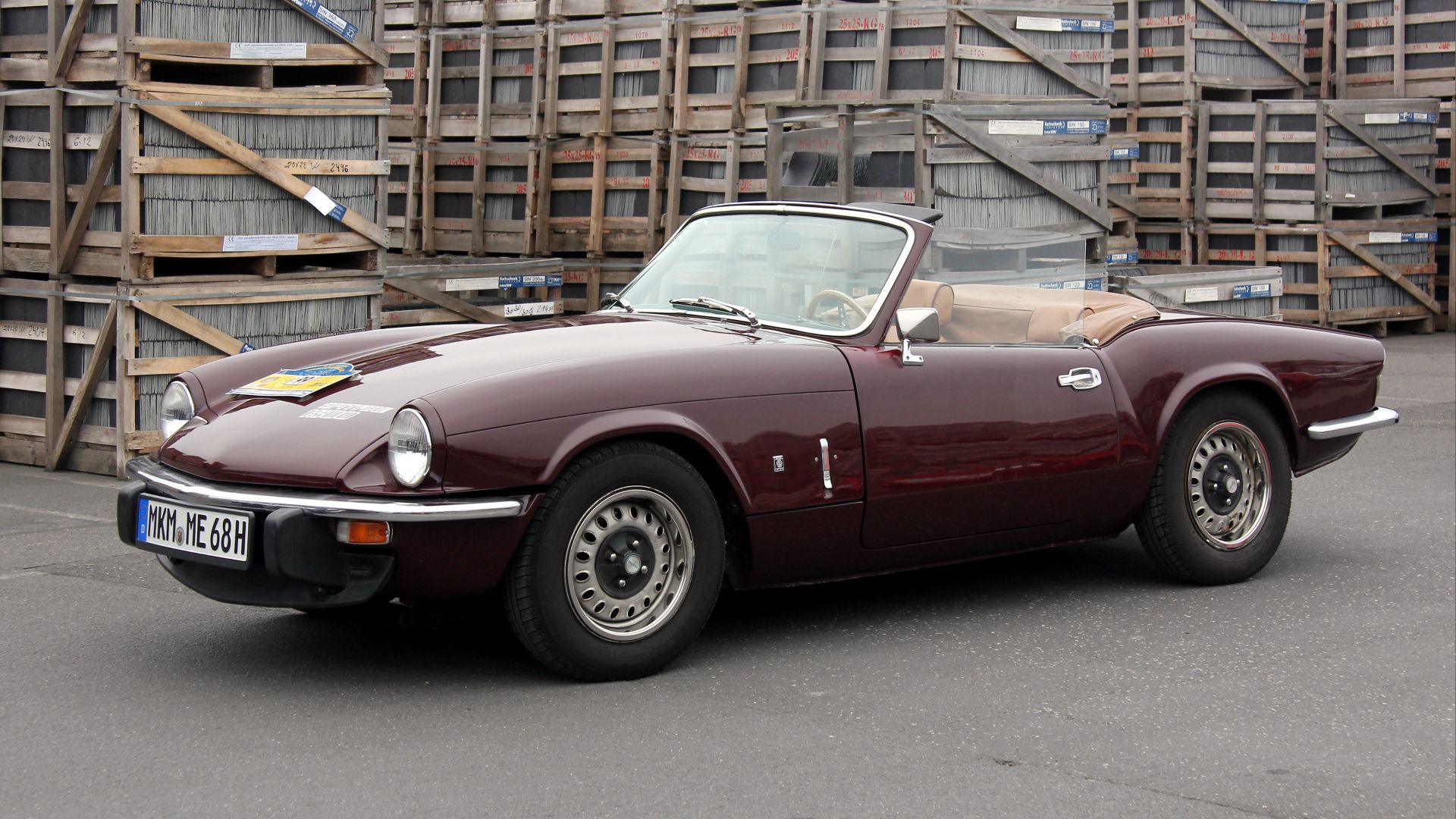
Like several small British sports cars of its era, the Spitfire used a swing-axle rear suspension that could tuck a rear wheel under the car during hard cornering, triggering a sudden spin. Period road tests noted the tendency near the car's handling limits. Later models addressed it with revised suspension geometry, but the early cars kept the reputation.
16. Porsche 930 Turbo
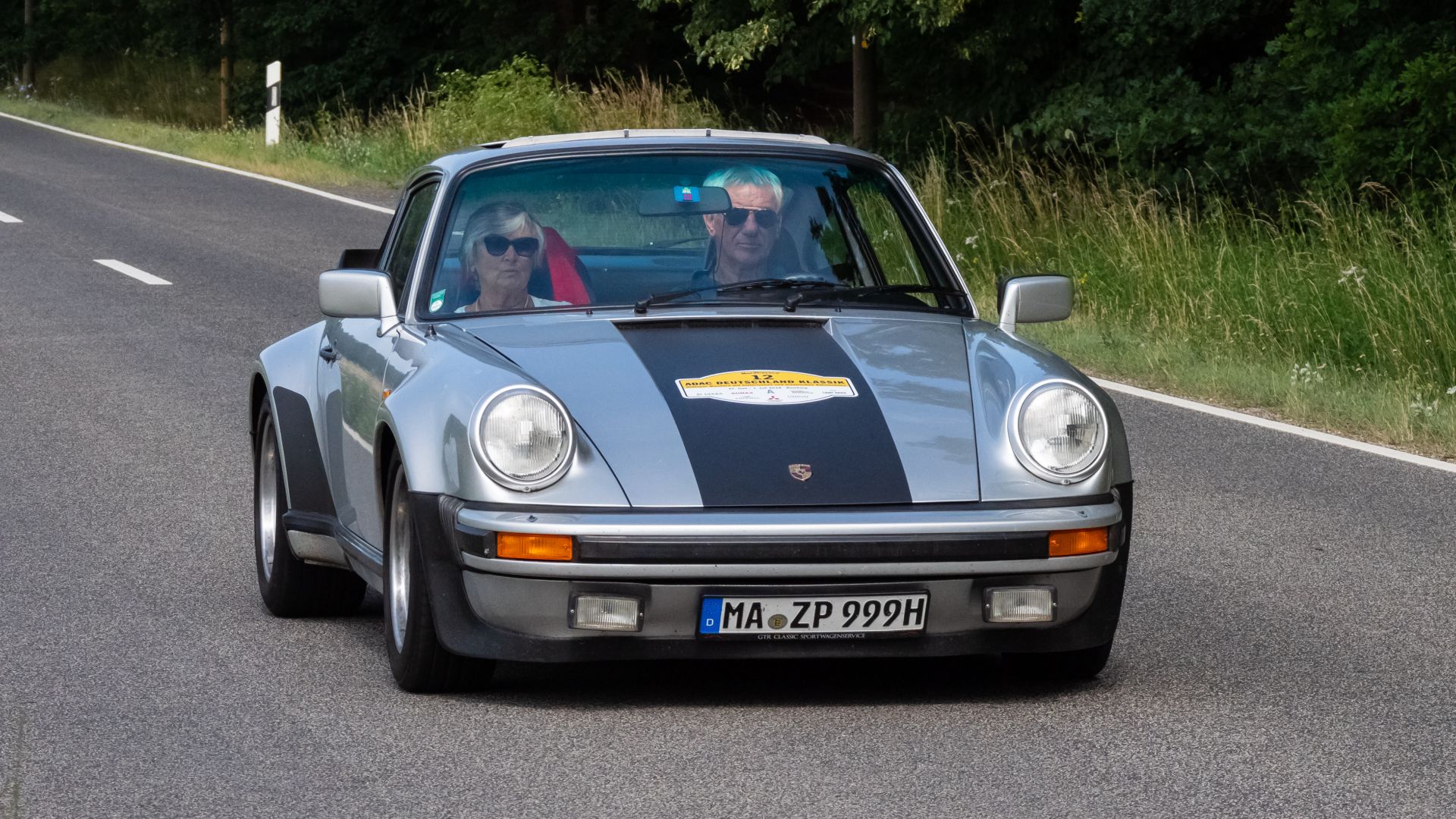
Turbo lag meant power arrived in a sudden rush, and the 930's rear-heavy weight distribution could turn a mistimed throttle lift into a snap oversteer that caught even skilled drivers off guard. The nickname "Widowmaker" stuck for years among enthusiasts. Porsche eventually widened the tires and refined the suspension, but the reputation had already become part of the car's mythology.
17. Peugeot 205 GTI
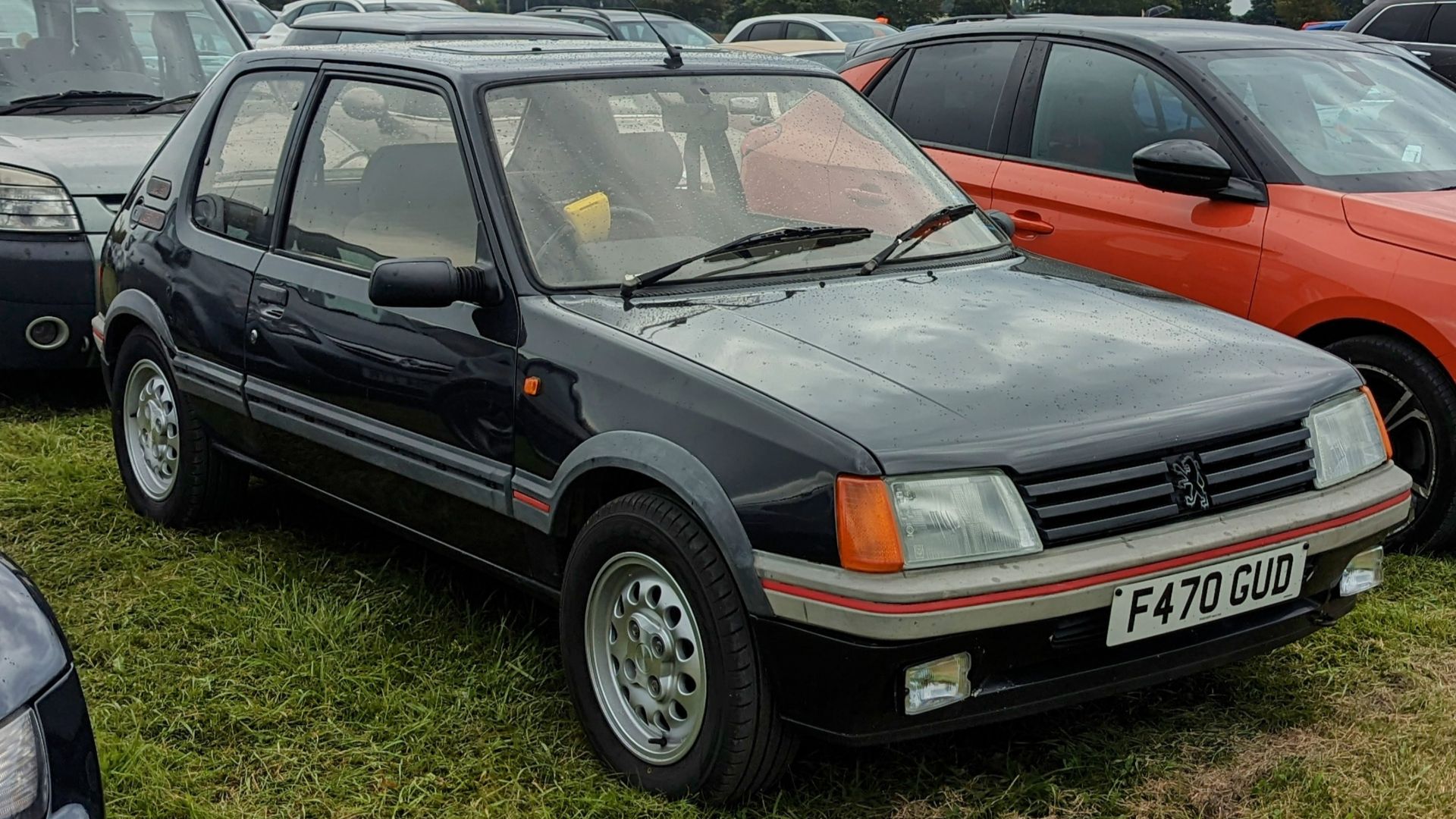
Praised for its sharp, responsive handling, the 205 GTI could also snap into sudden oversteer if a driver lifted off the throttle mid-corner, punishing inexperience. Insurance costs for young UK drivers climbed as a result, and the car earned a reputation as unforgiving at the limit. It remains a beloved hot hatch, just one that demanded real respect.
18. Chevrolet Citation
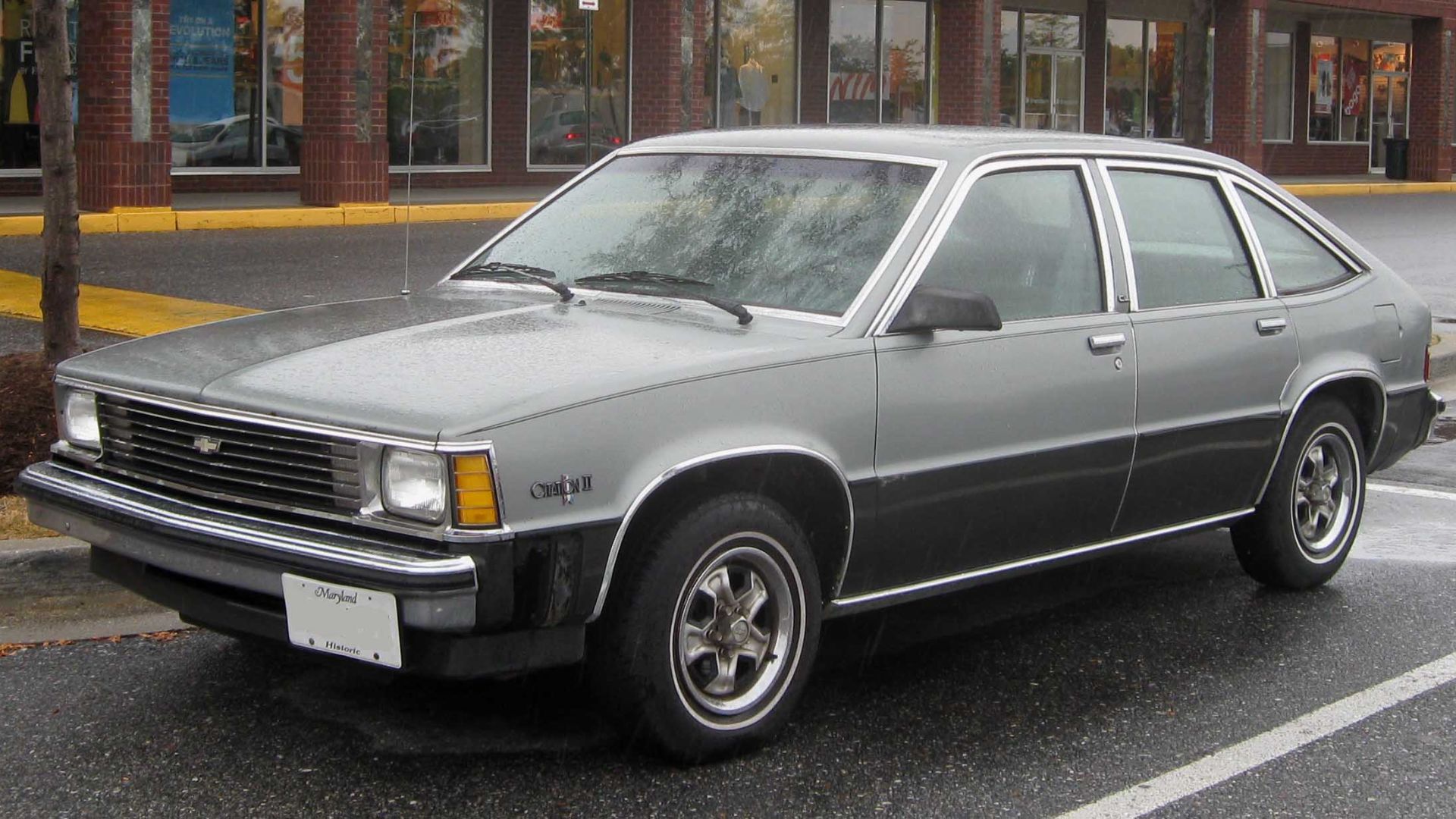
Federal regulators investigated the Citation's rear brakes locking up prematurely, a defect linked to skids and loss of control during hard braking. The scrutiny piled on top of other mechanical complaints through the early 1980s. GM replaced the once best-selling Citation within just a few years.
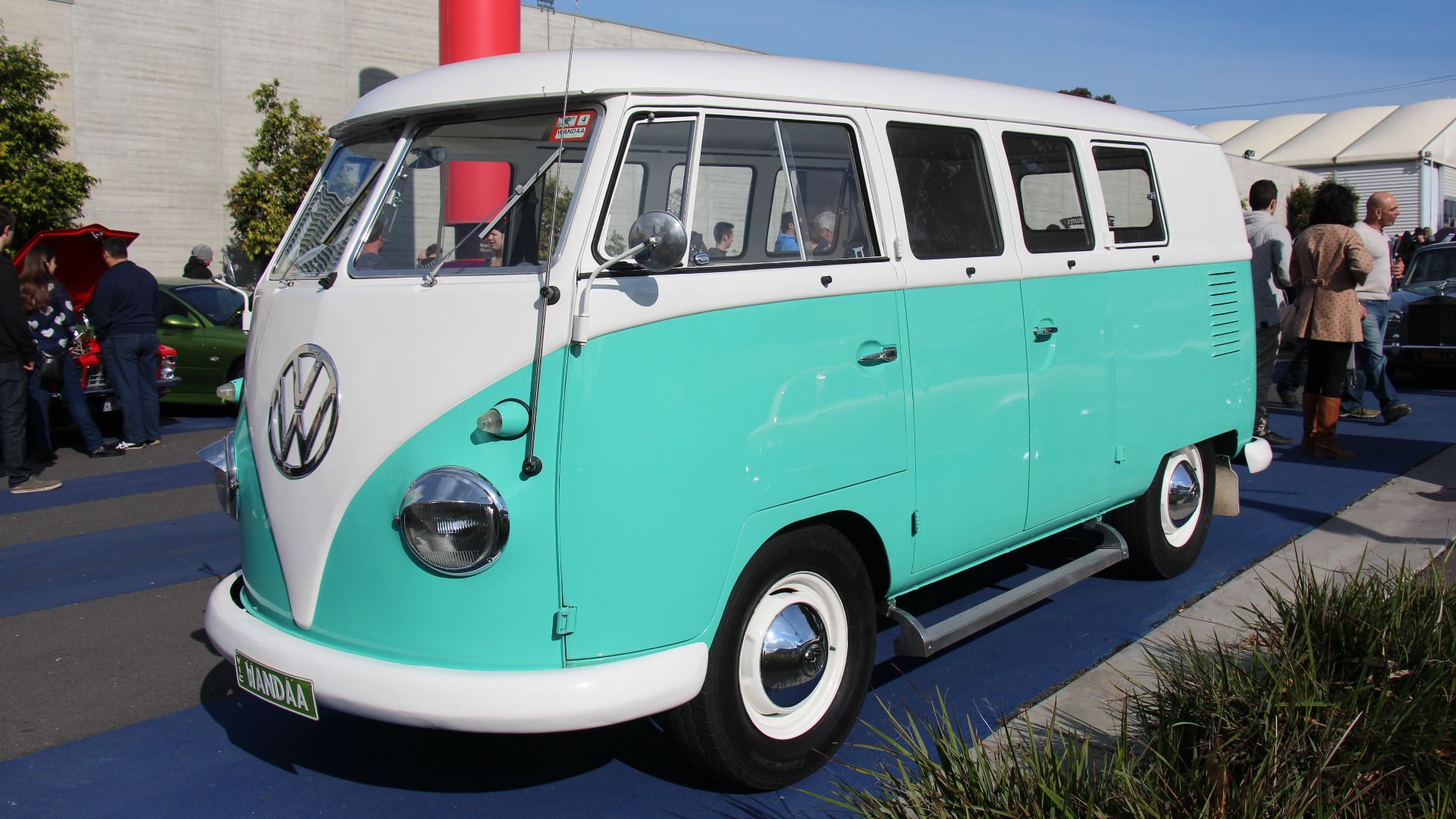
19. Volkswagen Microbus (Type 2)
With the driver seated almost directly above the front bumper and no engine block ahead to absorb impact, the Microbus offered little protection in a frontal collision compared to a conventional car. Safety advocates raised the issue for years, and later crash test footage made the concern visible to anyone watching. The Microbus's charm kept it beloved anyway.
20. Chevrolet C/K Pickup (Sidesaddle Tanks)
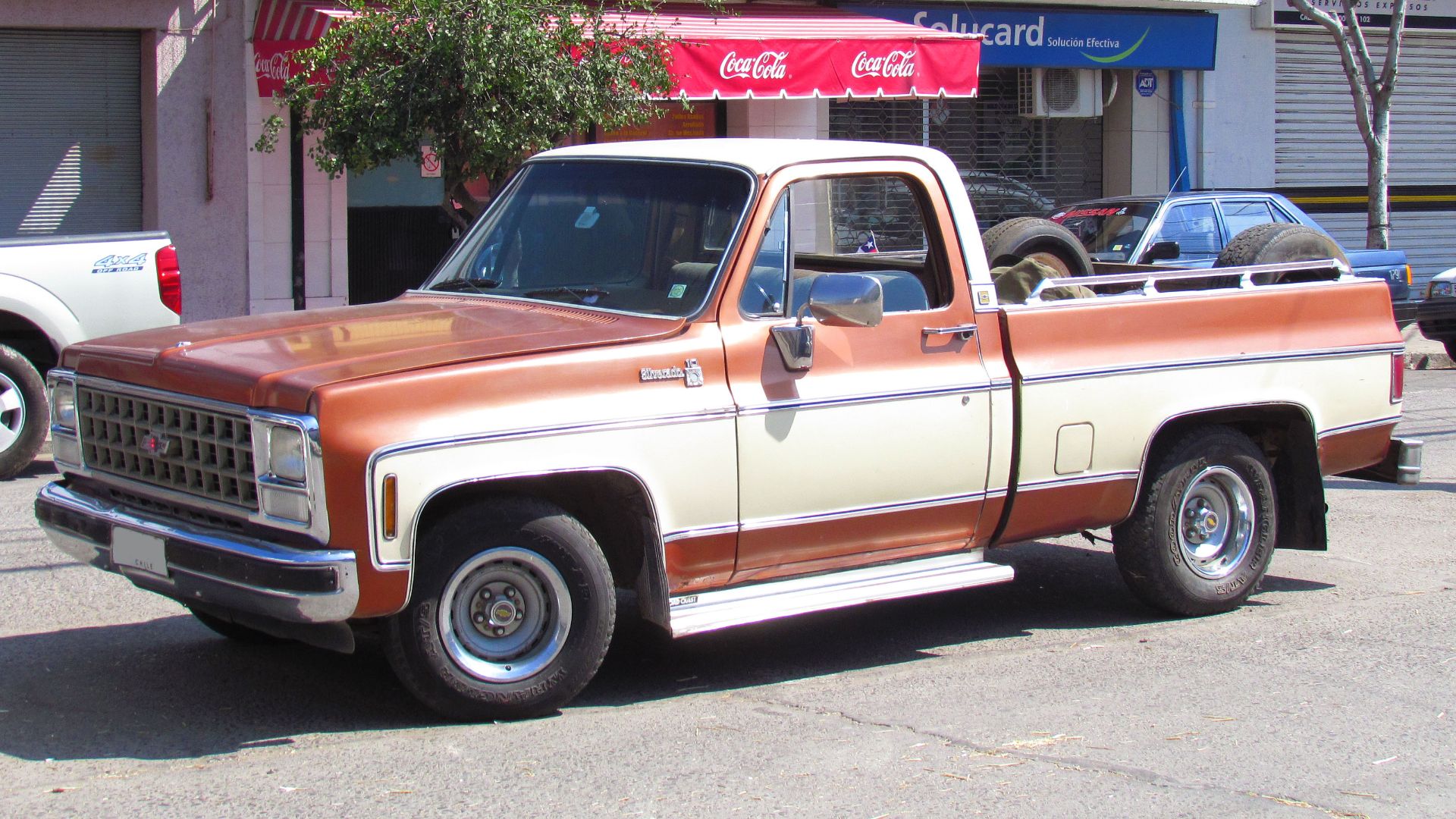
GM's full-size pickups from the 1970s and 1980s used fuel tanks mounted outside the frame rails, leaving them more exposed in a side-impact collision than tanks mounted inside the frame. A 1992 NBC Dateline segment staged a crash with hidden incendiary devices to exaggerate the fire risk, overshadowing legitimate safety questions raised elsewhere. GM ultimately paid tens of millions to settle related lawsuits without a full recall.