Not Just Any Highway: All The Rules You Have To Be Wary Of When Driving Down The Autobahn
Not Just Any Highway: All The Rules You Have To Be Wary Of When Driving Down The Autobahn
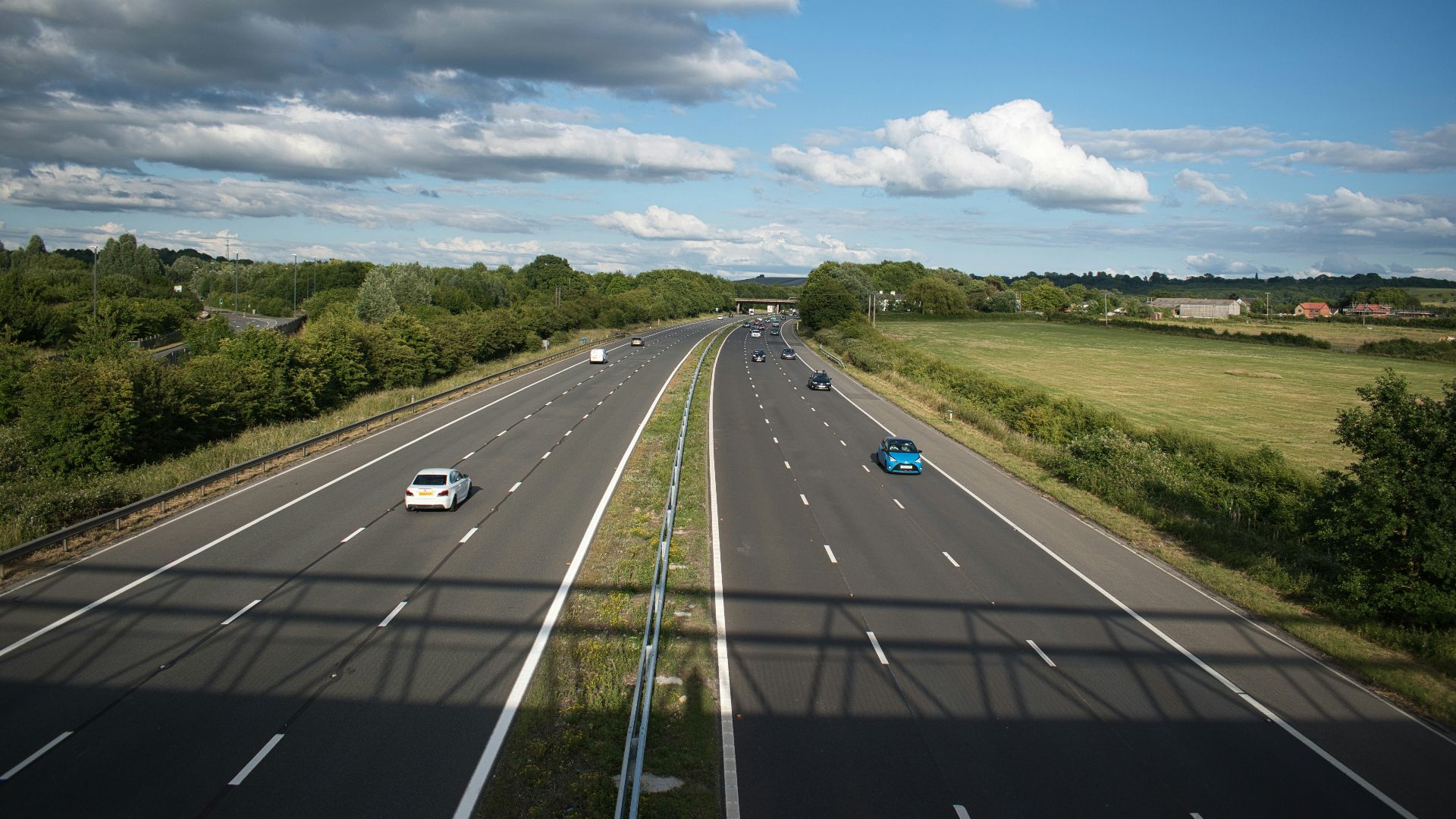
Ask any car lover about their dream drive, and the German Autobahn usually makes the list. It’s the highway known for breathtaking speeds, sleek precision, and that unique sense of freedom that most roads can’t offer. Movies and travel videos often make it look wild, but in reality, the Autobahn runs on discipline. Its smooth flow depends on rules that drivers treat almost like unspoken vows. Break them, and that freedom can turn dangerous fast.
So, before you rent a car and imagine yourself flying past the countryside, make sure you know what you’re stepping into. Would you keep your cool at 200 kilometers an hour, or find your heartbeat racing along with the engine? Let's dive in!
Myths And Facts About Speed
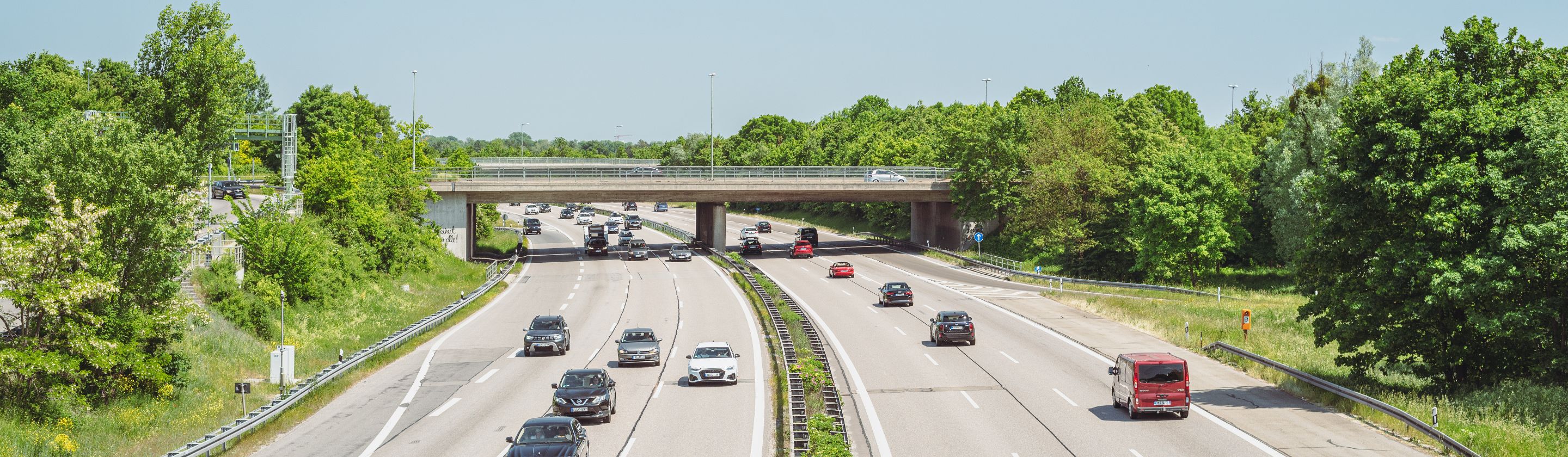
The Autobahn’s biggest myth is that it has no speed limits. While that’s partly true, not all of it is open for fast‑lane freedom. About 30% of the highway requires speed limits ranging from 80 to 130 kilometers per hour, especially near cities, construction zones, and areas prone to congestion.
On unrestricted sections, there’s still an advisory limit—the “Richtgeschwindigkeit”—suggesting drivers stay near 130 km/h. It’s not mandatory, but it’s more than friendly advice. In the event of a crash, going far above that can shift liability toward you, even if the other driver caused the accident. Germany’s system combines liberty with careful accountability, and every driver is expected to use good judgment.
Lane Etiquette And Discipline
The Autobahn’s structure depends on cooperation. The right lane is for steady driving, while the left is reserved strictly for overtaking. Lingering in the overtaking lane is frowned upon and can lead to fines. If you see headlights flashing behind you, it’s a signal that someone faster is coming—move back to the right as soon as it’s safe. Drivers constantly check mirrors and anticipate what others are about to do.
This discipline isn't just courtesy—it's enforced. Tailgating is one of the most heavily enforced violations. Cameras and police patrols monitor following distances, and penalties can be serious. Passing on the right is illegal unless traffic crawls, and every lane change requires a blinker. At first, these expectations might seem rigorous, but they build trust among drivers who share a highway capable of extraordinary speeds.
Rest, Readiness, And Responsibility
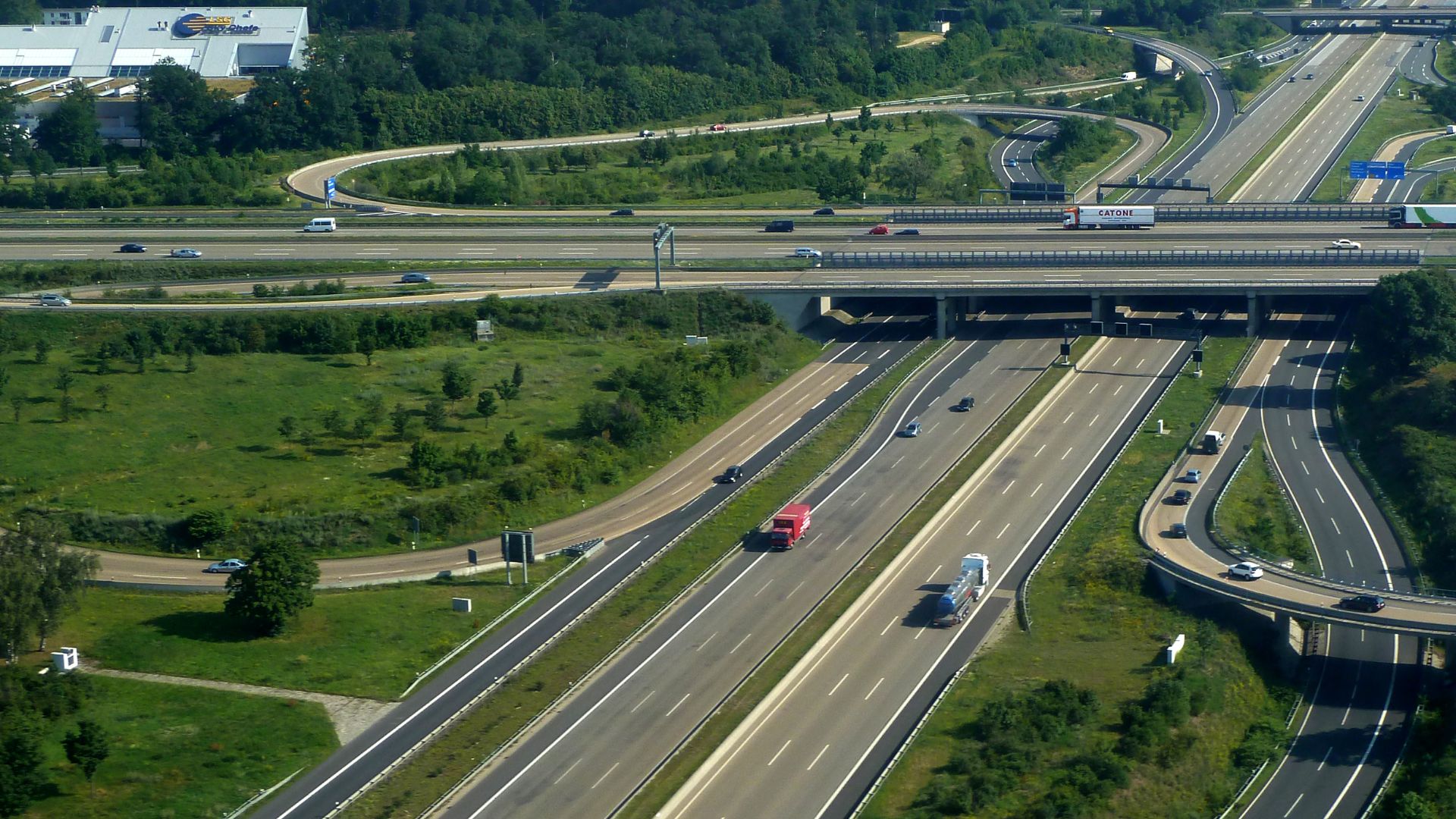 Vladislav Bezrukov on Wikimedia Commons
Long stretches of the Autobahn have rest stops called “Raststätten” or smaller ones called “Parkplätze.” They appear frequently, encouraging drivers to stop and recover from fatigue. Falling asleep at the wheel is preventable neglect. Staying alert is part of the responsibility that comes with freedom.
What sets the Autobahn apart isn’t the absence of limits; it’s the collective respect for structure. High performance without chaos exists only when everyone plays their part. The road rewards precision, awareness, and calm confidence. So when you finally get your chance to drive there, remember—it’s not about proving how fast you can go, but how well you can handle the privilege of speed.