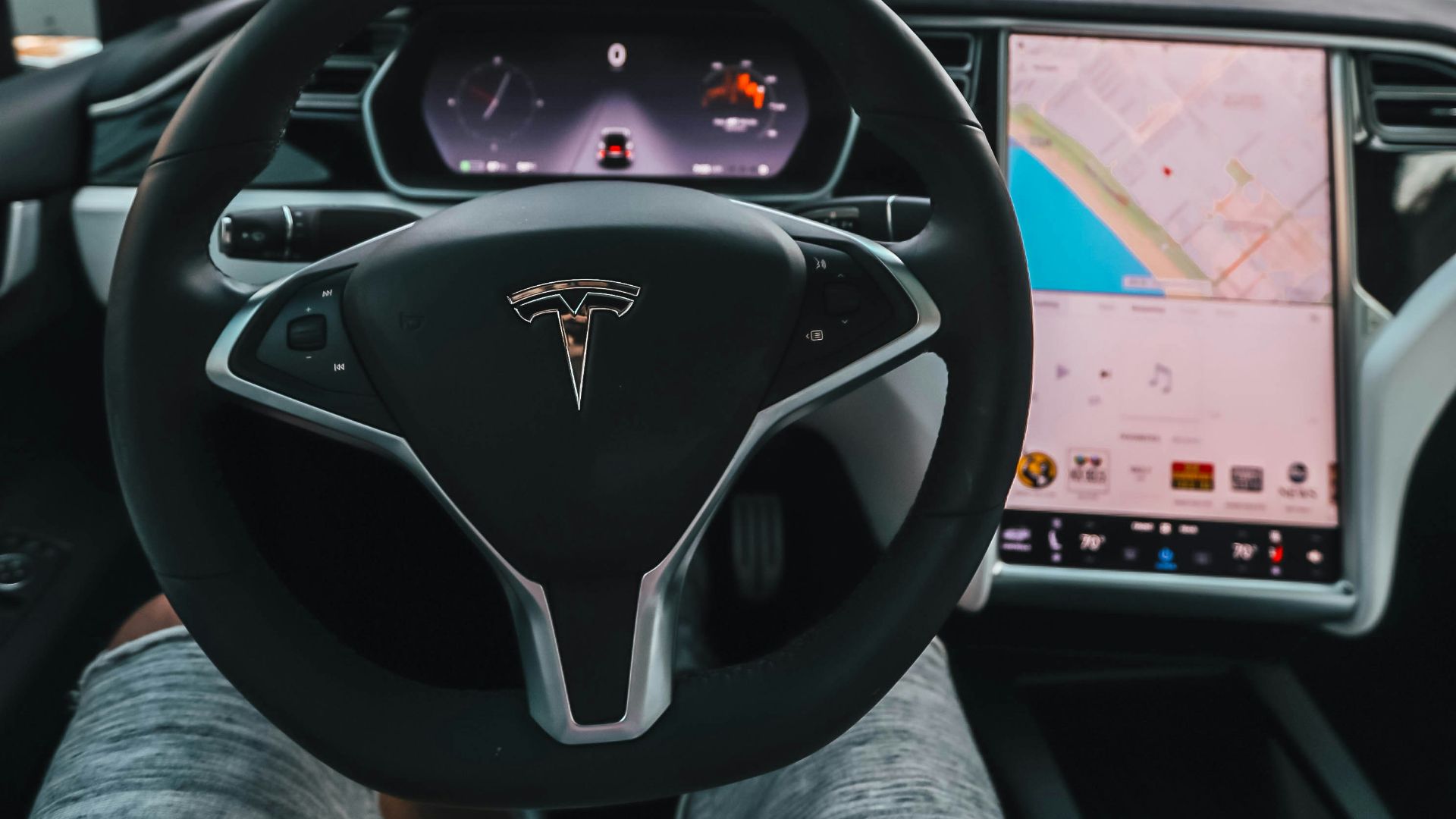
The dream of relaxing in the backseat while a computer navigates through heavy traffic is no longer a scene from a science-fiction movie. You can see these sleek, sensor-laden vehicles roaming the streets of major cities right now, promising a future of fewer accidents and more free time. However, as the novelty begins to wear off, many people are starting to realize that putting an algorithm in charge of a two-ton machine is a bit more daunting than first imagined. It is one thing to trust a calculator with your taxes, but it is a whole different story when trusting a motherboard with your life at sixty miles per hour.
Despite the impressive leaps in artificial intelligence, the transition from human drivers to digital ones has not been as smooth as tech companies predicted. You have likely seen headlines about unexpected braking or confusing interactions with emergency vehicles that leave onlookers scratching their heads. While the goal is to make roads safer, the “uncanny valley” of autonomous driving, where cars act almost human but not quite, creates a unique kind of anxiety for everyone sharing the pavement. Exploring the glitches and ethical dilemmas behind this technology reveals why some people are not quite ready to hand over their car keys just yet.
The Problem of Digital Indecision
The unpredictable nature of autonomous vehicles when presented with “edge cases” they have not explicitly been programmed to handle is another truly hair-raising experience. There is an expectation to slam on the brakes when an innocuous object appears to be floating in the road. But what happens when a car mistakes a plastic bag blowing in the wind for a stationary object? Self-driving vehicles use rows upon rows of cameras and photodiodes to sense their environment, but they can be thrown off by something as simple as a shadow or unexpected weather phenomenon. Computers do not handle ambiguity well, so their response is often to lurch forward or jerk to a sudden stop.
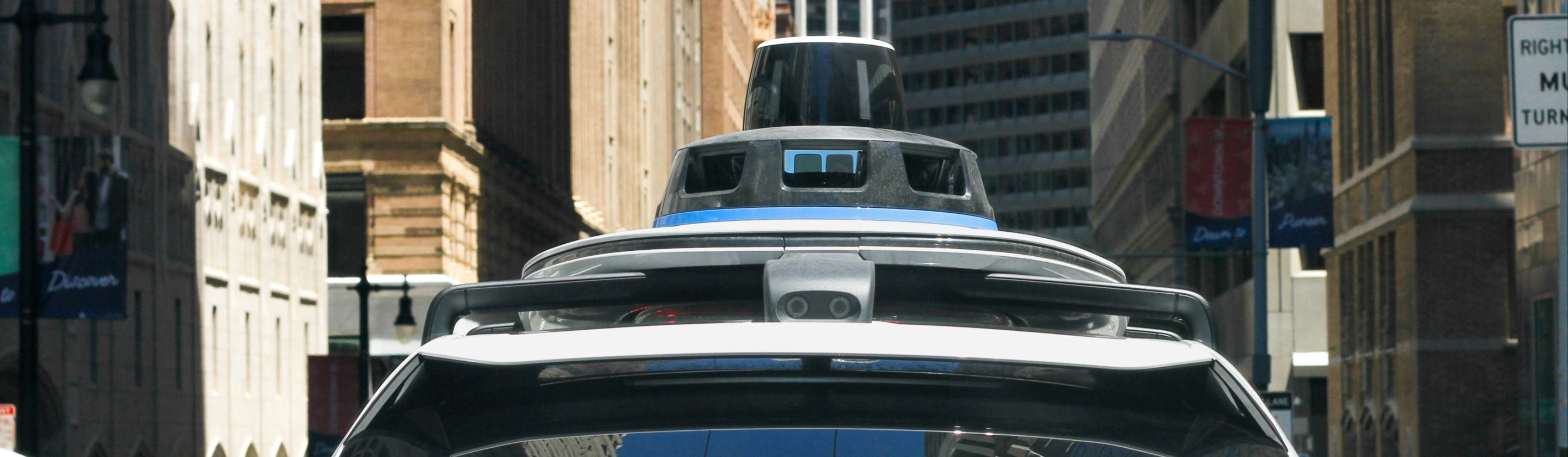
As a pedestrian, there is a natural expectation of some sort of acknowledgement from a driver before crossing in front of a car. That kind of consideration does not exist with a rotating LIDAR mount protruding from a vehicle’s roof. In the absence of social conventions like eye contact or a quick head nod, cyclists and pedestrians are forced to wait with bated breath, hoping the car’s systems actually register their presence.
Cars receiving software updates “over-the-air” that alter driving behavior overnight is another reason these vehicles can feel frustrating. One day a turn may feel normal, and the next morning the car may handle it differently, taking corners too quickly or too cautiously. Or a vehicle may begin following the car ahead more closely than expected. While these updates are implemented with the intention of safety, they reduce consistency. There is something deeply anxiety-inducing about riding as a passenger in a system that is effectively learning on the job.
Cybersecurity and the Ghost in the Machine
The idea of a car being “unhackable” is a comfort that modern technology cannot fully provide. Since these vehicles are essentially rolling computers connected to the internet, they are potentially vulnerable to remote interference from bad actors. One can imagine the chaos if a hacker gained control over a fleet of taxis or altered navigation systems for private commuters. While engineers work tirelessly to build robust firewalls, the stakes are incredibly high when a software breach can translate into physical danger on a massive scale.
Data privacy is another significant concern that is often overshadowed by the flashy hardware of autonomous driving. These vehicles are constantly recording high-definition video of their surroundings and tracking movement to improve navigational systems. This wealth of information is valuable to corporations, but it also means there is a permanent record of where someone goes and who they are with. It is unsettling to consider that a vehicle may know more about daily habits and frequent destinations than close friends or family members.
Even without malicious intent, system glitches can lead to “ghost” behaviors that are difficult for technicians to diagnose or replicate. There are stories of autonomous cars clustering together and blocking intersections for no clear reason, acting like a confused herd of robotic cattle. These localized outages can paralyze city traffic and leave passengers trapped inside vehicles that refuse to move. When the code that is expected to be flawless begins to fail, the loss of agency for human occupants becomes a very real and unsettling experience.
Ultimately, concern surrounding self-driving cars stems from a fundamental loss of control over personal safety. Trust is being placed in a complex system that is not fully understood and cannot always be overridden instantly. While statistics may suggest that computers can outperform human drivers, human perception does not always prioritize logic over the feeling of control. Until these machines can consistently demonstrate the nuance and common sense of human judgment, they will likely continue to challenge public trust on roads and in imagination alike.