Passion Goes Deeper Than Driving
Loving cars often begins with driving, but it rarely ends there. Automotive interest can branch into creativity, learning, community, and hands-on skill building in surprising ways. As a matter of fact, people can explore a wide range of car-related pursuits that deepen appreciation for vehicles while fitting different lifestyles and experience levels. In other words, enthusiasm can grow far beyond the driver’s seat.
1. Motorsports Spectating
Watching professional motorsports helps enthusiasts understand performance engineering and driver skill. Following series like NASCAR or IMSA builds technical awareness over time. Fans discover how vehicle setup and aerodynamic design directly affect race performance outcomes.
2. Trackside Volunteering
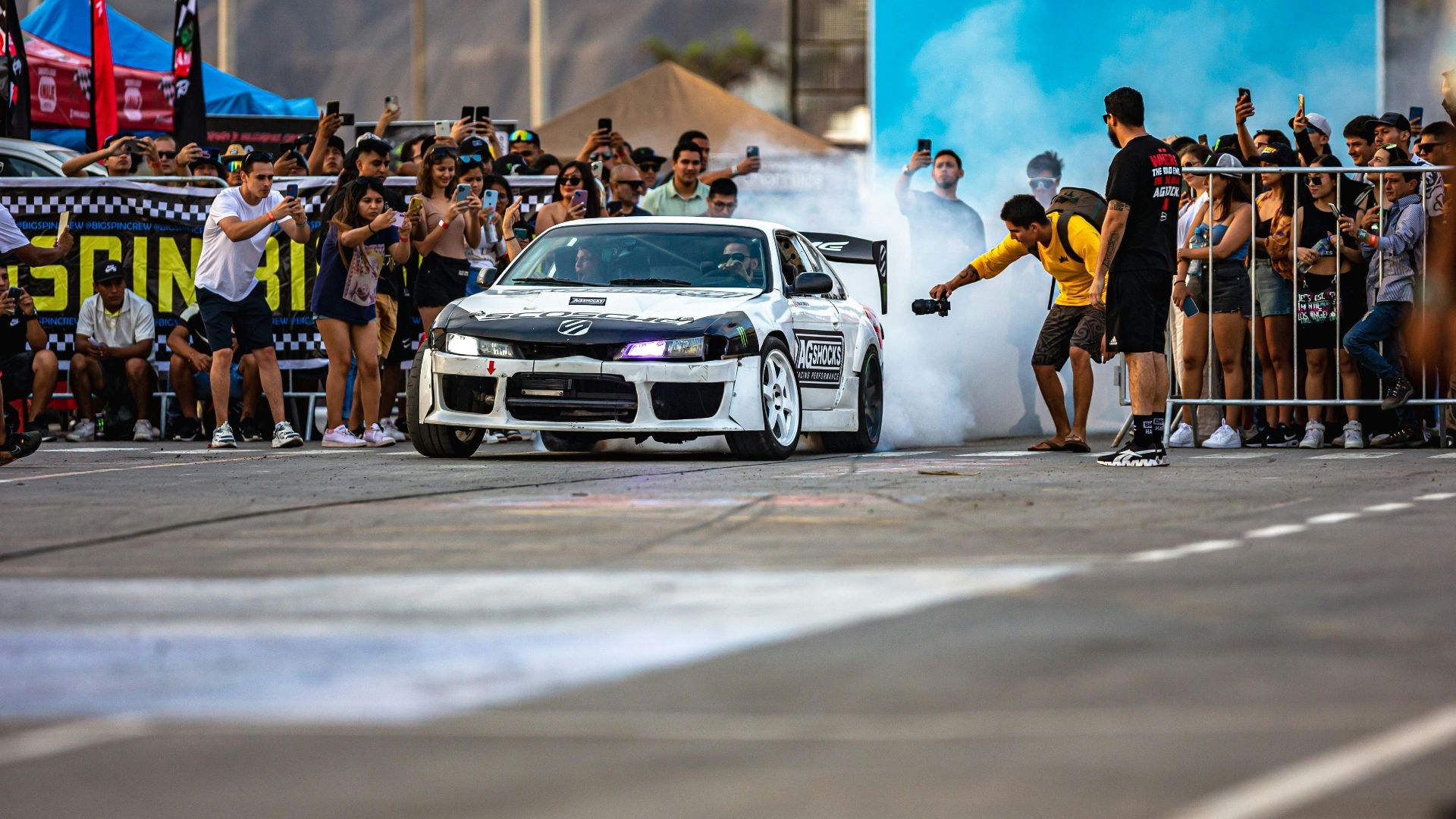
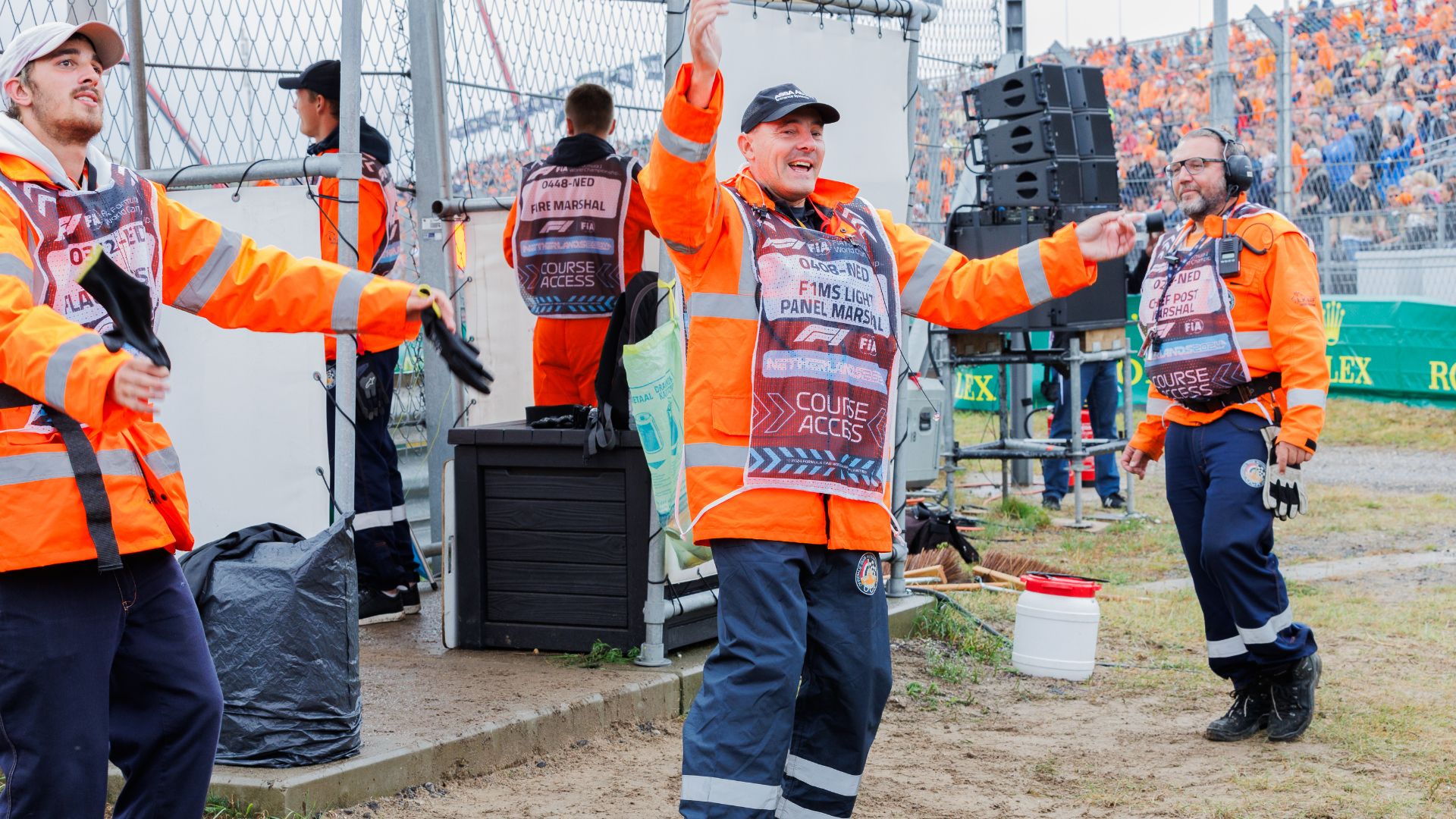
Many motorsport events rely on volunteers for safety and logistics. Helping trackside gives enthusiasts behind‑the‑scenes exposure to racing operations, builds community connections, and offers practical insight into how professional events are organized and managed.
3. Car Photography
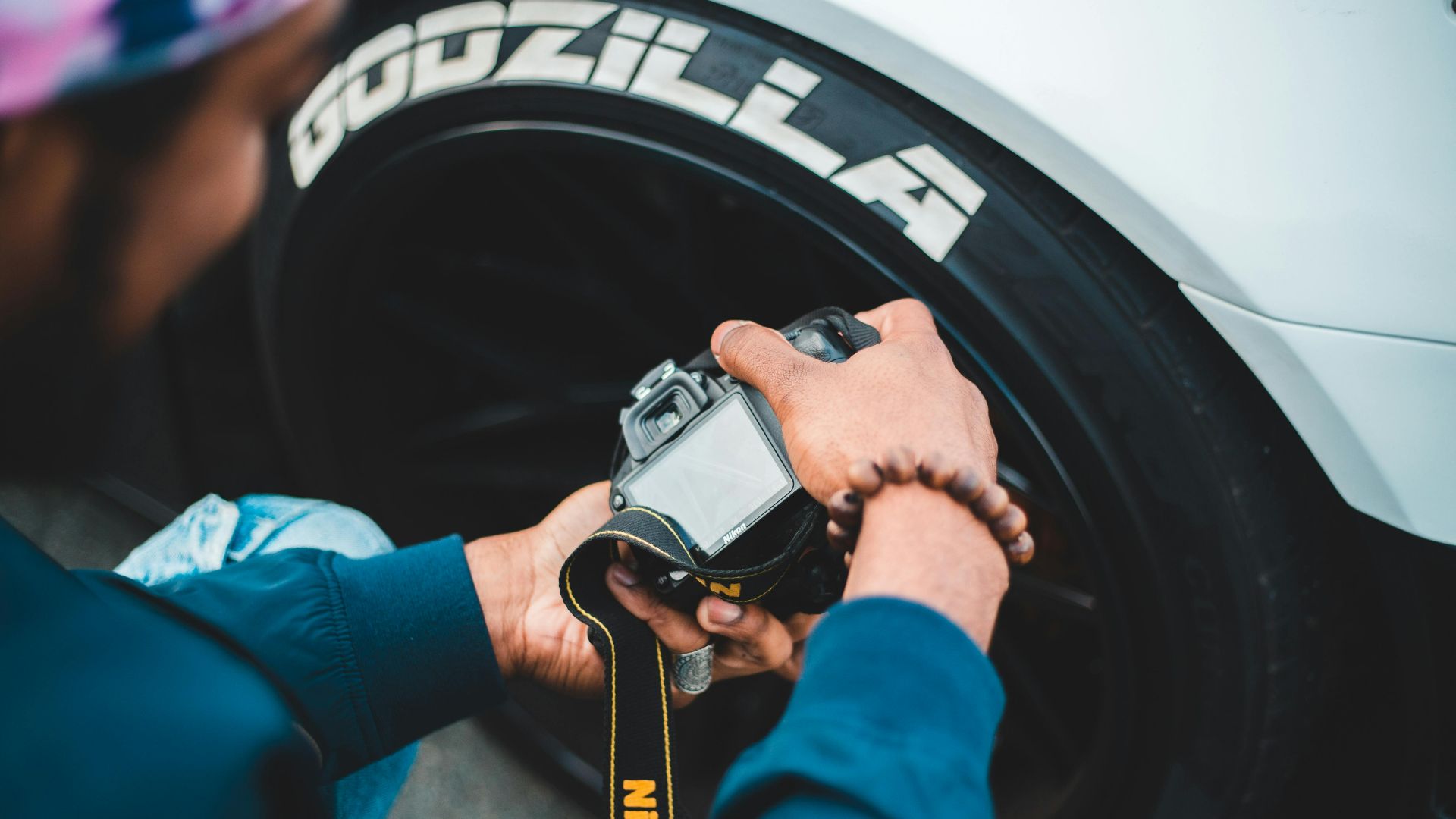
As creativity and automotive passion meet, car photography emphasizes composition and motion. Shooters capture vehicles at events or in dynamic settings. This hobby strengthens visual storytelling skills and can grow into a portfolio or social media presence.
4. Autocross Events
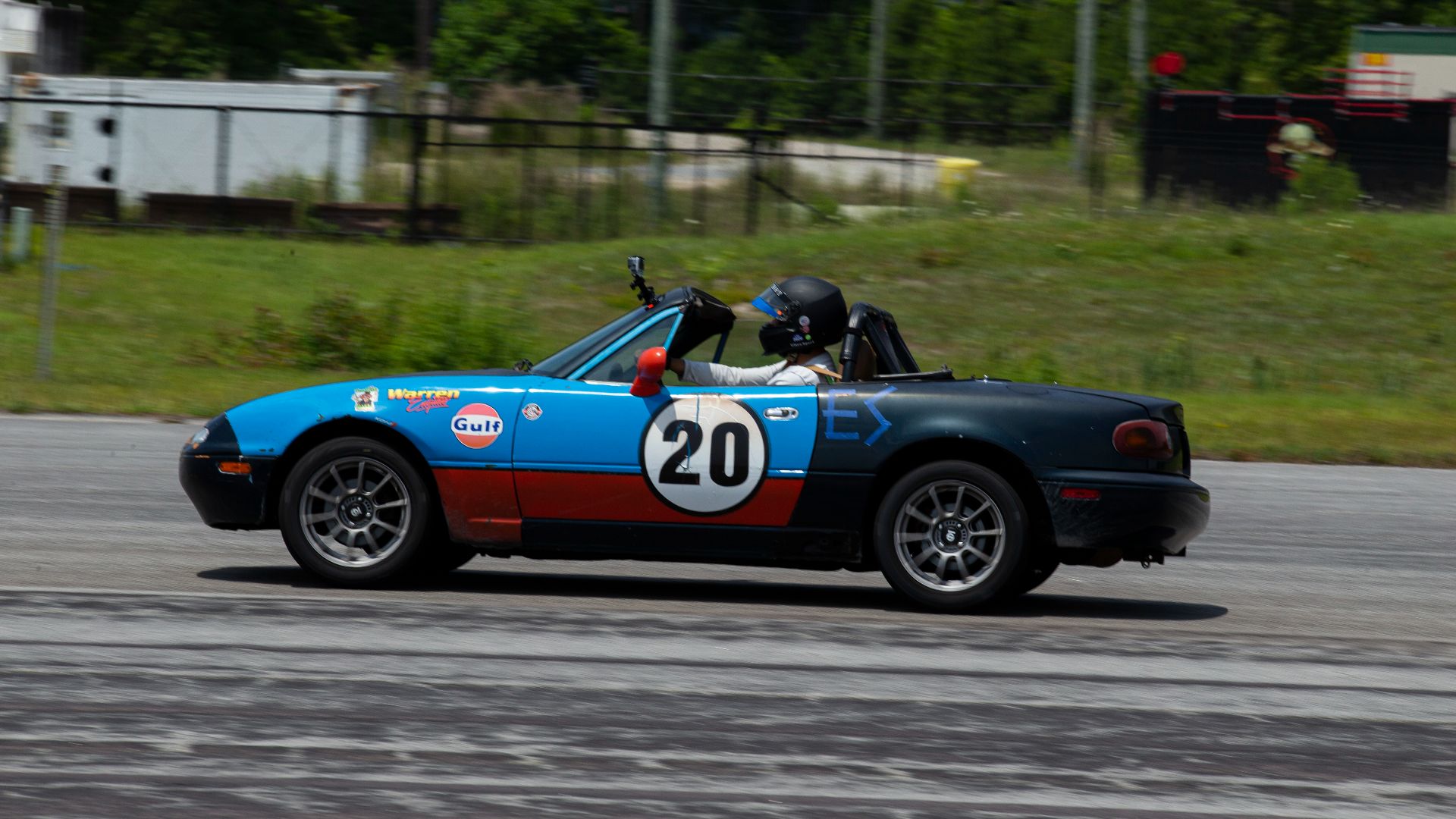
Unlike traditional racing, autocross events use tight courses and lower speeds to emphasize driver skill. Participants compete individually against the clock in controlled environments. The hobby offers an accessible introduction to performance driving and learning without extensive vehicle modification.
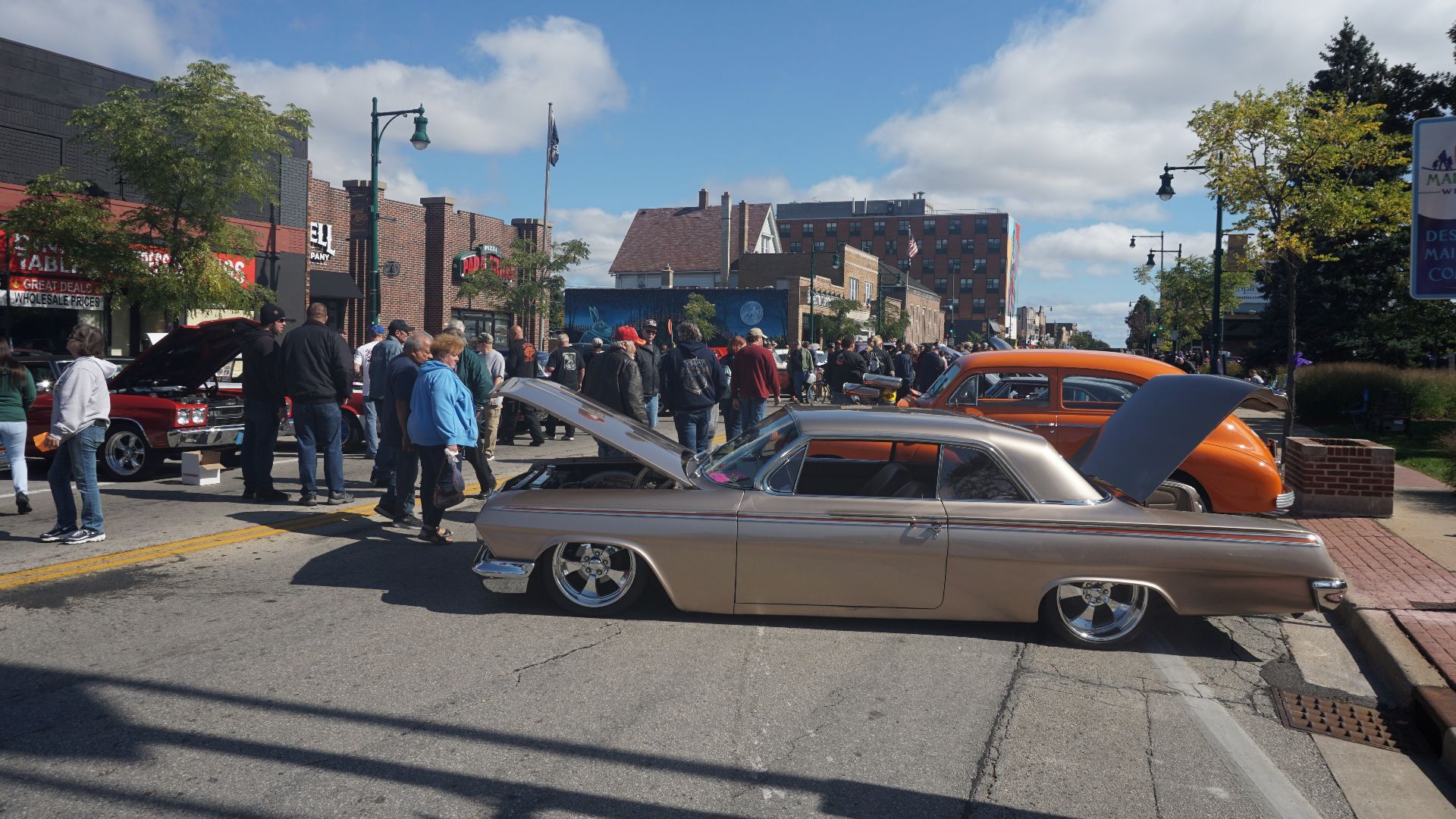
5. Attending Car Meets
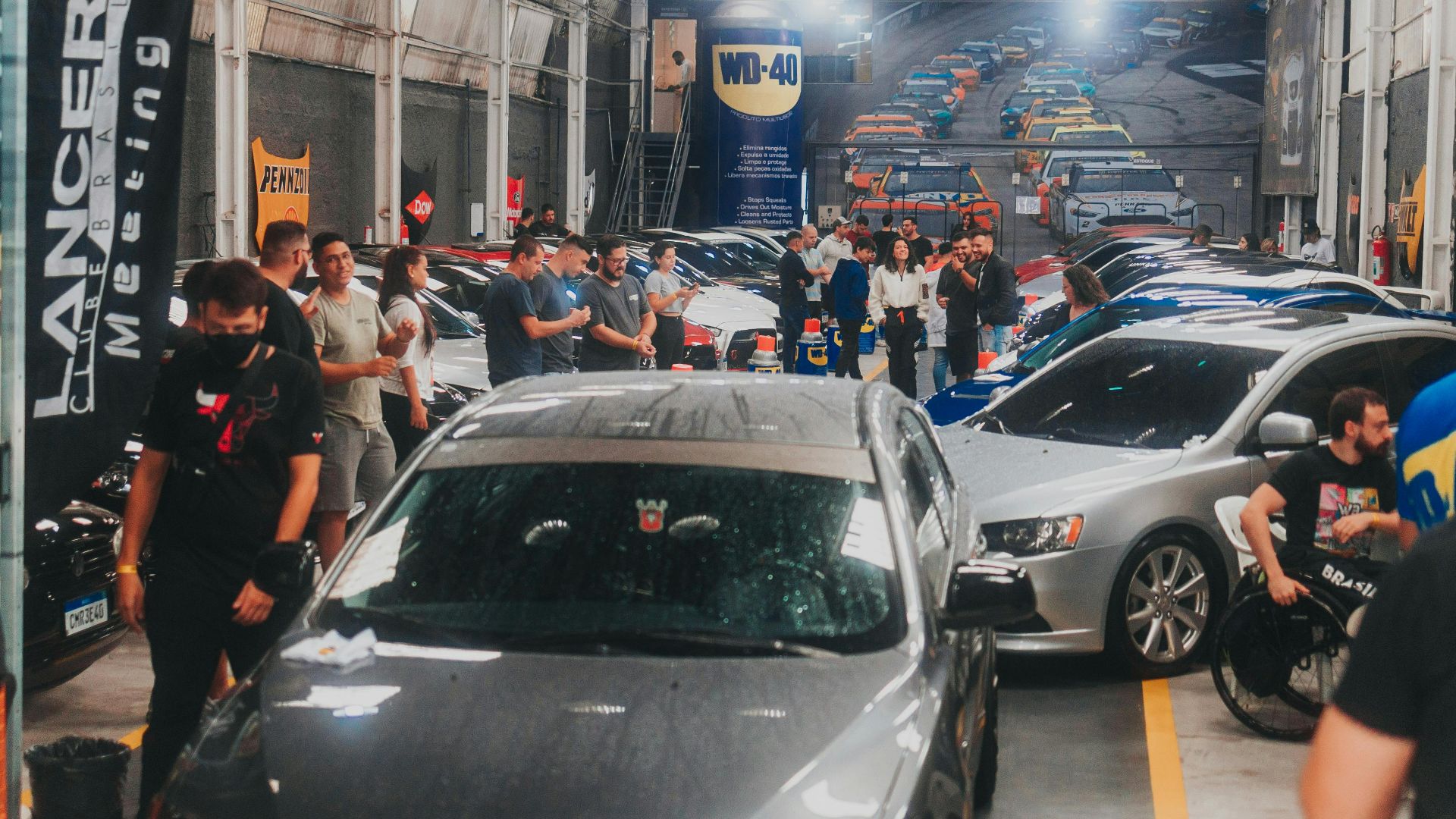
Rather than working under the hood, many hobbyists connect through car meets. These gatherings showcase a wide range of vehicles while encouraging conversation and shared learning. Asking questions and meeting local owners offers insight into trends and regional automotive culture.
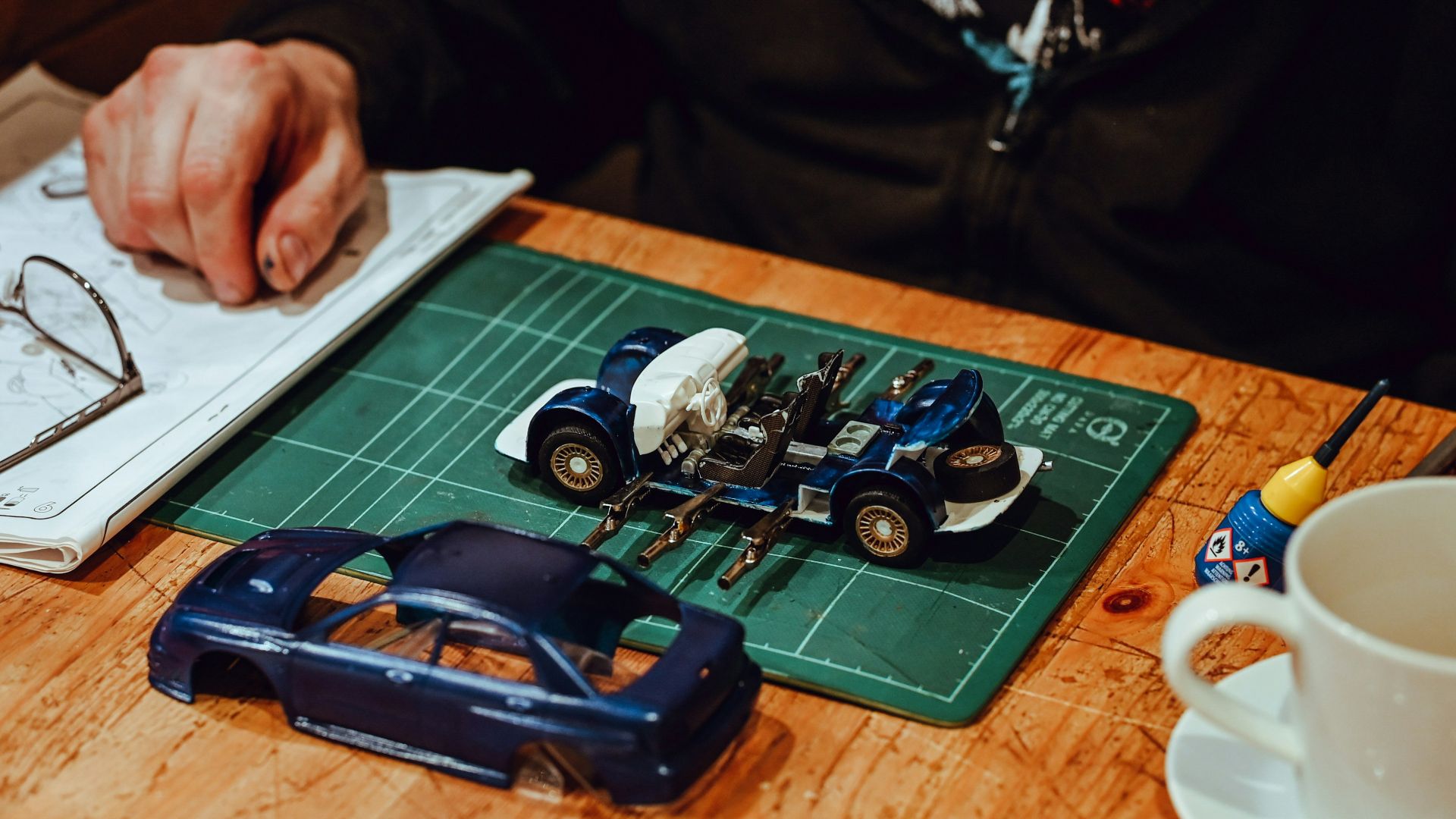
6. Model Car Building
Precision and focus define model car building for many. Assembling detailed replicas introduces builders to historical designs and mechanical layouts. The activity sharpens patience and attention to detail and provides a compact, affordable way to explore the automotive world.
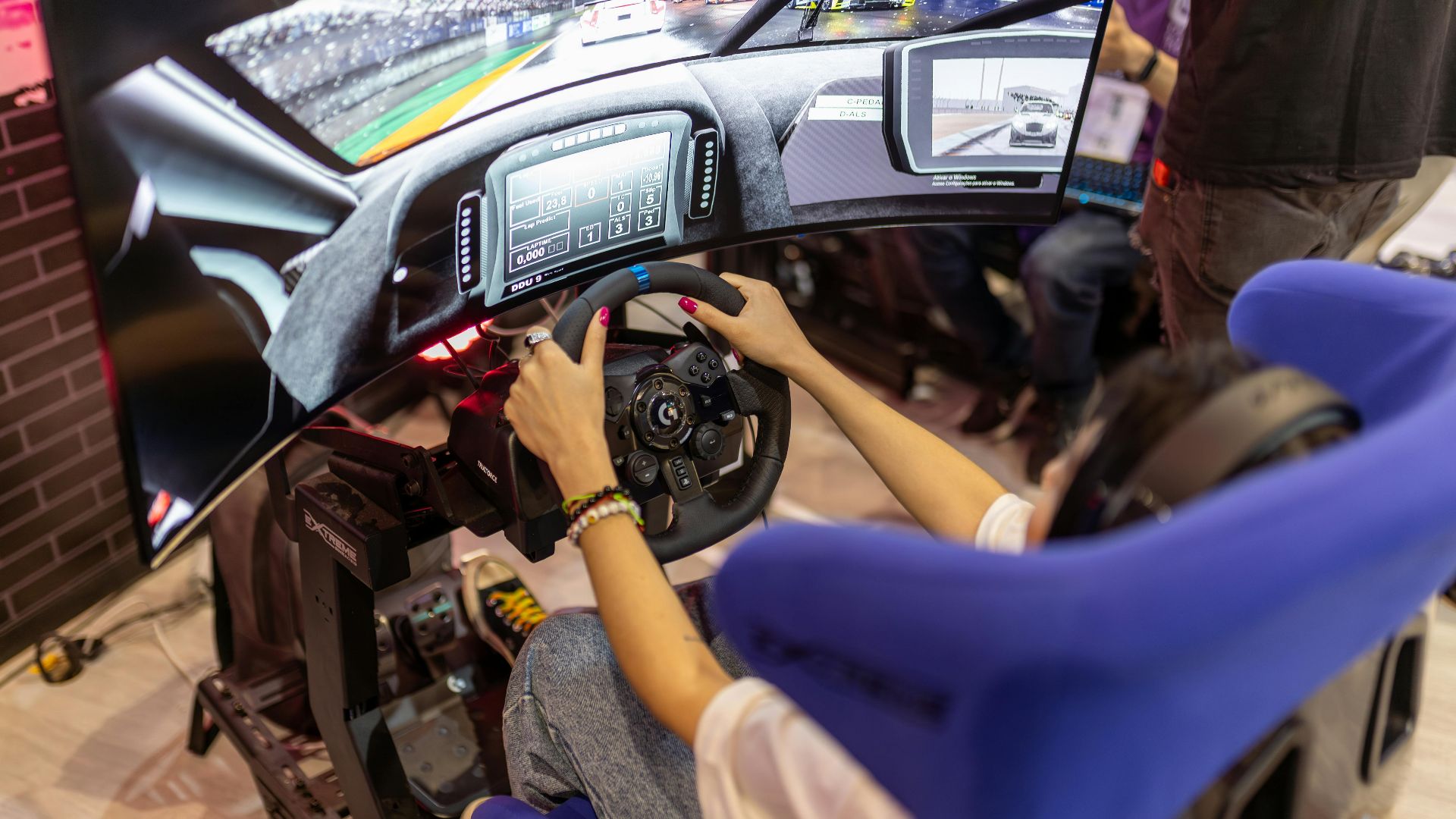
7. Sim Racing
At-home simulators allow enthusiasts to experience realistic driving through detailed software and hardware setups. Sim racing develops track awareness and race strategy. Competitive leagues and practice modes provide motorsport immersion without the expense or logistical barriers of real-world racing environments.
8. Automotive History Research
Through books and museums, automotive history research examines how vehicles influenced technology and culture. People can trace the manufacturer's evolution and engineering breakthroughs. This pursuit adds depth to modern car discussions and builds appreciation for design choices.
 Adnan Yahya Abdo Alward on Pexels
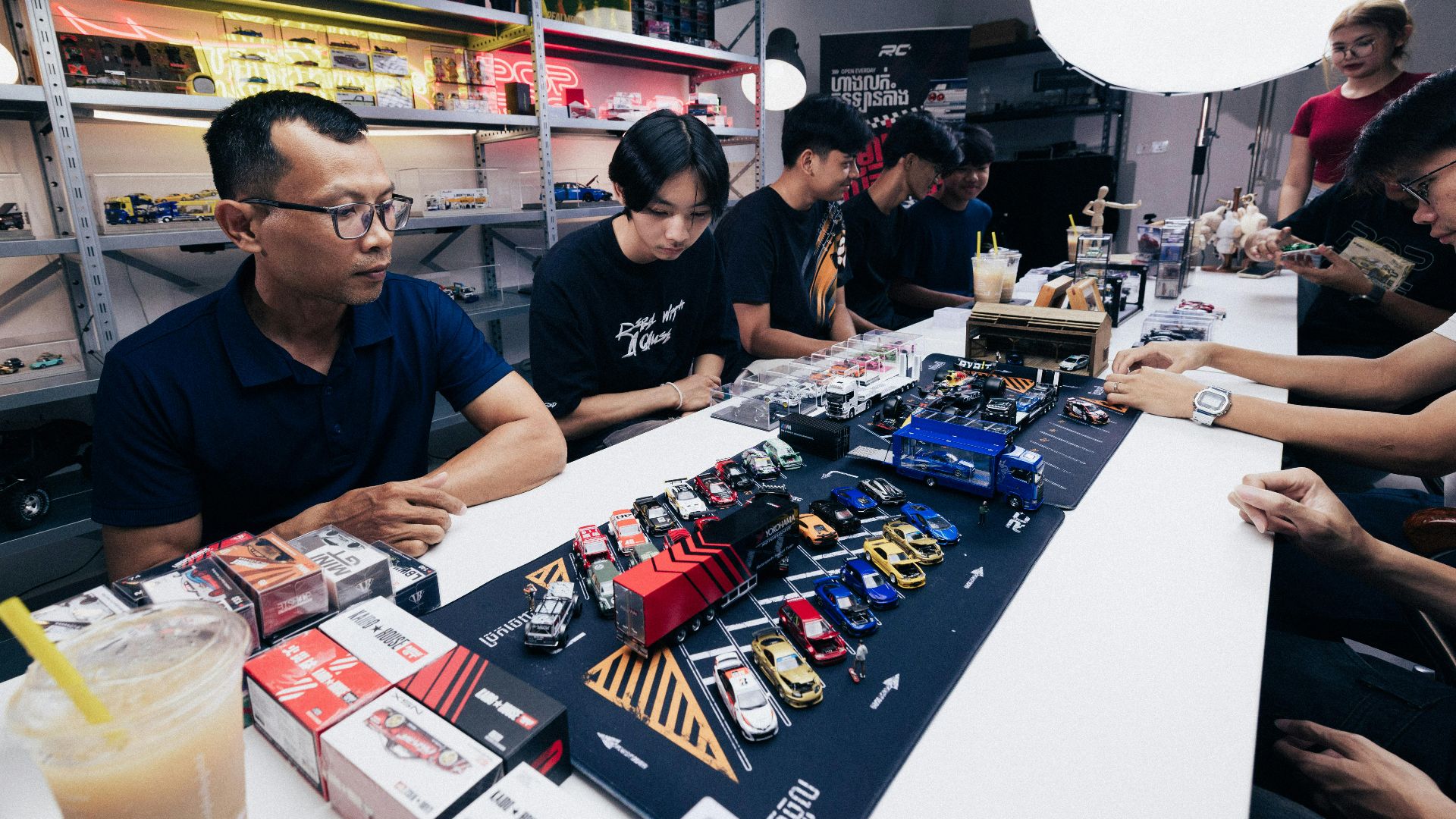
9. Car Collecting (Diecast Or Memorabilia)
For collectors, automotive memorabilia offers a tangible connection to favorite brands and eras. Diecast models, badges, and promotional items require research into authenticity and condition. The hobby also emphasizes organization and patience.
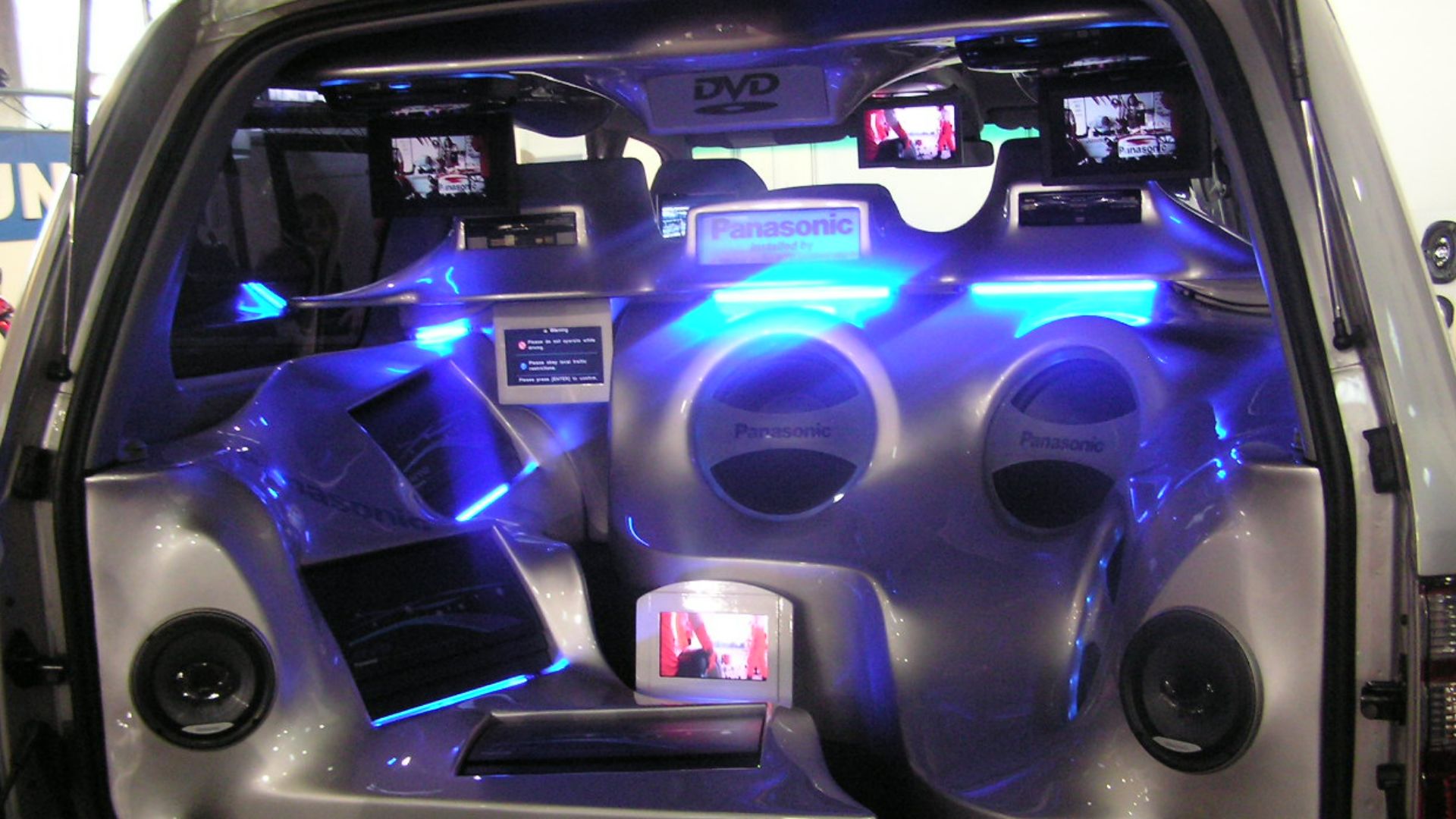
10. Car Audio Customization
Car audio customization is more than technical tinkering; it’s a creative outlet. Enthusiasts learn acoustics and system design while shaping audio experiences that mirror personal style, turning vehicles into rolling showcases of individuality and innovation.
11. Weekend Road Trips
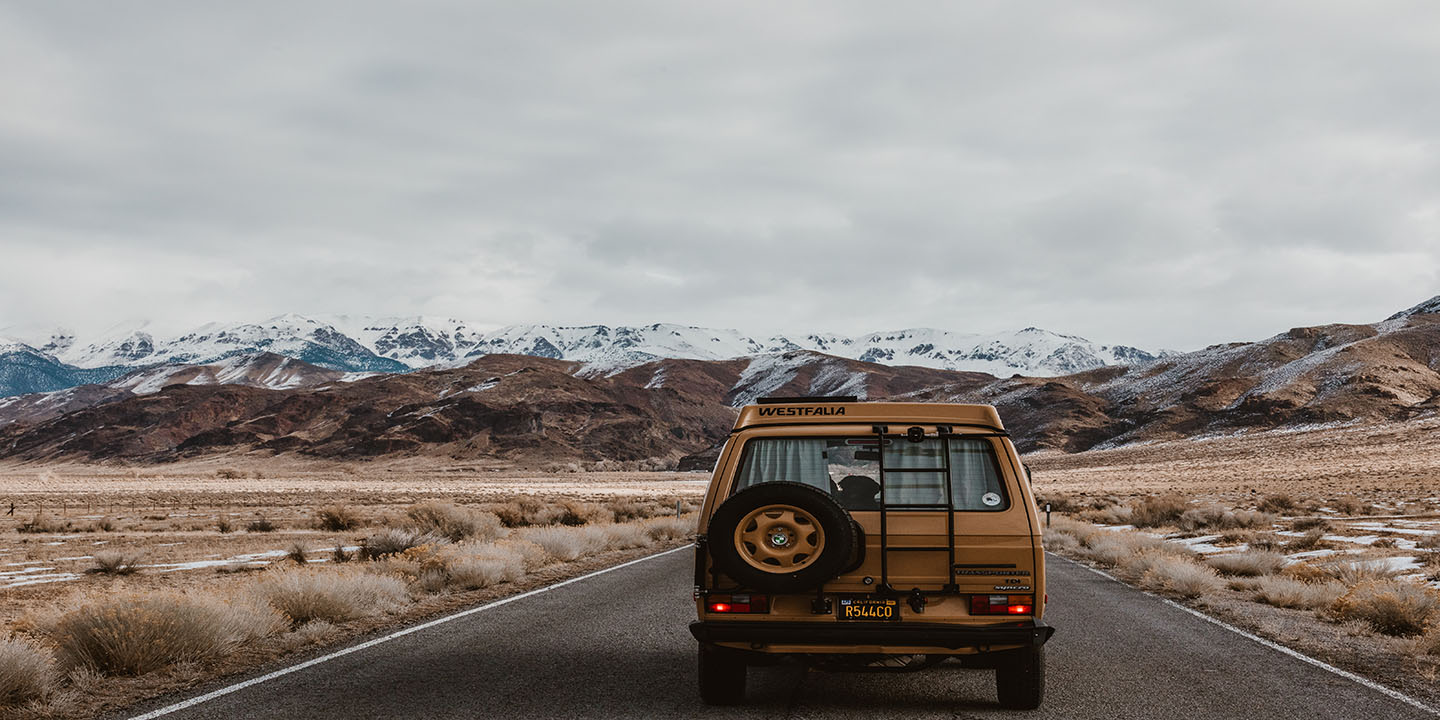
Free weekends can become travel opportunities when people focus on exploration rather than speed. Scenic routes and local landmarks define the experience. Over time, it strengthens driver awareness and delivers affordable adventure without requiring specialized equipment.

12. Automotive Literature Collecting
Beyond memorabilia, enthusiasts can collect brochures and historical automotive publications. This hobby preserves cultural and technical history, deepens knowledge of past engineering milestones, and provides tangible artifacts that showcase how car marketing and design evolved over decades.

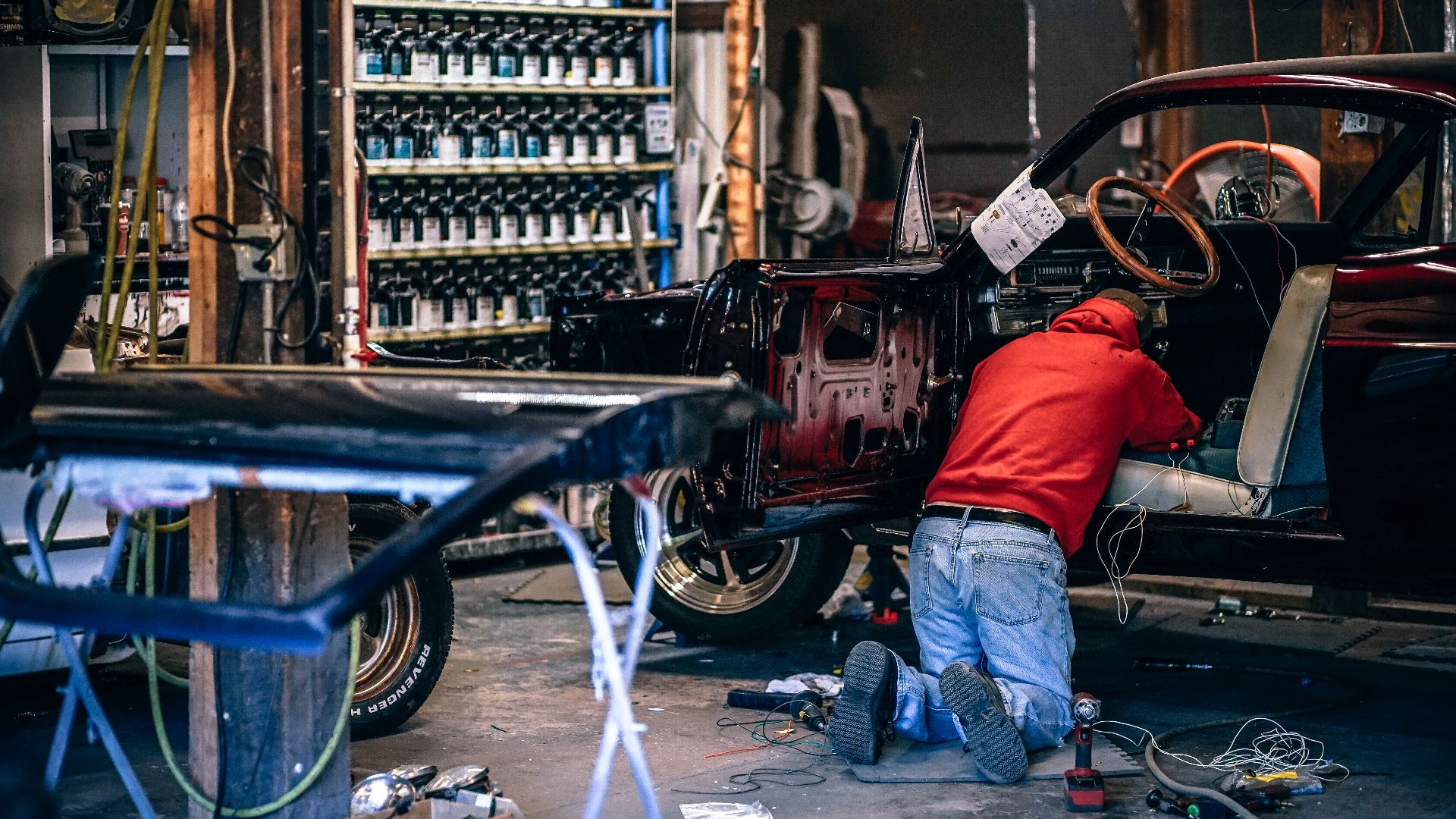
13. Car Restoration Projects
Bringing an older vehicle back to life requires research, persistence, and careful execution. Restoration projects combine mechanical repair with historical accuracy. The hobby rewards enthusiasts with hands-on expertise and a deeper connection to automotive craftsmanship.
 Igor Ovsyannykov igorovsyannykov on Wikimedia
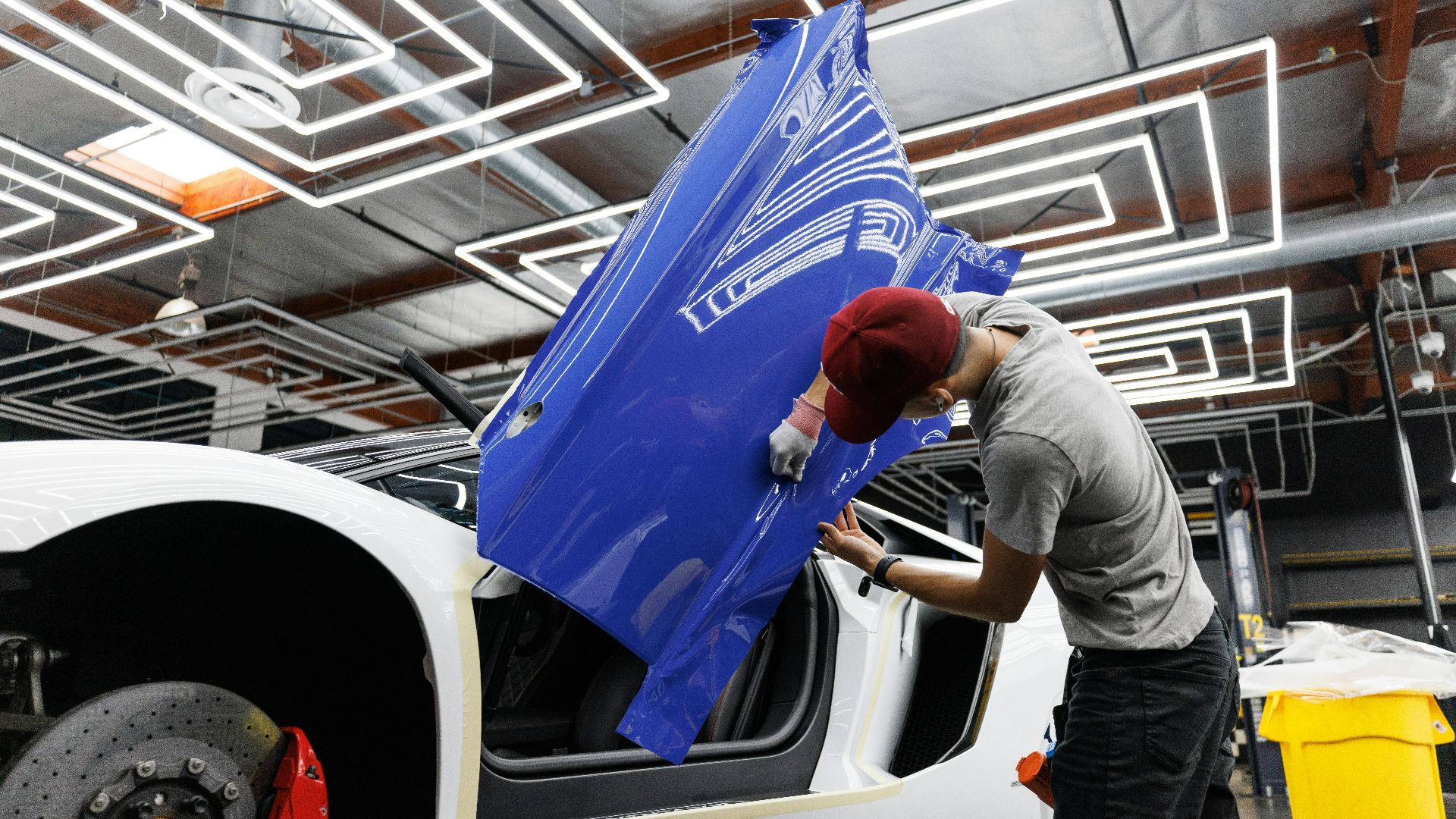
14. Custom Vinyl Wrap Design
Rather than committing to permanent paint, vinyl wraps allow enthusiasts to change a vehicle’s appearance creatively and reversibly. The process involves design planning and careful application. It’s a blend of visual creativity and precision.
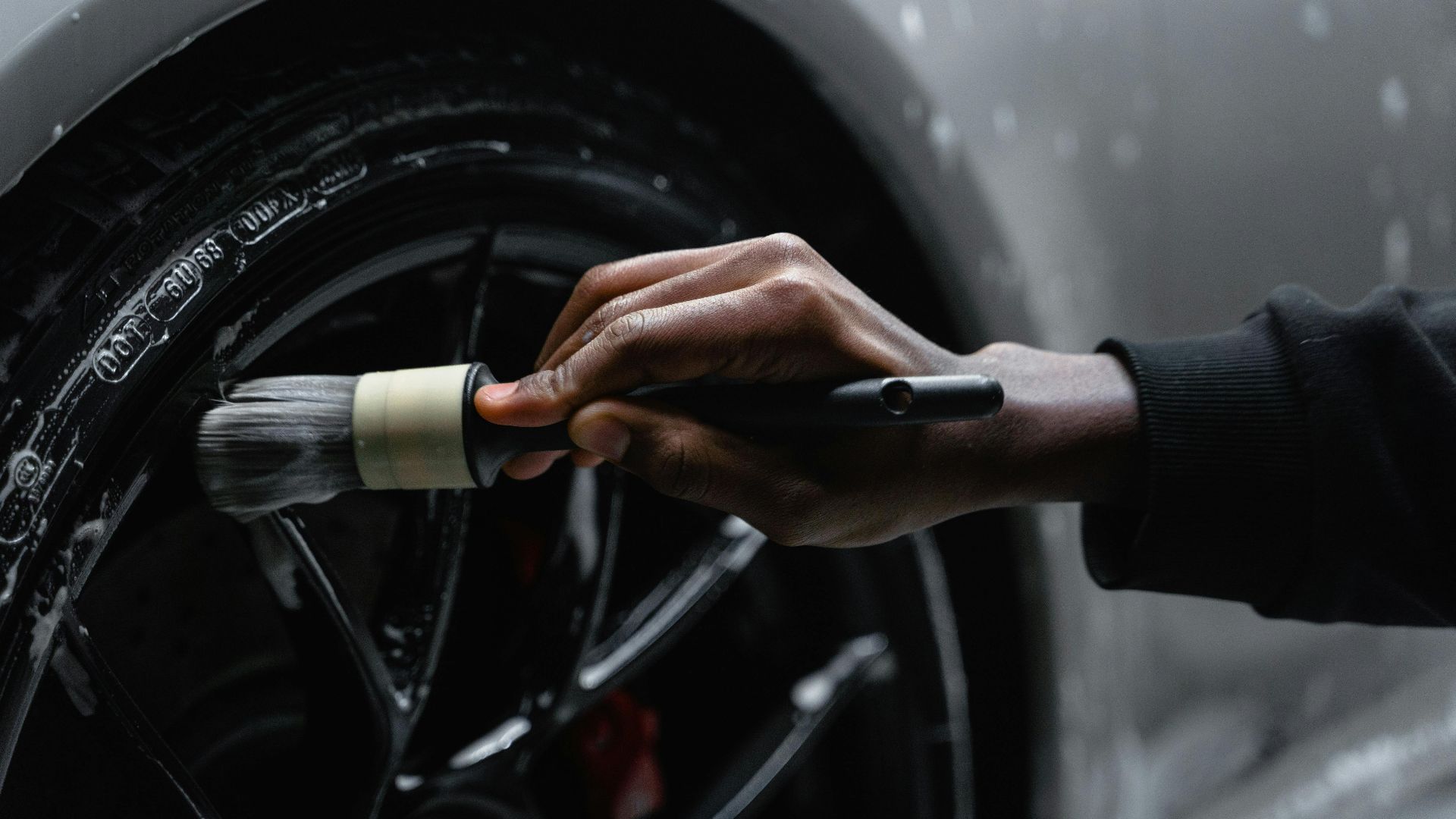
15. Car Detailing
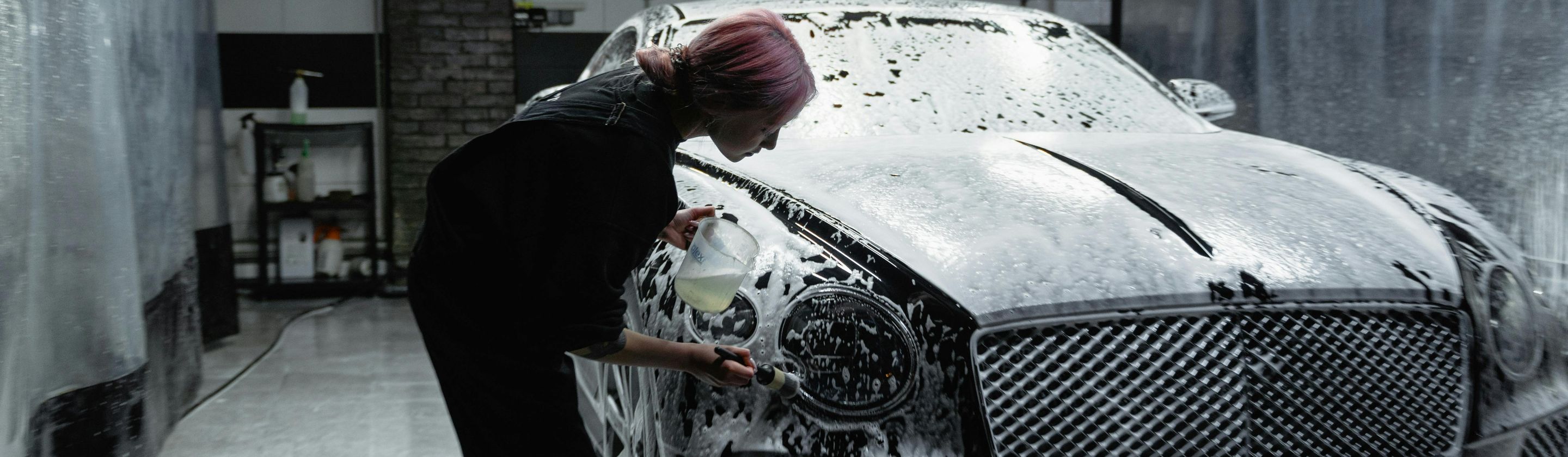
For many automotive lovers, car detailing becomes a hands-on way to protect and enhance a vehicle’s appearance. It includes deep cleaning, paint correction, and interior care. Beyond visual results, it builds patience and an appreciation for proper maintenance without requiring advanced skills.
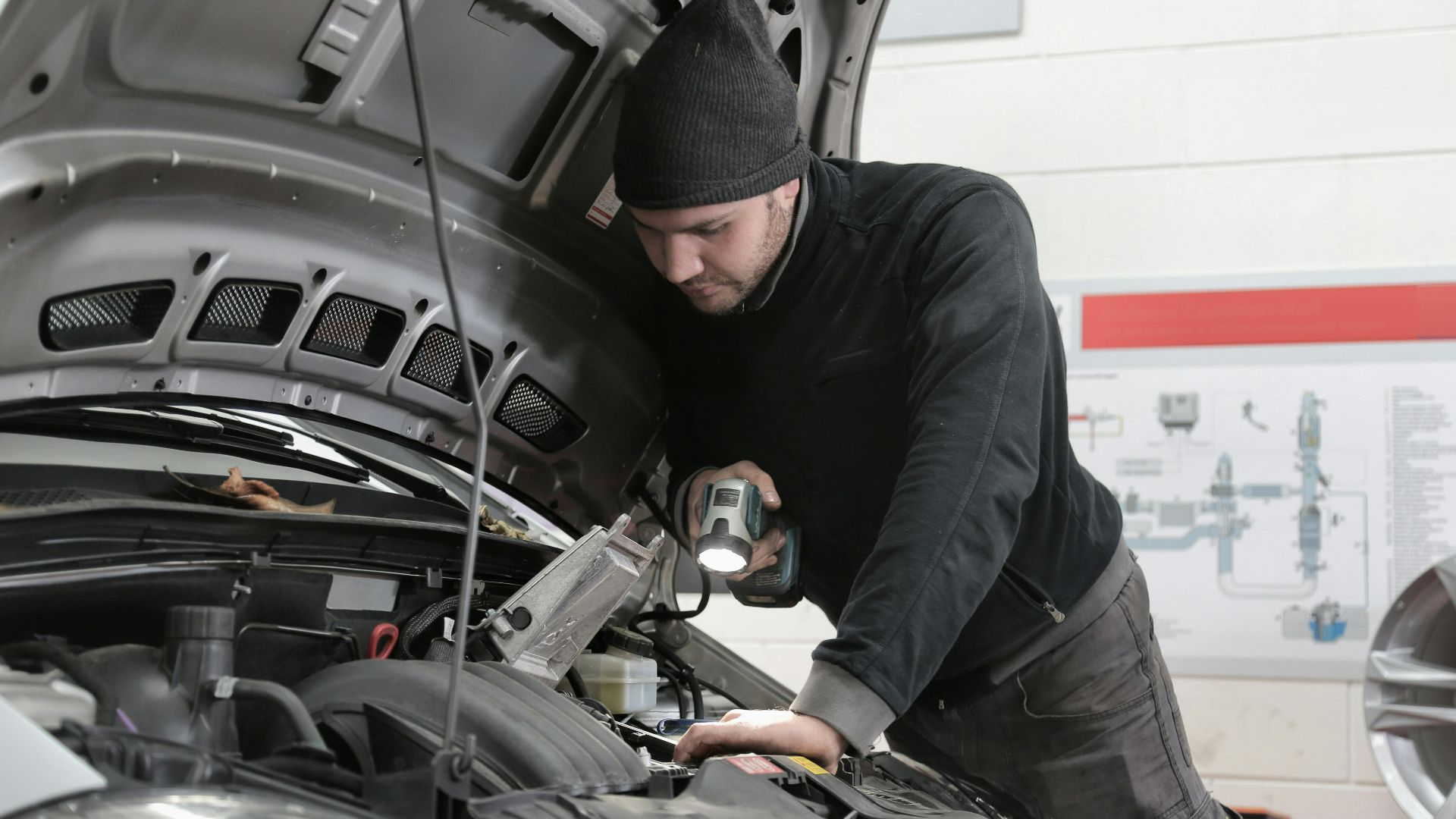
16. Engine Tuning Basics
Enthusiasts who study engine tuning get introduced to how fuel and timing affect performance. Learning adjustments through software or mechanical components builds technical literacy. It emphasizes balance and reliability to help drivers appreciate the importance of careful calibration.
17. Automotive Content Creation
Sharing automotive experiences through writing, video, or photography allows car lovers to educate and connect with others. Content creators review vehicles and document projects, which builds communication skills and encourages research accuracy.

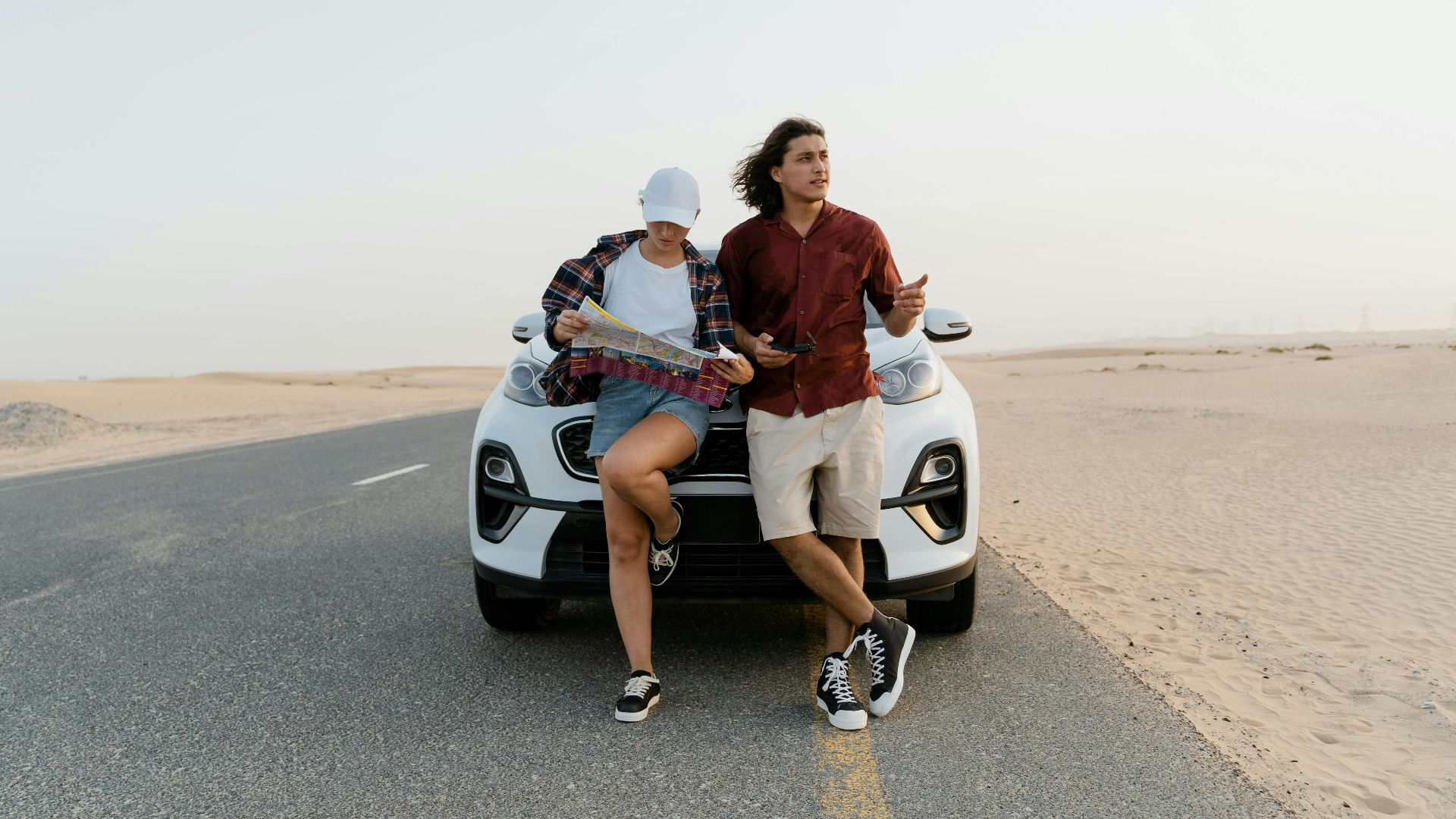
18. Driving Route Mapping
Route mapping turns every drive into a potential masterpiece. Drivers design their own scenic or challenging paths, meticulously documenting each one with maps and detailed notes about what makes the journey special. These custom routes get shared online or in driving communities.
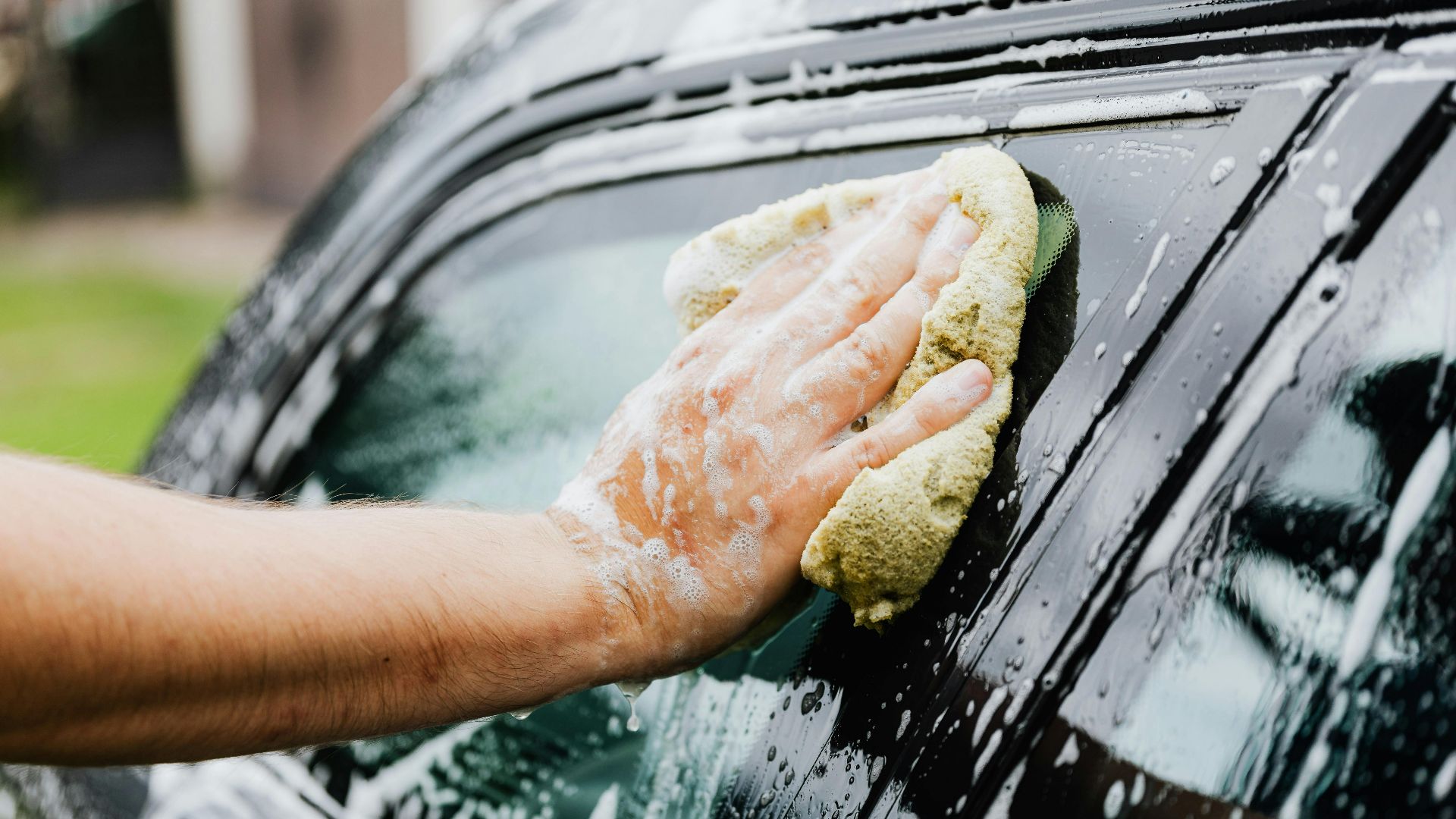
19. Vehicle Cleaning Product Testing
Testing vehicle cleaning products turns routine care into informed comparison. Enthusiasts evaluate soaps, waxes, sealants, and interior cleaners for effectiveness and safety. The process builds chemical awareness and helps owners choose products suited to paint types and driving conditions.
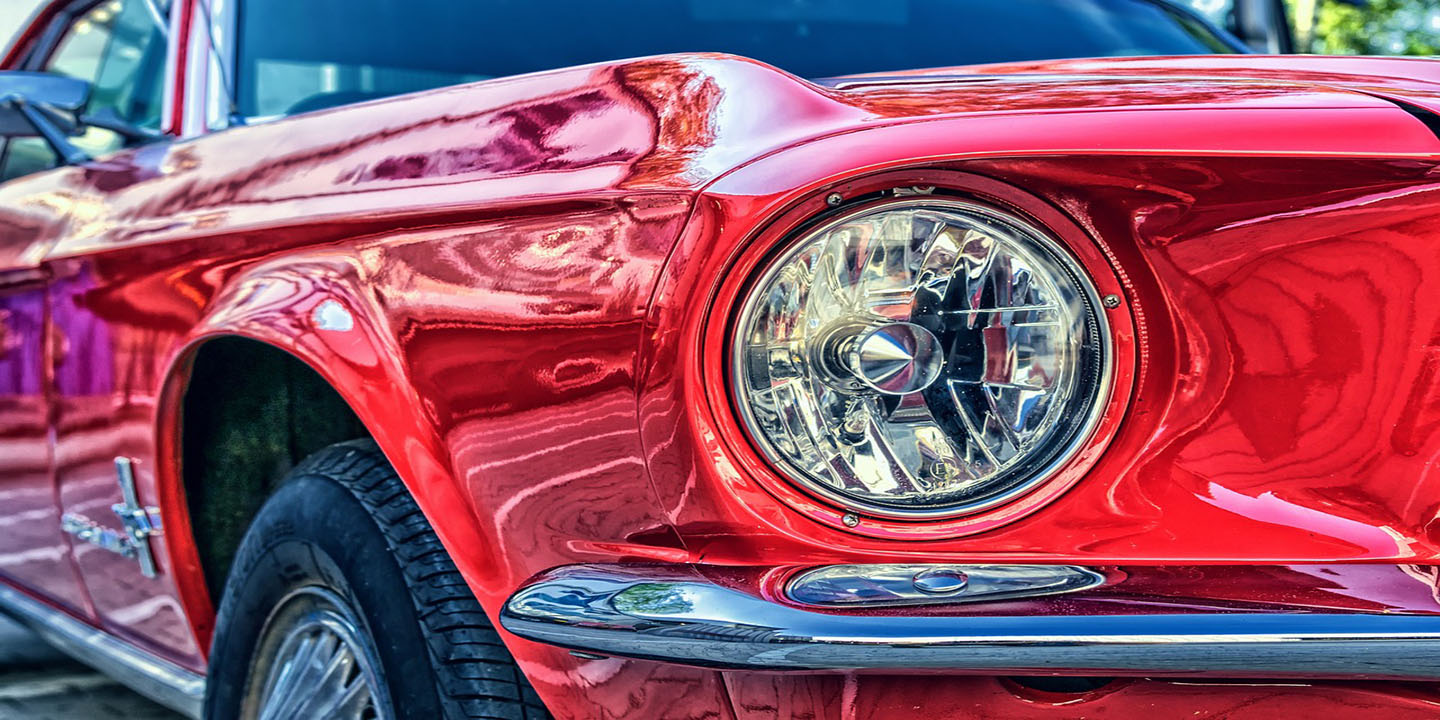
20. Classic Car Appreciation
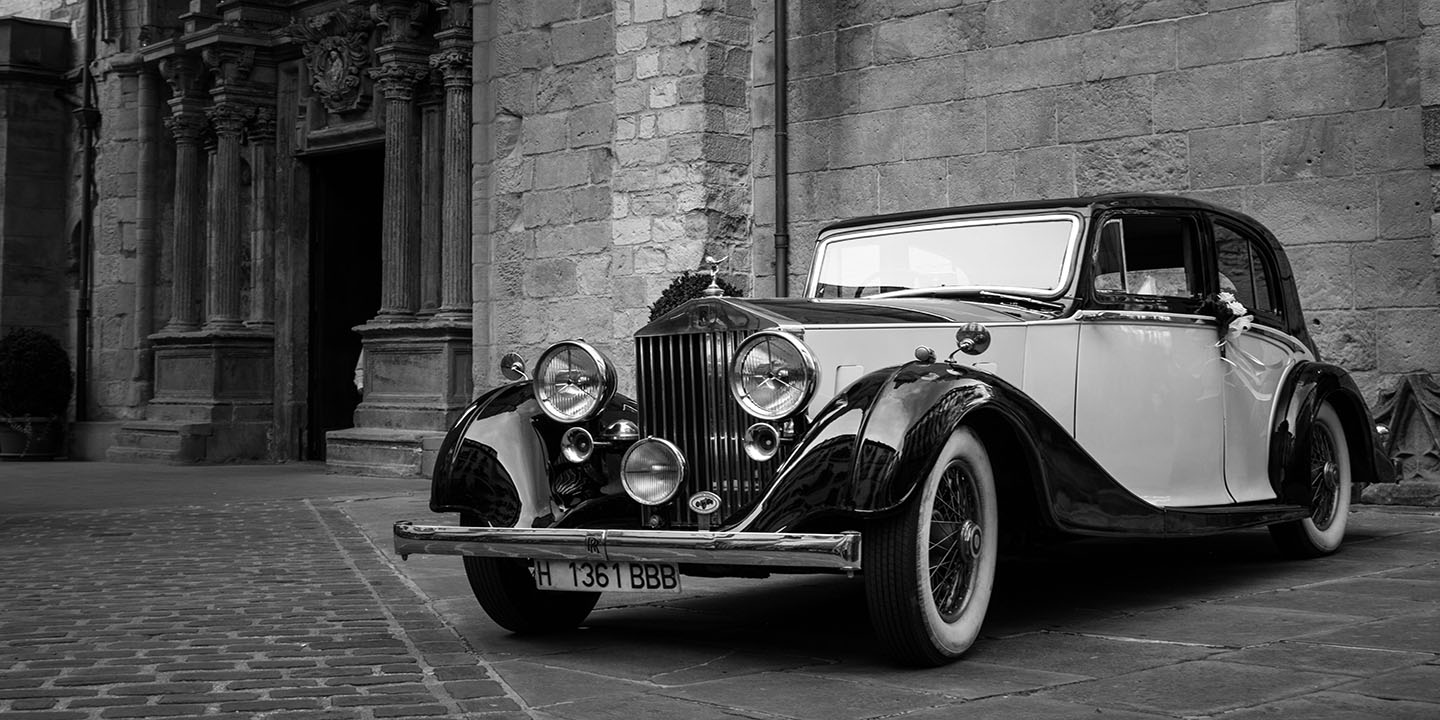
Classic car appreciation centers on understanding the design and cultural context of earlier eras. Automotive lovers attend shows and study originality, which sharpens their observational skills. At the same time, it explains why certain models remain influential decades after production ended.