Cars race through movie plots for reasons beyond storytelling. The silver screen became prime real estate for automakers seeking your attention. This clever marketing strategy evolved over decades, converting casual appearances into sophisticated brand narratives.
Let's look at this journey from background props to starring roles.
Subtle Integration to Blockbuster Partnerships
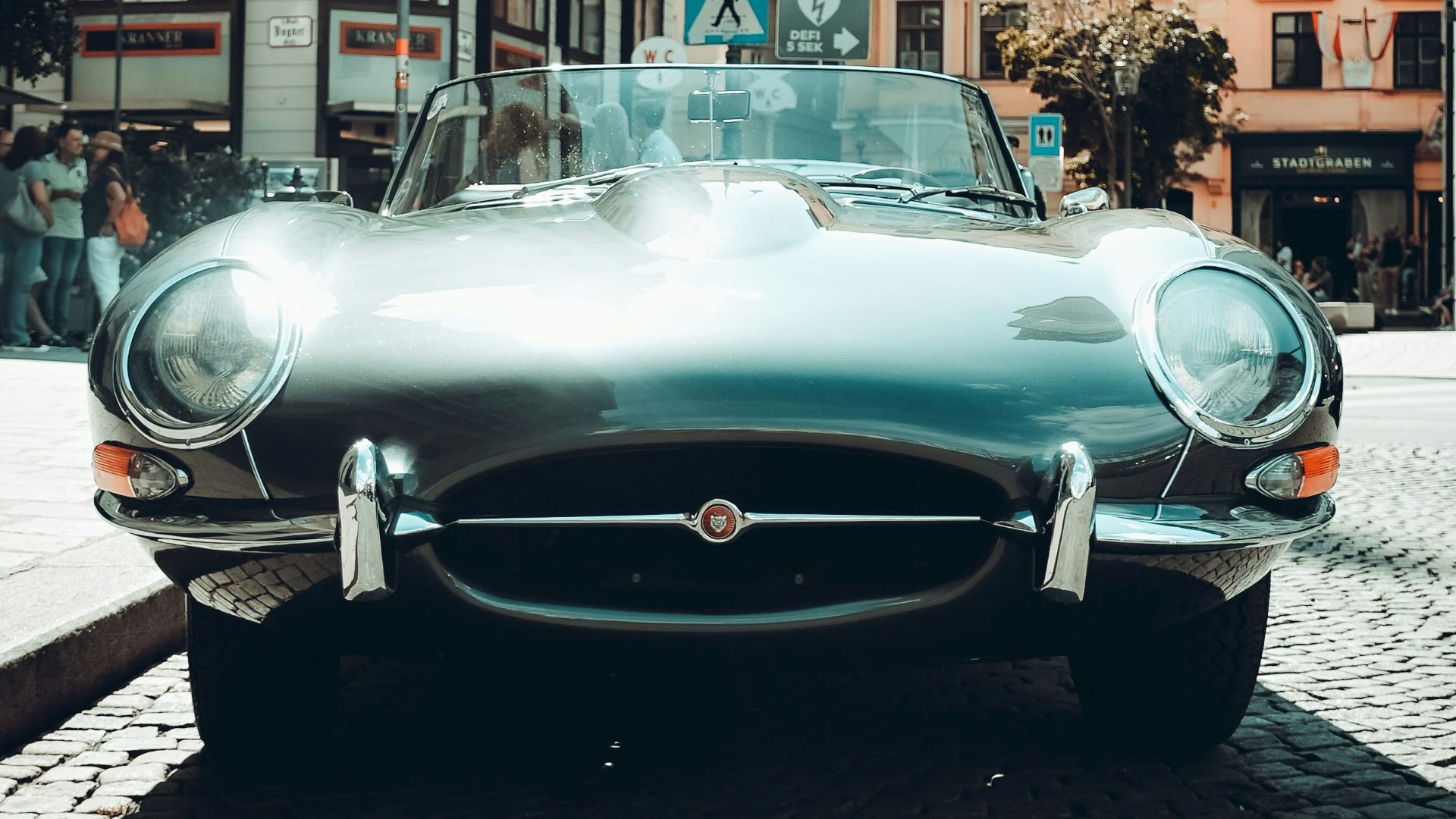
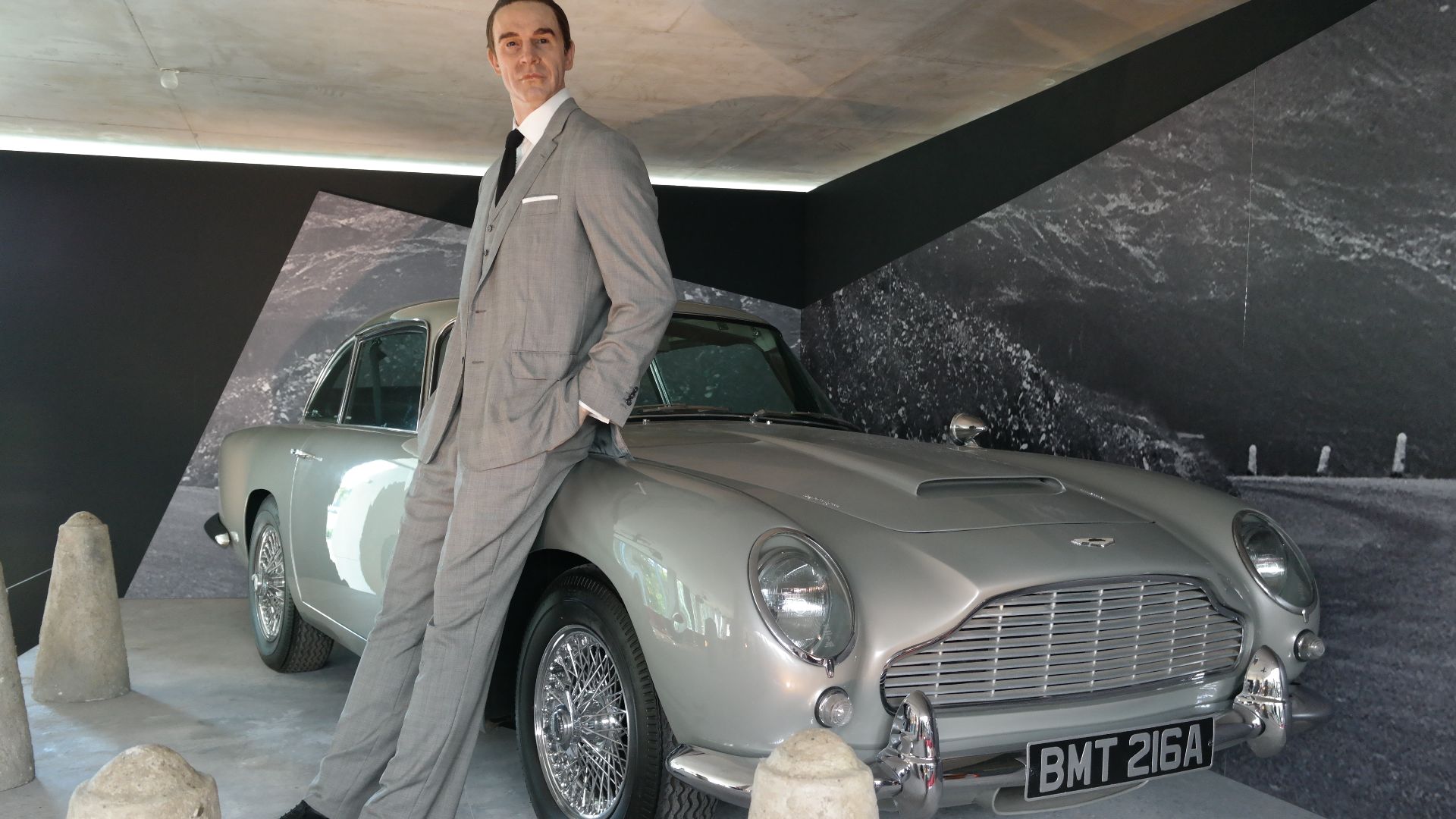
In the early days of cinema, cars appeared on screen simply as props, reflecting the world around us. The shift began in 1964 when the Aston Martin DB5 became James Bond's iconic vehicle in Goldfinger. This was a deliberate brand partnership that would forever change how Hollywood and automakers collaborated.
The practice evolved gradually through the 1970s and 80s, with notable appearances like the Ferrari 308 GTS in Magnum, P.I., and the DeLorean DMC-12 in Back to the Future. While memorable, such placements still maintained a balance between storytelling necessity and commercial interests.
The Fast And The Financially Lucrative
The Fast and Furious franchise represents perhaps the most successful marriage between automotive marketing and cinema. What began in 2001 as a relatively modest street racing film has turned into a multi-billion-dollar franchise with car manufacturers competing fiercely for screen time.
Apparently, the seventh installment alone featured over 300 cars, including rare models like the Lykan HyperSport, valued at $3.4 million. W Motors, the manufacturer, didn't directly pay for placement—instead, they provided the extremely limited vehicle (one of only seven produced) in exchange for the invaluable exposure.
Audi has been particularly strategic, creating a clear association between their vehicles and forward-thinking characters. The brand's appearance in Marvel films and sci-fi movies like I, Robot strategically positions them as the car of the future.
Beyond the Big Screen
The car placement ecosystem has expanded well beyond traditional cinema. Video games like
Streaming platforms have crafted new opportunities and challenges for automotive product placement. Netflix's Drive to Survive Formula 1 documentary series increased interest in the sport by 40% among American viewers, indirectly benefiting the featured car brands. Meanwhile, product integration deals on platforms like Amazon Prime must now account for unlimited viewing potential over the years, rather than just box office figures.
Social media has also added another dimension, with influencers often receiving vehicles for extended periods to create content. This strategy reaches younger audiences who consume less traditional media but will eventually enter the car market.